
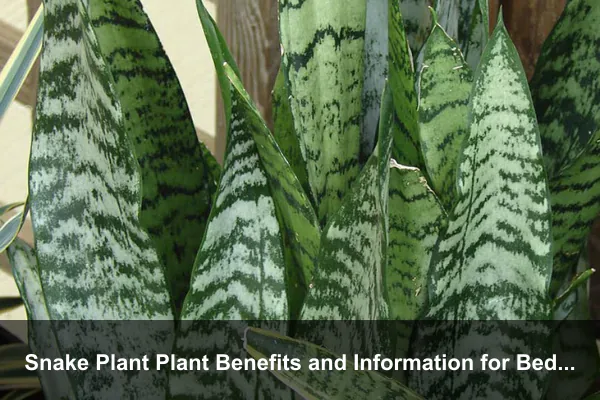
People often search for Snake Plant plant benefits and information because this houseplant has a rare mix of beauty, toughness, and everyday usefulness. For bedrooms, studio apartments, dorm rooms, and quiet corners, the snake plant offers strong vertical foliage without demanding constant attention.
This guide takes a unique angle: how snake plants support calmer small-space living. Instead of repeating the usual claims, it focuses on realistic benefits, safe placement, simple care, and design ideas that make the plant valuable in real homes. Think of it as practical manfaat tanaman context for indoor greenery: useful, attractive, and easy to maintain.
Why Snake Plant Works So Well in Restful Small Spaces
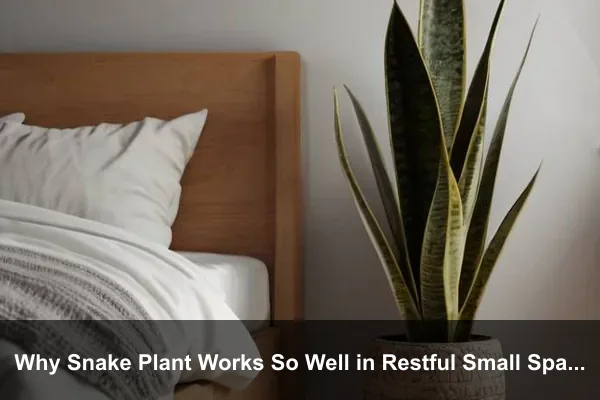
The snake plant, often sold as Sansevieria and now botanically grouped under Dracaena, is ideal where floor space, time, and natural light are limited. Its upright leaves grow vertically instead of spreading wide, so it can fit beside a bed, near a dresser, in a reading corner, or beside a compact desk.
Vertical Greenery Without Visual Clutter
Many indoor plants trail, sprawl, or need a stand. Snake plants create height with a narrow footprint. This makes them useful for small rooms where every surface matters. A tall pot can soften an empty corner, while a compact cultivar can sit neatly on a shelf or bedside table.
Quiet Style for Bedrooms
Snake plant leaves have bold shapes but a calm overall presence. Their green, silver, and yellow-edged patterns work with minimalist, tropical, modern, and natural interiors. Because the plant is not fragrant, it also suits people who prefer scent-free bedroom decor.
Real Snake Plant Benefits Without Exaggerated Claims
The most useful snake plant benefits are practical, not magical. It will not replace ventilation, cleaning, or healthy home habits, but it can make a room feel greener, more organized, and easier to care for.
- Low-maintenance greenery: It tolerates missed watering better than many leafy houseplants.
- Small-space value: Upright growth adds structure without taking over the room.
- Low-mess leaves: Thick leaves do not shed heavily when the plant is healthy.
- Fragrance-free comfort: It adds plant life without perfume-like scent.
- Beginner-friendly care: It gives clear warning signs when overwatered, stressed, or underlit.
About Air Quality Claims
Snake plants are often promoted as air-purifying plants. While plants can interact with indoor air in controlled studies, a normal bedroom needs much more than one pot to meaningfully clean the air. The realistic benefit is that snake plants encourage better indoor habits: opening windows when possible, dusting leaves, reducing clutter, and paying attention to room conditions.
Essential Snake Plant Information at a Glance
Understanding the plant helps you avoid the most common care mistakes. Snake plants store water in their thick leaves and underground rhizomes, which is why they dislike constantly wet soil.
- Common name: Snake plant, mother-in-law’s tongue.
- Botanical naming: Often labeled Sansevieria trifasciata, now commonly classified as Dracaena trifasciata.
- Growth habit: Upright, sword-like succulent leaves.
- Best light: Bright indirect light, though it tolerates lower light.
- Water needs: Low; water only after the soil dries well.
- Soil preference: Fast-draining potting mix, cactus mix, or indoor mix amended with perlite or pumice.
- Pet safety: Not pet-safe if chewed; keep away from cats, dogs, and curious children.
- Best use: Bedrooms, apartments, offices, dry corners, and low-touch indoor displays.
Bedroom and Apartment Placement Ideas
Placement affects both design and plant health. The best location gives the snake plant some light, keeps it away from accidental damage, and makes the room feel more finished.
Beside the Bed
A medium snake plant in a weighted pot can balance a nightstand or fill the space beside a bed frame. Choose a stable container so the plant will not tip if blankets, bags, or feet brush against it.
Near a Window, Not Against Hot Glass
Bright indirect light helps the plant hold stronger color and firmer growth. If the window gets harsh afternoon sun, move the pot slightly back or use a sheer curtain to prevent leaf scorch.
For Shared or Rental Spaces
Snake plants suit rentals because they do not need frequent watering, pruning, or repotting. A narrow floor pot can bring greenery into a room without drilling, hanging, or rearranging furniture.
Simple Care Routine for a Healthy Snake Plant
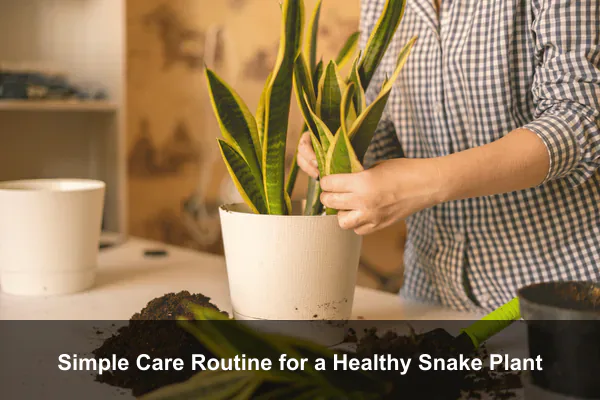
The best snake plant care routine is based on observation, not a rigid weekly schedule. Overwatering is the main reason snake plants fail indoors, especially in bedrooms with lower light and less airflow.
Light
Place the plant where it can see daylight for several hours. It can survive in low light, but growth will be slower and the soil will stay wet longer. Bright indirect light is the easiest balance for healthy leaves.
Watering
Check the soil before watering. If the top several inches are still damp, wait. When you do water, soak the soil evenly, let excess water drain out, and never leave the pot sitting in a saucer of water.
Pot and Soil
Use a pot with drainage holes. A heavy ceramic or terracotta pot is useful for tall snake plants because the leaves can become top-heavy. Fast-draining soil protects the rhizomes from rot.
Leaf Cleaning
Dust can dull the leaves and reduce the clean look that makes snake plants so attractive. Wipe leaves gently with a soft damp cloth every few weeks, especially in bedrooms, offices, and apartment corners.
Common Problems and Practical Fixes
Snake plants are resilient, but they still react to poor conditions. Most issues come from too much water, too little light, or unstable placement.
- Mushy leaves: Usually a sign of overwatering or poor drainage. Stop watering, inspect the roots, and repot if the soil smells sour.
- Wrinkled leaves: Often caused by long-term dryness. Water deeply, then let the soil dry again before repeating.
- Leaning growth: Rotate the pot monthly and give the plant brighter indirect light.
- Brown tips: Can come from inconsistent watering, physical damage, dry air, or mineral buildup.
- Faded variegation: Move the plant closer to a bright window, but avoid sudden direct sun exposure.
Safety, Buying, and Long-Term Value
Snake plants are useful indoor plants, but they should be placed responsibly. Their leaves contain compounds that can irritate pets or children if eaten. If you have a cat, dog, toddler, or anyone likely to chew leaves, place the plant out of reach or choose a safer alternative.
When buying, choose a plant with firm leaves, dry-smelling soil, and no dark mushy patches at the base. Avoid plants that are wobbling in wet soil, because root problems may already be present. For small bedrooms, compact varieties are often better than very tall specimens. For empty corners, a taller architectural plant can act like living decor.
The long-term value of a snake plant comes from its durability. With the right pot, careful watering, and moderate light, it can stay attractive for years. It does not need constant feeding, frequent pruning, or complicated humidity control, making it one of the easiest plants for busy people who still want a greener home.
Conclusion
Snake plants are popular for good reason: they are tough, stylish, low-mess, and well suited to bedrooms and small spaces. The most important Snake Plant plant benefits and information to remember are simple. Give the plant drainage, let the soil dry, place it in useful light, dust the leaves, and keep it away from pets or children who may chew it.
Used thoughtfully, a snake plant is more than decoration. It is a practical houseplant that brings structure, calm visual texture, and low-maintenance greenery into everyday indoor life.
