
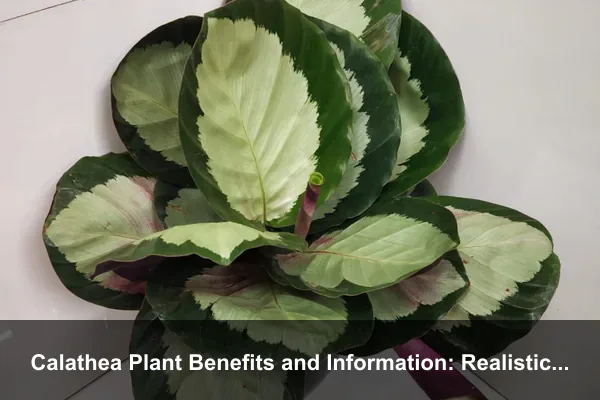
Calathea plant benefits and information are often described with big promises: cleaner air, calmer rooms, pet-safe beauty, and effortless tropical style. Some of those ideas are useful, but the most valuable way to understand Calathea is more practical. This plant is not a miracle cure for indoor air, and it is not the easiest houseplant for every home. Its real strength is that it brings rich non-flowering color, soft movement, low-pollen greenery, and a clear reminder to pay attention to light, water, humidity, and daily indoor comfort.
This guide takes a realistic angle on Calathea. Instead of repeating the same basic care claims, it explains what the plant genuinely offers, which benefits are overstated, and how to match Calathea with the right room, routine, and expectations. If you enjoy beautiful foliage and want a houseplant that rewards observation, Calathea can be one of the most satisfying indoor plants to grow.
What Makes Calathea Different From Ordinary Houseplants?
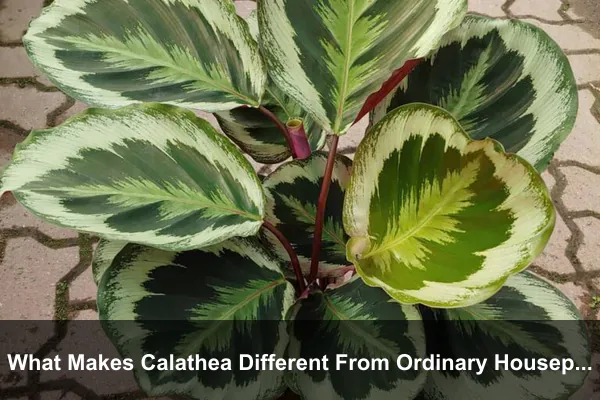
Calathea is best known for leaves that look painted by hand. Depending on the variety, the foliage may show feathered stripes, dark green brush marks, silver panels, purple undersides, or rounded patterns that resemble medallions. For people interested in plant benefits, this matters because Calathea delivers strong decorative value without relying on flowers, fragrance, or edible use.
Botanical Identity and Common Names
Many plants sold as Calathea belong to the Marantaceae family, the same broader group as prayer plants. Some popular plants formerly classified as Calathea have been moved by botanists into the genus Goeppertia, but garden centers and plant owners still commonly use the name Calathea. This is why you may see names such as Calathea orbifolia, Calathea makoyana, Calathea roseopicta, or Goeppertia insignis used for related foliage plants.
For everyday growers, the important point is simple: these are tropical understory plants. In nature, they grow below taller vegetation where light is filtered, air is warm, and moisture is more consistent than in many modern indoor spaces. Their care needs make more sense when viewed through that habitat.
Why the Leaves Move
Calathea leaves often lift, lower, or slightly change angle between day and night. This movement is linked to specialized structures at the base of the leaves called pulvini. The movement is not a sign that the plant is thinking or praying in a literal sense, but it does make Calathea feel more alive than many static houseplants.
This gentle movement is one of the plant’s underrated benefits. It encourages observation. When leaves are open, lifted, curled, faded, or crispy at the edges, the plant is communicating through visible changes. A Calathea can help a grower become better at reading indoor plant signals.
Realistic Calathea Plant Benefits for the Home
The best Calathea plant benefits are practical, sensory, and lifestyle-based. They are less about dramatic health claims and more about how the plant improves the feeling, appearance, and habit structure of a room.
Non-Flowering Color Without Strong Scent
Many indoor plants add beauty through blooms, but flowers may bring pollen, fragrance, fallen petals, or a short decorative season. Calathea provides visual richness through foliage all year when its needs are met. This makes it useful for bedrooms, reading corners, desks, and quiet living spaces where a strong scent is not welcome.
- Low fragrance: helpful for people who prefer scent-free rooms.
- Low-pollen appeal: valued by households that want greenery without showy flowers.
- Year-round pattern: attractive even when no plant in the room is blooming.
- Soft visual texture: useful for balancing hard surfaces, plain walls, and modern furniture.
Pet-Conscious Decorative Value
Calathea is commonly chosen because it is generally considered non-toxic to cats and dogs. This does not mean pets should be allowed to chew it. Eating leaves can still cause stomach upset, damage the plant, or create messy soil problems. However, compared with many popular houseplants that contain irritating compounds, Calathea is a more pet-conscious option for homes that want patterned foliage.
A Useful Plant for Building Better Indoor Habits
Calathea is not a set-and-forget plant. That can sound like a disadvantage, but it can also be a benefit for the right person. Because it responds visibly to dry air, harsh light, underwatering, and mineral-heavy water, it teaches steady care habits. Growers learn to check soil moisture, watch leaf texture, rotate the pot, and adjust placement before the plant declines severely.
In the wider plant-benefit niche, this is an honest form of value: the plant supports attention, routine, and a closer relationship with the home environment. A healthy Calathea often reflects a room that has moderate light, stable warmth, and reasonable humidity, which are conditions people usually find comfortable too.
Benefits That Are Often Overstated
A trustworthy article about Calathea plant benefits and information should also explain what the plant does not do. Overclaiming makes plant care confusing and can lead people to buy the wrong plant for the wrong reason.
Calathea Is Not a Replacement for an Air Purifier
Houseplants are sometimes marketed as powerful air-cleaning tools. Calathea, like many plants, participates in normal plant processes such as gas exchange and transpiration. However, a few pots in a home will not replace ventilation, filtration, dust control, or source reduction for indoor pollutants. If air quality is the concern, use Calathea as a pleasant part of a greener room, not as the main solution.
It Is Not a Medicinal or Edible Plant
Unlike herbs such as basil, mint, rosemary, or lemongrass, Calathea is primarily ornamental. Its benefits are decorative, sensory, and habit-related. Do not use Calathea leaves for tea, home remedies, food wraps, or skin applications unless you are working with a culturally specific edible species and reliable expert guidance. Most houseplant Calatheas are grown for beauty, not consumption.
It Is Not Truly Low-Maintenance
Calathea can be easy once its environment is correct, but it is not as forgiving as snake plant, ZZ plant, or pothos. It dislikes long droughts, direct sun, cold drafts, soggy soil, and inconsistent watering. Calling it low-maintenance creates frustration. A better label is moderate care with visible feedback.
Care Boundaries That Protect the Benefits
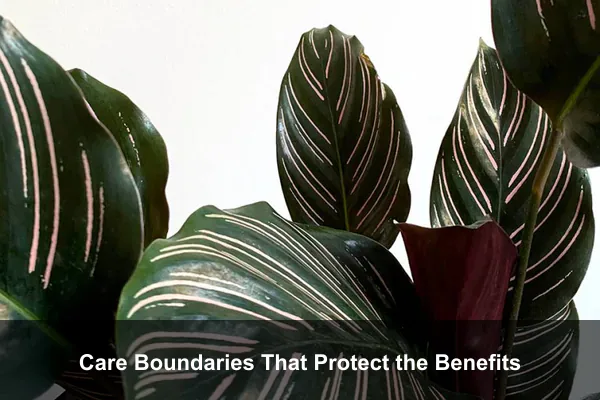
Calathea looks best when its care boundaries are respected. These boundaries are not complicated, but they do need consistency. The goal is to create a stable indoor setting that supports leaf quality rather than chasing quick fixes after the edges turn brown.
Light: Bright but Filtered
Place Calathea where it receives bright indirect light or gentle filtered light. Direct afternoon sun can bleach patterns, scorch leaf edges, and make the plant lose its soft appearance. Too little light slows growth and may cause dull color. A good position is near an east-facing window, several feet from a bright south or west window, or behind a sheer curtain.
Water: Even Moisture Without Soggy Roots
Calathea prefers lightly moist soil, but it should not sit in water. Check the top layer of potting mix before watering. When the top 1 inch feels slightly dry, water thoroughly and allow excess water to drain. If your tap water is very hard or heavily chlorinated, filtered water, rainwater, or water left to sit may reduce leaf-edge stress.
Humidity and Temperature: Stability Matters
Calathea usually performs best in moderate to high humidity and stable warmth. Dry air can lead to curling leaves and crispy margins, especially in air-conditioned rooms. A humidifier is the most reliable option, but grouping plants, using a pebble tray, and keeping the plant away from vents can also help. Avoid cold windowsills and sudden temperature drops.
Soil and Pot: Airy, Moisture-Holding, and Well-Drained
The best potting mix holds some moisture while still letting oxygen reach the roots. A practical blend may include indoor potting mix with added perlite, fine bark, or coco coir. Use a pot with drainage holes. Repot only when the plant is root-bound or the mix has become compacted, because unnecessary repotting can stress sensitive roots.
Problem Signals and What They Usually Mean
One of the most useful parts of Calathea plant information is learning how to interpret symptoms. A single imperfect leaf is normal, but repeated symptoms point to a pattern in the environment.
Common Leaf Signals
- Crispy brown edges: often linked to dry air, inconsistent watering, mineral-heavy water, or old leaf aging.
- Curling leaves: commonly caused by underwatering, low humidity, heat stress, or too much direct light.
- Yellow leaves: may indicate overwatering, poor drainage, cold stress, or natural older-leaf decline.
- Faded patterns: can happen when light is too intense or the plant is stressed.
- Drooping: may appear after dry soil, soggy roots, recent repotting, or abrupt room changes.
How to Respond Without Overcorrecting
The biggest mistake is changing everything at once. Move the plant, water heavily, fertilize, mist repeatedly, and repot in the same week, and you may create more stress than you solve. Instead, check the basics in order: soil moisture, drainage, light exposure, humidity, temperature, and pest presence. Make one or two changes, then watch new growth for improvement.
Best Rooms and Uses for Calathea
Calathea works best where its beauty can be seen up close. It is not ideal as a distant corner filler because the leaf patterns are detailed. Use it where people naturally pause: beside a reading chair, on a plant stand near a desk, in a bright bathroom, or on a shelf away from direct sun.
Good Placement Ideas
- Bright bathrooms: natural humidity can support healthier leaves if light is sufficient.
- Home offices: patterned leaves add visual rest without strong scent.
- Bedrooms: low-fragrance foliage suits quiet spaces when pets cannot dig in the soil.
- Living room side tables: the plant becomes a detailed accent rather than a bulky floor specimen.
- Covered indoor plant shelves: grouped humidity and filtered light can work well.
Who Should Choose Calathea?
Calathea is a strong choice for growers who enjoy observation and do not mind a plant that asks for steady care. It suits people who want non-flowering color, pet-conscious foliage, and a more refined indoor plant than common beginner vines. It is also useful for anyone who wants to practice reading leaves and improving indoor growing conditions.
Who May Prefer Another Plant?
If your home is extremely dry, very dark, cold at night, or frequently neglected, Calathea may struggle. Busy growers who travel often may be happier with ZZ plant, snake plant, pothos, or philodendron. Choosing a plant that matches your real routine is part of responsible indoor gardening.
Buying and Long-Term Care Tips
A healthy Calathea begins with a smart purchase. Look beyond the prettiest leaf and inspect the whole plant. The leaves should be firm, the stems should not be mushy, and the soil should smell fresh rather than sour. Check the undersides of leaves for pests before bringing the plant home.
What to Check Before Buying
- Choose a plant with several healthy leaves and at least one sign of new growth.
- Avoid plants with widespread crispy edges, sticky residue, webbing, or collapsed stems.
- Check that the pot has drainage or plan to move the nursery pot into a suitable cover pot.
- Ask how recently the plant was watered so you do not water again too soon.
- Quarantine new plants for a short period before placing them near an established collection.
Simple Monthly Maintenance
Dust leaves gently with a soft damp cloth so patterns stay clear and the plant can use available light. Trim fully dead leaves with clean scissors. Rotate the pot every couple of weeks for even growth. Feed lightly during active growth with a diluted balanced houseplant fertilizer, but avoid heavy feeding, especially when the plant is stressed or light is low.
Conclusion: The Honest Value of Calathea
Calathea plant benefits and information are most useful when they stay realistic. This plant offers beautiful patterned foliage, low-fragrance indoor color, pet-conscious decorative value, and a living reminder to notice humidity, light, and watering habits. It can make a room feel softer, calmer, and more intentionally cared for.
At the same time, Calathea is not a magic air purifier, a medicinal herb, or a no-maintenance plant. Its real benefit is more grounded: it rewards consistent care with leaves that bring texture, motion, and quiet beauty into everyday spaces. For growers who enjoy attentive indoor gardening, Calathea is not just a pretty plant; it is a practical teacher in how healthier houseplant routines are built.
