
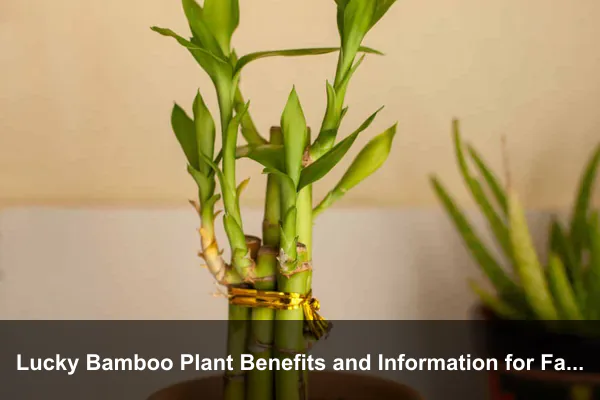
Lucky Bamboo plant benefits and information are often discussed through the lens of luck, decor, and simple indoor care, but this plant also deserves attention as one of the easiest ways to create a small water garden at home. With its upright green stems, clean roots, and compact shape, lucky bamboo can bring living greenery into kitchens, shelves, study corners, apartments, and family spaces without the mess of traditional potting soil.
Although it is commonly sold as bamboo, lucky bamboo is actually Dracaena sanderiana, a tropical houseplant that can grow in water or soil. Its value comes from more than appearance. It supports small daily routines, introduces beginners to plant observation, softens indoor spaces, and offers a practical example of manfaat tanaman, or the everyday benefits plants can bring to a home environment.
What Lucky Bamboo Actually Is
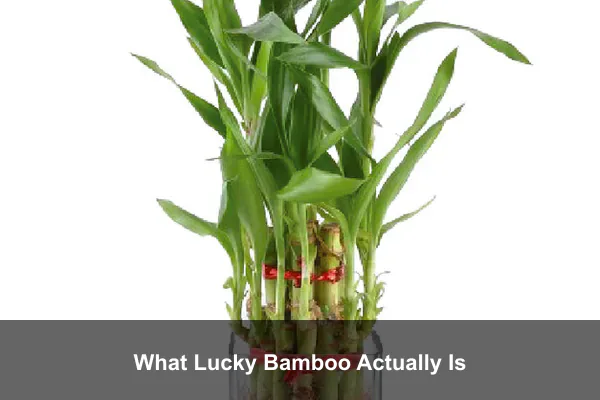
Lucky bamboo is not a true bamboo species. True bamboo belongs to the grass family, while lucky bamboo is part of the Dracaena group. This matters because its care needs are different: it grows slowly, prefers bright indirect light, and does not need outdoor garden conditions to look healthy indoors.
Why the Name Can Be Confusing
The name comes from its bamboo-like canes and cultural association with good fortune. Many people buy it as a symbolic plant, but it is best treated as a tropical indoor plant rather than a fast-growing bamboo. It will not become a tall woody grove, and it does not need aggressive pruning or outdoor containment.
Water-Grown Versus Soil-Grown Plants
Lucky bamboo is often displayed in water with stones or pebbles holding the stems upright. This setup is attractive and easy to monitor because you can see the water level and root condition. It can also grow in a loose, well-draining potting mix, but water culture is the style most people associate with lucky bamboo indoor displays.
Main Lucky Bamboo Plant Benefits
The benefits of lucky bamboo are practical, visual, and emotional. It should not be treated as a cure-all plant or a substitute for clean air, proper ventilation, or medical wellness practices. Its strongest value is as a low-mess, low-space houseplant that makes indoor greenery easier to maintain.
- Compact greenery: It fits on desks, counters, window-adjacent shelves, and small tables.
- Low soil mess: Water-grown arrangements are useful for renters, busy households, and people who prefer clean surfaces.
- Beginner-friendly learning: Clear water and visible roots make it easier to notice changes before problems become severe.
- Calming visual effect: Upright green stems add softness to rooms filled with hard furniture, screens, and appliances.
- Flexible styling: It can look minimal, traditional, modern, or natural depending on the container and stones used.
A Helpful Plant for Simple Routines
One overlooked benefit is habit-building. Refreshing water, checking roots, and rotating the container are small actions that can help plant owners develop consistent care routines. For families, it can be a gentle way to teach children that plants are living things that respond to light, water quality, and cleanliness.
How to Set Up a Lucky Bamboo Water Garden
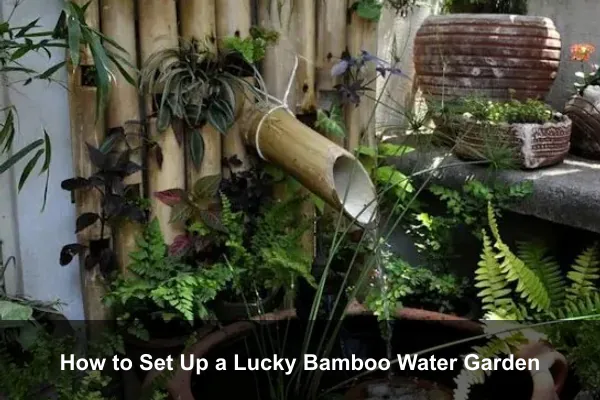
A healthy lucky bamboo water garden starts with a stable container, clean water, and enough support around the stems. The goal is to keep the roots covered while allowing the stems to remain upright and the water to stay fresh.
- Choose a glass, ceramic, or waterproof container that is heavy enough not to tip over easily.
- Rinse pebbles, stones, or glass beads before placing them around the stems.
- Add water until the roots are covered, but avoid submerging too much of the stalk.
- Place the arrangement in bright indirect light, not harsh direct sun.
- Refresh the water regularly so roots stay clean and oxygenated.
Best Water for Lucky Bamboo
Lucky bamboo can be sensitive to chemicals in tap water, especially fluoride or high chlorine levels in some areas. If leaf tips turn brown even when light and watering are appropriate, try filtered water, rainwater, or tap water left out overnight. The container should be cleaned when water becomes cloudy or develops a film.
Light and Temperature Needs
Bright, indirect light is ideal. Direct afternoon sun can scorch leaves, while very dim corners may cause weak growth and fading color. Normal indoor temperatures are usually suitable, but the plant should be kept away from cold drafts, heating vents, and air-conditioning blasts.
Care Routine for Long-Lasting Growth
Lucky bamboo care is simple, but it is not maintenance-free. The plant performs best when small tasks are done consistently instead of waiting for yellowing leaves, slimy roots, or unpleasant water smells.
Weekly Checks
- Check that roots are covered with water.
- Look for yellowing leaves, soft stalks, or brown tips.
- Remove fallen leaves from the container before they decay.
- Rotate the container slightly so growth stays balanced.
Monthly Maintenance
Once or twice a month, rinse the container and stones with clean water. Avoid strong soaps or scented cleaners that may leave residue. If using fertilizer, apply a very diluted liquid houseplant fertilizer only occasionally. Too much fertilizer is a common reason for yellow leaves and weak roots.
Common Problems and Easy Fixes
Most lucky bamboo problems are linked to water quality, light, temperature, or old plant material in the container. Reading these signs early helps you correct the environment before the whole arrangement declines.
- Yellow leaves: Usually caused by too much direct sun, poor water quality, or excess fertilizer.
- Brown leaf tips: Often linked to dry air, mineral-heavy water, or inconsistent care.
- Cloudy water: Refresh the water, rinse the container, and remove decaying leaves.
- Soft yellow stalk: This can indicate rot. Remove the damaged stalk to protect nearby healthy stems.
- Leaning stems: Add clean stones for support and rotate the plant toward even light.
When to Propagate
If the top growth is healthy but the lower stem is declining, you may be able to take a cutting above a node and root it in clean water. Use clean scissors, remove lower leaves from the cutting, and keep the new piece in bright indirect light while roots develop.
Safe Placement in Family Homes
Lucky bamboo is decorative, not edible. Like many Dracaena plants, it may be irritating or toxic if chewed by cats, dogs, or small children. For homes with curious pets or toddlers, place the plant on a stable high shelf, enclosed plant stand, or counter area that cannot be easily reached.
Because it is often grown in water, container safety also matters. Choose a heavy vessel if the plant sits in a busy room, and avoid loose glass beads in areas where children may handle them. A simple ceramic pot with smooth stones is usually safer than a tall narrow vase in high-traffic spaces.
Styling Ideas That Keep the Plant Healthy
Good styling should support plant health instead of only focusing on appearance. Lucky bamboo looks best when the container suits the room and the location gives the plant the light it needs.
Room-by-Room Ideas
- Kitchen: Place it near bright indirect light, away from heat and cooking oil splatter.
- Home office: Use a compact glass container to add greenery without taking over desk space.
- Entryway: Choose a stable vessel and avoid dark corners with no natural light.
- Bathroom: Use it only if the room has a window or reliable bright reflected light.
- Living room: Pair it with natural stones or a plain ceramic vessel for a clean, calm look.
For a more natural indoor water garden, combine several lucky bamboo stems of different heights in one wide container. Keep enough space between stems for water movement and easy cleaning. This makes the arrangement look intentional while still staying practical.
Conclusion
Lucky bamboo is a useful indoor plant for people who want greenery that is compact, attractive, and easy to observe. Its benefits include low-mess decor, beginner-friendly care, gentle routine-building, and flexible styling for small homes and family spaces.
The most important lucky bamboo plant benefits and information come down to simple choices: use clean water, provide bright indirect light, keep the container fresh, and place the plant safely. With those basics in place, lucky bamboo can become a long-lasting indoor water garden that brings quiet plant value into everyday life.
