
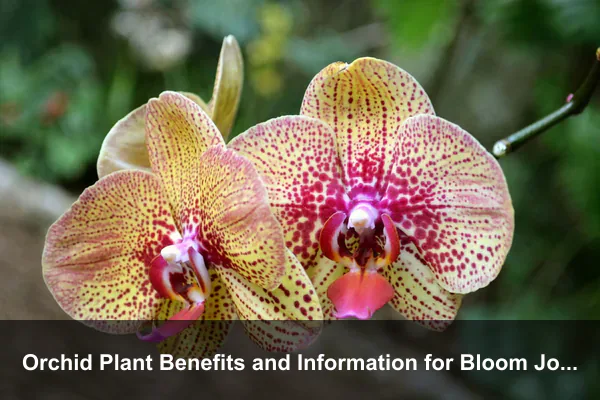
Orchids are often treated as special-occasion flowers, but they can be much more useful than a temporary decoration. When grown as indoor plants, orchids offer long-lasting color, compact beauty, and a gentle way to practice closer observation at home. This guide explores orchid plant benefits and information from a fresh angle: using orchids as windowsill plants that support daily routines, bloom journaling, and calmer indoor spaces.
Unlike many houseplants grown mainly for foliage, orchids change slowly and visibly. A new root tip, swelling bud, firm leaf, or fading flower tells you something about light, watering, temperature, and timing. That makes orchids valuable not only as ornamental plants, but also as living records of your indoor environment. With a simple journal and a few practical habits, even beginners can enjoy orchids without treating them as fragile or mysterious.
Why Orchids Are Worth Growing Beyond Their Flowers
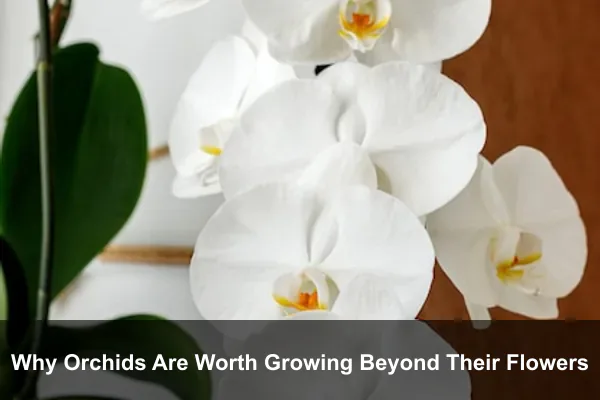
The most obvious orchid benefit is beauty. A healthy orchid can flower for weeks or even months, giving a room the look of fresh flowers without needing frequent replacement. For people who want indoor color but dislike messy petals, strong fragrance, or high-maintenance floral arrangements, orchids offer a clean and space-saving option.
However, the deeper value of orchids comes from how they invite attention. Their growth is slow enough to notice, but active enough to reward regular checking. This makes them especially useful for people building a plant-care habit, teaching children about plant life, or creating a quieter corner in a work-from-home space.
Practical Benefits of Keeping Orchids Indoors
- Long bloom display: Many common moth orchids can hold flowers for several weeks when conditions are steady.
- Small-space value: One plant can add height, color, and elegance to a windowsill, shelf, or desk.
- Low soil mess: Many orchids grow in bark-based media rather than heavy potting soil.
- Observation practice: Leaves, roots, buds, and flower spikes provide clear signals about plant health.
- Decor flexibility: Orchids suit modern, traditional, minimalist, and natural home styles.
From a plant-benefits perspective, orchids are best understood as ornamental, emotional, and educational plants. They are not grown for everyday food or herbal use, except for special cases such as vanilla, which comes from a specific orchid genus. For most homes, the benefit is visual comfort, indoor beauty, and the satisfaction of keeping a living flowering plant healthy over time.
Orchids as Windowsill Observation Plants
A windowsill orchid works like a small living calendar. It responds to seasonal light, room temperature, watering rhythm, and the movement of air near the glass. Instead of guessing what the plant wants, you can learn from small changes and record them in a simple bloom journal.
This approach is useful because orchid care often fails when people follow rigid rules. Watering every Saturday may be too much in a cool month and too little during warm weather. A journal helps you care based on real plant signals rather than habit alone.
What to Track in an Orchid Journal
- Watering date: Note when you watered and whether the potting mix was dry, damp, or still wet.
- Light position: Record which window the orchid uses and whether the light is direct, filtered, or shaded.
- Leaf condition: Look for firmness, color changes, wrinkles, or sun marks.
- Root appearance: Healthy exposed roots are often firm and pale green, silvery, or green after watering.
- Bloom stage: Track spike growth, bud development, open flowers, and natural fading.
You do not need a complicated system. A few notes once or twice a week are enough. Over time, patterns become clear. You may notice that buds last longer away from hot afternoon glass, or that the plant dries faster when a fan runs nearby. These details turn orchid care into a practical skill rather than a guessing game.
Everyday Wellness Benefits of Orchid Care
Orchids should not be described as medical treatments, but they can support a more pleasant daily environment. Their benefits are gentle and realistic: visual calm, routine, focus, and a stronger connection to living things indoors.
A Calmer Visual Anchor
A blooming orchid creates a natural focal point without overwhelming a room. The upright flower spike, simple leaves, and clean container can make a desk, bedside table, or reading corner feel more settled. This is especially helpful in spaces filled with screens, cables, and hard surfaces.
The act of checking an orchid can also become a short pause in the day. Instead of scrolling during a break, you might inspect a new bud or adjust the plant slightly away from harsh sun. Small routines like this can make indoor living feel less mechanical.
Support for Better Plant-Care Habits
Many people overwater houseplants because they want to do something helpful. Orchids teach patience. Because their roots need both moisture and air, they encourage careful checking before watering. This habit can improve how you care for other indoor plants as well.
Orchid journaling also builds confidence. When you can connect yellowing leaves, bud drop, or slow growth to specific conditions, care becomes less stressful. You begin to respond to evidence instead of reacting to every small change with panic.
Essential Orchid Information for Beginners
The orchid family is one of the largest groups of flowering plants in the world, but beginners do not need to learn every species. Most indoor growers start with Phalaenopsis, often called moth orchids. They are popular because they adapt well to indoor temperatures, bloom beautifully, and are widely available.
How Common Indoor Orchids Grow
Many popular orchids are epiphytes in nature, meaning they grow attached to trees rather than buried in garden soil. This does not mean they are parasites. They use trees for support while receiving moisture, air, and nutrients from their surroundings. At home, this explains why many orchids are planted in bark, coconut husk, or other airy media.
This growth habit is important because it changes how you think about care. Orchid roots usually dislike sitting in soggy, compacted material. They need water, but they also need oxygen. A clear pot or slotted container can help beginners see whether the roots and potting mix are drying properly.
What Orchids Need Most
- Bright filtered light: A bright window with indirect light is usually better than harsh direct sun.
- Careful watering: Water thoroughly, then allow the potting medium to approach dryness before watering again.
- Good drainage: Avoid decorative pots that trap water around the roots.
- Stable temperatures: Most common indoor orchids prefer comfortable household conditions.
- Gentle feeding: Use a suitable orchid fertilizer lightly during active growth, following label directions.
The best orchid care is steady rather than dramatic. Sudden moves, excessive fertilizer, cold drafts, and constant wetness are more likely to cause trouble than ordinary household conditions.
A Bloom Journal Care Routine
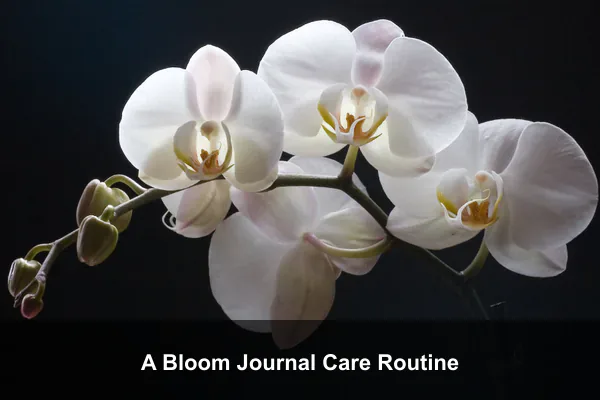
A bloom journal turns orchid care into a simple weekly rhythm. The goal is not to create perfect records, but to notice what changes before problems become serious. This method is especially helpful for people who have lost orchids before and want a calmer way to learn.
Weekly Orchid Check
Choose one day each week for a full check. Lift the pot to feel its weight, look at the roots, inspect both sides of the leaves, and note whether any buds or flowers have changed. If the plant is still damp, wait before watering. If the medium is dry and the roots look ready, water thoroughly and let excess water drain away.
Monthly Bloom Notes
Once a month, record larger changes. Did a new leaf appear? Is a flower spike forming? Are roots growing over the pot edge? Has the plant leaned toward the window? These notes help you understand whether your orchid is simply resting or struggling.
After-Bloom Review
When flowers fade, do not assume the orchid is finished. Blooming takes energy, and many orchids need a recovery period before producing new leaves, roots, or another spike. Use this stage to review your notes. If the plant stayed firm and healthy through flowering, your basic care is probably working.
After bloom, trim only dry, brown flower spikes with clean tools. If a spike remains green, some growers leave it for possible side branching, while others cut it back to redirect energy into roots and leaves. Either approach can be reasonable, but the plant should guide the decision.
Choosing the Right Orchid for Your Home
The best orchid is not always the rarest or most expensive one. For everyday indoor growing, choose a plant that fits your light, space, and willingness to observe. A healthy common orchid is usually more rewarding than a delicate collector plant placed in the wrong room.
Beginner-Friendly Orchid Types
- Phalaenopsis: Best for most beginners, with long-lasting flowers and moderate indoor needs.
- Dendrobium: Often upright and elegant, but care varies by type, so read the label carefully.
- Oncidium: Known for branching sprays of smaller flowers; usually appreciates bright filtered light.
- Paphiopedilum: Valued for unique pouch-shaped blooms and often suitable for lower-light indoor spots.
When shopping, inspect the plant before buying. Choose firm leaves, stable stems, and roots that look plump rather than mushy or hollow. A plant with a few unopened buds can provide a longer display at home than one that is already fully open.
Best Places to Display Orchids
East-facing windows are often excellent because they provide gentle morning light. South or west windows may work if light is filtered by a sheer curtain or the plant is set back from direct afternoon sun. North windows can be too dim in some homes, though they may suit certain orchids if the room is bright overall.
Avoid placing orchids directly beside heating vents, air conditioners, fruit bowls, or frequently opened exterior doors. Ripening fruit can release ethylene gas, which may shorten flower life, while drafts and heat blasts can stress buds.
Safety and Sustainability Notes
Orchids are usually grown for beauty, not consumption. Do not eat ornamental orchid flowers or leaves unless a plant is specifically sold and verified for culinary use. Keep fertilizers, pesticides, and treated potting materials away from children and pets.
Pet and Family Awareness
Many common orchids are considered a safer indoor plant choice compared with some toxic houseplants, but chewing any plant can still upset pets. Place orchids where they will not be knocked over, chewed, or soaked by curious hands during unsupervised watering.
Low-Waste Orchid Habits
Orchids can be a lower-waste alternative to repeated cut flower purchases when cared for long term. To make them more sustainable, keep the original nursery pot if it works, reuse decorative cachepots, and refresh potting media only when needed. Avoid buying plants with excessive plastic wrapping or dyed flowers if your goal is natural, long-lasting beauty.
Another sustainable habit is rescuing discounted orchids after bloom. Many stores reduce prices when flowers fade, even if the plant is still healthy. With patience, these orchids can become excellent journal plants because you get to observe the full cycle from rest to growth to rebloom.
Common Orchid Problems and What They Mean
Orchid problems are easier to solve when you treat them as signals. The plant is rarely failing without reason. Most issues connect to light, water, temperature, or handling.
Yellow Leaves
One older yellowing leaf can be normal, especially after flowering. Several yellow leaves at once may suggest overwatering, root stress, cold exposure, or too much direct sun. Check the roots and review recent care notes before changing everything.
Bud Drop
Buds that shrivel or fall before opening often point to sudden stress. Common causes include moving the plant from store to home, temperature swings, dry air near vents, or inconsistent watering. Keep conditions steady and avoid rotating the plant too often while buds are forming.
No Rebloom
An orchid that grows leaves and roots but does not bloom may need brighter filtered light or a slight seasonal temperature difference. Do not force the issue with heavy fertilizer. Healthy vegetative growth is a good sign, and bloom cycles can take time.
Wrinkled Leaves
Wrinkled leaves can mean underwatering, but they can also happen when roots are damaged and cannot absorb water. Always inspect roots before adding more water. If roots are mushy, the answer is better drainage and recovery, not constant soaking.
Conclusion
Orchids are more than elegant flowers. When viewed through the lens of orchid plant benefits and information, they become compact indoor companions that offer long-lasting beauty, observation practice, and a calmer plant-care routine. Their slow changes encourage patience, while their blooms reward steady attention.
For the most satisfying experience, grow orchids as living records of your home environment. Give them bright filtered light, careful watering, good drainage, and a simple bloom journal. With those habits, an orchid can become a lasting part of your windowsill rather than a short-lived decoration.
