
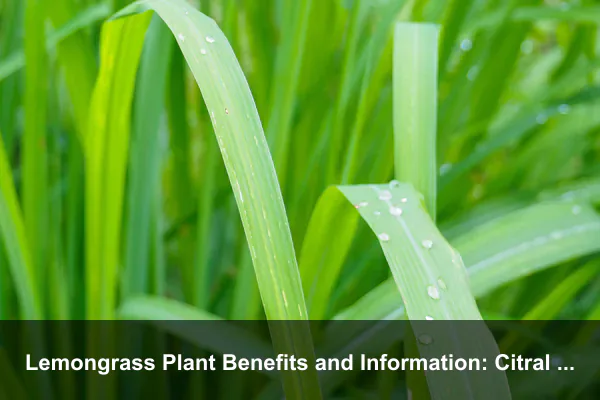
Lemongrass is more than a lemon-scented cooking herb. It is a tough tropical grass, a fragrant patio plant, a useful border, and a practical choice for gardeners who want beauty, aroma, and everyday value from one clump. This guide explores Lemongrass plant benefits and information from a fresh angle: how its citral-rich aroma works, what it can and cannot do for mosquitoes, and how to use the whole plant with less waste.
Many people grow lemongrass because they have heard it is good for tea, soups, or natural pest control. Those uses are real in context, but the best results come from understanding the plant itself. Lemongrass rewards warm sun, steady moisture, clean harvesting, and realistic expectations. When grown well, it becomes a productive herbal plant that fits kitchens, balconies, patios, and edible landscapes.
What Makes Lemongrass Different From a Typical Herb?
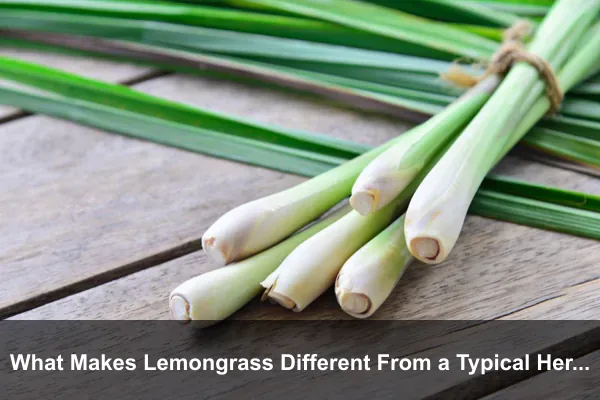
Lemongrass, commonly associated with Cymbopogon citratus, belongs to the grass family rather than the mint or basil family. That difference matters. Instead of soft branching stems, it grows from a dense base of narrow leaves and cane-like lower stalks. A healthy plant forms a fountain-shaped clump that can look ornamental even when it is being grown for food.
University extension profiles describe lemongrass as a lemon-scented culinary grass that can be grown in containers where winters are cold. The North Carolina Extension Gardener Plant Toolbox notes its strongly scented leaves and culinary use, while Illinois Extension recommends full sun, moist soil, and containers with drainage for potted plants.
Aromatic Leaves and Tender Bases
The leaves are long, fibrous, and sharp-edged, so they are usually used for infusions, broths, or bundled flavoring rather than eaten whole. The pale lower stem is the most valued kitchen part because it is tender enough to bruise, slice, and simmer. This split personality makes lemongrass useful in two ways: the leaves bring fragrance, while the base brings deeper flavor.
Clump Growth With Design Value
Unlike many kitchen herbs that stay small, lemongrass can create structure. In warm climates it may become a bold landscape grass. In cooler regions, a large pot can still give height, movement, and scent near a sunny door or outdoor dining area. This is one reason lemongrass works well in edible landscaping: it does not look like a temporary crop.
Key Lemongrass Plant Benefits for Home and Garden
The most useful lemongrass plant benefits are practical rather than magical. It supports cooking, scent, garden structure, and low-waste routines. For people interested in plant benefits, or manfaat tanaman, lemongrass is valuable because one plant can serve several daily purposes without needing complicated care.
- Culinary value: The lower stalks add citrusy depth to soups, curries, marinades, rice, and herbal drinks.
- Aromatic comfort: Crushed leaves release a clean lemon scent that freshens patios, garden paths, and kitchen prep areas.
- Container usefulness: It grows well in large pots, making it suitable for balconies and rented homes.
- Landscape structure: Its upright, arching leaves can soften edges, fill sunny corners, and create informal borders.
- Low-waste potential: Stalks, leaves, trimmings, and divisions can all be used when handled thoughtfully.
Benefits for Small Outdoor Spaces
For a small patio, one pot of lemongrass can do the work of several plants. It adds height without needing a trellis, movement without large flowers, and fragrance without heavy perfume. Place it where leaves can be brushed gently, such as near a walkway, but avoid crowding narrow paths because mature leaves can have rough edges.
Benefits for Edible Landscaping
In warm gardens, lemongrass can be planted as a sunny border around vegetable beds or near outdoor kitchens. It pairs well with herbs that like similar warmth, such as basil, chili, turmeric, ginger, and Thai basil. Its grassy form also creates contrast against broad leaves and flowering plants.
Citral Aroma and Mosquito Myths
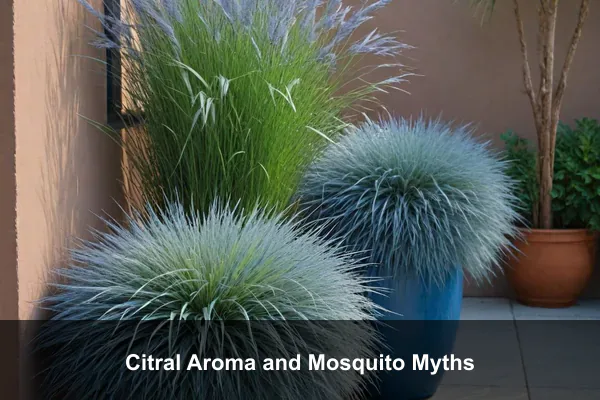
One of the most searched parts of Lemongrass plant benefits and information is mosquito control. The answer needs nuance. Lemongrass contains aromatic compounds, especially citral, that help create its lemony smell. Related Cymbopogon species are also used in citronella products. However, simply placing a lemongrass plant on a patio is not the same as applying a tested repellent product.
A review on mosquito repellents available through PubMed Central explains that many plant-derived repellents are volatile, meaning their protection time can be short. This supports a practical rule: lemongrass may contribute pleasant scent and a pest-aware garden atmosphere, but it should not replace screens, protective clothing, or registered repellents in areas where mosquito-borne disease is a concern.
Why the Living Plant Is Different From Oil
The living plant releases scent most strongly when leaves are cut, crushed, or brushed. Essential oil is concentrated and behaves differently from a fresh plant. That is why a border of lemongrass may smell refreshing, but it will not create an invisible shield around the whole yard.
Smarter Mosquito-Aware Placement
Use lemongrass as one part of a clean patio strategy. Keep pots away from standing water, empty saucers after watering, trim old leaves, and improve airflow around seating areas. These habits usually matter more than relying on scent alone.
How to Grow Lemongrass as a Productive Clump
Lemongrass is beginner-friendly when its tropical needs are respected. It likes warmth, sun, and consistent moisture, but it dislikes soggy roots. Think of it as a fast-growing grass with culinary value rather than a delicate houseplant.
Light, Soil, and Water
Give lemongrass at least six hours of direct sun for strong growth and better aroma. Use loose, well-draining soil enriched with compost. Water when the top layer begins to dry, especially in containers, but do not let the pot sit in stagnant water. A large pot with drainage holes is better than a decorative container that traps moisture.
Container Size and Overwintering
Choose a deep, wide pot because lemongrass expands from the base. In cold climates, grow it outdoors during warm months and move it inside before frost. Indoors, place it in the brightest window available, reduce feeding, and keep the soil lightly moist. Growth may slow in winter, but a healthy crown can return strongly when warmth increases.
Harvesting Lemongrass With Less Waste
A low-waste approach makes lemongrass more rewarding. Instead of cutting randomly, harvest mature outer stalks close to the base and leave younger shoots to keep growing. This keeps the clump productive and reduces the chance of weakening the plant.
- Select stalks that are at least pencil-thick at the base.
- Hold the stalk low and cut with a clean knife or pruners.
- Peel away dry outer layers before cooking.
- Save fibrous leaves for tea, broth, steaming, or compost.
- Divide crowded clumps and replant healthy sections.
Using Leaves, Stalks, and Trimmings
The tender lower stalk can be chopped, pounded, or simmered. Tough leaves can be tied into a bundle for soups and removed before serving. Dry trimmings can be composted, while fresh aromatic leaves can be used in foot soaks or cleaning rinses for fragrance, as long as they do not contact sensitive skin in concentrated form.
Storage Tips
Fresh stalks keep well in the refrigerator for several days when wrapped loosely. For longer storage, slice the tender bases and freeze them. Leaves can be dried in a shaded, airy place for tea, but discard any material that smells musty or shows mold.
Safe Herbal Use and Sensible Wellness Boundaries
Lemongrass is widely used as food and tea, but safe use still matters. Culinary amounts are different from concentrated essential oil, supplements, or heavy daily intake. Memorial Sloan Kettering Cancer Center cautions that high doses of lemongrass essential oil may cause harm, excessive tea intake may affect kidney function, and pregnancy requires extra caution.
Culinary Use Is the Safest Starting Point
For most healthy adults, using lemongrass as a flavoring in food is the most sensible approach. Tea should be moderate, not treated as medicine. Anyone who is pregnant, nursing, managing kidney or liver concerns, taking regular medication, or preparing lemongrass for children should ask a qualified health professional before using it beyond normal food amounts.
Essential Oil Needs Extra Care
Do not drink lemongrass essential oil. Do not apply it undiluted to skin. Essential oils are concentrated products and can irritate skin or trigger reactions in sensitive people. Pet owners should also be cautious with oils and strong infusions, especially around cats and dogs.
Common Problems and Quick Fixes
Most lemongrass problems come from light, temperature, watering, or overcrowding. The plant is resilient, so correcting the growing condition often improves it quickly.
- Yellow leaves: Check for overwatering, poor drainage, cold stress, or low nitrogen.
- Brown leaf tips: Increase consistent moisture, but keep drainage open.
- Weak aroma: Move the plant into stronger sun and harvest mature stalks.
- Thin growth: Feed lightly during active growth and avoid tiny pots.
- Crowded crown: Divide the clump and replant vigorous sections.
When to Replace a Plant
If the base becomes mushy, smells rotten, or collapses after sitting in wet soil, it may be easier to restart from a healthy division or rooted grocery stalk. Healthy lemongrass should feel firm at the base and produce upright new shoots.
Conclusion
Lemongrass is a useful herbal grass for people who want fragrance, food value, and garden structure from one plant. The best Lemongrass plant benefits and information come from using it realistically: enjoy the citral-rich aroma, harvest the stalks and leaves wisely, grow it in sun and drainage, and treat wellness claims with care.
It is not a complete mosquito solution, a medical treatment, or a set-and-forget plant. It is better than that: a versatile, low-waste, aromatic clump that can make a patio, kitchen, or edible garden more practical and more enjoyable when grown with clear expectations.
