

Snake plant is one of the most practical houseplants for modern indoor living because it offers more than a sculptural look. Its upright leaves, slow growth, and tolerance for missed watering make it useful for bedrooms, apartments, offices, rented rooms, and homes where people want greenery without building their whole schedule around plant care.
This Snake Plant plant benefits and information guide takes a distinct angle: how the plant supports low-water living, calm interior styling, better daily routines, and small-space comfort. Instead of treating snake plant as a miracle plant, it is more helpful to understand its realistic strengths, its limits, and the best ways to use it well in an indoor environment.
Why Snake Plant Fits Modern Indoor Life
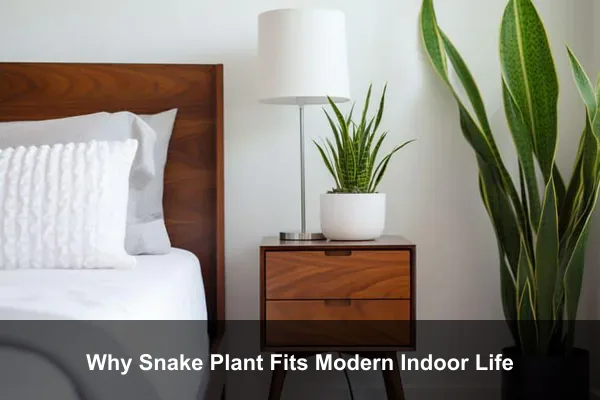
Snake plant, commonly linked with the old botanical name Sansevieria and now classified in the Dracaena group, is valued for tough, sword-like leaves that grow vertically rather than spreading widely. This structure is one reason it works so well in compact rooms. It adds height and texture without taking over tables, shelves, or walkways.
In the broader world of plant benefits, or manfaat tanaman, snake plant stands out because its value is not limited to decoration. It supports a more natural atmosphere, asks for little water, handles inconsistent attention, and creates a clean visual line that suits both minimalist and warm home interiors.
A Plant Built for Limited Space
Many houseplants need room to trail, climb, or spread. Snake plant grows mostly upward, so it can fit into narrow corners, beside furniture, near a desk, or beside a bed. This makes it useful for people who want the presence of indoor plants without sacrificing usable space.
A Strong Choice for Beginners
Snake plant is beginner-friendly because it forgives common mistakes better than many tropical foliage plants. It does not need daily misting, constant pruning, or a complicated watering calendar. For new plant owners, this lowers frustration and makes it easier to build confidence.
Real Benefits of Snake Plant in Bedrooms and Small Homes
The most useful snake plant benefits are practical and everyday. It can make a room feel more finished, bring a natural element into a space dominated by screens and hard surfaces, and help people create a calmer corner for sleeping, reading, or working.
- Low maintenance: It can handle dry periods and does not demand frequent watering.
- Space efficiency: Its vertical form fits rooms with limited floor or shelf space.
- Visual calm: Upright leaves create order and structure without clutter.
- Decor flexibility: It suits bedrooms, workspaces, entryways, and living rooms.
- Long-term value: With suitable light and drainage, it can stay attractive for years.
Bedroom Atmosphere
Snake plant is often recommended for bedrooms because it looks calm, structured, and clean. Its form does not feel busy, and the leaves stay upright rather than drooping over surfaces. This matters in a bedroom because a visually crowded room can feel restless even when it is tidy.
Support for Busy Routines
A plant that survives a forgotten week is valuable for students, parents, office workers, frequent travelers, and anyone who keeps an uneven schedule. Snake plant does not remove the need for care, but it gives more room for normal human inconsistency.
Air Quality Claims: Helpful, but Keep Them Realistic
Snake plant is often discussed in relation to indoor air. It is true that plants can interact with air through natural biological processes, and snake plant is also known for a type of photosynthesis that helps it conserve water. However, a single houseplant should not be treated as a replacement for ventilation, cleaning, or proper indoor air management.
The realistic benefit is more modest and still worthwhile. Snake plant adds living greenery, may contribute slightly to the indoor environment, and can encourage better habits such as opening windows, keeping dust down, and paying attention to the room as a whole.
Nighttime Oxygen and CAM Photosynthesis
Snake plant uses a water-saving process often associated with CAM plants. This means it can open pores at night more than many common houseplants, helping reduce water loss. This feature is interesting, especially for bedrooms, but it should be understood as plant biology rather than a guaranteed health treatment.
Best Practical Approach
Use snake plant as part of a healthier room setup: keep air moving, reduce dust, avoid overwatering, and place the plant where it receives enough light to stay strong. Healthy plants are always better contributors to indoor comfort than stressed plants.
Where to Place Snake Plant for the Best Effect
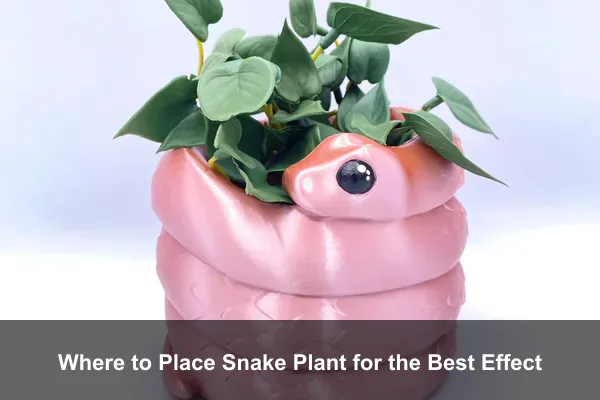
Placement changes how useful a snake plant feels. Because its shape is tall and narrow, it works best where it can create a vertical accent. Avoid hiding it behind furniture or crowding it with too many decorative items.
Bedroom Placement
Place a medium snake plant near a bedside table, dresser, or empty corner that receives indirect light. If the room is very dim, rotate the plant occasionally to a brighter area. A bedroom snake plant should feel quiet and intentional, not like an afterthought squeezed into a dark gap.
Workspace Placement
On a work desk, choose a compact variety or young plant. For a floor-standing office plant, use a heavier pot to prevent tipping. The clean lines of snake plant pair well with laptops, bookshelves, file storage, and neutral work furniture.
Small Apartment Placement
In an apartment, snake plant can define zones. A tall plant near a sofa edge, reading chair, or entry area can make a small room feel more organized. Because it grows vertically, it gives the impression of greenery without blocking movement.
Low-Water Care Without Guesswork
One of the biggest snake plant advantages is its low water need. The thick leaves and underground rhizomes store moisture, so the plant is far more likely to suffer from too much water than too little. This is the key care principle every owner should remember.
- Check the soil first: Water only when the soil is dry several inches down.
- Use drainage: A pot with drainage holes helps prevent root rot.
- Water deeply but rarely: When watering, moisten the soil and let excess water drain away.
- Reduce winter watering: Growth slows in cooler or darker months.
- Watch the leaves: Soft, mushy leaves often suggest overwatering.
Light Needs Made Simple
Snake plant tolerates low light, but tolerance is not the same as preference. Bright indirect light usually produces stronger growth and better leaf color. In very dark rooms, growth may slow, patterns may fade, and the soil may stay wet longer.
Soil and Pot Choice
A fast-draining mix is ideal. Cactus or succulent-style soil can work well, especially when combined with a pot that allows extra water to escape. Heavy decorative pots are fine if drainage is handled properly.
Choosing the Right Snake Plant Variety
There are several snake plant types, and the best choice depends on room size, style, and where the plant will sit. Choosing carefully helps avoid a plant that becomes too tall, too wide, or visually mismatched for the space.
- Dracaena trifasciata Laurentii: Known for tall green leaves with yellow edges, ideal as a floor plant.
- Moonshine: Pale silvery leaves that suit soft, modern interiors.
- Hahnii: A compact bird nest type for desks, shelves, and small tables.
- Cylindrical snake plant: Round spear-like leaves for a bold architectural look.
- Black Coral: Darker patterned leaves that work well with light walls and simple pots.
Best Variety for Bedrooms
For bedrooms, choose a medium-size plant with a calm leaf pattern. Very dramatic varieties can look beautiful, but softer forms often blend better with bedding, lamps, curtains, and natural textures.
Best Variety for Desks and Shelves
Compact snake plants are better for surfaces. They provide the same strong shape in a smaller scale and are less likely to crowd books, monitors, or daily items.
Styling Snake Plant Without Creating Clutter
Snake plant already has a strong silhouette, so styling should support the plant rather than compete with it. A simple pot, clean placement, and enough negative space around the leaves usually look better than crowded plant displays.
Pot Colors That Work Well
White, charcoal, terracotta, matte green, black, and warm clay pots all pair well with snake plant. Choose based on the room: terracotta feels natural and warm, black feels modern, and white keeps the arrangement light and simple.
Pairing With Other Plants
Snake plant pairs well with softer plants such as pothos, ferns, or peace lily because the contrast in leaf shape creates balance. In a small room, avoid using too many upright plants together, because the display may begin to feel stiff.
Common Problems and What They Mean
Snake plant is tough, but it still sends signals when something is wrong. Reading those signals early helps protect the plant and keeps it looking good.
- Mushy leaves: Usually linked to overwatering or poor drainage.
- Wrinkled leaves: Often a sign the plant has stayed dry for too long.
- Leaning growth: May happen when light comes strongly from one side.
- Brown tips: Can come from inconsistent watering, salt buildup, or physical damage.
- Faded color: Often appears when the plant is kept in very low light for too long.
When to Repot
Repot when the plant is extremely crowded, roots push hard against the pot, or water runs through without soaking the soil. Snake plants like being slightly snug, so repotting too often is unnecessary.
Safety and Responsible Use at Home
Snake plant is decorative, not edible. It can be mildly toxic if chewed by pets or children, so place it out of reach in households where curious chewing is likely. This does not mean the plant is unsafe for every home, but it does mean placement should be thoughtful.
Responsible plant ownership is part of getting the full benefit. A beautiful plant that causes worry because it sits within reach of a pet is not improving the room. Use a raised stand, shelf, or closed bedroom if needed.
Buying Checklist for a Healthy Snake Plant
Before buying, inspect the plant closely. A healthy snake plant should have firm leaves, stable growth, and no sour smell from the soil. Avoid plants sitting in wet, heavy soil with yellowing or mushy leaves.
- Choose firm leaves with clear color and no soft patches.
- Check the base of the plant for rot or collapse.
- Look under leaves and near soil for pests.
- Pick a size that fits the intended location.
- Buy a pot with drainage, or plan to repot into one.
Conclusion
Snake plant earns its popularity because it solves real problems for indoor plant lovers. It is attractive, architectural, forgiving, space-efficient, and suited to people who want natural beauty without demanding care routines. Its benefits are strongest when viewed realistically: it can improve the feeling of a room, support calmer decor, fit small homes, and make plant ownership easier.
For anyone searching for Snake Plant plant benefits and information, the best takeaway is simple. Choose the right size, give it bright indirect light when possible, water only after the soil dries, and place it where its clean vertical form can be appreciated. With that approach, snake plant becomes more than a trend. It becomes a dependable part of a healthier, calmer indoor space.
