
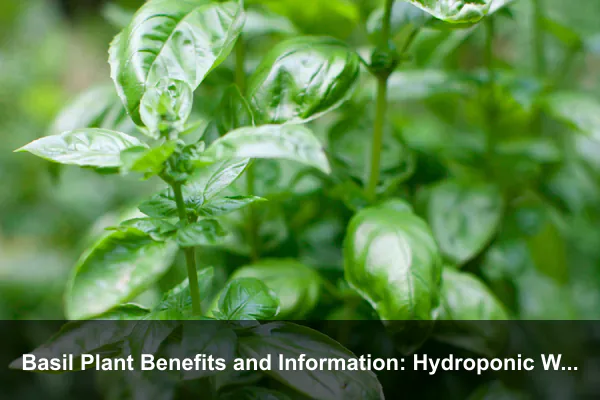
Basil plant benefits and information are often discussed through garden beds, pesto recipes, or traditional herbal uses, but basil also deserves attention as one of the most practical herbs for a simple water-based windowsill system. Its soft stems, fast growth, fragrant leaves, and compact habit make it especially useful for people who want fresh herbs close to the kitchen without managing a full outdoor garden.
This guide takes a focused, modern angle: how basil can become a productive, attractive, and educational hydroponic or semi-hydroponic herb at home. You will learn what basil is, why it is valuable, how its roots behave in water, how to harvest it for strong regrowth, and how to use it safely as a daily culinary plant. The goal is not to treat basil as a miracle cure, but to show its realistic value as an edible plant that supports better flavor, greener routines, and a closer connection to fresh ingredients.
What Makes Basil a High-Value Herbal Plant
Basil, most commonly sweet basil or Ocimum basilicum, is a tender annual herb in the mint family. It is grown for its aromatic leaves, which contain natural fragrant compounds responsible for the familiar sweet, peppery, clove-like, citrusy, or anise-like notes found in different basil types. In practical terms, basil is valuable because a small plant can influence many meals. A few fresh leaves can change the aroma of soup, rice, noodles, eggs, salads, roasted vegetables, sauces, and drinks.
From a plant-benefits perspective, basil is useful because it offers several layers of value at once. It is edible, fragrant, fast-growing, visually appealing, and easy to observe. Unlike many ornamental plants that are mainly enjoyed for appearance, basil rewards care with a direct harvest. This makes it a strong choice for beginners, apartment dwellers, home cooks, students, and anyone who wants a small plant with daily usefulness.
Botanical Identity and Growth Habit
Basil grows with opposite leaves, square stems, and branching nodes. Those nodes are important because they explain why pinching and harvesting can make the plant fuller. When the top is removed above a healthy pair of leaves, basil often redirects energy into side shoots. This is why a frequently harvested basil plant can become bushier than a plant that is left to grow tall and thin.
Most culinary basil prefers warmth, bright light, and steady moisture. It dislikes cold drafts and waterlogged, airless roots. In soil, that means drainage matters. In water-based systems, it means oxygen, cleanliness, and nutrient balance matter. Understanding that difference is the key to growing basil successfully indoors.
Why the Hydroponic Angle Matters
Hydroponic basil is not only a trend. It is a practical response to small homes, limited outdoor space, unpredictable weather, and the desire for clean, accessible fresh herbs. A jar, net cup, small countertop unit, or passive hydroponic container can keep basil near the place where it is actually used: the kitchen. This setup can reduce forgotten herbs in the refrigerator and make harvesting more intentional.
Why Basil Works So Well in a Water-Based Windowsill System
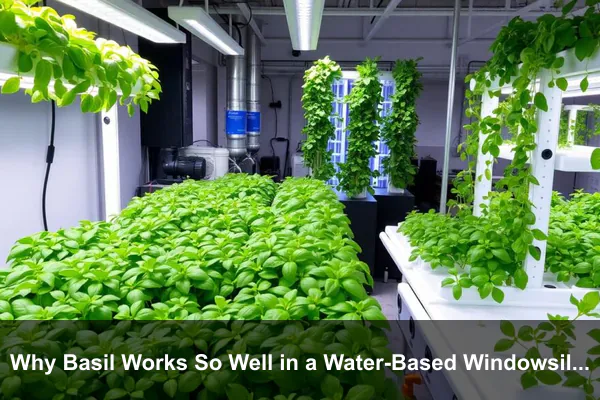
Basil adapts well to water-based growing because it roots readily from cuttings and responds quickly to stable moisture. A healthy cutting placed in clean water can form roots from the stem nodes. Once roots develop, the plant can continue growing if it receives light, oxygen, and a suitable nutrient source. Plain water may support rooting for a short time, but long-term basil growth usually needs diluted hydroponic nutrients because water alone does not provide all essential minerals.
A windowsill system can be passive or active. Passive systems use a container, water, nutrients, and sometimes an inert support such as clay pebbles. Active systems may use pumps, aeration, or built-in lights. Both can work if the plant gets enough brightness and the root area stays clean. The most common mistake is assuming that basil can live forever in a glass of plain water. It may survive for a while, but pale leaves, weak stems, and slow growth usually appear when nutrients are missing.
Root Oxygen Is Just as Important as Water
Roots need moisture, but they also need oxygen. In a stagnant jar with no air gap and no water changes, basil roots can turn brown, slimy, or sour-smelling. A simple way to reduce this risk is to leave part of the root zone exposed to humid air above the waterline, refresh the solution regularly, and avoid packing the container too tightly. If using a countertop hydroponic unit, the system may provide circulation or aeration automatically.
Light Controls Flavor and Strength
Basil needs strong light to produce sturdy growth and rich aroma. A bright window can work if it receives several hours of direct or very bright indirect light, especially in a warm climate. In dim rooms, basil often becomes leggy, with long stems and smaller leaves. A small grow light can make the plant more reliable, especially for kitchens, apartments, rainy seasons, or north-facing windows. Good light does not only make basil look better; it also supports the plant’s energy production and leaf quality.
Practical Benefits of Growing Basil Where You Cook
The main benefit of indoor basil is immediacy. When the plant is within arm’s reach, you are more likely to use fresh leaves at the right moment. Basil’s aroma is strongest when leaves are freshly picked and gently torn or sliced. Dried basil has its place, but it cannot fully match the green, lively scent of fresh leaves added near the end of cooking.
Keeping basil near the kitchen also changes cooking behavior. Instead of relying only on salt, packaged sauces, or heavy seasonings, you can add fragrance with fresh herbs. Basil pairs well with tomato, garlic, olive oil, lemon, chili, coconut milk, tofu, chicken, fish, beans, eggplant, cucumber, and fruit. This makes it useful across Mediterranean, Southeast Asian, and everyday home cooking.
Flavor Benefits Without Overcomplication
Fresh basil helps food taste more complete because it adds aroma before you even take a bite. The leaves are delicate, so they are usually best added at the end of cooking or used raw. Heat can flatten the fragrance if basil is simmered too long. For warm dishes, stir in chopped basil after turning off the heat. For cold dishes, add it just before serving so the leaves stay bright and aromatic.
Everyday Uses for a Small Harvest
You do not need a large plant to benefit from basil. A few leaves can be enough for daily cooking. Small harvests are often better for the plant because they encourage branching without removing too much leaf area at once.
- Breakfast: Add torn basil to eggs, toast, savory oatmeal, or tomato slices.
- Lunch: Mix fresh leaves into salads, grain bowls, sandwiches, or noodle dishes.
- Dinner: Finish soups, stir-fries, pasta, curries, or roasted vegetables with basil.
- Drinks: Gently muddle a leaf with lemon, cucumber, or fruit for a fresh herbal note.
- Sauces: Blend basil with oil, nuts, seeds, garlic, or citrus for quick green condiments.
Building a Practical Basil Station at Home
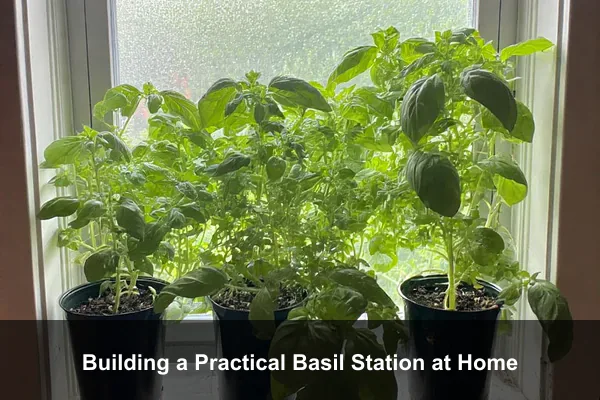
A basil station does not need to be complicated. The best setup is the one you can maintain consistently. For many homes, that means a bright windowsill, a stable container, clean water, and a simple nutrient routine. The container should support the stem so leaves stay above the water and roots have room below. Clear jars look attractive, but they allow light to reach the water, which can encourage algae. If algae becomes a problem, use an opaque container or cover the jar sides while still checking root health regularly.
Basic Materials
You can start from a rooted cutting, a young nursery plant washed gently out of soil, or a hydroponic basil seedling. Cuttings are often the simplest entry point because basil roots easily from soft stems. Choose a healthy stem that is not flowering, remove the lower leaves, and place the lower nodes in water. Once roots form, move it into a container with diluted hydroponic nutrients.
- A clean jar, cup, mason jar, small bucket, or hydroponic container.
- A net cup, collar, or improvised support that keeps the stem upright.
- Clean water and a beginner-friendly hydroponic nutrient made for leafy greens or herbs.
- Bright natural light or a small full-spectrum grow light.
- Clean scissors for harvesting and removing damaged leaves.
Simple Setup Steps
- Choose a healthy basil cutting with several leaf pairs and no signs of rot or pests.
- Remove leaves from the lower part of the stem so no leaves sit underwater.
- Place the stem in clean water until roots are visible and a few centimeters long.
- Transfer the rooted cutting into a container with diluted nutrient solution.
- Keep the crown of the plant dry and give the roots space, oxygen, and regular solution changes.
- Place the plant in bright light and rotate it if it leans toward the window.
- Begin light harvesting once the plant has several strong sets of leaves.
Airflow, Temperature, and Placement
Basil likes warmth, but it should not be trapped in stale, humid air. Gentle airflow helps reduce fungal problems and strengthens stems. Avoid placing basil directly beside a hot stove, cold air conditioner, or drafty window at night. A kitchen can be a good location if it is bright and stable, but a living room windowsill with better light may be more productive. The best location is the one that gives the plant strong light while still keeping it close enough to harvest.
Harvesting Basil for Aroma, Texture, and Regrowth
Harvesting is not just about taking leaves. With basil, harvesting is also a training method. If you remove single large leaves from the lower stem every time, the plant may become tall and sparse. If you pinch just above a leaf pair, the plant is more likely to branch. This is one of the most useful pieces of basil plant information for anyone who wants a long-lasting indoor herb.
The Cut-and-Come-Again Method
Wait until the basil plant has enough growth to recover before taking your first serious harvest. Then cut the stem above a node, leaving at least a few strong leaf pairs below. New shoots can emerge from that node and create a fuller plant. Harvesting this way gives you tender stem tips, not only individual leaves, and it keeps the plant compact enough for a windowsill.
Best Time to Pick Leaves
For the freshest flavor, harvest basil shortly before using it. If the plant is growing in a sunny window, morning harvests often provide crisp leaves before the plant experiences midday heat. Avoid harvesting a stressed, wilted plant heavily. Let it recover first by checking water level, light, and root condition.
How Much to Harvest
A good rule is to avoid removing more than one-third of the plant at once unless you are ending the plant’s cycle. Small, frequent harvests are better than occasional severe cuts. They keep basil productive, encourage branching, and reduce the chance of waste.
Safe Use, Nutrition Context, and Realistic Wellness Value
Basil is widely used as a culinary herb, and its main everyday benefit is making fresh food more flavorful and appealing. It contains small amounts of nutrients and aromatic plant compounds, but it should not be presented as a substitute for medical care. The most reliable wellness value of basil comes from how it supports better eating habits: more fresh ingredients, more home cooking, more herbs, and less dependence on one-dimensional seasoning.
For most people, normal culinary amounts of basil are safe. However, anyone with a specific medical condition, medication concern, pregnancy-related question, or allergy history should treat concentrated herbal products differently from fresh food leaves. Essential oils, extracts, and supplements are much stronger than culinary basil and require more caution. This article focuses on fresh basil leaves grown and used as food.
Food Safety for Water-Grown Basil
Water-grown herbs should still be handled like fresh produce. Wash your hands before harvesting, use clean scissors, and rinse leaves before eating. Keep containers clean, change nutrient solution regularly, and discard plants with foul-smelling roots or persistent slime. Do not let fallen leaves rot in the water, because decaying plant material can reduce water quality.
Pet and Household Awareness
Basil is generally considered a kitchen herb rather than a high-risk houseplant, but households vary. If pets chew plants heavily, keep basil out of reach to prevent mess, overeating, or contamination of the growing container. If children help harvest, teach them to take clean leaves and avoid drinking the nutrient solution.
Common Hydroponic Basil Problems and Fixes
Basil grows quickly, so problems often show up quickly too. That can be frustrating, but it also makes basil an excellent learning plant. A change in leaf color, stem shape, or root smell usually points to a clear issue in light, nutrients, oxygen, or hygiene.
Yellow Leaves
Yellowing leaves may signal weak light, old lower foliage, nutrient shortage, or root stress. If new growth is pale, check whether the plant has enough light and whether the nutrient solution is too weak or too old. If only the oldest lower leaves are yellowing, remove them and observe the plant before making major changes.
Leggy Growth
Long spaces between leaf pairs usually mean basil is stretching for light. Move the plant to a brighter location or add a grow light. Rotate the container regularly so the plant grows evenly. Pinch the top after the plant recovers to encourage side branching.
Brown or Slimy Roots
Healthy basil roots are usually light-colored and firm. Brown, mushy, or smelly roots suggest poor oxygen, dirty water, heat stress, or disease. Refresh the container, rinse the roots gently, remove rotten sections if the plant is still worth saving, and improve airflow around the root zone. If the problem is severe, start a new cutting from a healthy stem tip.
Bitter or Weak Flavor
Flavor changes can happen when basil is stressed, too mature, flowering, or grown in poor light. Harvest young leaves regularly, provide strong light, and pinch flower buds if your goal is leaf production. Some basil types naturally taste spicier, more citrusy, or more anise-like, so variety choice also matters.
Choosing Basil Types for a Windowsill System
Different basil varieties bring different flavors, shapes, and growth habits. For a water-based windowsill, compact and leafy types are usually easiest. Large, vigorous basil can still work, but it may need more pruning and stronger light. The best choice depends on what you cook most often.
Sweet Basil and Genovese Basil
Sweet basil and Genovese-style basil are classic choices for pasta, tomato dishes, salads, and green sauces. They have broad leaves and a familiar aroma. They are productive but can grow tall, so regular pinching is important.
Thai Basil
Thai basil has a firmer leaf texture and a distinctive anise-like fragrance. It is useful for stir-fries, noodle bowls, soups, curries, and fresh herb plates. It often handles heat well, but indoors it still needs strong light to stay compact.
Lemon Basil
Lemon basil brings a citrus note that works well with fish, fruit, tea-style drinks, salads, and light sauces. It can be a good choice for people who want basil flavor that feels brighter and less traditional.
Compact Basil Types
Small-leaved or compact basil types are excellent for limited space. They may produce smaller harvests per cut, but they are easier to keep tidy on a windowsill. Their small leaves can be sprinkled whole over meals, which makes them convenient for quick cooking.
Sustainable Value: Less Waste, More Food Awareness
One overlooked benefit of basil is the way it makes food systems visible at home. A small hydroponic basil plant shows roots, water use, leaf growth, and harvest timing in a way that packaged herbs cannot. This can help families and beginners understand that fresh food is living material, not just an item from a shelf.
Growing basil at home may also reduce small forms of waste. Instead of buying a plastic clamshell of herbs and using only part of it, you can harvest a few leaves as needed. Instead of discarding a tired grocery basil stem, you may be able to root a healthy cutting and continue the plant’s life. Instead of guessing how herbs grow, you can watch the plant respond to light, pruning, and care.
Realistic Sustainability Limits
It is important to stay realistic. A single windowsill basil plant will not replace all purchased herbs for a busy household. Grow lights use energy, hydroponic nutrients come in packaging, and plants sometimes fail. The value comes from thoughtful use: keeping the system small, harvesting consistently, avoiding unnecessary gadgets, and learning how much basil your household actually uses.
How to Keep the System Low-Waste
- Start with one or two plants before buying a large system.
- Reuse sturdy containers that can be cleaned properly.
- Take cuttings from healthy plants instead of repeatedly buying new seedlings.
- Harvest small amounts often so leaves do not age unused.
- Compost spent stems and leaves if you have access to composting.
Quick Care Checklist for Healthy Hydroponic Basil
For a simple reference, use this checklist to keep basil productive and pleasant to use. The details may vary depending on your climate, window direction, and container size, but the principles stay the same.
- Light: Provide bright light, using a grow light if the plant stretches or fades.
- Water level: Keep roots moist while allowing oxygen around the upper root zone.
- Nutrients: Use diluted hydroponic nutrients for long-term growth, not plain water only.
- Cleanliness: Refresh the solution and clean containers before slime or odor develops.
- Pruning: Pinch above nodes to encourage bushy growth.
- Harvesting: Pick leaves close to use time for the best aroma.
- Observation: Watch leaves and roots because they reveal problems early.
Conclusion: Basil as a Fresh, Useful, and Learnable Home Herb
Basil plant benefits and information become more practical when you see basil as both a culinary herb and a living system. In a hydroponic windowsill setup, basil offers fresh flavor, visible root growth, fast feedback, and a daily reason to interact with plants. It can make simple meals brighter, help beginners learn plant care, and bring useful greenery into small homes without requiring a full garden.
The best basil setup is not the most expensive one. It is clean, bright, easy to harvest, and matched to your cooking habits. Start with a healthy cutting or seedling, give it light and balanced nutrients, harvest above the nodes, and keep the root zone fresh. With steady care, basil becomes more than a garnish. It becomes a small, productive herb station that connects plant benefits with real everyday use.
