
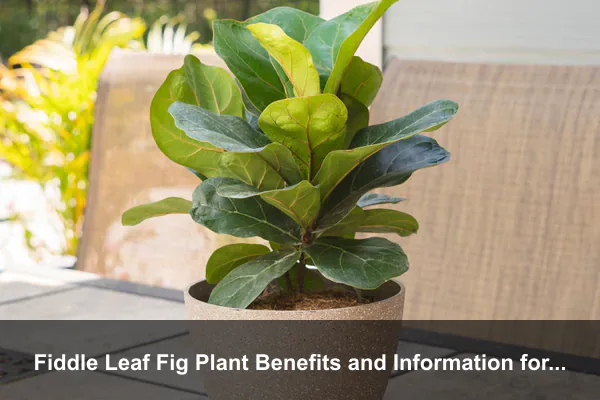
The Fiddle Leaf Fig has become one of the most recognizable indoor plants because it does something many houseplants cannot: it changes the feeling of a room almost immediately. Its broad, violin-shaped leaves, upright growth, and sculptural trunk give small apartments, home offices, studios, and living rooms a sense of height and calm structure. For readers looking for Fiddle Leaf Fig plant benefits and information, the real value is not just that this plant looks impressive. It can also support a more mindful indoor routine, make spaces feel more natural, and encourage better attention to light, airflow, cleanliness, and plant care habits.
This guide takes a different angle from a basic care manual. Instead of treating the Fiddle Leaf Fig as only a decorative trend, it looks at how to choose, place, and maintain one in a practical, low-waste way. You will learn what benefits are realistic, what claims should be treated carefully, how to set up the plant for long-term success, and how to decide whether Ficus lyrata fits your home, schedule, pets, and indoor environment.
What Makes the Fiddle Leaf Fig Different?
The Fiddle Leaf Fig, botanically known as Ficus lyrata, is a tropical broadleaf evergreen native to parts of western and central Africa. In nature, it can grow into a large tree, but indoors it is usually sold as a single-trunk standard, a branching tree, a bush form, or a compact cultivar. The name comes from the leaf shape, which resembles a fiddle or violin: wider near the tip, narrower near the middle, and strongly veined.
Its popularity comes from three qualities working together. First, the leaves are large enough to act like visual panels of greenery, so one healthy plant can create more impact than several tiny pots. Second, its vertical habit helps draw the eye upward, which is useful in homes with low furniture or minimal decor. Third, it responds visibly to its environment. New leaves, leaning growth, dull foliage, crispy margins, and leaf drop all give clues about light, watering, humidity, and stress.
A Plant With Architectural Presence
Many indoor plants trail, cluster, or sit low on a shelf. The Fiddle Leaf Fig behaves more like a living interior feature. A tall specimen can frame a reading chair, soften a blank wall, or make an unused corner look intentional. This architectural value is one of its biggest benefits for homes that need greenery without clutter.
Why It Needs Thoughtful Care
The same bold leaves that make the plant beautiful also make it sensitive to poor placement. Large leaves lose water, collect dust, and respond to sudden changes. The plant is not impossible to grow, but it dislikes guesswork. A successful Fiddle Leaf Fig owner usually does better by observing the room first and building care around actual conditions rather than following a rigid weekly schedule.
How Fiddle Leaf Fig Benefits Daily Indoor Life
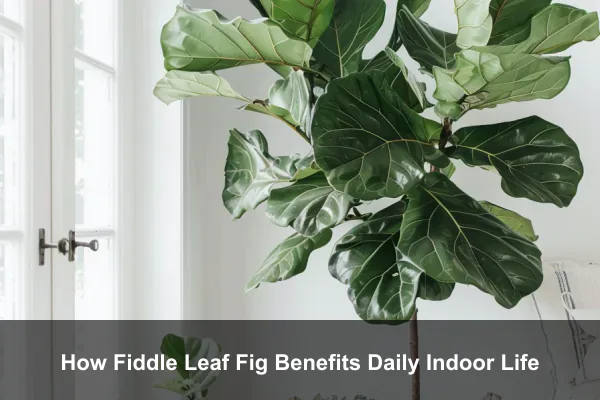
The most reliable Fiddle Leaf Fig benefits are connected to visual comfort, routine, and indoor atmosphere. It is important to be honest here. No single houseplant can replace ventilation, cleaning, or humidity management. However, a healthy Fiddle Leaf Fig can still improve how a room is experienced and used.
Biophilic Comfort and Focus
Biophilic design is the idea that people often feel better in spaces that include natural shapes, textures, and living elements. A Fiddle Leaf Fig supports this by adding leaf movement, organic form, and seasonal growth to rooms that may otherwise feel flat or artificial. In a work corner, it can help soften screens, desks, cables, and hard surfaces. In a living room, it creates a quiet visual anchor that makes the space feel more settled.
This benefit is especially useful for people who work from home or spend long hours indoors. The plant gives the eye a natural resting point between tasks. Caring for it also creates a small pause in the week: checking soil moisture, rotating the pot, wiping leaves, or noticing a new bud. These actions are simple, but they can make indoor life feel less mechanical.
Room Definition Without Heavy Furniture
A tall Fiddle Leaf Fig can divide a room visually without blocking light or movement. In a studio apartment, it can mark the edge of a work area. In an open-plan living room, it can soften the transition between seating and dining. Compared with shelves or screens, a plant adds structure while keeping the space breathable.
- In a home office: place it near bright filtered light to make the desk area feel calmer and less temporary.
- In a living room: use it to balance a sofa, media unit, or large window.
- In a bedroom: choose a smaller plant only if the room has enough daylight and good airflow.
- In a rental: use a freestanding pot and saucer to add height without drilling, painting, or changing fixtures.
Realistic Air and Humidity Value
Fiddle Leaf Fig plants, like other houseplants, participate in natural processes such as transpiration and photosynthesis. Their leaves release small amounts of moisture and interact with indoor air. Still, the practical air-purifying effect of one houseplant in a typical room is limited. The better claim is that this plant can contribute to a fresher, more natural-feeling environment when combined with good ventilation, dust control, and proper cleaning.
The large leaves are also useful because they make dust visible. When you wipe them regularly, the plant looks better and receives more light. This habit can indirectly improve indoor cleanliness because it reminds you to manage dust around windows, sills, and nearby furniture.
Choosing the Right Fiddle Leaf Fig for Your Room
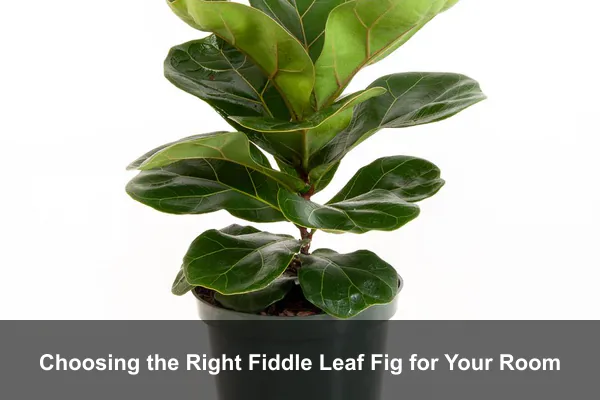
One of the most overlooked parts of Fiddle Leaf Fig care is buying the right size and form at the beginning. A very tall plant looks impressive in a store, but it may struggle if your home cannot provide the same light, humidity, or ceiling height. A smaller plant is slower to deliver dramatic impact, but it is often easier to acclimate and less expensive to replace if conditions are not ideal.
Tree Form, Bush Form, or Compact Form?
A single-trunk tree is best for people who want a statement plant with a clean silhouette. It suits corners, entry areas, and open rooms. A bush form has several stems and a fuller look, which works well near windows or beside low furniture. Compact forms are useful for smaller homes, shelves, plant stands, and workspaces where a full-size plant would overwhelm the layout.
If you are a beginner, a medium plant is often the smartest choice. It is large enough to show the classic Fiddle Leaf Fig character but not so large that moving, watering, cleaning, and rotating become difficult. Check whether the pot feels stable, whether the trunk is firm, and whether the leaves are evenly spaced.
Healthy Plant Checklist Before Buying
Use a simple inspection before bringing a plant home. This helps prevent stress, pests, and disappointment later.
- Choose leaves that are firm, glossy, and mostly upright, with only minor cosmetic marks.
- Avoid plants with many yellow leaves, black spots, mushy stems, or a sour smell from the soil.
- Look under leaves and around stems for webbing, sticky residue, scale insects, or small moving pests.
- Check that the soil is not bone-dry and pulling away from the pot, but also not swampy.
- Pick a plant that matches your brightest available space, not the empty corner you wish had more light.
Light Mapping: The Care Step Most People Skip
Light is the foundation of Fiddle Leaf Fig success. Watering problems, weak growth, leaf drop, and leaning often begin with poor light. Instead of asking whether the plant likes bright indirect light in a general way, map your actual room. Notice where sunlight enters, how long it lasts, and whether curtains, balconies, trees, neighboring buildings, or tinted glass reduce intensity.
How to Read a Room for Light
A bright room is not always the same as a bright plant location. A spot five or six feet away from a window may look comfortable to human eyes but be too dim for strong Fiddle Leaf Fig growth. The plant usually performs best near a bright window with filtered sun, especially morning light. Direct afternoon sun can be too harsh in hot climates or behind intense glass, but very dim corners are usually worse.
Try placing your hand between the window and the plant area at midday. If you see a soft but clear shadow, the location is often promising. If there is almost no shadow, the spot may be too dim. If the shadow is sharp and the leaves become hot, use a sheer curtain or move the plant slightly back.
Signs the Light Is Wrong
When a Fiddle Leaf Fig is not receiving enough light, it may lean toward the window, produce smaller leaves, grow slowly, or drop lower leaves after watering changes. When light is too intense, leaves may show pale scorched patches, crispy edges, or heat stress. Rotate the pot a small amount every one to two weeks so the plant grows more evenly, but avoid moving it from room to room too often.
Low-Waste Care for Long-Term Plant Value
A low-waste approach means using fewer unnecessary products and making care decisions that extend the life of the plant. Fiddle Leaf Fig ownership can become expensive if every yellow leaf leads to a new gadget, fertilizer, spray, or potting mix. Most problems are solved by improving light, watering correctly, using a suitable pot, and observing changes carefully.
Water With Observation, Not a Calendar
Water needs depend on pot size, soil mix, season, temperature, light, and plant size. Instead of watering every Saturday, check the top few inches of soil. If the upper layer has dried and the pot feels lighter, water thoroughly until excess drains out. Then empty the saucer so roots are not sitting in stagnant water. If the soil is still damp, wait.
Overwatering is often not about giving too much water at one time. It is usually about watering too often, using soil that stays wet for too long, or keeping the plant in a decorative pot without drainage. A Fiddle Leaf Fig prefers a cycle of moisture and oxygen around the roots. Constantly wet soil can cause root stress and leaf problems.
Use the Right Pot and Soil
A container with drainage holes is strongly recommended. If you love the look of a sealed decorative planter, keep the plant in a nursery pot inside it and remove the inner pot for watering. This gives you style without sacrificing root health. The potting mix should hold some moisture but drain well. A good indoor mix may include bark, perlite, coco coir, composted material, or other airy components depending on what is available locally.
Repot only when necessary. Signs include roots circling tightly, water rushing through without wetting the soil, very slow growth despite good light, or a plant that dries out too quickly after watering. Moving up one pot size is usually enough. A pot that is much too large can hold excess moisture and create root problems.
Clean Leaves Before Buying More Products
Because Fiddle Leaf Fig leaves are broad, dust can build up quickly. Dust reduces light absorption and makes the plant look dull. Wipe leaves with a soft damp cloth, supporting each leaf from underneath. Avoid heavy leaf shine products, which can clog leaf surfaces or create an artificial look. Plain water is usually enough. If pests are present, treat the specific pest rather than spraying random remedies.
Fertilize Lightly During Active Growth
Fertilizer supports new leaves, but it cannot fix poor light or damaged roots. Feed lightly during the active growing season according to the product label, then reduce or stop feeding when growth slows. More fertilizer is not better. Salt buildup from overfeeding can stress roots and cause leaf edge problems. Flushing the soil occasionally with plain water can help if your pot drains well.
Safety, Pets, and Household Placement
Fiddle Leaf Fig is best treated as a decorative houseplant, not an edible or medicinal plant. Its sap can irritate skin, and chewing the leaves or stems may irritate the mouth and stomach of pets or children. If you have cats, dogs, or toddlers who explore plants, place the Fiddle Leaf Fig out of reach or choose a pet-safer plant for accessible areas.
Latex Sap and Skin Sensitivity
When leaves or stems are cut, the plant may release a milky sap. Some people experience skin irritation from this sap, especially if they have sensitive skin. Wear gloves when pruning, cleaning broken leaves, or repotting. Wash hands and tools afterward. Keep sap away from eyes and fabrics.
Stable Placement Matters
A tall Fiddle Leaf Fig can become top-heavy, especially in a lightweight nursery pot. Use a stable container, avoid narrow walkways, and keep the plant away from doors that swing into it. If the plant sits on a stand, make sure the stand is wide, strong, and level. A beautiful plant becomes a problem if it tips easily or blocks daily movement.
Common Problems and What They Usually Mean
Fiddle Leaf Fig problems are easier to solve when you look for patterns instead of reacting to a single leaf. One yellow leaf may be normal aging. Several changes at once can point to a care issue. Always consider recent events: moving the plant, repotting, cold drafts, missed watering, extra watering, pest exposure, or a sudden change in light.
Quick Symptom Guide
- Brown crispy edges: often linked to underwatering, dry air, intense sun, salt buildup, or inconsistent moisture.
- Dark brown or black patches: may suggest root stress, overwatering, cold damage, or disease. Check soil moisture and drainage first.
- Yellow lower leaves: can happen from age, low light, overwatering, or adjustment after a move.
- Leaf drop after bringing it home: often comes from acclimation stress. Keep care steady and avoid repeated relocation.
- Leaning growth: usually means the plant is reaching for light. Rotate gradually and improve exposure.
- Small new leaves: may indicate insufficient light, low nutrients, root restriction, or general stress.
When to Act and When to Wait
If only one or two older leaves decline while new growth looks healthy, do not panic. Remove fully dead leaves and continue monitoring. If multiple leaves develop spots quickly, smell the soil and check whether the root zone is staying wet. If pests appear, isolate the plant and treat promptly. The key is to make one adjustment at a time. Changing the pot, watering, light, fertilizer, and location all in one week makes it harder to know what helped.
Styling Ideas With Practical Benefits
Styling a Fiddle Leaf Fig should support both beauty and care. The best-looking placement is not always the best-growing placement, so aim for a compromise: visible enough to serve as a focal point, bright enough to grow, and accessible enough for watering and cleaning.
For Work Corners
Place a medium Fiddle Leaf Fig near a bright window but outside the path of chair movement. Use a simple planter in a neutral, clay, charcoal, white, or muted green finish so the leaves remain the focus. This creates a calmer background for video calls and makes the work area feel more complete without adding visual clutter.
For Small Apartments
Choose a bush form or compact plant on a low stand. Avoid oversized pots that steal floor space. A plant with vertical growth can make a small room feel taller, but it should not block windows because the plant itself needs that light. Use felt pads, trays, or a waterproof saucer to protect floors.
For Entryways and Living Rooms
A single-trunk Fiddle Leaf Fig can make an entryway feel more welcoming if there is enough light. In a living room, it works well near a sofa corner, beside a console, or opposite another tall object such as a bookshelf. The goal is visual balance, not filling every empty space. Leave room around the leaves so they do not rub against walls or curtains.
Fiddle Leaf Fig Information for Sustainable Ownership
Sustainable plant care begins before purchase. A plant that fits your room is more sustainable than a plant that constantly struggles and needs replacement. Consider the full ownership cycle: transport, potting materials, fertilizer, water use, pest prevention, and the likelihood that you can keep the plant healthy for years.
Buy Smaller When Conditions Are Uncertain
If you are unsure about your light or schedule, begin with a smaller plant. It requires less water, is easier to move, and costs less. As it adapts, you can learn how your space affects growth. This approach reduces waste and builds skill. Large specimens are best for people who already know their room has strong light and stable temperatures.
Reuse and Maintain What You Already Have
You do not need a new pot every season. Clean and reuse planters when size is still appropriate. Refresh only part of the potting mix if the plant does not need a full repot. Use a moisture check with your finger or a wooden stick before buying electronic tools. Simple observation is often more reliable than accessories.
Share Cuttings Carefully
Fiddle Leaf Fig can be propagated from stem cuttings, although success varies. If you prune a healthy stem, you may root it in water or a suitable medium. This is a low-waste way to share plants, but do not take large cuttings from a stressed plant. Propagation should be a bonus, not the main reason to cut a plant that still needs strength.
Frequently Asked Questions About Fiddle Leaf Fig Plant Benefits and Information
Is the Fiddle Leaf Fig a good beginner plant?
It can be a good plant for a careful beginner with bright light and a willingness to observe. It is less forgiving than a pothos or snake plant, but it teaches useful indoor gardening skills. Beginners should start with a medium or small plant, use a pot with drainage, and avoid constant relocation.
Does a Fiddle Leaf Fig clean indoor air?
It contributes to a greener indoor environment, but it should not be treated as an air purifier. Its best indoor benefits are visual comfort, biophilic design value, routine-building, and a fresher feeling when combined with ventilation and regular cleaning.
How often should I water it?
Water when the upper part of the soil has dried and the pot feels lighter. The exact timing changes with light, season, pot size, and temperature. Thorough watering followed by proper drainage is better than frequent small sips.
Why is my Fiddle Leaf Fig dropping leaves?
Leaf drop often happens after stress, such as moving, low light, overwatering, underwatering, cold drafts, or sudden environmental change. Look at recent care changes and the condition of the soil before deciding what to adjust.
Can I keep it in an office?
Yes, if the office has bright natural light or strong grow lights. A dim office corner is not ideal. Also consider weekends, air conditioning, heating vents, and who will check soil moisture when routines change.
Conclusion
The Fiddle Leaf Fig deserves its reputation as a statement houseplant, but its best value goes beyond appearance. When chosen thoughtfully and placed in the right light, it can support biophilic comfort, define indoor areas, encourage calmer routines, and add long-lasting greenery to modern homes and workspaces. The most useful Fiddle Leaf Fig plant benefits and information are practical: understand the plant, respect its need for light and drainage, keep care steady, and avoid exaggerated claims.
If your room has bright filtered light, enough space, and a household setup that keeps pets and children safe, Ficus lyrata can be a rewarding indoor plant for years. Start with the right size, water by observation, clean the leaves, and let the plant become part of your daily environment rather than just another decoration.
