
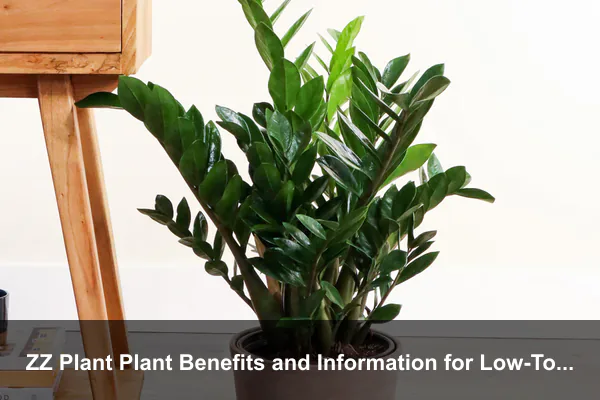
The ZZ Plant is one of the rare houseplants that can make a room feel more finished without asking for constant attention. Its thick, glossy leaflets, upright stems, and slow, steady growth give it a polished look in places where many indoor plants struggle, including shaded corners, hallways, rental apartments, and low-traffic rooms.
This guide to ZZ Plant plant benefits and information focuses on a distinct, practical angle: how the plant supports low-touch indoor living. Instead of treating the ZZ Plant as a miracle air purifier or a plant that can be ignored forever, this article explains its realistic benefits, how to place it well, how to care for it with a simple routine, and how to keep it attractive for years with minimal waste and effort.
Why the ZZ Plant Fits Low-Touch Living
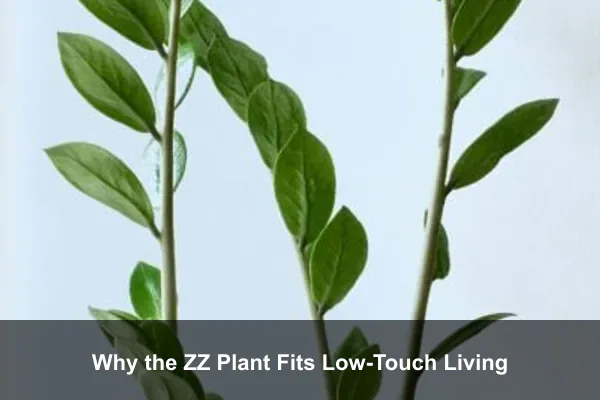
The ZZ Plant, botanically known as Zamioculcas zamiifolia, is valued because it stays visually tidy even when care is simple. Many houseplants need frequent watering, bright windows, humidity trays, pruning, or constant leaf inspection. The ZZ Plant is different. It stores water in thick underground rhizomes and fleshy stems, which helps it tolerate dry indoor periods better than many tropical foliage plants.
Low-touch living does not mean careless plant ownership. It means choosing plants that match real household habits. If you travel, forget watering days, live in a dim apartment, or prefer a clean interior style with fewer maintenance tasks, the ZZ Plant is a strong candidate. It gives the room a living presence without demanding the attention of a fern, orchid, or fast-growing vine.
Basic ZZ Plant Information
The ZZ Plant is a tropical perennial native to parts of eastern Africa, where it has adapted to periods of dryness. Indoors, it usually grows slowly to moderately and often reaches 2 to 4 feet tall, depending on light, pot size, variety, and age. Its stems rise from the soil in graceful arcs, holding paired leaflets that look almost waxed.
- Scientific name: Zamioculcas zamiifolia
- Common names: ZZ Plant, Zanzibar Gem, aroid palm
- Plant type: Tropical foliage houseplant
- Best indoor trait: Durable, glossy foliage with low watering needs
- Growth habit: Upright stems from underground rhizomes
- Difficulty level: Beginner-friendly when not overwatered
What Low Maintenance Really Means
The main care mistake with the ZZ Plant is assuming low maintenance means no maintenance. It still needs drainage, occasional cleaning, and sensible placement. However, compared with many indoor plants, it forgives missed watering, adapts to lower light, and rarely needs shaping. The best way to think about it is as a low-frequency care plant, not a no-care plant.
Realistic ZZ Plant Benefits for the Home
The benefits of the ZZ Plant are strongest when they are described honestly. It is beautiful, tough, flexible, and useful in rooms where other plants may decline. It can contribute to a calmer indoor atmosphere, support biophilic design, and help people maintain a plant habit without turning care into a complicated hobby.
It Adds Green Structure Without Visual Clutter
Some plants soften a space by trailing, spreading, or filling a shelf. The ZZ Plant works differently. Its stems are upright and architectural, making it useful for clean interiors, small rooms, and narrow walkways. The shiny leaves reflect light gently, so even a shaded corner can look more intentional.
This is one of the most practical ZZ Plant benefits for modern homes. A single plant can make an empty corner look styled without needing flowers, fragrance, or seasonal decoration. It pairs well with ceramic pots, simple baskets, matte planters, wood furniture, stone surfaces, and neutral walls.
It Supports Beginner Confidence
Many new plant owners fail not because they dislike plants, but because they start with plants that demand precision. The ZZ Plant teaches a helpful lesson: restraint is often better than fussing. Waiting for the soil to dry, checking the pot before watering, and giving the plant stable conditions are usually enough.
For beginners, this creates confidence. The plant responds slowly, so it does not panic the owner with constant wilting. It also makes a good first step for people who want indoor greenery but do not yet know how to read leaf signals, humidity needs, or complex fertilizing schedules.
It Works for Low-Scent and Low-Pollen Spaces
The ZZ Plant is grown for foliage, not showy indoor flowers. That makes it helpful in rooms where strong fragrance, loose petals, or pollen-heavy blooms are not ideal. It is not a medical solution for allergies, but its clean foliage and low-scent presence can be more comfortable than many flowering plants for shared rooms, offices, bedrooms, and compact apartments.
It Helps Reduce Plant Replacement Waste
A durable plant can be a more sustainable choice than repeatedly buying delicate plants that decline quickly. Because the ZZ Plant tolerates dry indoor air and inconsistent routines, it often lasts for many years with basic care. Long-lived houseplants reduce the cycle of buying, discarding, replacing, and repotting too often.
Where to Place a ZZ Plant for Daily Value
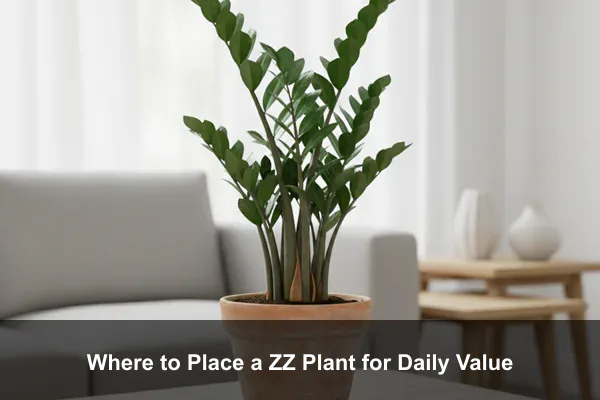
Placement is where ZZ Plant plant benefits and information become practical. The plant is famous for tolerating lower light, but it still grows best with bright, indirect light. The key is to use it where its resilience matters while still giving it enough light to stay healthy over time.
Hallways and Entry Corners
A ZZ Plant is useful in hallways because its upright shape does not spill into walking paths as much as trailing plants. Place it where it receives reflected daylight from a nearby room or window. Avoid complete darkness, because no plant can thrive without light. If the hallway has no natural light, use a grow light or rotate the plant to a brighter area every few weeks.
Bedrooms and Reading Corners
In bedrooms, the ZZ Plant offers a calm visual presence without fragrance or daily upkeep. Its simple form suits nightstands, dresser corners, and floor planters. Because it is toxic if chewed, keep it away from pets and young children who may bite leaves or stems.
Desks, Shelves, and Low-Traffic Rooms
Small ZZ Plants work well on desks and shelves because they stay neat for a long time. Choose compact varieties or younger plants for tabletops. Larger plants look better on the floor, especially beside cabinets, console tables, or reading chairs. In a guest room or home office that is not used daily, the ZZ Plant is a sensible choice because it does not need constant monitoring.
A Simple ZZ Plant Care System
The best care routine for a ZZ Plant is simple, repeatable, and based on observation. Most problems come from overwatering, poor drainage, or keeping the plant in a space that is too dark for too long. Use the following system to keep the plant healthy without overcomplicating care.
Light: Tolerant Does Not Mean Light-Free
The ZZ Plant tolerates low light better than many houseplants, but it grows stronger in bright, indirect light. Near an east-facing window, several feet from a bright south or west window, or in a naturally bright room without harsh direct sun, it usually performs well. Direct afternoon sun can scorch leaves, while very dark rooms slow growth and may weaken the plant over time.
- Best: Bright, indirect light for steady growth.
- Acceptable: Medium to low indirect light for slower growth.
- Avoid: Long periods in windowless rooms without a grow light.
- Also avoid: Harsh direct sun that heats the leaves.
Water: Let the Soil Dry First
ZZ Plants prefer drying out between waterings. Their rhizomes store moisture, so constantly damp soil can cause root and rhizome rot. Instead of watering on a fixed weekly schedule, check the soil. If the top few inches are dry and the pot feels lighter, water thoroughly until excess drains out. Then empty the saucer so the pot is not sitting in water.
In bright warm rooms, watering may be needed more often. In cool or dim rooms, the plant may go several weeks between waterings. During slower winter growth, reduce watering further. If you are unsure, it is usually safer to wait a few more days than to water too soon.
Soil and Pot: Drainage Is Non-Negotiable
A ZZ Plant does best in a well-draining potting mix. A standard indoor potting mix can work if improved with perlite, pumice, orchid bark, or coarse material that keeps air moving around the roots. The pot must have drainage holes. Decorative cachepots are fine, but the nursery pot inside should drain freely.
- Choose a pot with drainage holes.
- Use a loose, well-aerated indoor plant mix.
- Water thoroughly only when the soil has dried well.
- Remove standing water from the saucer or outer pot.
- Repot only when the plant is crowded or the mix breaks down.
Fertilizer: Light Feeding Is Enough
The ZZ Plant is not a heavy feeder. During spring and summer, feed lightly with a balanced houseplant fertilizer at diluted strength once every month or two. Skip fertilizer in winter if growth slows. Too much fertilizer can create salt buildup in the soil and may damage roots, especially in a plant that is watered infrequently.
Leaf Cleaning and Presentation
One underrated ZZ Plant benefit is how easy it is to keep the plant looking polished. The leaves are broad enough to clean but small enough that the task does not take long. Clean foliage also helps the plant capture available light, which matters in rooms that are not very bright.
How to Clean the Leaves
Use a soft damp cloth to wipe dust from the leaflets. Support each stem gently so it does not bend sharply. Avoid commercial leaf shine products, especially oily sprays, because they can clog leaf surfaces and create an unnatural finish. The ZZ Plant already has a natural gloss when healthy.
- Wipe leaves every few weeks in dusty rooms.
- Use plain water or a barely damp microfiber cloth.
- Clean both sides of leaflets when dust is visible.
- Avoid heavy oils, waxes, and harsh cleaning products.
Rotation and Shape
Rotate the pot a quarter turn every few weeks if the plant leans toward the light. This keeps the shape more balanced. Pruning is rarely needed, but yellow, damaged, or collapsed stems can be removed near the base with clean scissors or pruners. Do not cut healthy stems just to force fast growth; the ZZ Plant naturally grows at a measured pace.
Safety, Pets, and Sensible Handling
The ZZ Plant contains calcium oxalate crystals, which can irritate the mouth, lips, throat, and stomach if chewed or swallowed. This does not mean the plant is dangerous to touch in normal use, but it does mean placement matters. Households with curious pets or small children should keep the plant out of reach.
Wear gloves if you have sensitive skin or if you are dividing, pruning, or repotting the plant. Wash your hands after handling cut stems, roots, or rhizomes. If a pet or child eats part of the plant, contact a veterinarian, pediatrician, poison control center, or local medical professional for guidance.
Safety is also about realistic claims. The ZZ Plant may contribute to a more pleasant indoor environment, but one houseplant should not be treated as a substitute for ventilation, cleaning, humidity control, or medical care. Its strongest benefits are visual, practical, and lifestyle-related.
Buying and Acclimating a ZZ Plant
A good ZZ Plant starts with a healthy purchase. Look for firm upright stems, glossy leaves, and soil that is not sour-smelling or waterlogged. Avoid plants with mushy bases, blackened stems, widespread yellowing, or pests hiding along stems and leaf joints.
Healthy Plant Checklist
- Leaves are firm, glossy, and evenly colored.
- Stems feel sturdy rather than soft or collapsed.
- The pot has drainage holes.
- The soil is not constantly wet or foul-smelling.
- There are no visible pests, sticky residue, or webbing.
- The plant is proportionate to its pot and not severely root-bound.
The First 30 Days at Home
When you bring a ZZ Plant home, give it a stable place with indirect light and avoid immediate repotting unless the soil is soaked, compacted, or clearly unsuitable. Let the plant adjust. Check the soil before watering, watch for yellowing, and keep it away from cold drafts, heaters, and air-conditioning blasts.
Some adjustment is normal. A lower leaf may yellow as the plant adapts, but multiple yellow stems usually point to overwatering, poor drainage, or stress. Resist the urge to solve every change with water. For this plant, careful waiting is often the better response.
Common ZZ Plant Problems and What They Mean
The ZZ Plant is resilient, but it still communicates through its leaves and stems. Because it grows slowly, symptoms may appear gradually. Reading those signs early helps prevent serious decline.
Yellow Leaves
Yellow leaves are most often linked to overwatering, especially when the soil is damp and stems feel soft. Let the soil dry, check drainage, and remove any mushy stems. If the pot has no drainage holes, repot into a suitable container as soon as practical.
Wrinkled Stems or Drooping Growth
Wrinkled stems can signal underwatering, damaged roots, or long-term stress. Check the soil first. If it is bone dry, water thoroughly and allow excess water to drain. If the soil is wet and the stems are wrinkled or soft, root or rhizome damage may be involved.
No New Growth
No new growth is not always a problem. ZZ Plants can pause growth for long periods, especially in low light or winter. If the plant looks firm and green, patience is appropriate. Move it to brighter indirect light in the growing season if you want stronger growth.
Conclusion
The ZZ Plant earns its popularity because it combines beauty, resilience, and simplicity. For readers looking for reliable ZZ Plant plant benefits and information, the most important takeaway is that this plant is not valuable because it performs miracles. It is valuable because it fits real life: dry indoor air, imperfect schedules, shaded rooms, simple decor, and owners who want greenery without constant care.
With bright indirect light when possible, careful watering, good drainage, occasional leaf cleaning, and sensible safety precautions, the ZZ Plant can remain attractive for many years. It is one of the best choices for low-touch indoor living because it asks for restraint, rewards patience, and brings a clean green presence to spaces that need calm, durable beauty.
