
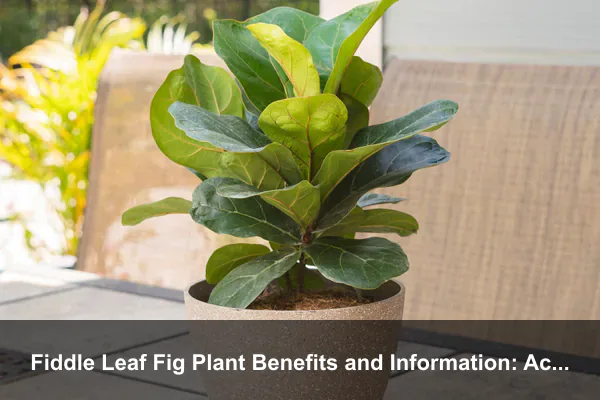
The Fiddle Leaf Fig has become one of the most recognizable indoor plants because it brings height, structure, and dramatic foliage into a room without needing flowers to make an impact. Yet many owners discover that this beautiful plant is less about constant attention and more about steady conditions. Understanding Fiddle Leaf Fig plant benefits and information through the lens of acclimation, root health, and indoor stability can make the plant feel far less mysterious.
This guide takes a practical angle that is different from a general care overview. Instead of focusing only on styling, pruning, or leaf signals, it explains how a Fiddle Leaf Fig adapts after purchase, why its root zone matters so much, and how to build a calmer routine around it. In the spirit of manfaat tanaman, or plant benefits, the value of this houseplant is best seen in everyday comfort, greener interiors, and better indoor habits.
Quick Botanical Profile and Realistic Benefits
The Fiddle Leaf Fig, botanically known as Ficus lyrata, is a tropical evergreen native to western Africa. Indoors, it is grown for its large violin-shaped leaves, upright form, and strong architectural presence. It can become a living focal point in a living room, office, entryway, or bright bedroom.
What Makes Ficus Lyrata Distinctive
Unlike trailing plants or small tabletop greenery, a Fiddle Leaf Fig behaves more like a small indoor tree. Its broad leaves catch light beautifully, and its vertical habit helps fill empty corners without adding clutter. This makes it useful for people who want one strong plant instead of many small pots.
Benefits Worth Expecting
- Visual balance: Its large leaves soften hard furniture lines and make modern rooms feel more natural.
- Routine building: Because it responds to consistency, it encourages owners to observe light, water, and seasonal changes.
- Indoor comfort: A healthy plant adds a gentle sense of freshness, although it should not be treated as a substitute for ventilation or cleaning.
- Space efficiency: One tall plant can create greenery in a small footprint.
- Long-term value: With patient care, it can stay attractive for years instead of being a short-term decorative purchase.
Why Fiddle Leaf Figs Struggle After Moving Indoors
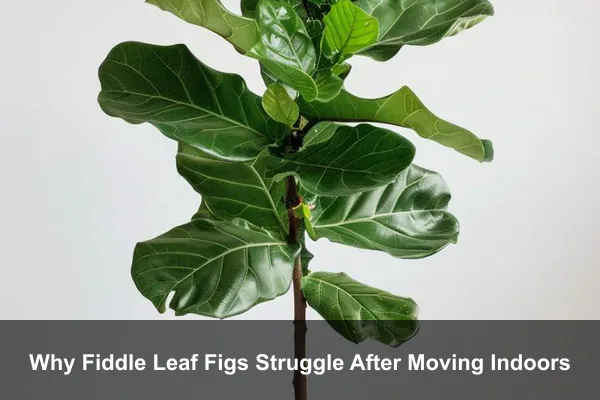
Many problems begin before the owner does anything wrong. A Fiddle Leaf Fig may travel from a greenhouse to a shop, then to a car, then into a home with different light, humidity, airflow, and temperature. This sudden environmental change can cause stress even when the plant looked perfect at the store.
The Transition Shock Problem
Leaf drop, drooping, dull color, or a few brown patches can appear during the first weeks after purchase. These symptoms often come from adjustment stress rather than a single mistake. The plant is recalibrating its water use, light exposure, and root activity in a new environment.
A Two-Week Acclimation Routine
- Choose one bright location: Place the plant near strong indirect light and avoid moving it repeatedly.
- Check soil before watering: Do not water just because the plant is new. Feel the soil and wait until the upper layer has dried.
- Keep airflow gentle: Avoid hot vents, cold drafts, and direct air-conditioning blasts.
- Delay repotting: Unless the pot is damaged or soggy, let the plant settle before disturbing the roots.
- Observe before correcting: Give the plant time to respond before adding fertilizer, changing rooms, or pruning leaves.
This settling period is one of the most overlooked pieces of Fiddle Leaf Fig plant benefits and information. A plant that acclimates calmly is more likely to keep its leaves, use water predictably, and grow steadily later.
Root Health and Potting Choices That Protect the Plant
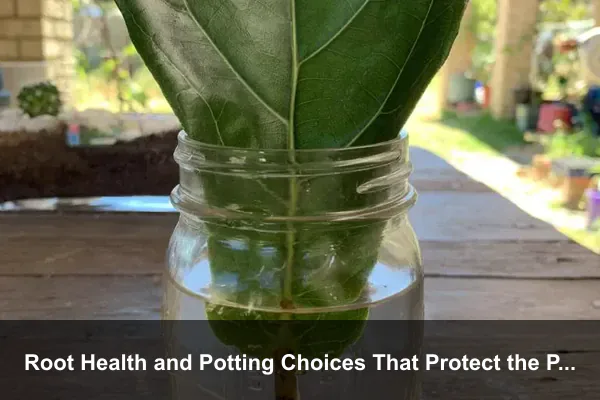
The top of a Fiddle Leaf Fig gets most of the attention, but the roots decide whether the plant can support those large leaves. Roots need moisture, oxygen, and room to function. Too much water or dense soil can create stress below the surface long before the leaves show obvious damage.
Pot Size and Drainage
A pot should feel stable and have drainage holes. Oversized containers can hold excess moisture for too long, while tiny pots dry too quickly and restrict growth. When repotting is needed, choose a container only slightly larger than the current root ball.
Soil Texture and Oxygen
Fiddle Leaf Figs usually do best in a loose, well-draining potting mix. A blend designed for indoor trees or aroids often works better than heavy garden soil. The goal is not dry soil all the time, but soil that can hold enough moisture while still allowing air around the roots.
- Use a pot with open drainage holes.
- Avoid letting the pot sit in standing water.
- Choose a mix that contains airy materials such as bark, perlite, or coarse fiber.
- Repot during active growth when possible, not during a stressful transition.
- Inspect roots only when necessary, because repeated disturbance can slow recovery.
Light, Water, and Humidity as One Stable System
Fiddle Leaf Fig care becomes easier when light, water, and humidity are treated as connected conditions. A plant in brighter light uses water faster. A plant in lower light dries more slowly. A room with dry air may cause edges to crisp, while a cold room may slow root activity.
Light Without Constant Relocation
Bright, filtered light is ideal. A position near an east-facing window or a slightly softened south or west exposure can work well. Direct harsh sun through hot glass may scorch leaves, but dim corners usually lead to weak growth. Once the plant is placed well, consistency matters more than chasing perfect light every few days.
Watering by Root-Zone Readiness
Water when the upper portion of the mix has dried and the pot feels lighter than it did after the last watering. Then water thoroughly until excess drains out. Shallow sips can leave dry pockets, while constant watering can suffocate roots. This balanced rhythm is more useful than a fixed calendar.
Humidity and Leaf Surface Care
Average indoor humidity is often acceptable if the plant is otherwise stable, but very dry rooms can increase stress. Wiping leaves with a soft damp cloth helps remove dust so the plant can receive light efficiently. Avoid heavy leaf shine products, which can clog or coat the leaf surface.
Practical Benefits for Homes, Offices, and Apartments
The Fiddle Leaf Fig is popular because it changes how a room feels. Its upright shape can mark a reading corner, soften a blank wall, or bring natural height beside a sofa. For apartments and offices, this matters because one plant can create a strong green presence without requiring a large collection.
Design Value Without Clutter
A single healthy Fiddle Leaf Fig can replace multiple decorative objects. Its sculptural leaves work with minimalist, tropical, modern, and natural interiors. The plant also photographs well, which is one reason it appears frequently in interior design media.
Wellness Value in Daily Routines
The wellness benefit is not magical. It comes from the small daily pause of checking soil, turning attention toward living growth, and making the room feel less sterile. For many people, this quiet routine supports focus and calm better than high-maintenance plant care would.
Safety, Sustainability, and Buying Smarter
Good Fiddle Leaf Fig plant benefits and information should include safety and sustainability. Like many Ficus plants, it contains a milky sap that may irritate skin and is not suitable for pets or children to chew. Place it where curious pets cannot easily bite the leaves.
How to Choose a Strong Plant
- Look for firm leaves with even color and no widespread spotting.
- Check that the stem is stable and not loose in the soil.
- Avoid plants sitting in soggy decorative cachepots.
- Inspect the undersides of leaves for pests before bringing the plant home.
- Choose a size that fits your light conditions, not only your design goal.
Lower-Waste Ownership
Buying a plant you can realistically maintain is more sustainable than replacing stressed plants repeatedly. Use a durable pot, avoid overbuying plant products, and learn the plant’s watering rhythm before adding fertilizers or accessories. A simple setup often works better than a complicated one.
Common Acclimation Problems and What They Usually Mean
Not every change is an emergency. During the first month, focus on patterns rather than one imperfect leaf. Older lower leaves may drop as the plant adjusts, but repeated loss of new leaves deserves closer attention.
- A few dropped leaves: Often normal after relocation if the rest of the plant remains firm.
- Soft soil and yellowing: Possible overwatering or poor drainage.
- Crisp edges: Often linked to dry air, inconsistent watering, or heat stress.
- Leaning growth: Usually the plant reaching toward stronger light.
- No growth for weeks: Common during acclimation, especially outside the active growing season.
The best correction is usually measured and simple. Improve light if needed, adjust watering based on soil dryness, and avoid making several changes at once. This helps you see what actually worked.
Conclusion
The Fiddle Leaf Fig is not just a trendy statement plant. When approached with patience, it offers lasting indoor beauty, practical design value, and a useful lesson in steady plant care. The most important part of Fiddle Leaf Fig plant benefits and information is understanding that success begins with acclimation and root health, not constant intervention.
Give the plant bright stable light, a breathable root zone, careful watering, and time to adjust. With those foundations in place, Ficus lyrata can become a strong, elegant, and rewarding houseplant that supports a greener and more comfortable indoor space.
