
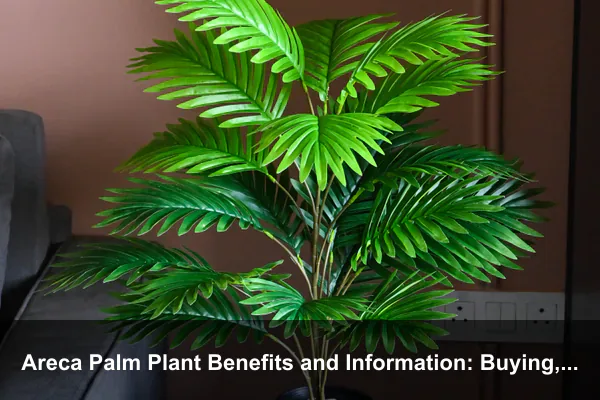
Areca Palm plant benefits and information are often discussed in terms of beauty, freshness, and tropical style, but the most useful angle for plant owners is more practical: how to choose a healthy plant, help it adjust to a new home, and keep it attractive for years. The Areca Palm is not just a green backdrop. It is a living houseplant that responds clearly to light, watering, air movement, minerals in water, and the way its leaves are handled.
This guide focuses on the full ownership journey, from nursery selection to long-term maintenance. If you want a graceful indoor palm that looks relaxed instead of fussy, the real benefit comes from understanding its signals early. With the right habits, an Areca Palm can become a steady, elegant part of a home without needing complicated care or unrealistic promises about what indoor plants can do.
What Is an Areca Palm?
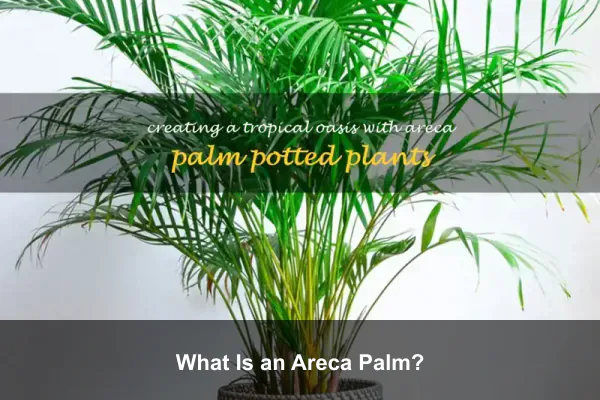
The houseplant commonly called Areca Palm is usually sold under the botanical name Dypsis lutescens, though older plant labels may list it as Chrysalidocarpus lutescens. It is also known as golden cane palm, butterfly palm, and yellow palm because of its clustering stems and soft, arching fronds. In warm outdoor climates it can become a large landscape palm, but indoors it is grown in containers as a multi-stemmed foliage plant.
One important piece of Areca Palm plant information is that the common houseplant should not be confused with the betel nut palm, Areca catechu. They are different plants. The indoor Areca Palm is valued for ornamental foliage, not edible nuts or herbal use. This distinction matters for readers who search for plant benefits because names can be misleading across regions, nurseries, and online shops.
An Areca Palm has many narrow leaflets arranged along long fronds, creating a soft feather-like shape. Healthy plants usually have upright canes, bright green to medium green leaflets, and steady new growth during warm, bright months. The plant looks delicate, but it is tougher than it appears when given bright filtered light, even moisture, and a potting mix that drains well.
Basic Areca Palm Profile
- Common names: Areca Palm, golden cane palm, butterfly palm, yellow palm.
- Typical indoor role: Container-grown foliage plant for bright rooms.
- Growth habit: Clumping stems with arching, feather-like fronds.
- Best light: Bright indirect light, with gentle morning sun if acclimated.
- Main care risk: Brown tips from inconsistent watering, dry air, salts, or root stress.
- Pet note: The common indoor Areca Palm is widely considered pet-friendly, but chewing should still be discouraged.
Benefits That Make Areca Palm Worth Growing
The benefits of Areca Palm are strongest when they are explained realistically. It can improve the feeling of a room, support a calmer daily routine, and offer a more natural indoor environment. However, it should not be marketed as a cure-all. No houseplant replaces ventilation, cleaning, medical care, or proper indoor air filtration when those are needed.
A Softer Indoor Atmosphere
Areca Palm brings movement and softness into a room because its fronds divide light and space without looking heavy. Unlike stiff upright plants, its fine leaflets create a gentle visual texture. This is helpful in rooms with hard floors, straight furniture lines, screens, and artificial lighting. The plant can make a work area or living area feel less flat and more alive.
A Plant That Encourages Better Daily Habits
One underrated Areca Palm benefit is that it encourages observation. The plant tells you when conditions are drifting. Leaf tips dry when the roots or air are stressed. Leaflets fade when the light is too low. New speckling or sticky residue can warn you about pests. For beginners, this makes the plant a useful teacher because it gives visible feedback before the whole plant declines.
Family and Pet-Friendly Appeal
For households that want ornamental greenery but worry about toxicity, Areca Palm is often a more comfortable choice than many popular indoor plants. It is generally listed as non-toxic to cats and dogs. Still, non-toxic does not mean edible. Pets that chew leaves can vomit from plant fiber, and damaged fronds reduce the plant’s appearance. Place the palm where it can be enjoyed but not constantly disturbed.
Air Quality Claims With Proper Perspective
Areca Palm is often mentioned in indoor air discussions, but it is best to keep expectations grounded. Plants can contribute to a more pleasant indoor environment, and their leaves may collect some dust, but a single palm will not clean a room like a mechanical air purifier. The more reliable benefit is psychological and sensory: greenery can make indoor spaces feel fresher, more comfortable, and more connected to nature.
How to Choose a Healthy Areca Palm Before You Buy
The long-term success of an Areca Palm often starts before it enters your home. A discounted plant with hidden root rot, spider mites, or severe stress can cost more time than it saves money. When buying from a nursery, garden center, or online seller, inspect the plant as carefully as possible.
Check the Fronds First
Look for fronds that are mostly green, flexible, and evenly colored. A few brown tips are common and not usually a deal breaker. Large patches of yellow, grayish webbing, many crispy leaflets, or blackened stems are stronger warning signs. Avoid plants with a musty smell, mushy canes, or leaves that collapse when lightly touched.
Inspect the Stems and Soil
Healthy Areca Palms grow in clusters, so some older canes may naturally be thinner than others. The base should still feel firm. Soil should be slightly moist or moderately dry, not sour, swampy, or pulling away from the pot in a hard brick. If roots are circling heavily through the drainage holes, the plant may need repotting soon, but extremely tangled roots can also mean transplant stress.
Quick Buying Checklist
- Choose a plant with fresh central growth and no widespread yellowing.
- Look under leaflets for webbing, dots, scale insects, or sticky residue.
- Smell the soil; avoid sour or rotten odors.
- Check that the nursery pot has drainage holes.
- Pick a size you can move and water properly, not only the largest plant available.
- Ask when it was last watered if the plant is from a local nursery.
If you are ordering online, read reviews that mention packaging, plant size, root condition, and shipping recovery. Areca Palm fronds can bend during transport, so some cosmetic damage is normal. The plant should still arrive with firm stems, living roots, and enough healthy foliage to recover.
Acclimation: The First 30 Days at Home
Many Areca Palm problems begin because the plant is moved, repotted, fertilized, and placed in a new light level all at once. Acclimation is the process of letting the palm adjust gradually. It is especially important if the plant came from a greenhouse, shaded nursery, shipping box, or outdoor garden center.
Week One: Observe Before Changing Too Much
Place the Areca Palm in bright indirect light and leave it alone except for basic watering checks. Do not fertilize immediately. Do not remove many fronds. Do not repot unless the soil is clearly rotten or the pot is broken. The first week is for learning how quickly the soil dries in your home.
Weeks Two to Four: Make Small Adjustments
- Check light response: If the plant stretches, leans strongly, or produces pale growth, move it closer to a brighter window.
- Test moisture: Water when the upper layer of potting mix has dried, but before the entire root ball becomes bone dry.
- Watch for pests: New plants can carry spider mites, mealybugs, or scale. Inspect the undersides of leaflets weekly.
- Rotate gradually: Turn the pot a little each week so growth stays balanced.
- Delay repotting: Unless urgent, wait several weeks so the palm can settle first.
This 30-day approach reduces shock. It also prevents a common mistake: blaming the plant when the real issue is a rushed transition from nursery conditions to indoor conditions.
Light, Water, and Soil Without Guesswork
Areca Palm care becomes easier when you stop following rigid schedules and start reading conditions. The plant does not need a dramatic routine. It needs consistency, drainage, and enough light to support the many leaflets it carries.
Light Requirements
Bright indirect light is ideal. A spot near an east-facing window, a bright filtered south or west window, or a room with strong natural daylight can work well. Direct midday sun through hot glass can scorch leaflets, especially if the plant was grown in shade. Gentle morning sun is usually tolerated after gradual acclimation.
If the room is too dark, the Areca Palm may survive for a while but slowly thin out. New fronds may be smaller, older fronds may yellow faster, and the plant can become more vulnerable to overwatering because the soil dries slowly. In darker homes, a grow light may be more effective than repeatedly moving the plant around.
Watering Method
Water when the top portion of soil feels dry and the pot still has slight weight. Pour water evenly until excess drains from the bottom, then empty any saucer so roots do not sit in standing water. Areca Palm dislikes both long droughts and soggy soil. The goal is evenly moist, oxygen-rich roots.
Brown tips can appear from underwatering, overwatering, mineral buildup, or low humidity, so do not assume every brown tip means the same thing. Check the soil and the watering history before changing your routine. If the soil stays wet for many days, improve light, drainage, and air movement before adding more water.
Soil and Potting Mix
A good potting mix for Areca Palm should hold some moisture but drain freely. A basic indoor potting mix can be improved with perlite, fine bark, or coco chips to create more air pockets. Heavy garden soil is not suitable in containers because it can compact and suffocate roots.
When repotting, move up only one pot size unless the root ball is extremely large. Oversized pots hold excess moisture around roots that cannot use it yet. This is one of the fastest ways to turn a healthy palm into a stressed plant.
Feeding
Feed lightly during active growth, usually spring through early autumn in many indoor environments. A balanced liquid houseplant fertilizer at reduced strength is often enough. Avoid fertilizing a dry plant, a newly purchased stressed plant, or a palm with suspected root problems. Too much fertilizer can increase salt buildup and worsen brown tips.
Leaf Health: Reading What the Plant Is Telling You
Areca Palm leaf problems are useful clues. The plant has many thin leaflets, so small changes become visible quickly. Instead of cutting everything off, look for patterns. One brown tip is cosmetic. Widespread decline points to a care issue.
| Symptom | Likely Cause | Practical Response |
|---|---|---|
| Brown leaf tips | Dry spells, mineral salts, low humidity, or root stress | Check watering consistency, flush soil occasionally, and avoid overfertilizing |
| Yellow lower fronds | Natural aging or inconsistent watering | Remove only fully yellow fronds and review moisture habits |
| Pale new growth | Insufficient light or nutrient shortage | Move to brighter indirect light and feed lightly during growth season |
| Sticky leaves | Scale insects or other sap-feeding pests | Inspect stems and leaf undersides, then treat early with appropriate houseplant pest control |
| Fine webbing | Spider mites, often encouraged by dry indoor conditions | Rinse foliage, isolate the plant, and repeat treatment as needed |
How to Prune Correctly
Use clean scissors or pruners and remove dead or fully yellow fronds near the base. Avoid trimming green fronds just to shape the plant because palms depend on their leaves for energy. You can trim brown tips by following the natural leaflet shape, but leave a narrow brown edge instead of cutting into healthy green tissue. Cutting into living tissue can create a fresh brown line.
Cleaning the Leaves
Dust reduces the plant’s ability to receive light and makes pest inspection harder. Wipe fronds gently with a damp cloth or give the plant a lukewarm shower if the pot drains well. Avoid heavy leaf-shine products. They can clog leaf surfaces and make a naturally soft palm look artificial.
Seasonal Areca Palm Maintenance Calendar
A seasonal routine is more reliable than a fixed weekly schedule because indoor conditions change throughout the year. Light intensity, room temperature, fan use, air conditioning, and heating all affect how fast the plant uses water.
Spring
- Increase watering gradually as new growth begins.
- Resume light feeding if the plant is healthy.
- Check whether roots are crowded enough to justify repotting.
- Clean dust from fronds after the drier indoor months.
Summer
- Monitor moisture more often because brighter light can dry the pot faster.
- Protect the plant from harsh direct sun through hot windows.
- Inspect for spider mites and scale every one to two weeks.
- Rotate the pot for balanced growth.
Autumn
- Reduce fertilizer as growth slows.
- Move the plant closer to available light if days become shorter.
- Remove dead fronds before they become hiding places for pests.
- Watch for slower soil drying and adjust watering.
Winter or Low-Light Periods
- Water less frequently, but do not let the root ball stay dry for too long.
- Keep the palm away from cold drafts and direct heat vents.
- Avoid repotting unless there is an urgent root issue.
- Use supplemental light if the plant begins to fade or thin out.
In tropical climates or warm homes, the plant may not follow a dramatic seasonal cycle. In that case, use the same calendar as a checklist and let actual growth guide your timing.
Common Mistakes That Shorten an Areca Palm’s Life
Areca Palm is not the hardest indoor plant, but it is sensitive to repeated stress. Many plants decline slowly from small mistakes made over months. Correcting these habits early is easier than rescuing a severely weakened palm.
Treating It Like a Low-Light Plant
Areca Palm can tolerate moderate indoor light, but it does not thrive in dim corners for long. If the plant is used mainly as a filler for a dark space, it will gradually lose density. Better light means stronger roots, better water use, and healthier fronds.
Using a Pot Without Drainage
Decorative pots are useful, but the nursery pot inside must drain. Water trapped at the bottom can damage roots even when the top of the soil looks normal. If you use a cachepot, remove the inner pot after watering or check that no water remains inside.
Overcorrecting Brown Tips
Brown tips are common on indoor palms. The mistake is changing everything at once: more water, more fertilizer, a larger pot, a darker corner, and heavy pruning. Instead, diagnose calmly. Check soil moisture, water quality, light, and pests. Make one or two changes, then give the plant time to respond.
Repotting Too Often
Repotting feels productive, but it is stressful for palms. Areca Palm roots prefer stability. Repot when the plant is genuinely root-bound, the mix has broken down, or water no longer absorbs properly. Choose a slightly larger container and keep the root ball as intact as possible.
Areca Palm in Sustainable Indoor Gardening
In the context of Manfaat Tanaman, or plant benefits, sustainability is part of the value. A plant is most beneficial when it is kept alive, respected as a living organism, and cared for with sensible resources. Buying a palm only as short-term decoration creates waste. Learning its needs turns it into a long-term home companion.
Choose a plant size that matches your space and care capacity. A smaller Areca Palm may adapt more easily than a huge specimen moved from perfect nursery conditions into a dim apartment. Reuse suitable nursery pots as inner pots, refresh potting mix only when needed, and avoid unnecessary chemical treatments when simple prevention works.
Sustainable care also means being honest about your home. If you cannot provide bright light, select a different plant or add a grow light. If you travel often, use a moisture-retentive but airy mix and choose a pot size that does not dry out too quickly. Matching the plant to the environment prevents frustration and reduces plant loss.
Frequently Asked Questions About Areca Palm
Is Areca Palm good for beginners?
Areca Palm can be beginner-friendly for people with bright indoor light and consistent watering habits. It is less forgiving in dark rooms or pots without drainage. Beginners should start with a medium-sized plant because it is easier to move, inspect, and water evenly.
How often should I water an Areca Palm?
There is no universal schedule. Check the soil instead. Water when the top layer has dried and the pot is not still heavy with moisture. In bright warm rooms this may be more frequent, while in cool low-light rooms it may be much less often.
Should I mist my Areca Palm?
Light misting may briefly freshen leaves, but it is not a complete solution for dry indoor air and can encourage spots if leaves stay wet without airflow. Cleaning leaves and maintaining stable watering usually matter more. If the room is very dry, a room humidifier may be more effective than occasional misting.
Can Areca Palm grow outdoors?
In warm frost-free climates, Areca Palm can grow outdoors in filtered sun or partial shade. In cooler climates, it is best treated as an indoor plant or moved outside only during warm weather after gradual acclimation. Sudden sun exposure can scorch indoor-grown leaves.
Conclusion
Areca Palm plant benefits and information are most useful when they help you care for the plant in real life. Its value is not limited to tropical appearance. A healthy Areca Palm can soften a room, support a calmer indoor atmosphere, provide pet-conscious greenery, and teach better plant care through visible feedback.
The best results come from choosing a strong plant, giving it a slow 30-day adjustment period, providing bright indirect light, watering with attention, and reading leaf signals before problems become severe. With patient maintenance, the Areca Palm can remain a graceful and rewarding indoor plant for years, not just a temporary decorative purchase.
