
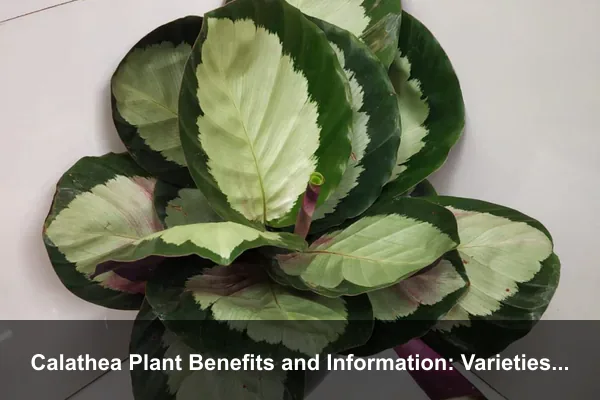
Calathea plant benefits and information are especially useful for people who want an indoor plant that feels decorative, expressive, and practical without relying on flowers. Known for painted-looking leaves, soft tropical shapes, and dramatic foliage patterns, Calathea can turn a quiet shelf, bedroom corner, office desk, or shaded living room into a more natural and intentional space.
Unlike many houseplants that are chosen mainly for height or easy survival, Calathea rewards careful placement and consistent routines. It is not the toughest indoor plant, but it is one of the most visually satisfying when its needs are understood. This guide takes a fresh angle by focusing on how to choose the right Calathea, where to place it, what benefits it brings to indoor spaces, and how to keep it healthy through simple observation rather than guesswork.
What Is a Calathea Plant?
Calathea is a tropical foliage plant group admired for leaves that look hand-painted. Many popular plants sold as Calathea are now botanically classified under related genera such as Goeppertia, but gardeners, nurseries, and plant lovers still commonly use the name Calathea. The term usually refers to patterned prayer-plant relatives with broad leaves, decorative markings, and a preference for warm, humid indoor conditions.
Calathea plants come from tropical regions of Central and South America, where they grow under the forest canopy. This background explains many of their indoor needs. They prefer bright but indirect light, steady moisture, warm temperatures, and protection from harsh sun, cold drafts, and dry air. In the home, they are best treated as refined understory plants rather than rugged desert-style houseplants.
Why Calathea Is Popular Indoors
The main attraction is foliage. Calathea leaves may show stripes, feathered patterns, dark green borders, silver markings, pink tones, purple undersides, or rounded medallion-like designs. Because the leaves are already colorful, the plant gives a room visual interest even when it is not flowering.
Calathea also fits well into modern indoor plant styling because it offers medium scale. It can look substantial on a plant stand, elegant beside a reading chair, and refined on a console table. Many varieties stay compact enough for apartments and small homes, while still feeling more special than a basic green foliage plant.
Key Calathea Plant Benefits for the Home
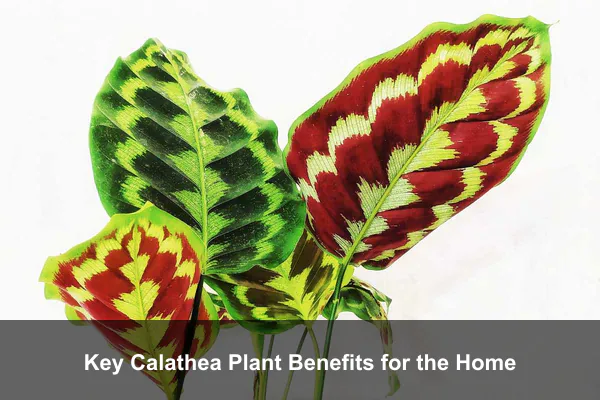
The benefits of Calathea are not limited to appearance. While it should not be treated as a medical or air-purifying cure, it can support a more comfortable indoor environment through beauty, routine, and better awareness of plant care conditions.
1. Decorative Impact Without Flowers
One of the biggest Calathea plant benefits is that it brings color and pattern without needing blooms. Flowering houseplants can be seasonal, but Calathea foliage is the main show all year. This makes it useful for interiors that need texture, contrast, or a gentle tropical accent.
- Striped varieties add movement to neutral rooms.
- Round-leaf varieties soften sharp furniture and modern interiors.
- Pink or purple tones add color without looking overly bright.
- Dark green patterns work well in calm, natural, and minimalist rooms.
2. A Good Plant for Shaded Bright Spaces
Calathea is valuable for homes that have bright rooms but limited direct sun. Many indoor plants stretch or fade in soft light, while Calathea naturally prefers filtered conditions. It can be a strong choice near an east-facing window, a few feet from a bright window, or in a room with sheer curtains.
This does not mean Calathea thrives in darkness. It still needs enough light to maintain leaf color and growth. The benefit is that it does not require the intense sun that would scorch its leaves.
3. Encourages Better Indoor Plant Habits
Calathea teaches observation. Its leaves respond quickly to poor watering, low humidity, harsh minerals, and unsuitable light. For beginners who want to become more attentive plant owners, this can be useful. The plant encourages routines such as checking soil moisture, rotating pots, using better water, and watching how light changes through the day.
4. Softens Workspaces and Living Areas
Indoor greenery can make rooms feel less rigid, especially workspaces filled with screens, cables, and hard surfaces. Calathea’s broad leaves and natural patterns bring a softer focal point to desks, shelves, and side tables. Its appearance suits bedrooms, home offices, reading areas, and calm living rooms.
5. Suitable for Pet-Conscious Homes
Calathea is widely chosen by pet-conscious plant owners because it is generally regarded as non-toxic to cats and dogs. This is a practical benefit compared with many ornamental foliage plants that require stricter placement. Even so, it is still best to discourage chewing because damaged leaves, spilled soil, or stomach upset from plant material can still cause problems.
Popular Calathea Varieties and Their Best Uses
Choosing a Calathea becomes easier when you think about the room, available light, and the kind of visual effect you want. Different varieties create different moods, so the best plant is not always the rarest one.
Calathea Orbifolia
Calathea orbifolia is known for large, round leaves with soft silver-green stripes. It has a calm, elegant look and works well in minimalist interiors. Because the leaves are broad, it looks impressive as a single specimen plant on a stand or low table.
Best for: living rooms, bedrooms, neutral interiors, plant stands, and spaces that need a soft statement plant.
Calathea Medallion
Calathea medallion has oval leaves with bold central patterns and often purple undersides. It is one of the most recognizable types and gives strong contrast in a compact form.
Best for: shelves, sideboards, office corners, and rooms where one patterned plant should stand out.
Calathea Makoyana
Often called peacock plant, Calathea makoyana has delicate markings that resemble feather patterns. It looks lighter and more airy than darker varieties, making it good for bright but indirect areas.
Best for: bright bathrooms, kitchen corners away from heat, and decorative groupings with simpler green plants.
Calathea Lancifolia
Also known as rattlesnake plant, this variety has long, narrow leaves with dark markings and wavy edges. It gives a more vertical, energetic look compared with round-leaf types.
Best for: narrow shelves, desks, compact plant displays, and spaces that need height without taking much width.
Calathea Roseopicta
Calathea roseopicta types often show pinkish lines or painted-looking leaf centers. They are excellent for adding subtle color to rooms that otherwise rely on green foliage.
Best for: decorative tabletops, bedroom accents, and interiors with warm wood, white walls, or muted furniture.
Where to Place Calathea for the Best Results
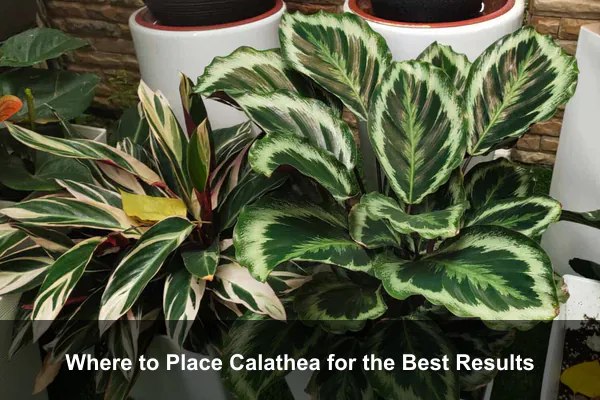
Placement is one of the most important parts of Calathea care. A healthy plant in the wrong spot will often decline, while the same plant in the right location can stay attractive with less effort.
Best Light Conditions
Calathea prefers bright indirect light. Direct midday sun can fade, crisp, or scorch the leaves. Too little light can slow growth, reduce pattern intensity, and keep the soil wet for too long.
Good placement options include:
- Near an east-facing window with gentle morning light.
- A few feet back from a south or west-facing window.
- Beside a bright window filtered by sheer curtains.
- In a bright bathroom with natural light and stable warmth.
- Under a quality grow light if the home is too dim.
Rooms That Often Work Well
Bathrooms can be excellent if they have windows because the humidity is naturally higher. Bedrooms can work well if the plant is away from air conditioners, heaters, and direct sun. Living rooms are suitable when the plant receives indirect brightness and is not beside a drafty door.
Home offices are also useful locations. A Calathea on a side table or cabinet can bring visual relief without taking over the workspace. Choose a compact variety if the desk area is small.
Places to Avoid
Avoid placing Calathea directly beside heating vents, air conditioners, cold windows, or sunny glass doors. These spots create stress through dry air, sudden temperature changes, or leaf burn. Also avoid dark corners where you would struggle to read during the day without artificial light.
Calathea Care Guide: Water, Soil, Humidity, and Temperature
Calathea care becomes much easier when you aim for consistency. The plant dislikes extremes. It does not want to dry completely like a cactus, but it also should not sit in soggy soil. Think of its care as steady, gentle, and balanced.
Watering Calathea Correctly
Water when the top layer of soil begins to feel slightly dry, but before the entire pot becomes bone dry. In many homes, this may mean watering about once a week, but the exact schedule depends on pot size, soil mix, light, temperature, and season.
Use your finger or a moisture meter to check before watering. If the top 2 to 3 centimeters feel dry and the pot feels lighter, it is usually time. Water thoroughly until excess drains from the bottom, then empty the saucer so the roots do not sit in water.
Why Water Quality Matters
Calathea can be sensitive to minerals, chlorine, and fluoride in tap water. Brown leaf edges are often connected to dry air, uneven watering, or mineral buildup. If your tap water is hard, consider using filtered water, rainwater, or water that has been left out overnight. This simple change can improve leaf quality over time.
Best Soil Mix
The ideal Calathea soil mix holds moisture but drains well. A heavy, compact soil can suffocate roots, while an overly dry mix can make watering inconsistent. A good blend may include indoor potting mix, coco coir or peat-based material, perlite, and a small amount of orchid bark.
A practical mix is:
- Two parts quality indoor potting mix.
- One part coco coir or peat-based moisture holder.
- One part perlite for drainage and air.
- A small handful of fine orchid bark for structure.
Humidity Needs
Calathea prefers moderate to high humidity. Many homes, especially those with air conditioning or heating, are drier than the plant would like. A humidity level around 50 percent or higher is often helpful, although exact needs vary by variety and environment.
Better humidity strategies include grouping plants, using a pebble tray carefully, placing the plant in a naturally humid room, or using a small humidifier. Misting can offer temporary moisture on the leaf surface, but it is not a reliable long-term humidity solution by itself.
Temperature Preferences
Calathea grows best in warm, stable indoor temperatures. A comfortable human room temperature is usually suitable, but the plant dislikes cold drafts and sudden changes. Keep it away from open windows during cold weather and avoid placing it close to appliances that produce heat.
Common Calathea Problems and What They Mean
Calathea problems often show up in the leaves. The key is to read symptoms as clues, then adjust one condition at a time. Changing everything at once can make it harder to know what helped.
Brown Leaf Edges
Brown edges are common and usually point to dry air, inconsistent watering, poor water quality, or fertilizer buildup. Trim the damaged edges if needed, but focus on improving the cause. Check humidity, switch to filtered water if necessary, and flush the soil occasionally to reduce mineral accumulation.
Yellow Leaves
Yellowing leaves can happen from overwatering, poor drainage, natural aging, or low light. If several leaves turn yellow and the soil remains wet, inspect the roots and improve drainage. If only one older leaf yellows while new growth looks healthy, it may be normal leaf replacement.
Curling Leaves
Curling often means the plant is trying to reduce moisture loss. It may be too dry, too hot, exposed to direct sun, or sitting in very low humidity. Check the soil first. If the soil is dry, water thoroughly. If the soil is moist, examine light and airflow.
Faded Patterns
Faded leaves may indicate too much direct sun or insufficient overall plant vigor. Move the plant to bright indirect light and remove badly damaged leaves only when necessary. New leaves will show whether the adjustment is working.
Pests
Calathea can attract spider mites, especially in dry conditions. Check leaf undersides regularly for fine webbing, speckled leaves, or tiny moving dots. Isolate affected plants and treat early with gentle methods such as rinsing leaves, wiping with a damp cloth, or using insecticidal soap according to label directions.
How to Style Calathea Without Making Care Harder
Styling should support plant health. A beautiful placement is not successful if the plant declines there. The best approach is to match the decorative goal with the plant’s actual needs.
Use Contrast With Simple Plants
Because Calathea leaves are already patterned, they look best beside simpler foliage plants. Pairing them with plain green plants helps the patterns stand out. Too many highly patterned plants together can make a display feel busy.
Choose the Right Pot
A decorative outer pot can improve the look, but the inner nursery pot or main pot must have drainage. Calathea roots need oxygen, and standing water can cause root rot. If you use a cachepot, remove the plant after watering or empty excess water after it drains.
Match Variety to Furniture Scale
A large Orbifolia may look balanced beside a sofa or low cabinet, while a compact Medallion may suit a shelf or bedside table. Long-leaf varieties can add height to narrow spots. Think about leaf shape, not only pot size.
Keep Leaves Clean
Dust reduces the beauty of Calathea patterns and can interfere with light absorption. Wipe leaves gently with a damp cloth. Avoid heavy leaf-shine products because they can clog leaf surfaces or leave residue.
Buying and Repotting Calathea Wisely
A strong start makes Calathea care easier. When buying a plant, inspect more than the top leaves. Look at the soil, stems, undersides of leaves, and overall structure.
What to Look for When Buying
- Leaves with clear patterns and firm texture.
- No strong sour smell from the soil.
- No fine webbing or pest clusters under leaves.
- Several healthy stems rather than one weak central growth point.
- Moist but not waterlogged soil.
A few minor brown tips are not always a reason to reject a plant, especially with Calathea. However, widespread yellowing, mushy stems, or pest signs should make you choose another specimen.
When to Repot
Repot Calathea only when needed. Signs include roots circling heavily, water running through too quickly, soil that has broken down, or growth that stalls despite good care. Move up only one pot size at a time. A much larger pot can hold too much moisture and increase root problems.
How to Propagate Calathea
Calathea is usually propagated by division, not leaf cuttings. During repotting, gently separate a healthy clump with roots attached and plant it in its own pot. Keep divisions warm, evenly moist, and out of harsh light while they recover.
Calathea Safety and Realistic Expectations
It is important to keep Calathea plant benefits realistic. This plant can beautify a space, support a calming indoor atmosphere, and help people build better plant-care habits. However, it should not be promoted as a guaranteed health treatment, medical solution, or powerful air purifier for the whole home.
For families with pets, Calathea is a sensible decorative choice, but placement still matters. Curious pets may dig in soil, damage leaves, or knock pots over. Use stable planters, place the plant where it can grow undisturbed, and keep the floor clear of fallen leaves.
For beginners, Calathea is manageable but not completely effortless. It needs more attention than a snake plant or ZZ plant. The reward is a more expressive foliage plant with a premium decorative look. If your home is extremely dry or dark, plan for a humidifier, grow light, or a different plant choice.
Quick Calathea Care Checklist
Use this simple checklist to keep care consistent:
- Light: Bright indirect light, no harsh direct sun.
- Water: Keep soil lightly and evenly moist, never soggy.
- Water quality: Use filtered, rain, or low-mineral water if leaf edges brown easily.
- Humidity: Aim for moderate to high humidity, especially in dry rooms.
- Soil: Use a moisture-retentive but well-draining mix.
- Temperature: Keep warm and stable, away from drafts.
- Cleaning: Wipe leaves gently to keep patterns visible and healthy.
- Pests: Check undersides of leaves regularly for spider mites.
- Repotting: Repot only when rootbound or when soil quality declines.
Conclusion
Calathea plant benefits and information are best understood through balance. This is a plant chosen for beauty, softness, variety, and indoor character, but it also asks for consistent care. Give it bright indirect light, suitable water, gentle humidity, and a stable place, and it can become one of the most rewarding ornamental plants in the home.
The unique value of Calathea is its ability to bring design detail without flowers. Its leaves act like natural artwork, making rooms feel more layered and alive. By choosing the right variety, placing it carefully, and responding to leaf signals early, you can enjoy Calathea as both a decorative feature and a satisfying part of your indoor plant routine.
