
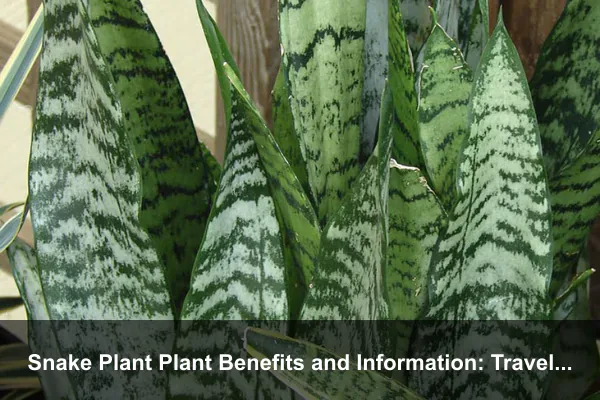
Snake Plant plant benefits and information is often summarized too quickly as simple easy-care advice, but this tough indoor plant deserves a more practical angle: it is one of the best houseplants for people who travel, work irregular hours, split time between homes, or simply do not want a plant that punishes every missed watering day. Its upright leaves, slow growth, and drought tolerance make it useful in real homes where routines are not always perfect.
Commonly sold as snake plant or Sansevieria, and botanically classified in the Dracaena group, this plant offers benefits that are realistic rather than magical. It will not replace ventilation, cleaning, or a proper air purifier, but it can bring durable greenery, low-mess structure, and a calmer visual rhythm to indoor spaces. For anyone interested in Manfaat Tanaman, or practical plant benefits, the snake plant is valuable because it supports a greener home with very little daily effort.
Why Snake Plant Fits Travel-Friendly Indoor Living

The strongest benefit of snake plant is not that it needs no care; it is that it can handle gaps in care better than many decorative indoor plants. Thick, sword-like leaves store moisture and lose water slowly. This makes the plant more forgiving when you are away for a long weekend, a work trip, or a busy period when watering is not your first priority.
A Plant That Matches Imperfect Schedules
Many indoor plants decline because they need frequent checking, stable humidity, or exact watering habits. Snake plant is different. In most indoor settings, it prefers to dry between waterings. That means a forgetful owner is often less dangerous than an overenthusiastic one. For busy homes, this is a genuine benefit: care can be simple, visible, and easy to repeat.
- Low watering demand: established plants often need water only when the potting mix is dry.
- Slow growth: it does not quickly outgrow its pot or demand constant pruning.
- Strong form: upright leaves keep rooms looking tidy even when the plant is not actively growing.
- Low leaf drop: it usually creates less mess than many soft-leaved indoor plants.
Realistic Indoor Air Value
Snake plants are often promoted as air-cleaning plants. While some laboratory studies have explored how plants interact with indoor pollutants, a single houseplant cannot clean an entire room at a meaningful rate in normal living conditions. The more accurate benefit is that snake plant adds living greenery without adding fragrance, pollen-heavy flowers, or a complicated maintenance burden. Good ventilation, dust control, and source reduction remain more important for indoor air quality.
Essential Snake Plant Information at a Glance
Before choosing a snake plant, it helps to understand what kind of plant you are bringing home. The classic type has tall, upright leaves with green banding and sometimes yellow margins. Compact types grow shorter and suit shelves, side tables, and narrow surfaces. Cylindrical types have rounded spear-like leaves and a more sculptural look.
Botanical and Common Names
The plant was widely known as Sansevieria trifasciata, and many nurseries still use the name Sansevieria because shoppers recognize it. Current botanical classification places it under Dracaena trifasciata. Both names may appear on labels, and both usually refer to the same familiar houseplant group.
- Common name: snake plant, mother-in-law’s tongue, Sansevieria.
- Botanical group: Dracaena, formerly Sansevieria.
- Growth habit: upright, rhizome-forming, slow to moderate indoors.
- Best indoor role: durable foliage for low-maintenance rooms.
- Main caution: mildly toxic if chewed by pets or children.
What Makes the Leaves So Resilient
The leaves are firm because they are designed to conserve water. Their waxy surface reduces moisture loss, and the plant’s growth rhythm is naturally slow compared with many tropical foliage plants. This does not mean it thrives in neglect forever. It still needs light, drainage, and occasional watering. However, its structure gives it a margin of safety that works well for households that cannot maintain a daily plant routine.
How to Set Up a Snake Plant Before You Leave Home
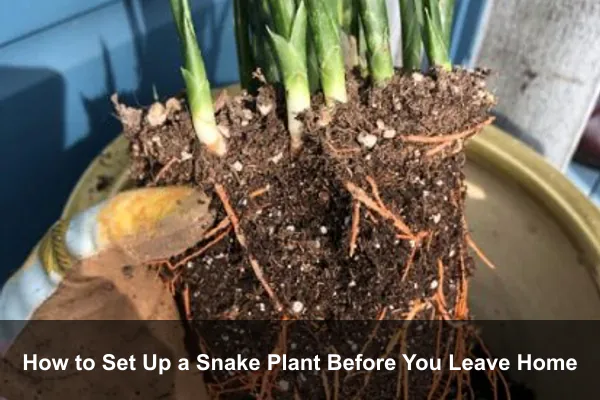
A travel-friendly snake plant begins with the right setup. Most failures happen not because the owner went away, but because the plant was placed in a pot that stayed wet for too long. If you want a snake plant to be reliable during absences, prioritize drainage, light, and pot stability before thinking about fertilizer or styling.
Choose a Pot That Drains Properly
A drainage hole is strongly recommended. Decorative pots without holes can trap water at the bottom, where roots and rhizomes may rot. If you love the look of a closed decorative container, use it as a cachepot: keep the snake plant in a nursery pot with holes, then place that inside the outer pot. After watering, remove the inner pot, let it drain fully, and return it only when excess water has stopped dripping.
Use a Fast-Draining Potting Mix
Snake plant does best in a loose mix that allows air around the roots. A cactus or succulent blend can work, especially when improved with pumice, perlite, coarse sand, or fine bark. The goal is not dry dust; the goal is a mix that moistens evenly and then dries within a reasonable time.
- Start with a quality indoor potting mix or cactus mix.
- Add extra perlite, pumice, or coarse mineral material for drainage.
- Avoid heavy garden soil, which compacts in containers.
- Do not pack the soil too firmly around the roots.
Place It in Useful Light
Snake plant tolerates lower light than many houseplants, but tolerance is not the same as preference. For stronger growth, better leaf color, and faster drying soil, place it in bright indirect light. It can sit several feet from a sunny window or near an east-facing window. Harsh afternoon sun through glass may scorch some varieties, so introduce stronger light gradually.
Watering Strategy for Irregular Schedules
Watering is the main skill that determines whether a snake plant becomes a long-term benefit or a recurring problem. The rule is simple: water deeply, then wait. Shallow, frequent sips keep the top layer damp and encourage weak roots near the surface. A better method is to water until excess drains out, then leave the plant alone until the mix dries.
Before a Short Trip
If you will be away for a few days to two weeks, do not automatically water on departure day. Check the soil first. If the mix is still damp, watering again may create more risk than benefit. If the mix is dry, water thoroughly, drain the pot well, and place the plant where it receives steady indirect light without extreme heat.
Before a Longer Absence
For longer travel, the safest approach is to reduce stress rather than force constant moisture. Move the plant slightly away from intense direct sun, confirm the pot is draining, and avoid fertilizing right before leaving. A snake plant in a cool, bright room with dry soil often handles absence better than one left sitting wet in a dark corner.
After You Return
When you come home, inspect before acting. Wrinkled leaves can indicate thirst, but soft, mushy leaves point toward rot. Dry soil and firm leaves usually mean the plant is fine. If the pot is bone dry and the plant feels light, water thoroughly and let it drain. If the soil is damp after a long absence, increase light and airflow and wait before watering again.
Benefits Beyond Survival
The benefits of snake plant are not limited to surviving neglect. It can improve how a room feels and how easy it is to keep greenery in daily life. Because it grows vertically, it adds height without sprawling across furniture. Because it has bold leaves, one plant can look intentional without needing a group of accessories around it.
Visual Calm Without High Maintenance
Snake plant has a clean, architectural shape that suits modern, traditional, minimalist, and rental interiors. Its vertical leaves draw the eye upward and can make a corner feel more finished. Unlike flowering plants that cycle between display and rest, snake plant is grown for foliage, so its decorative value stays consistent through the year.
A Good Plant for Building Care Confidence
For beginners, snake plant teaches useful indoor gardening habits. It rewards observation rather than constant action. You learn to feel pot weight, check soil dryness, notice leaf firmness, and understand light changes. These skills transfer to many other houseplants. In this sense, the plant’s benefit is educational as well as decorative.
Low-Mess Greenery for Shared Homes
In shared apartments, family homes, and compact living spaces, plants must fit around real life. Snake plant usually does not shed heavily, does not trail into walkways, and does not require frequent misting. It can sit in a stable pot near a wall, console, or bright corner and keep its shape with minimal interference.
Safety, Pets, and Responsible Home Use
A complete guide to Snake Plant plant benefits and information should include safety. Snake plant is considered mildly toxic when ingested. Chewing the leaves can cause drooling, nausea, vomiting, or stomach upset in pets and may irritate children. It is not usually dangerous to touch, but it should be placed out of reach if your household includes curious cats, dogs, toddlers, or anyone likely to bite plants.
Where to Place It Safely
Choose a heavy, stable pot if the plant is tall. Narrow plastic nursery pots can tip when leaves become top-heavy. A ceramic outer pot or a wider planter can improve stability, but drainage still matters. Keep the plant away from play areas, low shelves used by pets, and surfaces where it could be knocked down easily.
Avoid Medicinal Claims
Snake plant is an ornamental plant, not a home remedy. It should not be eaten, brewed, applied to skin, or used as a substitute for medical treatment. Its best benefits are environmental and practical: attractive greenery, simple care, tolerance for dry periods, and a manageable way to bring plants indoors.
Propagation and Long-Term Renewal
Another practical benefit of snake plant is that a healthy mature plant can be renewed or shared. Propagation is not urgent, because snake plants grow slowly, but it can help you refresh an old pot, create smaller plants, or save healthy sections from a crowded container.
Division Is the Most Reliable Method
Division means separating a clump with roots and rhizomes attached. This is usually faster and more predictable than leaf cuttings. Remove the plant from its pot, look for natural sections, and separate them with clean hands or a clean blade. Each division should have roots and at least one healthy leaf cluster. Repot into fresh, airy mix and wait a few days before watering if roots were damaged.
Leaf Cuttings Take Patience
Leaf cuttings can work, but they are slower. A cut leaf section may root in water or soil, then eventually produce a new shoot. Variegated types with yellow margins may not preserve the same pattern from leaf cuttings, so division is better if you want to keep the exact look. This matters for decorative varieties where the leaf edge is part of the plant’s appeal.
Low-Waste Plant Ownership
Instead of replacing a struggling plant too quickly, inspect it. Healthy firm sections can often be divided and restarted. Damaged leaves can be removed cleanly. Old soil can be replaced. This low-waste approach turns snake plant care into a more sustainable habit and supports the broader idea of Manfaat Tanaman: plants are most beneficial when they are cared for responsibly over time.
Common Problems and Quick Fixes
Snake plant problems are usually easy to diagnose because the leaves show stress clearly. The key is to avoid responding to every symptom with more water. Many indoor snake plants decline from excess moisture rather than dryness.
- Soft, mushy leaf bases: usually a sign of overwatering or poor drainage. Stop watering, check the roots, and remove rotten sections.
- Wrinkled, folding leaves: often means the plant has been dry for too long. Water deeply if the soil is fully dry.
- Brown tips: may come from inconsistent watering, salt buildup, physical damage, or very dry conditions. Trim only if needed.
- Pale, stretched growth: suggests insufficient light. Move the plant gradually into brighter indirect light.
- Leaning leaves: can happen from low light, unstable potting, or root loss. Check the roots and rotate the plant occasionally.
- Small flying insects: fungus gnats may appear if soil stays damp. Let the mix dry more fully and improve drainage.
When to Repot
Repot when the plant is severely crowded, the pot cracks, water runs around the root ball without soaking in, or the soil has become compacted. Snake plant does not need frequent repotting. Moving up one pot size is usually enough. A much larger container holds more moisture than the roots can use, which raises the risk of rot.
When to Fertilize
Fertilizer is optional and should be modest. Feed lightly during active growth with a balanced houseplant fertilizer diluted according to label directions. Do not fertilize a stressed, freshly divided, or waterlogged plant. More fertilizer will not fix poor light or bad drainage.
Best Rooms and Situations for This Plant
Because this article focuses on travel-friendly and irregular-schedule care, the best locations are places where the plant can receive steady light and stay undisturbed. A bright living room corner, apartment entry console, guest room, hallway with natural light, or second-home sitting area can all work. The plant is especially useful where you want greenery but cannot commit to constant grooming.
For People Who Travel Often
Keep the plant in a breathable potting mix, use a pot with drainage, and maintain a simple check-before-you-water habit. Avoid complicated self-watering devices unless you understand how wet they keep the soil. Snake plant usually prefers a dry gap over constant dampness.
For Busy Families
Assign one person to water only when the soil is dry. Multiple people caring for the same plant can accidentally overwater it. A small note on the pot or a shared plant-care reminder can prevent duplicate watering.
For Beginners
Start with one healthy, medium-sized plant rather than several small cuttings. A stronger plant with established roots is easier to manage. Look for firm leaves, no sour smell from the soil, and no soft dark patches at the base.
Conclusion
Snake Plant plant benefits and information should be understood through everyday usefulness, not exaggerated claims. This plant is valuable because it brings strong vertical foliage, low-mess greenery, and forgiving care into homes where schedules are busy, travel is common, and routines are not always perfect.
For the best results, give your snake plant bright indirect light, a draining pot, airy soil, and patient watering. Keep it away from pets and children who may chew it, avoid treating it as medicine, and respect its preference for drying between waterings. With that simple approach, snake plant becomes more than a decorative trend. It becomes a practical, long-lasting indoor plant that supports a greener home with less stress and less waste.
