
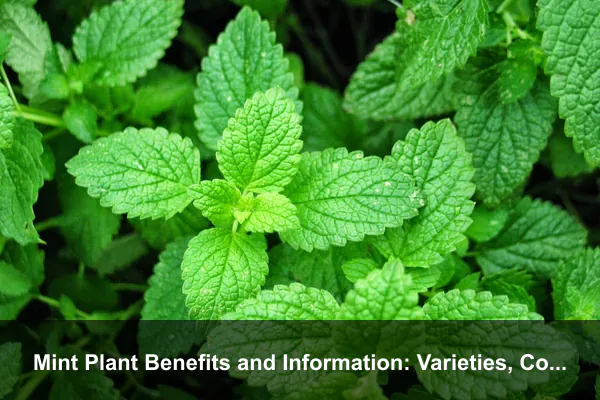
Mint is one of the most familiar herbal plants in the world, yet it is often underestimated because it grows so easily. A small pot near a kitchen window can become a steady source of fresh leaves for drinks, sauces, salads, desserts, and aromatic home routines. When people search for Mint plant benefits and information, they usually want more than a list of uses. They want to know which mint is worth growing, how to keep it productive, and how to enjoy its benefits without letting the plant become messy or invasive.
This guide takes a practical planning angle. Instead of looking at mint only as a basic potted herb, it explains how to choose varieties, place mint in the right part of the home or garden, harvest it for better flavor, preserve the leaves, and use the plant responsibly. Mint is valuable because it combines culinary freshness, fragrance, beginner-friendly growth, and garden usefulness in one compact plant.
Why Mint Is a High-Value Herbal Plant
Mint belongs to the Mentha genus, a group of aromatic plants known for square stems, opposite leaves, and a cooling scent produced by natural plant compounds such as menthol and related oils. Different mint varieties vary in flavor, leaf texture, growth habit, and strength of aroma, but they share one important trait: they are fast-growing herbs that can quickly reward regular harvesting.
Practical benefits for daily life
The most useful mint plant benefits are simple and practical. Fresh leaves can brighten plain water, balance rich foods, add fragrance to a room, and make home cooking feel more complete. Because mint regrows after cutting, one healthy plant can replace repeated purchases of small plastic herb packs from the store.
- Culinary freshness: Mint adds a clean, cooling note to tea, infused water, salads, chutneys, sauces, fruit bowls, rice dishes, and desserts.
- Aromatic value: The leaves release a crisp scent when touched, making mint useful near seating areas, balconies, and kitchen doors.
- Beginner-friendly growth: Mint is forgiving, roots easily from cuttings, and responds well to frequent trimming.
- Small-space suitability: A single container can produce enough leaves for regular household use.
- Garden support: Flowering mint can attract pollinators when allowed to bloom in a controlled area.
Why mint feels different from many herbs
Some herbs are delicate, slow, or sensitive to small care mistakes. Mint is different because it grows from vigorous stems and underground runners. That strength is a benefit when the plant is grown in a pot, trough, or planned herb station. In open garden soil, however, the same growth habit can become a problem if the roots are not contained.
Mint Plant Benefits and Information by Variety
Choosing the right mint variety matters because not all mint tastes the same. Some types are sharp and cooling, while others are softer, sweeter, fruitier, or more decorative. If space is limited, start with one variety that matches your main use. If you enjoy cooking or herbal drinks, growing two or three labeled pots can give you more flavor options.
Peppermint
Peppermint has a strong, cooling aroma and is one of the most recognizable mint types. It is often used in herbal teas, desserts, chocolate recipes, and refreshing drinks. Its flavor can be intense, so a few leaves usually go a long way. Peppermint is a good choice for people who want a bold mint scent and a classic cooling taste.
Spearmint
Spearmint is usually milder and sweeter than peppermint. It is popular in salads, yogurt sauces, lemonades, rice dishes, and everyday kitchen use because it does not dominate as quickly. For a first mint plant, spearmint is often the most versatile choice.
Apple mint, pineapple mint, and other scented types
Apple mint has soft, slightly fuzzy leaves and a gentle fruity note. Pineapple mint is often grown as much for its variegated leaves as for its scent. These types are useful when you want mint in ornamental herb borders or mixed container gardens. They may not always have the strongest flavor, but they add visual interest and a softer aroma.
Chocolate mint and specialty mint
Chocolate mint has a dessert-like fragrance that pairs well with cocoa, coffee drinks, and sweet dishes. Specialty mint varieties are best grown in separate labeled containers because their flavors can be subtle, and mixing them together makes identification difficult. Keeping varieties apart also prevents aggressive growth from overtaking weaker types.
Kitchen Benefits of Fresh Mint
Mint earns its place in the kitchen because it changes the character of food quickly. A small handful of leaves can make a drink feel colder, a sauce feel brighter, or a heavy meal feel lighter. This is one reason mint appears in many food traditions, from Southeast Asian salads and Middle Eastern tabbouleh to Indian chutneys and Mediterranean yogurt sauces.
Fresh leaves for drinks
Mint is excellent for infused water, iced tea, warm herbal drinks, smoothies, and homemade lemonade. For the best flavor, lightly bruise the leaves before adding them to cold drinks. Crushing them too aggressively can release bitter notes, especially from older leaves or stems.
Balancing rich and spicy food
Mint works well with chili, lime, garlic, yogurt, cucumber, lamb, peas, potatoes, watermelon, and citrus. It can cool the impression of spicy food and add contrast to creamy or oily dishes. For savory recipes, spearmint is often easier to use than peppermint because it is softer and less medicinal in flavor.
Reducing herb waste
A living mint plant helps reduce waste because you harvest only what you need. Store-bought mint bunches often wilt before all the leaves are used. With a container plant, you can cut fresh sprigs for one meal, then let the plant regrow for the next.
Designing a Mint Planting System That Stays Under Control
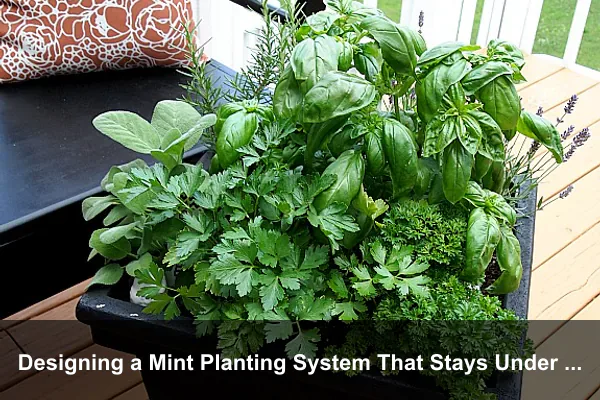
The most important information about mint is this: it is easy to grow, but it should be managed intentionally. Mint spreads by stems and runners, and it can move through garden beds faster than expected. The best approach is not to avoid mint, but to give it a clear boundary.
Use containers as root barriers
Containers are the simplest way to enjoy mint plant benefits without letting the plant take over. Choose a pot with drainage holes and enough width for regular cutting. A pot that is too small dries out quickly, while a wider container gives the roots room to support steady leaf production.
- Use a pot at least 20 to 30 cm wide for one starter plant.
- Choose a heavier container if the mint will sit outdoors in wind.
- Refresh the potting mix when growth becomes woody or weak.
- Keep different mint varieties in separate pots.
- Trim stems that trail over the edge and touch soil nearby.
Where to place mint
Mint generally performs best with bright light and some protection from harsh afternoon heat. In hot climates, morning sun with light afternoon shade is often ideal. Indoors, place mint near a bright window and rotate the pot so growth stays even. Outdoors, keep it near the kitchen, patio, or garden path where harvesting is convenient.
Companion planting with caution
Mint can be useful near vegetable gardens because its strong scent may help confuse some pests, and its flowers can attract beneficial insects. However, it should usually be grown in pots placed near beds rather than planted directly among vegetables. This gives you the companion planting benefit while keeping roots controlled.
How to Harvest Mint for Better Flavor
Harvesting is not just about taking leaves. It is also how you shape the plant. Regular cutting encourages branching, prevents long bare stems, and keeps new leaves coming. The best mint is usually harvested before the plant becomes too woody or heavily flowered.
Best time to cut mint
For the freshest flavor, harvest mint in the morning after the leaves have dried but before the day becomes hot. Young leaves are tender and bright, while older leaves can become stronger and sometimes slightly bitter. If you need mint for a recipe, cut sprigs rather than picking random individual leaves from all over the plant.
- Choose healthy stems with several pairs of leaves.
- Cut just above a leaf node to encourage branching.
- Remove yellow, damaged, or pest-affected leaves.
- Use fresh sprigs immediately or place them in a glass of water for short storage.
- After a large harvest, water the plant and give it time to regrow.
How much to harvest
A strong mint plant can handle frequent trimming, but avoid removing all leaves at once. A good rule is to leave enough green growth for the plant to keep producing energy. If the plant looks stressed, harvest lightly until it recovers.
What to do when mint flowers
Mint flowers are not a failure. They can support pollinators and add beauty to a herb container. However, flowering can reduce leaf tenderness. If your main goal is kitchen harvest, pinch flower buds early. If your goal includes pollinator support, let one container bloom while keeping another trimmed for leaves.
Preserving Mint Leaves for Later Use
Fresh mint is ideal, but preservation helps you make the most of a productive plant. The best method depends on how you plan to use the leaves. Dried mint is convenient for tea and seasoning, while frozen mint keeps a fresher color and aroma for drinks and cooking.
Air drying
To dry mint, gather clean stems, remove damaged leaves, and hang small bundles in a dry, shaded, well-ventilated place. Avoid direct sun because it can reduce color and aroma. Once the leaves crumble easily, store them in an airtight container away from heat and light.
Freezing
Freezing works well for mint used in drinks, soups, sauces, or cooked dishes. Chop clean leaves and freeze them in ice cube trays with water. You can also freeze whole leaves on a tray before moving them into a sealed container. Frozen mint will not have the same texture as fresh mint, but the flavor remains useful.
Mint vinegar, syrup, and infused water
Mint can be used to flavor vinegar, simple syrup, and short-term infused water. Keep food safety in mind: use clean containers, refrigerate fresh infusions, and discard anything that smells off or looks cloudy in an unusual way. Homemade mint products are best made in small batches.
Common Mint Problems and Simple Fixes
Mint is resilient, but it is not problem-free. Most issues come from poor light, crowded roots, soggy soil, heat stress, or inconsistent harvesting. Watching the leaves gives you early clues.
Leggy growth
Long, weak stems usually mean the plant needs more light or more frequent trimming. Move the pot to a brighter position and cut back stretched stems above a healthy node. New growth should become fuller if light improves.
Yellow leaves
Yellowing can happen from overwatering, underwatering, exhausted soil, or root crowding. Check the pot before adding more water. If the soil stays wet for too long, improve drainage. If the plant dries out every day, move it to a slightly larger pot or add mulch on top of the potting mix.
Pests and leaf damage
Aphids, spider mites, caterpillars, and flea beetles may occasionally attack mint. For edible herbs, start with gentle controls: rinse leaves with water, remove badly affected stems, improve airflow, and avoid overcrowding. If using any garden product, choose one labeled for edible plants and follow the instructions carefully.
Rust or mildew
Orange spots, powdery patches, or blackened leaves can indicate fungal problems. Remove affected growth, avoid wetting leaves late in the day, and improve spacing. If a plant is badly infected, it may be better to start fresh from a clean cutting or new plant.
Safety and Responsible Use of Mint
Mint is widely used as a culinary herb, but responsible use still matters. Fresh leaves in normal food amounts are very different from concentrated mint essential oil. Essential oils are much stronger and should not be treated like tea leaves or cooking herbs.
Herbal use without medical overclaiming
Mint tea and mint aroma are commonly enjoyed for comfort, freshness, and relaxation routines. However, mint should not be presented as a cure for medical conditions. People with reflux, allergies, chronic health issues, pregnancy concerns, or medication questions should ask a qualified health professional before using mint in concentrated or therapeutic ways.
Pets and children
Keep concentrated peppermint oil and other essential oils away from children and pets unless guided by a professional. Some pets may chew plants and experience stomach upset. If you grow mint indoors with pets, place the pot where it can be enjoyed by people but not constantly grazed by animals.
Buying, Propagating, and Refreshing Mint
Mint is easy to start from nursery plants, cuttings, or divisions. When buying a plant, choose one with fresh green growth, no sticky residue, no webbing, and no strong signs of disease. Avoid plants that are severely root-bound unless you are ready to divide and repot them immediately.
Growing from cuttings
Mint cuttings root quickly in water or moist potting mix. Cut a healthy stem, remove the lower leaves, and place the bare nodes in water. Once roots form, move the cutting into a small pot with fresh mix. Keep it evenly moist while it adjusts.
Refreshing an old mint pot
After months of growth, mint can become woody, crowded, or less flavorful. Refresh it by cutting back tired stems, dividing the root mass, and repotting a healthy section into new potting mix. This keeps the plant productive and prevents the container from becoming a tangled block of roots.
Conclusion
Mint plant benefits and information are most useful when they help you make practical decisions. Mint is not just a fragrant herb; it is a productive, flexible, beginner-friendly plant that can support cooking, drinks, small-space gardening, pollinator activity, and low-waste harvesting. The key is to grow it with a plan.
Choose the right variety, keep it in a container, place it where harvesting is easy, trim it often, and preserve extra leaves before they lose quality. With those habits, mint becomes more than a plant that survives. It becomes a reliable home herb that earns its space every week.
