
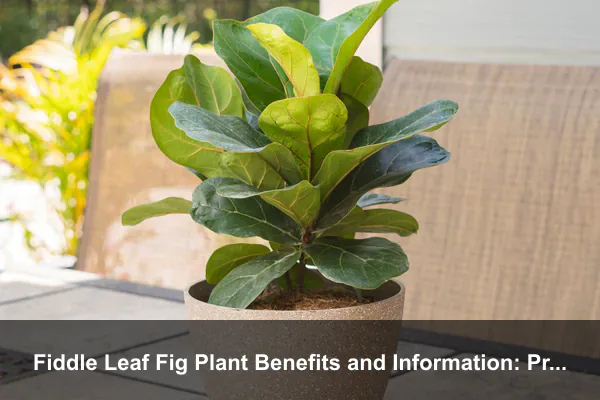
The Fiddle Leaf Fig is one of the most recognizable indoor plants in modern homes, offices, studios, and boutique-style interiors. With its tall frame, broad violin-shaped leaves, and sculptural presence, it can change the feel of a room faster than many smaller houseplants. Yet the real value of this plant is not only visual. A thoughtful look at Fiddle Leaf Fig plant benefits and information shows that this plant offers design impact, plant-care learning, a stronger connection to nature, and a practical way to make indoor spaces feel more intentional.
Known botanically as Ficus lyrata, the Fiddle Leaf Fig is native to tropical regions of western Africa, where it can grow much larger than it usually does indoors. As a houseplant, it rewards consistency more than constant attention. This guide focuses on a unique angle: how to use the Fiddle Leaf Fig as a living architectural feature while keeping it healthy, manageable, and suitable for everyday indoor life.
Understanding the Plant Before the Benefits
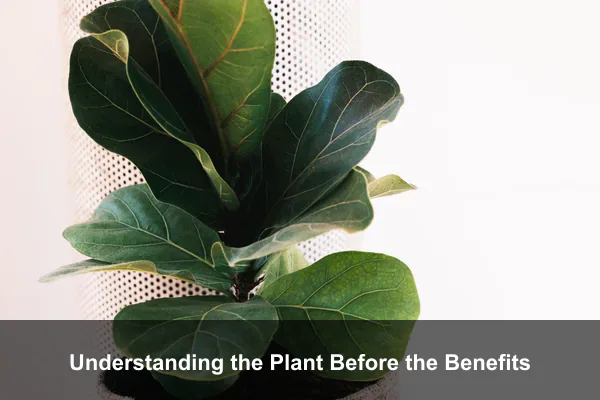
The Fiddle Leaf Fig is often described as a statement houseplant, but that phrase only makes sense when you understand its growth habit. Unlike trailing plants, compact herbs, or soft ferns, this plant grows upright with large leaves held on a woody stem. That gives it a tree-like presence indoors, even when it is still young. This structure is why many people use it near sofas, reading chairs, entryways, stair landings, and large windows.
Botanical Profile and Growth Style
Ficus lyrata belongs to the fig family, Moraceae. Indoors, it usually grows as a single-trunk or multi-stem plant with thick, glossy leaves. Its leaves are the main attraction: large, leathery, deeply veined, and shaped somewhat like a violin or fiddle. In bright indoor conditions, the plant may produce new leaves during warm growing seasons, though it rarely flowers or fruits inside ordinary homes.
Because it is a tropical plant, it responds best to stable warmth, bright filtered light, and a consistent watering rhythm. It dislikes sudden environmental changes. Moving it from a nursery, rotating it too aggressively, repotting it at the wrong time, or shifting it from bright light to a dark corner can trigger stress. This does not make it impossible to grow. It simply means the plant asks for steadiness.
Why It Feels So Different Indoors
Many houseplants add texture. The Fiddle Leaf Fig adds scale. One well-placed plant can fill vertical space, soften hard walls, and make a room feel more finished without adding clutter. This is one reason it has become popular in apartments and homes where floor space is limited but vertical space is available. Instead of using many small decorative objects, a single healthy Fiddle Leaf Fig can create a clean focal point.
Fiddle Leaf Fig Plant Benefits for Modern Indoor Living
The most honest approach to Fiddle Leaf Fig benefits is to avoid exaggerated claims. This plant will not transform indoor air overnight or replace ventilation, cleaning, humidity control, or good lighting. Its benefits are more practical and experiential: visual comfort, biophilic design, routine-building, modest humidity support, and the satisfaction of maintaining a living feature in the home.
Visual Calm and Biophilic Design
Biophilic design is the idea that people tend to feel better in spaces that include natural materials, daylight, plants, and organic forms. The Fiddle Leaf Fig fits this concept well because its leaves are large enough to be noticed from across a room. The repeated pattern of veins, the natural green color, and the upright growth habit can soften interiors dominated by screens, tiles, concrete, metal, or plain painted walls.
For people who spend much of their day indoors, a healthy plant can act as a visual pause. Looking away from a screen toward a green living object may help a room feel less sterile and more grounded. This is not a medical treatment, but it is a meaningful environmental benefit. In the broader context of manfaat tanaman, or plant benefits, the Fiddle Leaf Fig is valuable because it supports a more nature-connected atmosphere.
Strong Decorative Value Without Excess Decor
One major benefit of the Fiddle Leaf Fig is that it can reduce the need for excessive decoration. A bare corner, empty wall, or awkward transition between furniture pieces can often be improved by one well-proportioned plant. This is especially useful in minimalist, Scandinavian, Japandi, tropical modern, and contemporary interiors where the goal is warmth without visual noise.
- In living rooms: it can frame a sofa, reading chair, or media wall.
- In bedrooms: it can add softness near a bright window, provided pets and children cannot chew it.
- In offices: it can create a natural focal point behind a desk or beside a bookshelf.
- In entryways: it can make the first impression feel fresher and more welcoming.
A Plant That Teaches Observation
Some beginner plants tolerate neglect so well that owners learn very little from them. The Fiddle Leaf Fig is different. It teaches observation. You begin to notice how soil dries, how leaves respond to light, how new growth emerges, and how the plant changes after pruning or rotation. This makes it a rewarding plant for owners who want to become more skilled indoor gardeners, not just passive plant collectors.
Modest Indoor Comfort Benefits
Like many leafy plants, the Fiddle Leaf Fig releases moisture through transpiration and can contribute slightly to indoor humidity near its leaves. Its large foliage can also catch dust, which is useful only if the leaves are cleaned regularly. These benefits are modest, but they still matter in small everyday ways. A clean, hydrated, actively growing plant can make a space feel fresher, especially when combined with proper ventilation and regular home care.
Essential Information Before Bringing One Home
Before buying a Fiddle Leaf Fig, it helps to think like a plant owner rather than a shopper. The most beautiful plant in the store is not always the best plant for your home. The right choice depends on light, room size, maintenance habits, pot weight, and whether the plant will be safe around pets and children.
Light Requirements
Bright, indirect light is the sweet spot. A Fiddle Leaf Fig usually performs well near an east-facing window, a bright south-facing room with filtered light, or a west-facing room where harsh afternoon sun is softened by distance or a sheer curtain. Too little light often leads to slow growth, weak stems, leaf drop, or soil that stays wet too long. Too much direct sun, especially after the plant has been grown in softer nursery conditions, can scorch leaves.
If your room is dim for most of the day, this may not be the best plant unless you are willing to use a grow light. Choosing a Fiddle Leaf Fig for a dark corner because it looks good there is one of the most common mistakes. Place the plant where it can live well first, then design around that placement.
Space and Size Planning
A small Fiddle Leaf Fig can become a large indoor feature over time. Before buying one, measure the intended area. Leave enough space for leaf spread, air movement, cleaning, and turning the pot. Avoid pushing the plant tightly against walls or furniture, because compressed leaves are more likely to bend, tear, or collect dust.
Pot size also matters. A large ceramic planter looks elegant, but it can become heavy and difficult to move. If you like the look of a decorative pot, keep the plant in a nursery pot with drainage holes and place that inside the outer container. This makes watering, inspection, and repotting easier.
Safety for Pets and Children
The Fiddle Leaf Fig contains a milky sap that can irritate skin and is considered unsafe if chewed by cats, dogs, or children. It is not the best choice for homes where pets regularly bite leaves or dig in soil. If you still choose to grow it, place it out of reach, clean fallen leaves quickly, and wear gloves when pruning or handling fresh cuts.
A Stability-First Care Routine
The secret to Fiddle Leaf Fig care is not doing more. It is doing the right things consistently. This plant often struggles when owners overcorrect every small change: watering too often after one drooping leaf, moving the plant repeatedly, adding fertilizer to a stressed root system, or repotting because of normal acclimation leaf drop. A stability-first routine prevents many problems before they begin.
Watering by Soil Moisture
Watering should be based on soil moisture, not a fixed calendar. In many homes, the top several inches of soil should dry before watering again. When it is time to water, water thoroughly until excess drains from the bottom, then empty any saucer or cachepot so the roots do not sit in stagnant water. Constantly wet soil can suffocate roots and invite root rot.
Season, pot size, temperature, light, and soil mix all affect watering frequency. A plant in bright light may dry faster than one in a shaded room. A plant in a dense potting mix may stay wet longer than one in a chunky, well-aerated mix. This is why touching the soil or using a moisture meter is more reliable than watering every Saturday without checking.
Soil and Drainage
A good Fiddle Leaf Fig mix should hold some moisture while still allowing air around the roots. Many indoor gardeners use a quality potting mix amended with orchid bark, perlite, pumice, or coco chips to improve structure. Drainage holes are essential. Decorative pots without drainage can work only as outer covers, not as the actual growing container.
Leaf Cleaning and Rotation
The broad leaves are beautiful, but they collect dust. Dust blocks light and makes the plant look dull. Wipe leaves gently with a damp cloth every few weeks, supporting each leaf from below so it does not tear. Avoid heavy leaf-shine products, which can clog the leaf surface or create an unnatural finish.
Rotate the plant slightly every couple of weeks if it leans toward the light, but avoid dramatic changes. A quarter turn is usually enough. The goal is balanced growth, not disorienting the plant.
Feeding During Active Growth
Fertilizer is useful during spring and summer when the plant is actively growing. Use a balanced houseplant fertilizer at a diluted rate, following label instructions. Do not fertilize a severely stressed, freshly repotted, or root-damaged plant. Fertilizer supports growth, but it does not fix poor light, soggy soil, or pest problems.
Pruning, Shaping, and Size Control
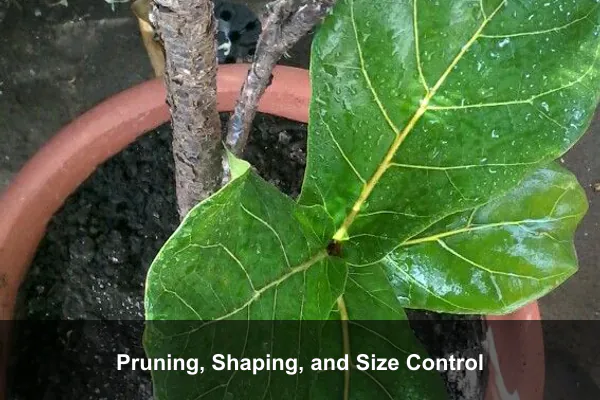
Pruning is one of the most useful but underused parts of Fiddle Leaf Fig care. Many owners are afraid to cut the plant because each leaf feels valuable. However, careful pruning can create a stronger shape, encourage branching, control height, and help the plant fit the room for many years.
When to Prune
The best time to prune is usually during active growth, often spring or early summer. The plant has more energy then and is more likely to respond with new shoots. Avoid major pruning during cold, dark months unless you are removing dead, damaged, or diseased growth.
Use clean, sharp pruners and wear gloves because the sap can be irritating. Cut just above a node, which is a point where a leaf or dormant bud emerges. After cutting, the plant may push new growth near that area. Results are not instant, so patience is part of the process.
Encouraging Branching
A single-stem Fiddle Leaf Fig can look elegant, but some owners prefer a fuller tree form. To encourage branching, prune the top once the plant has reached a height you can manage. Strong light is important after pruning. Without enough light, the plant may respond weakly or produce stretched growth.
- Choose the final height you want the main trunk to reach.
- Make a clean cut above a healthy node during the growing season.
- Keep light, watering, and humidity stable while new buds develop.
- Allow new branches to grow before making additional shaping cuts.
Staking and Trunk Strength
Young plants sometimes need support, especially if they were grown close together in nursery conditions. A stake can help temporarily, but the goal is not permanent dependence. Gentle air movement, adequate light, and careful rotation can help the stem strengthen over time. Avoid tying the trunk too tightly. Use soft plant ties and check them regularly so they do not cut into the bark.
Common Problems and Practical Fixes
Fiddle Leaf Fig problems often look dramatic because the leaves are large. One brown patch or dropped leaf can feel like a crisis. The key is to diagnose patterns rather than panic over one imperfect leaf. Indoor plants are living things, and older leaves naturally age over time.
Leaf Drop After Moving
Leaf drop after purchase or relocation is common. The plant may be adjusting to different light, humidity, temperature, and watering conditions. Give it a stable place and avoid moving it repeatedly. Check soil moisture before watering, keep it away from cold drafts, and wait for new growth before making major changes.
Brown Edges or Brown Spots
Brown edges can come from inconsistent watering, low humidity, root stress, salt buildup, or old mechanical damage. Dark, soft spots may suggest overwatering or root issues, especially if the soil stays wet and smells sour. Crispy tan patches may be sunburn, particularly if the plant was suddenly exposed to harsh direct sun.
Look at the whole situation: light level, recent moves, soil moisture, drainage, and season. A single damaged leaf does not always need removal, but leaves that are mostly dead can be trimmed away so the plant looks cleaner.
Pests to Watch For
Common pests include spider mites, scale, mealybugs, and fungus gnats. Inspect the undersides of leaves, leaf joints, and stems. Sticky residue, webbing, cotton-like clusters, or tiny moving dots are warning signs. Isolate affected plants and treat early with appropriate houseplant-safe methods, such as wiping pests away, using insecticidal soap, or improving soil drying practices for gnats.
Indoor Styling Ideas That Support Plant Health
The best styling choice is the one that also supports plant health. A Fiddle Leaf Fig should not be treated like a piece of furniture that can be placed anywhere. It is a living design element, so its location must balance beauty with light, airflow, access, and safety.
Use It as a Vertical Anchor
Place the plant where it can visually anchor a room. Corners near bright windows are common, but make sure the corner is not too dark. A Fiddle Leaf Fig can also work beside a low cabinet, near a neutral wall, or between two seating areas. Its height draws the eye upward, which can make a room feel taller and more complete.
Choose a Planter That Does Not Compete
Because the leaves are bold, the planter does not need to be loud. Natural clay, matte ceramic, woven baskets used as outer covers, or simple neutral planters often work well. If your interior is very plain, a textured planter can add warmth. If your room already has many patterns, a simple pot keeps the plant from feeling visually heavy.
Match Plant Size to Furniture Scale
A tiny plant beside a large sectional sofa may look lost. A very large plant in a narrow hallway may feel cramped. Match the plant size to the room and furniture. For small spaces, a younger single-stem plant on a stand may work better than a mature floor specimen. For open-plan rooms, a taller plant can help create gentle separation without blocking light.
Sustainable Buying and Long-Term Ownership
A Fiddle Leaf Fig can live for many years indoors when conditions are suitable. That makes responsible buying important. Instead of choosing the largest plant immediately, consider whether you can provide enough light, space, and care for the long term. A smaller healthy plant often adapts better than a huge stressed specimen.
How to Choose a Healthy Plant
At the nursery or plant shop, inspect the leaves, stems, and soil. Choose a plant with firm leaves, no major pest signs, and a stable root ball. Avoid plants with many yellowing leaves, mushy stems, sour-smelling soil, or heavy pest residue. A few cosmetic marks are normal, but widespread damage can indicate deeper stress.
- Look for new growth or firm mature leaves.
- Check under leaves for pests before buying.
- Choose a plant that fits your light conditions.
- Avoid buying immediately after the plant has been heavily watered if the soil smells stale.
- Plan how you will transport it without bending or chilling the leaves.
Acclimation After Purchase
Once home, place the plant in its intended bright location and give it time. Do not repot immediately unless the soil is clearly failing, the pot has no drainage, or the roots are severely cramped. Let the plant adjust for a few weeks. During this period, avoid fertilizing, overwatering, or moving it from room to room.
Reducing Waste Through Better Care
One overlooked benefit of good plant care is sustainability. When you keep a plant healthy for years, you reduce the cycle of buying, failing, discarding, and replacing. Proper watering, suitable light, pest prevention, and thoughtful pruning all help your Fiddle Leaf Fig become a long-term part of the home rather than a short-lived decoration.
Who Should Choose a Fiddle Leaf Fig?
The Fiddle Leaf Fig is best for someone who has bright indoor light and enjoys observing plants. It suits people who want a bold houseplant, are willing to clean leaves, and can resist the urge to constantly move or overwater. It is less suitable for very dark rooms, very cold homes, frequent travelers who cannot arrange plant care, or households where pets chew foliage.
If you want an ultra-forgiving plant, a snake plant, ZZ plant, or pothos may be easier. If you want a living focal point and are willing to provide consistent care, the Fiddle Leaf Fig can be deeply rewarding. Its beauty comes with responsibility, but that responsibility is manageable when expectations are realistic.
Conclusion
Understanding Fiddle Leaf Fig plant benefits and information means seeing the plant as more than a trendy decoration. Its benefits include strong visual impact, biophilic comfort, practical design value, and the chance to build better indoor gardening habits. At the same time, it needs bright light, careful watering, safe placement, and patient shaping.
For the right home, the Fiddle Leaf Fig is not just a plant in the corner. It is a living architectural element that can grow with your space, soften your interior, and bring a steady reminder of nature into daily life. Choose it thoughtfully, care for it consistently, and it can become one of the most valuable indoor plants you own.
