
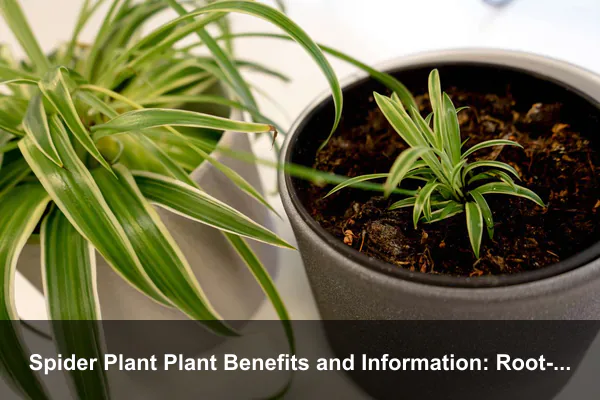
Spider Plant plant benefits and information often focus on how easy this houseplant is, but one of its most useful strengths is hidden below the soil. The Spider Plant, botanically known as Chlorophytum comosum, grows thick, storage-like roots that help it survive small mistakes, short dry spells, and changing indoor conditions. This makes it a practical choice for people who want greenery that looks fresh without demanding constant attention.
This guide takes a root-smart angle: how Spider Plant roots, pot size, light placement, watering rhythm, and indoor use work together. You will learn the real benefits of Spider Plant for homes, apartments, work corners, and beginner plant collections without exaggerated claims. The goal is simple: help you understand why this plant works so well indoors and how to keep it healthy for years.
Why Spider Plant Is a Root-Smart Houseplant
Spider Plant has fleshy white roots that store water and nutrients. These roots are one reason the plant is forgiving. If you forget to water once, the plant may droop slightly but often recovers after proper watering. This resilience is especially helpful in busy homes where plant care needs to fit around real routines.
Unlike some delicate tropical plants, Spider Plant does not collapse immediately when conditions are imperfect. It prefers consistency, but it can tolerate moderate neglect better than many leafy indoor plants. That makes it valuable for beginners, renters, office workers, students, and anyone building confidence with houseplants.
What the Roots Tell You
The root system can reveal how the plant is doing. Thick, firm roots usually mean the plant has energy reserves. Mushy, dark, or foul-smelling roots may suggest overwatering or poor drainage. Roots circling tightly around the pot show that the plant may need repotting soon.
- Firm white roots: usually healthy and active.
- Dense root mass: common in mature Spider Plants and not always urgent.
- Soggy roots: a warning sign that the potting mix stays wet too long.
- Roots pushing from drainage holes: a sign to check whether repotting is needed.
Main Spider Plant Benefits for Indoor Living
The benefits of Spider Plant come from its combination of durability, attractive foliage, easy placement, and low-risk indoor use. It is not a miracle plant, but it is genuinely useful as part of a calmer, greener living space.
1. Beginner-Friendly Indoor Greenery
Spider Plant is one of the best plants for people who want success early. It gives visible feedback through leaf color, arching growth, and soil dryness. When something is wrong, the plant usually shows signs before the problem becomes severe.
This makes it educational without being stressful. You can learn watering, light observation, repotting, and pruning from one plant. Over time, that experience can help you care for more demanding houseplants.
2. Soft Visual Texture for Rooms
Spider Plant has long, arching leaves that soften shelves, desks, kitchen corners, and windowsills. Variegated types with green-and-white stripes brighten rooms without needing flowers. The shape works well in hanging pots, raised planters, and simple ceramic containers.
Because the foliage spreads outward, a single plant can make a small space feel fuller. It adds movement and texture without the heavy visual weight of large broad-leaf plants.
3. Gentle Wellness Value
Indoor plants can support daily well-being by making a room feel more alive and cared for. Spider Plant is useful here because it is easy to maintain. A plant that survives well is less likely to become another source of stress.
Its benefits are practical rather than magical: a more pleasant desk, a greener kitchen shelf, a calmer reading corner, and a simple care routine that encourages attention to the home environment.
4. Useful for Small Spaces
Spider Plant grows well in compact containers and can be placed vertically. This is valuable for apartments, dorm rooms, and narrow rooms where floor space is limited. A hanging Spider Plant can bring greenery to eye level without crowding tables or walkways.
Best Indoor Placement for Spider Plant
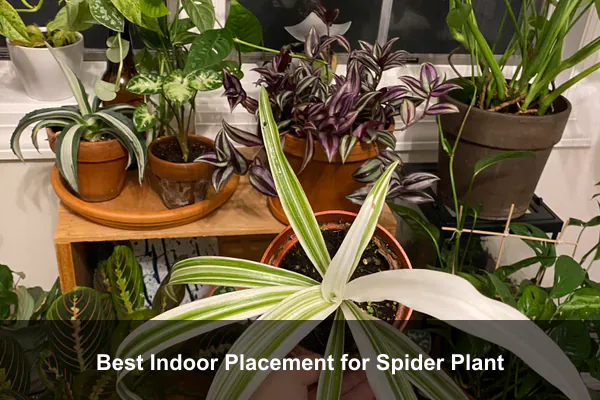
Placement is one of the most important parts of Spider Plant care. The plant adapts to many indoor locations, but it looks best when it receives bright, indirect light. Too little light can slow growth and reduce the contrast in variegated leaves. Too much direct sun can scorch leaf tips or fade the foliage.
Bright Indirect Light Is Ideal
A spot near an east-facing window is often excellent. A north-facing window may work if the room is bright. Near a south or west window, place the plant a little back from harsh afternoon sun or use a sheer curtain.
- Best: bright indirect light near a window.
- Acceptable: medium indoor light with slower growth.
- Avoid: long exposure to harsh direct afternoon sun.
- Watch: fading stripes, stretching leaves, or dry scorched patches.
Room-by-Room Ideas
In a living room, Spider Plant works well on a shelf where the leaves can arch naturally. In a kitchen, it can brighten a window area if kept away from stove heat. In a bathroom, it may enjoy humidity if the room has enough light. In an office, it can sit near a bright window or under strong grow lights.
The best placement is not just about beauty. It should also make watering and checking the soil easy. If a plant is too hard to reach, care becomes inconsistent.
Watering Spider Plant Without Guesswork
Spider Plant likes evenly moist soil, but it does not want to sit in water. The safest approach is to water when the top layer of potting mix feels dry. This method is more reliable than following a strict calendar because indoor temperature, light, humidity, pot size, and soil type all affect drying time.
Simple Watering Method
- Touch the top 2 to 3 centimeters of soil.
- If it feels dry, water thoroughly.
- Let excess water drain out of the bottom.
- Empty the saucer so the pot is not standing in water.
- Wait until the top layer dries again before watering.
This routine supports the roots while reducing the risk of rot. Spider Plant roots can store moisture, so the plant usually handles slight underwatering better than constant overwatering.
Water Quality Matters
Some Spider Plants react to minerals, chlorine, or fluoride in tap water. This can contribute to dry tips, especially when combined with low humidity, overfertilizing, or inconsistent watering. If your plant repeatedly develops crispy tips, try filtered water, rainwater, or tap water left standing overnight.
Do not panic over a few brown tips. They are common and do not always mean the plant is unhealthy. Trim only the dry part with clean scissors if appearance matters.
Soil, Potting, and Repotting Information
A good Spider Plant potting mix should drain well while holding some moisture. Standard indoor potting mix often works, especially when improved with perlite or another drainage material. Heavy garden soil is not recommended because it can compact in containers and hold too much water.
Best Pot Features
- Drainage holes: essential for preventing standing water.
- Moderate pot size: better than an oversized container.
- Stable shape: useful because mature plants can become top-heavy.
- Breathable mix: supports roots and reduces soggy conditions.
Spider Plant can tolerate being slightly root-bound, and some mature plants even produce more offsets when snug. However, severe crowding can reduce water absorption and cause stress. Repot when the roots are extremely dense, the plant dries out too quickly, or growth slows despite good care.
How Often to Repot
Most indoor Spider Plants need repotting every 1 to 2 years, but this depends on growth speed. Choose a new pot only slightly larger than the old one. A very large pot may hold excess moisture around the roots.
When repotting, loosen the outer roots gently. Remove dead or mushy roots, refresh the soil, and water lightly after potting. Keep the plant in bright indirect light while it adjusts.
Spider Plant Varieties and Visual Information
Spider Plant varieties are often chosen for leaf pattern. The most common types have green and white striping, but the direction and width of the stripe can vary. These differences help you match the plant to your room style.
Common Types
- Variegatum: green leaves with white margins, a classic bright look.
- Vittatum: green margins with a pale central stripe.
- Solid green Spider Plant: less common, simple, and often vigorous.
- Curly Spider Plant: compact with curled leaves, good for small shelves.
Variegated plants may need brighter light than solid green types to keep their patterns strong. If a striped Spider Plant becomes dull or mostly green, check whether it is receiving enough light.
Safe and Practical Use Around the Home
Spider Plant is widely appreciated as a low-toxicity houseplant choice. It is commonly considered safer around cats and dogs than many popular indoor plants. Still, pets may chew the leaves, which can cause mild stomach upset or damage the plant. Keeping it in a hanging pot can protect both the plant and curious animals.
For family homes, Spider Plant is practical because it has no sharp spines, no heavy woody stems, and no messy fruit. It is easy to move, clean, divide, and display. These qualities make it useful in homes where plants need to be attractive but manageable.
Where It Works Best
- Hanging near a bright window.
- On a plant stand in a small apartment.
- On an office shelf with indirect light.
- In a bathroom with a window.
- In a kitchen corner away from heat and grease.
Feeding and Seasonal Care
Spider Plant does not need heavy feeding. In spring and summer, use a balanced houseplant fertilizer at half strength once a month or according to the product label. Too much fertilizer can stress the roots and contribute to dry leaf tips.
During cooler months, growth slows. Water less often, pause or reduce fertilizer, and keep the plant away from cold drafts. If indoor air becomes very dry, occasional misting is less effective than improving overall room humidity or grouping plants together.
Seasonal Care Checklist
- Spring: refresh soil, check roots, resume light feeding.
- Summer: monitor watering more often in warm rooms.
- Autumn: reduce fertilizer as growth slows.
- Winter: protect from cold windows, heaters, and overwatering.
Common Problems and What They Mean
Spider Plant problems are usually connected to water, light, pot size, or indoor air. Reading symptoms correctly helps you fix the cause instead of guessing.
Pale Leaves
Pale leaves may mean too much direct sun, not enough nutrients, or stress from dry soil. Move the plant to bright indirect light and review your watering routine.
Limp Growth
Limp leaves can come from underwatering or overwatering. Check the soil before reacting. If the soil is very dry, water thoroughly. If it is wet and heavy, inspect drainage and roots.
No New Growth
Slow growth may be normal in winter. If it happens during the growing season, the plant may need more light, fresh soil, or a slightly larger pot.
Leaf Tip Browning
Brown tips are common and often cosmetic. Possible causes include mineral-heavy water, dry air, too much fertilizer, irregular watering, or old leaf age. Trim dry tips if needed, but focus on improving the care pattern.
How Spider Plant Supports a Better Indoor Plant Routine
One underrated benefit of Spider Plant is that it teaches consistency. Because it is forgiving, you can learn from small mistakes without losing the plant. Its care routine builds useful habits: checking soil before watering, noticing light changes, cleaning leaves, rotating pots, and repotting at the right time.
This is especially relevant for people interested in manfaat tanaman, or the practical benefits of plants in daily life. The value is not only decorative. A healthy Spider Plant can help create a home routine that feels more attentive, natural, and grounded.
Small Habits That Help
- Rotate the pot every few weeks for balanced growth.
- Dust leaves gently so they can receive light efficiently.
- Check soil moisture before adding water.
- Use a pot with drainage instead of decorative closed containers.
- Observe changes after moving the plant to a new location.
Conclusion
Spider Plant plant benefits and information become more useful when you understand the plant from the roots upward. Its fleshy roots, adaptable foliage, and forgiving nature make it one of the most practical indoor plants for real homes. It offers visual freshness, beginner-friendly care, flexible placement, and a steady way to build better plant habits.
For the best results, give your Spider Plant bright indirect light, a well-draining pot, moderate watering, and occasional feeding during active growth. Avoid overwatering, watch the root system, and choose a placement where the arching leaves can shine. With simple, consistent care, Spider Plant can stay attractive, resilient, and valuable in your indoor space for many years.
