

Marigolds are among the easiest flowering plants to recognize: bright yellow, orange, gold, copper, cream, or mahogany blooms held above ferny green foliage. They are cheerful, affordable, fast-growing, and useful in far more ways than simple decoration. For gardeners who want color, pollinator activity, practical companion planting, and a beginner-friendly flower, marigolds offer a strong combination of beauty and function.
This guide to Marigold plant benefits and information focuses on a unique garden-centered angle: how marigolds support outdoor spaces, edible flower use, pest-conscious planting, symbolism, and responsible care. While many popular plant guides focus on indoor houseplants, marigolds belong most naturally in garden beds, borders, vegetable patches, balconies, and sunny containers. Their value comes from their flowers, foliage, roots, scent, and ability to fit into many growing styles.
Marigold Plant Information: What Makes This Flower Useful?
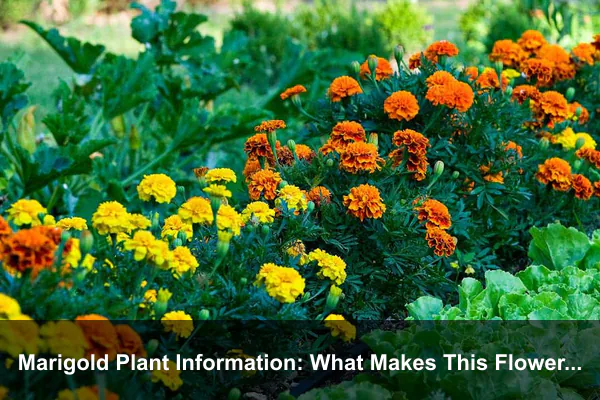
The name marigold can refer to several plants, so it helps to understand the basic groups before discussing benefits. Most bedding marigolds sold for gardens belong to the Tagetes genus. These include French marigold, African marigold, and signet marigold. Another plant often called pot marigold is Calendula officinalis, which is botanically different but widely used in herbal and culinary traditions.
For a home gardener, the important point is simple: always identify the plant before eating, using, or recommending it. Tagetes marigolds are commonly planted for ornamental color, pest-conscious companion planting, and seasonal display. Calendula is often discussed more often as an edible and herbal flower. Both can be useful, but they are not identical.
Common Types of Marigolds
- French marigold: Compact plants with many blooms, often used in borders, containers, and vegetable gardens.
- African marigold: Tall plants with large round flower heads, useful for bold color and cut flowers.
- Signet marigold: Smaller, airy plants with delicate edible flowers and citrus-like fragrance.
- Pot marigold or calendula: A cool-season flowering plant often used for petals in teas, salves, and edible decoration.
Basic Growing Profile
Marigolds are usually grown as annuals, meaning they complete their life cycle in one growing season. In warm climates, they may last longer, but most gardeners replant them each year. They prefer full sun, moderate watering, and well-drained soil. Once established, they tolerate heat better than many delicate flowering plants, making them a practical choice for sunny spaces.
Marigold Plant Benefits for the Garden
The benefits of marigolds are most visible when they are planted outdoors. Their bright flowers create immediate color, but their role in the garden goes deeper. They can attract beneficial insects, improve visual organization, support vegetable beds, and help gardeners build a more balanced planting system.
They Support Pollinators and Beneficial Insects
Open marigold flowers can attract bees, hoverflies, butterflies, and other visiting insects. This is especially useful in vegetable gardens where pollination affects crops such as cucumbers, squash, peppers, and tomatoes. Single or semi-double marigold varieties are usually easier for pollinators to access than densely packed double flowers.
Marigolds can also draw insects that help manage pest populations naturally. Hoverflies, for example, are valued because their larvae feed on aphids. This does not mean marigolds eliminate pests, but they can help create a more active and diverse garden ecosystem.
They Add Color That Guides Garden Design
Marigolds are useful design plants because their colors are strong, warm, and visible from a distance. Gardeners often use them to mark pathways, outline vegetable beds, fill gaps between slower-growing crops, or create seasonal borders around patios. Their repeated blooms make a garden look intentional even when other plants are still developing.
They Are Beginner-Friendly and Affordable
One of the most practical marigold plant benefits is accessibility. Seeds are inexpensive, germinate quickly, and can be started by beginners. Transplants are also widely available. For families, school gardens, and new gardeners, marigolds provide quick results without complicated care routines.
How Marigolds Help with Companion Planting
Marigolds are famous companion plants, but their benefits are sometimes exaggerated. They are not a magic shield that repels every pest. Their real value comes from combining scent, root activity, visual diversity, insect attraction, and strategic placement. Used correctly, they are a practical part of integrated garden planning.
Best Companion Planting Uses
Marigolds can be planted around or between vegetables to increase diversity and reduce bare soil. This helps gardens look fuller and may make it harder for pests to move quickly through one large block of the same crop.
- Tomatoes: French marigolds are often planted near tomatoes to add color, attract beneficial insects, and support pest-conscious garden planning.
- Peppers: Compact marigolds fit well around pepper plants without overwhelming them.
- Beans: Marigolds can fill border spaces while beans climb or bush out.
- Cucumbers and squash: Open flowers nearby may encourage more pollinator visits around the vegetable bed.
- Herb gardens: Marigolds add visual contrast beside green herbs and can help bring more flower-visiting insects into the area.
Root-Knot Nematode Considerations
French marigolds are often mentioned for their ability to suppress certain root-knot nematodes. This benefit depends on the marigold species, variety, soil conditions, and planting method. For stronger results, marigolds may need to be grown as a dense seasonal planting or cover crop, not just placed as a few decorative flowers near vegetables.
Gardeners with serious nematode problems should rotate crops, improve soil health, remove infected roots, and choose resistant vegetable varieties. Marigolds can be part of the strategy, but they should not be the only solution.
Edible, Herbal, and Practical Uses of Marigolds
Marigolds have a long history in gardens, kitchens, ceremonies, and traditional plant uses. In the context of manfaat tanaman, or plant benefits, marigolds stand out because they offer both ornamental and practical value. However, responsible use matters. Not every marigold is used the same way, and not every flower from a garden center is safe to eat.
Edible Petals and Flavor
Some marigold petals are used as edible decoration for salads, rice dishes, cakes, soups, and herbal blends. Signet marigolds tend to have a more pleasant citrus-like taste, while calendula petals are widely used for color and mild flavor. French and African marigolds may taste stronger, more bitter, or more resinous.
Only eat marigolds that are correctly identified and grown without unsafe pesticides, fungicides, or chemical treatments. Wash petals gently and use small amounts at first. People with allergies to plants in the daisy family should be cautious.
Natural Color and Decorative Value
Marigold petals can provide yellow to orange color in crafts, natural dye experiments, potpourri, and seasonal decorations. In some cultures, marigold flowers are also used for garlands, offerings, celebrations, and memorial displays. Their strong color and abundance make them practical for both everyday decoration and special events.
Traditional Herbal Use with Sensible Limits
Calendula, often called pot marigold, is the marigold most commonly associated with gentle herbal skin preparations. It appears in oils, balms, and teas in many traditional practices. This does not mean it should replace medical care, especially for wounds, infections, pregnancy concerns, allergic reactions, or chronic skin conditions.
For Tagetes marigolds, traditional uses vary by region, but the safest approach is to treat them primarily as ornamental and culinary-in-small-amounts plants unless you have reliable species-specific guidance.
Growing and Caring for Marigold Plants
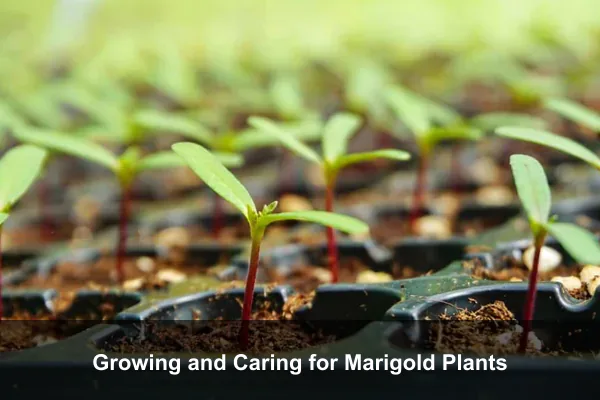
Marigold care is simple, but small improvements in planting and maintenance can produce healthier plants and more flowers. The goal is to give them sun, drainage, airflow, and enough moisture without keeping the roots wet.
Light Requirements
Marigolds bloom best in full sun, which usually means at least six hours of direct sunlight per day. In very hot climates, they may appreciate light afternoon shade, but too much shade can make them leggy and reduce flowering.
Soil and Watering
Use well-drained soil rather than heavy, soggy soil. Marigolds are not demanding plants, but they dislike standing water around their roots. Water young plants regularly until established. After that, water when the top layer of soil feels dry. Container-grown marigolds dry out faster than garden-bed plants, so check pots more often.
Spacing and Airflow
Good spacing reduces disease pressure. Compact French marigolds may need only a modest gap between plants, while tall African marigolds require more room. Crowded plants can trap moisture, which may encourage mildew or fungal problems.
- Plant compact varieties near bed edges or in pots.
- Place taller varieties toward the back of borders.
- Leave space for mature width, not just seedling size.
- Remove weak or diseased leaves to improve airflow.
Deadheading and Flower Production
Deadheading means removing faded flowers before they set seed. This encourages many marigold varieties to keep blooming. Pinch or snip off spent flower heads regularly, especially during the peak growing season. If you want to save seeds, allow some of the healthiest flowers to dry fully on the plant near the end of the season.
Fertilizer Needs
Marigolds usually do not need heavy feeding. Too much nitrogen can produce leafy growth with fewer flowers. A balanced, light fertilizer or compost-enriched soil is enough for most gardens. In containers, occasional diluted feeding can help because nutrients wash out more quickly.
Marigold Safety for People and Pets
Marigolds are generally considered low-risk garden plants, but low-risk does not mean risk-free. Skin contact may irritate sensitive people, especially when handling leaves and stems. Anyone with known allergies to the Asteraceae family should use caution around marigolds, calendula, daisies, chrysanthemums, and related plants.
Pets may experience mild stomach upset if they chew flowers or foliage. Marigolds are not usually among the most dangerous garden plants, but it is still wise to prevent repeated nibbling. Keep newly sprayed or treated plants away from children and animals, and never use chemically treated flowers as edible petals.
Safe Use Checklist
- Confirm the plant species before eating or using petals.
- Use only flowers grown without unsafe chemical treatments.
- Introduce edible petals in small amounts.
- Wear gloves if plant sap irritates your skin.
- Ask a qualified professional before using marigold preparations for health concerns.
Marigold Meaning and Cultural Value
Marigolds often symbolize warmth, creativity, remembrance, protection, devotion, and celebration. Their meaning changes across cultures. In some places they are cheerful garden flowers associated with sunshine and optimism. In others, they are deeply connected to spiritual ceremonies, festivals, and honoring ancestors.
This symbolic flexibility is one reason marigolds remain popular worldwide. A single plant can feel casual in a vegetable garden, festive in a garland, elegant in a border, or meaningful in a memorial arrangement. Their strong color gives them emotional presence without requiring expensive floral design.
Design Ideas for Home Gardens
- Use yellow marigolds to brighten vegetable beds and small patios.
- Combine orange marigolds with purple basil, blue salvia, or green herbs for contrast.
- Plant dwarf varieties in window boxes, balcony pots, and sunny steps.
- Use tall African marigolds behind lower flowers for vertical structure.
- Create a harvest-friendly border around tomatoes, peppers, or eggplants.
Common Marigold Problems and Simple Fixes
Marigolds are tough, but they can still face pests, diseases, and care mistakes. Most problems are easier to fix when noticed early.
Yellow Leaves
Yellowing leaves can be caused by overwatering, poor drainage, nutrient imbalance, or natural aging. Check the soil first. If it stays wet for too long, reduce watering and improve drainage.
Few Flowers
If marigolds produce leaves but few flowers, they may be receiving too much shade or too much nitrogen fertilizer. Move potted plants into stronger light and avoid rich feeding that encourages foliage at the expense of blooms.
Pests on Marigolds
Slugs, snails, spider mites, aphids, and leaf miners may appear. Remove small infestations by hand, rinse aphids with water, improve airflow, and avoid stressing plants with irregular watering. Healthy marigolds usually recover well from minor pest pressure.
Powdery Mildew and Rot
Powdery mildew may appear in humid or crowded conditions, while root rot is linked to soggy soil. Space plants properly, water near the base instead of soaking the foliage, and use containers with drainage holes.
Conclusion
Marigolds are more than bright seasonal flowers. They are practical garden allies that add color, attract useful insects, support companion planting, provide edible and decorative petals when correctly identified, and carry meaningful cultural symbolism. Their easy care makes them suitable for beginners, while their versatility keeps experienced gardeners planting them year after year.
The best way to enjoy marigold plant benefits is to use them thoughtfully: choose the right type, plant them in full sun, avoid overwatering, deadhead for more blooms, and treat edible or herbal use with care. With those basics in place, marigolds can bring beauty, function, and steady seasonal value to almost any sunny garden.
