
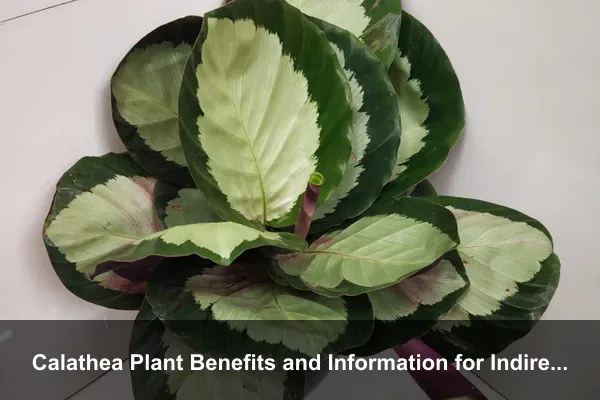
Calathea is one of the most expressive indoor foliage plants for people who want color, pattern, and a sense of living movement without relying on flowers. Its leaves can show brushstroke stripes, feathered markings, deep green panels, silver bands, burgundy undersides, and soft oval shapes that make a room feel intentionally styled. For readers searching for Calathea plant benefits and information, the most useful starting point is simple: Calathea is best valued as a decorative, low-fragrance, indirect-light houseplant that rewards observation and steady care.
This guide takes a distinct angle: how to use Calathea in homes that have filtered light, shaded corners near windows, or rooms where harsh direct sun is not practical. Instead of treating Calathea as a miracle air purifier or a difficult collector plant, this article focuses on realistic plant benefits, smart placement, leaf signals, and a care rhythm that helps the plant stay attractive indoors.
Why Calathea Is Valuable in Indirect-Light Homes
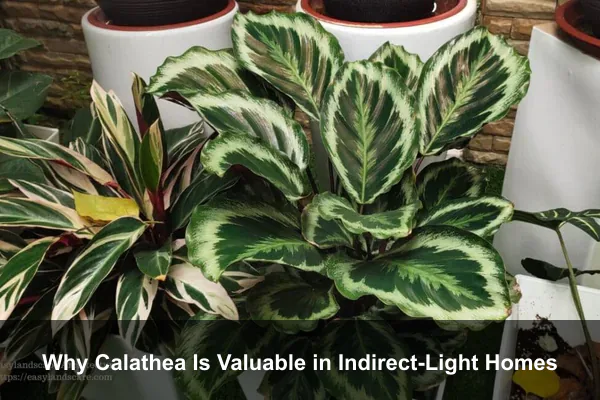
The biggest benefit of Calathea is that it brings strong visual interest to spaces that are too gentle for sun-loving plants. Many flowering ornamentals need bright sun to look their best, but Calathea evolved under rainforest canopies where light is filtered through taller vegetation. Indoors, that makes it useful for rooms with east-facing windows, north-facing windows, sheer curtains, or bright areas set back from direct afternoon sun.
Calathea does not need to bloom to earn its place. Its foliage is the feature. This matters for homes, offices, apartments, reading corners, and bedrooms where people want greenery that looks finished throughout the year. A healthy Calathea can act like living pattern: it softens hard furniture, adds contrast to plain walls, and gives a shaded room a more cared-for feeling.
Key Benefits at a Glance
- High decorative value: patterned leaves create color and texture without flowers.
- Good fit for filtered light: it prefers bright indirect light over harsh sun.
- Low scent: useful for people who prefer foliage without strong fragrance.
- Compact indoor presence: many varieties fit shelves, plant stands, desks, and side tables.
- Observation value: leaf position, curling, fading, and crisp edges give useful care clues.
Essential Calathea Plant Information
Calathea is commonly used as a houseplant name, although many plants once sold as Calathea have been reclassified botanically into the genus Goeppertia. In everyday indoor gardening, the name Calathea still remains familiar. These plants belong to the prayer plant family, Marantaceae, a group known for patterned leaves and daily leaf movement.
What Makes Calathea Different?
Calathea leaves are thin, responsive, and highly sensitive to environmental changes. That sensitivity is sometimes seen as a weakness, but it can also be a benefit for attentive growers. The plant shows when light is too strong, humidity is too low, watering is inconsistent, or pests are beginning to appear. In that way, Calathea can help a beginner become a better indoor gardener because it encourages regular observation rather than neglect.
Popular Types to Know
- Calathea orbifolia: broad, round leaves with soft silver-green striping.
- Calathea medallion: bold oval leaves with layered green markings and darker undersides.
- Calathea makoyana: often called peacock plant, with delicate feather-like patterns.
- Calathea lancifolia: also called rattlesnake plant, with narrow wavy leaves and spotted markings.
- Calathea roseopicta: known for dramatic painted leaf patterns and rich color contrast.
Best Light Placement for Calathea
Light is one of the most important parts of Calathea care. The plant usually performs best in bright, indirect light. That means the room is bright enough to read comfortably during the day, but the leaves are not sitting in hot direct sun for long periods.
Good Indoor Locations
- Near an east-facing window where morning light is gentle.
- A few feet from a south or west window if filtered by sheer curtains.
- Close to a north-facing window if the room is open and not gloomy.
- Under balanced grow lights when natural light is limited.
- On a plant stand where the leaves receive side light instead of direct overhead heat.
Light Problems to Watch For
If the markings fade, leaves look washed out, or pale patches appear, the plant may be receiving too much direct light. If growth becomes slow, stems stretch, or new leaves are smaller than older leaves, the plant may need brighter indirect light. Calathea is sometimes described as a low-light plant, but that is not completely accurate. It tolerates lower light better than many colorful plants, yet it still needs enough brightness to maintain strong patterns and steady growth.
Calathea Leaf Signals and What They Mean
One practical benefit of Calathea is that it communicates quickly through its leaves. Learning these signals makes care easier and prevents small problems from turning into long-term decline.
Curling Leaves
Leaf curling often means the plant is protecting itself from stress. The common causes are dry soil, low humidity, heat, or direct sun. Check the potting mix first. If the top layer is dry and the pot feels light, watering may be needed. If the soil is moist but leaves still curl, look at air conditions and light exposure.
Brown Leaf Edges
Brown edges are common on Calathea and usually point to dry air, irregular watering, mineral-heavy water, or old leaf tissue. Trim damaged edges only if they bother you visually, but fix the cause first. A humid room, consistent watering, and occasional leaf cleaning can reduce future browning.
Faded Patterns
Calathea patterns should look clear and defined. Fading can happen when the plant receives too much sun or when it is under stress for a long time. Move the plant into gentler filtered light and review the watering routine.
Drooping Leaves
Some daily leaf movement is normal. Many Calathea plants raise and lower their leaves as light changes. However, constant limpness may signal underwatering, overwatering, root stress, or cold drafts. Always check the soil before assuming the plant needs more water.
Everyday Benefits of Growing Calathea Indoors
In a practical plant-benefits context, Calathea is not valuable because it solves every indoor problem. Its real value is more grounded: it improves visual comfort, supports a calmer plant-care routine, and gives shaded indoor areas a natural focal point.
Visual Comfort Without Strong Fragrance
Some people enjoy scented plants, but others prefer greenery that does not compete with food, candles, perfumes, or sensitive noses. Calathea offers a foliage-first option. It adds color and detail without relying on perfume-like flowers.
A Better Use for Soft Corners
Many homes have corners that receive light but not direct sun. These spots can feel empty or visually flat. A Calathea in a simple pot can turn that area into a green accent without needing a large tree or a high-maintenance blooming plant.
Mindful Maintenance
Calathea encourages small, repeatable care habits: checking soil, rotating the pot, wiping leaves, and observing changes. These simple routines can make indoor gardening feel more intentional and less random.
Simple Calathea Care Routine
A strong Calathea routine is steady rather than complicated. The plant does best when conditions stay consistent and changes are made gradually.
Watering
Water when the upper part of the potting mix begins to dry, but do not allow the entire root ball to stay bone dry for long. Calathea dislikes extremes. Soil that is constantly soggy can damage roots, while repeated drought can cause curling and crispy edges. Use a pot with drainage holes, water thoroughly, and let excess water leave the pot.
Humidity
Calathea appreciates moderate to high humidity. A bathroom with good light, a kitchen window area, a grouped plant shelf, or a room with a humidifier can work well. Pebble trays may offer a small local boost, but they should not replace proper watering and suitable placement.
Soil and Potting
Use a loose, moisture-retentive potting mix that still drains well. A general indoor potting mix amended with perlite, fine bark, or coco coir can help balance moisture and airflow. Repot only when roots are crowded or the mix has broken down. Oversized pots hold too much moisture and can create root problems.
Leaf Cleaning
Because Calathea is grown for its leaves, cleanliness matters. Dust blocks light and dulls the patterns. Wipe leaves gently with a damp cloth, supporting each leaf from beneath. Avoid heavy leaf-shine products, which can leave residue and make sensitive foliage look worse over time.
Feeding
Feed lightly during active growth with a balanced houseplant fertilizer diluted more than the label maximum. Overfeeding can burn roots or create brown tips. In cooler or darker months, reduce feeding because the plant grows more slowly.
Choosing the Right Calathea for Your Space
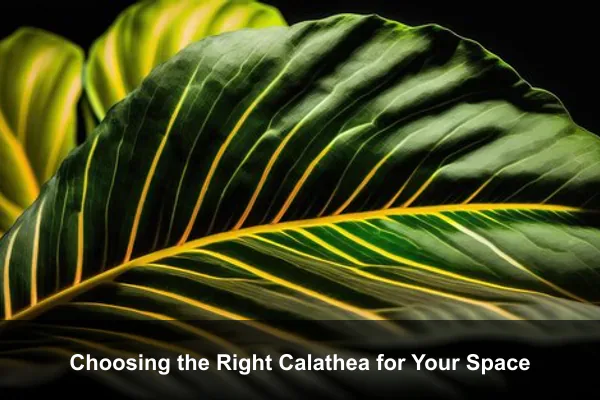
Different Calathea varieties create different effects indoors. The best choice depends on available light, room size, and the style you want.
For Small Tables and Shelves
Choose compact types such as Calathea roseopicta or smaller medallion varieties. These plants give strong pattern without taking over the surface. They work well in ceramic pots, neutral planters, or simple nursery pots placed inside decorative cachepots.
For Bold Foliage Displays
Calathea orbifolia is excellent when you want larger, softer leaves. It looks good beside reading chairs, low cabinets, or open corners. Give it room because the wide leaves can be damaged if people brush past them often.
For Narrow Spaces
Calathea lancifolia, or rattlesnake plant, has upright narrow leaves that suit tighter spaces. Its spotted pattern adds energy without requiring the same width as round-leaved varieties.
Common Calathea Mistakes and Easy Fixes
Many Calathea problems come from treating the plant like a drought-tolerant houseplant or placing it where sunlight is too intense. A few small adjustments often make a visible difference.
- Putting it in harsh afternoon sun: move it to filtered light or use a sheer curtain.
- Watering on a fixed calendar: check soil moisture instead of watering only by date.
- Using a pot without drainage: switch to a draining container to protect roots.
- Ignoring dry air: move the plant away from heaters, vents, and drafty windows.
- Repotting too often: wait until the roots or soil condition truly justify it.
- Expecting perfect leaves forever: older leaves naturally age and may need trimming.
Pests, Safety, and Realistic Expectations
Calathea can attract common houseplant pests such as spider mites, mealybugs, and fungus gnats, especially when stressed. Inspect leaf undersides and stems during routine care. If pests appear, isolate the plant and treat early with gentle methods such as wiping, rinsing, and appropriate houseplant pest control.
Calathea is commonly considered a pet-friendly indoor plant compared with many toxic ornamentals, but it should not be treated as food for pets or children. Chewing can still cause stomach upset or damage the plant. Place it where leaves can be admired without being constantly handled or eaten.
It is also important to keep expectations realistic. A single Calathea will not replace ventilation, professional air filtration, or good cleaning habits. Its strongest benefits are decorative beauty, indoor nature connection, shaded-room usefulness, and the care awareness it builds over time.
How to Style Calathea Without Overcomplicating the Room
Because Calathea leaves are already patterned, simple styling works best. Choose plain pots in white, charcoal, terracotta, soft green, or natural clay so the foliage remains the focus. Avoid placing several highly patterned plants side by side unless the room has enough visual space to handle it.
Good Styling Ideas
- Place a round-leaved Calathea beside simple furniture with clean lines.
- Use a narrow rattlesnake plant on a shelf where vertical leaves add height.
- Pair Calathea with plain-leaved plants for contrast.
- Rotate the pot every few weeks so the plant grows evenly toward the light.
- Keep the surrounding surface uncluttered to let the leaf pattern stand out.
Conclusion
Calathea is a practical choice for people who want patterned indoor greenery in spaces with bright indirect light. Its benefits are not exaggerated miracles; they are everyday improvements: richer visual texture, better use of shaded rooms, low-fragrance decoration, and a plant-care routine that teaches observation.
When you understand the most important Calathea plant benefits and information, the plant becomes much easier to enjoy. Give it filtered light, steady moisture, gentle humidity, clean leaves, and realistic expectations. In return, Calathea brings living pattern, soft movement, and natural detail to indoor spaces that might otherwise feel plain or underused.
