

Rosemary is one of those plants that earns its place twice: first as an evergreen herb with a clean, pine-like aroma, then as a practical design plant for sunny, dry corners. This guide to rosemary plant benefits and information takes a small-space, climate-smart angle rather than repeating a basic herb profile. It looks at how rosemary can work as a water-wise container shrub, a kitchen-door flavor plant, and a sensory green feature for homes where every pot has to justify its space.
In the context of Manfaat Tanaman, or the useful value of plants, rosemary is best understood as a multi-purpose herb, not a cure-all. Its benefits come from aroma, culinary flavor, evergreen structure, drought tolerance, and low-waste daily use. With the right light, drainage, and expectations, a single rosemary plant can become a long-term companion for balconies, patios, windowsills with strong sun, and edible garden edges.
What Makes Rosemary Different From Ordinary Potted Herbs

Rosemary, now widely classified as Salvia rosmarinus and still often sold under the older name Rosmarinus officinalis, is a woody evergreen herb in the mint family. Unlike soft herbs such as basil or cilantro, rosemary does not naturally behave like a short-season leafy crop. It grows more like a compact shrub, developing firm stems, narrow aromatic leaves, and a lasting structure that can stay attractive through many seasons in the right climate.
Evergreen Texture and Scent
The leaves are narrow, leathery, and needle-like, usually deep green above and paler underneath. This texture helps the plant conserve moisture, which explains why rosemary is better suited to bright, dry conditions than many tender herbs. When the leaves are brushed, crushed, or warmed by sunlight, they release a distinctive fragrance that can make a small outdoor area feel more intentional and alive.
A Herb With Shrub-Like Behavior
Because rosemary is woody, it rewards gentle shaping instead of constant hard cutting. A young plant can become upright, rounded, trailing, or hedge-like depending on the variety and pruning style. This makes it useful not only in the kitchen but also in compact landscape design. A pot of rosemary can soften a balcony edge, frame a sunny doorway, or act as a fragrant divider between seating and cooking areas.
Key Rosemary Plant Benefits for Modern Homes
The most useful rosemary benefits are practical and repeatable. It offers sensory comfort, culinary value, durable greenery, and water-wise performance without needing rich soil or constant attention. For busy households, this combination matters more than exaggerated claims about instant health results.
Aroma for Daily Sensory Routines
Rosemary’s aroma is bright, resinous, and refreshing. Many people associate it with clarity, clean kitchens, and outdoor Mediterranean gardens. While smelling rosemary is not a medical treatment, keeping an aromatic plant near a balcony table, garden path, or kitchen door can support a pleasant daily routine. A quick touch of the leaves before cooking or watering gives the plant an interactive quality that purely decorative plants may not offer.
Flavor Without Food Waste
A small amount of rosemary can flavor roasted vegetables, bread, beans, potatoes, soups, grilled foods, and infused oils used immediately in cooking. Because the flavor is intense, one healthy container plant often supplies enough for a household without requiring big harvests. This is one of the strongest rosemary plant benefits for sustainable kitchens: you can take only what you need, reduce packaged herb waste, and keep flavor close to where food is prepared.
Evergreen Value in Small Spaces
Many edible plants look tired after harvesting or go dormant quickly. Rosemary remains visually useful even when you are not cutting it. Its upright stems, blue-green tone, and occasional small flowers provide structure in a way that leafy annual herbs rarely do. In a small garden, this means one plant can serve as food, fragrance, greenery, and form.
Water-Wise Container Growing Strategy
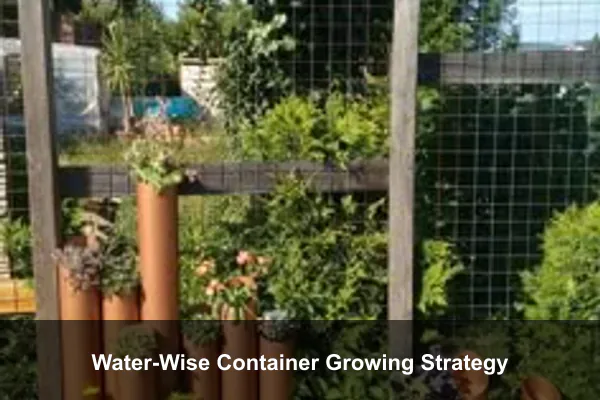
Rosemary’s biggest care secret is not frequent feeding or heavy watering. It is drainage. The plant evolved for lean, sunny conditions, so roots suffer when soil stays wet and airless. If rosemary fails in home gardens, the cause is often kindness in the wrong form: too much water, too dense a potting mix, or a pot without enough drainage.
Choose the Right Pot
A terracotta or clay pot is often helpful because it breathes and allows moisture to leave the root zone faster. Plastic pots can work, but they need a lighter mix and more careful watering. Whatever material you choose, the container must have drainage holes. A decorative outer pot is fine only if excess water never sits around the inner pot.
- Best pot style: wide, stable, and slightly breathable.
- Minimum requirement: clear drainage holes at the base.
- Avoid: sealed containers, soggy saucers, and dense garden soil in pots.
- Helpful upgrade: raise the pot slightly so water can drain freely after rain.
Use a Lean, Fast-Draining Mix
Rosemary does not need rich, moisture-holding soil. A good container mix should drain quickly but not become dusty or lifeless. You can improve standard potting mix with coarse sand, perlite, pumice, or fine gravel. The goal is a root zone that gets thoroughly wet during watering, then dries back before the next watering cycle.
Water Deeply, Then Wait
Instead of giving rosemary small daily sips, water deeply until moisture runs from the drainage holes. Then wait until the upper part of the mix feels dry before watering again. In humid tropical areas, the wait may be longer because water evaporates slowly. In hot, windy, dry areas, the same pot may dry faster. The plant teaches you the rhythm through soil feel, leaf firmness, and overall growth.
Light, Airflow, and Placement for Strong Growth
Rosemary is a sun plant. It usually needs at least six hours of bright direct light to remain dense, aromatic, and resilient. Weak light encourages stretched growth, softer stems, and higher risk of fungal issues. Indoors, rosemary should be treated as a temporary indoor herb unless you have a very sunny window or grow light.
Best Outdoor Locations
A sunny patio, open balcony, raised planter, or south- or west-facing garden edge is ideal in many climates. In very hot regions, morning sun with light afternoon protection can reduce stress, especially for container plants. In humid regions, prioritize airflow. A rosemary plant pressed against a damp wall may struggle even if the light is good.
Indoor Reality Check
Rosemary can come indoors for short periods, especially in cold weather, but it is not naturally a low-light houseplant. If kept inside, place it in the brightest available window, rotate the pot weekly, avoid misting, and keep it away from constantly damp surfaces. The plant prefers moving air and bright light more than the sheltered stillness of many indoor corners.
Designing Rosemary Into Small-Space Living
A unique way to think about rosemary plant benefits and information is to treat the plant as part of a functional layout. Instead of placing it wherever there is an empty spot, give rosemary a role. It can mark a sunny threshold, create scent near a seating area, or provide fresh flavor within a few steps of the kitchen.
Balcony Edge Planting
On balconies, rosemary works well near railings where it receives light and airflow. Upright varieties can add height without taking over the floor. Trailing varieties can soften the edge of a raised container. Keep the plant reachable so you can prune lightly and check soil moisture without moving heavy pots.
Kitchen-Door Herb Station
If you cook often, place rosemary where harvesting feels natural. A kitchen-door herb station might include rosemary, thyme, oregano, and a pot of chives, all in separate containers with similar light needs. Rosemary should not be crowded by thirsty herbs that demand constant water, because mixed watering habits often lead to root problems.
Dry Garden Accent
Rosemary also fits gravel gardens, rock gardens, and water-wise borders. Its fine leaves contrast with broader foliage, and its evergreen shape keeps the area from looking empty between flowering seasons. This design use is especially valuable where homeowners want beauty without high irrigation demands.
Simple Rosemary Care Calendar
Rosemary care becomes easier when you follow seasonal patterns instead of reacting every day. The plant does not need constant fussing, but it does benefit from timely pruning, sensible watering, and occasional refreshing of the potting mix.
Starting a Plant
For most beginners, buying a young rosemary plant is easier than starting from seed. Seeds can germinate slowly and unevenly, while a small nursery plant gives you an immediate structure to manage. Choose a plant with firm stems, fresh scent, and no blackened base. Avoid plants that look lush but sit in wet, heavy soil.
Pruning for Shape
Light pruning keeps rosemary bushy. Snip flexible green tips rather than cutting deeply into old bare wood. Regular small trims are better than one severe cut. If the plant becomes woody and open at the base, shape it gradually over several months. Rosemary can resent hard renovation if little green growth remains.
- Trim after a flush of growth to encourage branching.
- Remove dead, crossing, or weak stems first.
- Keep the center open enough for air to move through.
- Never remove more than a modest portion of the plant at one time.
Feeding and Repotting
Rosemary is not a heavy feeder. Too much fertilizer can create soft growth with weaker flavor and poorer resilience. In containers, refresh part of the mix yearly or repot when roots circle heavily. Use a slightly larger pot rather than jumping to a huge container that stays wet for too long.
Safe Use, Pets, and Realistic Wellness Claims
Rosemary is widely used as a culinary herb, and its normal food use is very different from taking concentrated supplements or essential oils. For a home garden article, this distinction is important. Fresh leaves used in cooking are generally modest in quantity, while extracts and essential oils can be much stronger and deserve more caution.
Food Herb vs. Herbal Product
Enjoy rosemary as a seasoning, but do not treat it as a substitute for medical care. People who are pregnant, managing chronic illness, using blood-thinning medicine, taking seizure medication, or considering concentrated herbal products should ask a qualified health professional before using rosemary medicinally. Natural does not automatically mean risk-free, especially when plant compounds are concentrated.
Pet and Family Considerations
The ASPCA lists rosemary as non-toxic to dogs, cats, and horses, which makes it a friendlier choice than many ornamental plants. Even so, pets should not be encouraged to chew large amounts of any herb, because excess plant material can upset digestion. Place pots securely, avoid sharp broken stems at pet level, and do not apply essential oils directly to animals.
Reference Note
Basic growing and safety details in this article were cross-checked with the Royal Horticultural Society at https://www.rhs.org.uk/herbs/rosemary/grow-your-own, NC State Extension at https://plants.ces.ncsu.edu/plants/salvia-rosmarinus/, ASPCA plant safety information at https://www.aspca.org/pet-care/aspca-poison-control/toxic-and-non-toxic-plants/rosemary, and NCCIH herb-safety guidance at https://www.nccih.nih.gov/health/tips/tips-how-herbs-can-interact-with-medicines.
Common Rosemary Problems and Quick Fixes
Most rosemary problems point back to the same themes: too little sun, too much water, poor airflow, or delayed pruning. Diagnosing the pattern early helps you correct care before the plant declines beyond recovery.
Yellowing Leaves
Yellowing often suggests wet roots, compacted soil, or low light. Check the pot before adding fertilizer. If the mix smells sour or stays wet for days, move the plant into a faster-draining container mix and reduce watering frequency.
Powdery or Gray Growth
Fungal issues appear more often where air is still and leaves stay damp. Move the pot to a brighter, breezier place, prune crowded stems, and avoid overhead watering. Rosemary prefers dry foliage and fresh air.
Dry Tips and Brittle Stems
Dry tips can mean underwatering, root damage, or an old woody plant. Water deeply and observe whether the plant responds. If the root ball has become hydrophobic, soak the pot carefully until the mix rehydrates, then return to a drain-and-dry routine.
Buying Checklist and Variety Notes
Not every rosemary plant grows the same way. Upright types are good for compact hedges, topiary-like pots, and vertical balcony accents. Trailing or prostrate types suit raised containers, retaining walls, and edges where stems can spill naturally. Flower color may range from blue and lavender to pale pink or white, but growth habit is usually more important than flower shade for home placement.
- For containers: choose compact, dense plants with strong branching.
- For colder areas: look for hardy selections suited to your local climate.
- For edges: consider trailing forms that soften hard lines.
- For cooking: smell the foliage before buying, because aroma can vary by variety.
- For beginners: avoid oversized plants already woody, root-bound, or sitting in soggy media.
A healthy rosemary plant should feel firm, smell fresh when touched, and show no black rot at the crown. If buying from a nursery, ask whether it was grown in full sun. A plant raised in shade may need gradual acclimation before sitting in intense direct light all day.
Conclusion
Rosemary plant benefits and information become more useful when the plant is viewed as a living system, not just a list of uses. Rosemary offers aroma, flavor, evergreen shape, drought tolerance, pet-friendly status, and strong design value for sunny small spaces. Its main request is simple but non-negotiable: give it light, drainage, airflow, and restraint with water.
For homeowners, balcony gardeners, and anyone interested in practical Manfaat Tanaman, rosemary is a smart herb because it blends beauty with daily function. Place it where it can receive sun and be touched often, harvest lightly, prune with patience, and let the plant do what it does best: bring fragrance, structure, and useful greenery into everyday life.
