
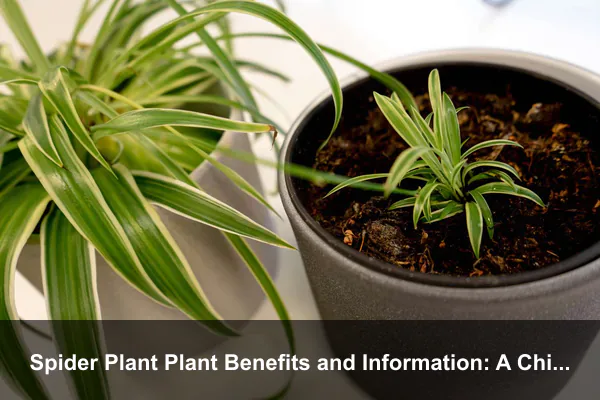
The spider plant is often praised as an easy houseplant, but one of its most overlooked strengths is how well it supports everyday learning at home. With arching striped leaves, dangling baby plants, visible roots, and quick responses to care habits, it turns basic plant care into a practical lesson in observation, responsibility, and natural growth. This angle makes Spider Plant plant benefits and information especially useful for families, teachers, beginners, and anyone who wants an indoor plant that does more than decorate a shelf.
Known botanically as Chlorophytum comosum, the spider plant is forgiving, adaptable, and visually active. It does not demand expert care, yet it offers enough seasonal changes to keep people interested. Its plantlets can be rooted in water or soil, its leaves show clear signs when watering or light needs adjustment, and its compact size fits apartments, classrooms, kitchens, and small work areas. In the context of Manfaat Tanaman, or plant benefits, the spider plant stands out as a living teaching tool that combines indoor greenery, simple wellness value, and hands-on botanical curiosity.
Why Spider Plant Is Ideal for Learning Through Care
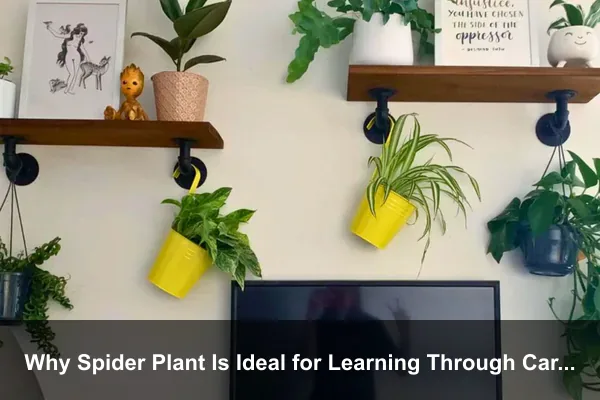
Many indoor plants are beautiful but slow to reveal what is happening beneath the surface. Spider plant is different. It grows in a way that is easy to see and understand. New leaves appear from the center, roots thicken in the pot, and mature plants produce long stems carrying small plantlets. These visible stages make it easier for beginners to connect simple actions with real plant responses.
For children and new gardeners, this matters. A spider plant can show that living things need balanced light, water, space, and time. It also teaches patience without becoming frustratingly slow. Under good indoor conditions, a healthy plant may produce new leaves regularly and send out baby plants once it matures.
Its learning value includes several practical benefits:
- Clear growth stages: Leaves, roots, stems, flowers, and plantlets can be observed without special tools.
- Low-pressure care: The plant tolerates occasional mistakes better than many delicate houseplants.
- Hands-on propagation: Plantlets allow beginners to practice making new plants safely and cheaply.
- Visual feedback: Brown tips, pale leaves, or limp foliage help users learn plant signals.
- Compact habit: It works well in small learning spaces, desks, windowsills, and shelves.
Basic Spider Plant Information
Spider plant is a perennial houseplant grown mainly for its narrow, arching foliage. Most indoor varieties have green leaves with white or cream stripes, although solid green forms also exist. The plant is native to parts of tropical and southern Africa, but it has become popular worldwide because it adapts well to indoor life.
Botanical Profile
- Botanical name: Chlorophytum comosum
- Common name: Spider plant, airplane plant, ribbon plant
- Plant type: Herbaceous perennial grown as a houseplant
- Light preference: Bright, indirect light; tolerates moderate indoor light
- Water needs: Moderate, with soil allowed to dry slightly between watering
- Soil: Light, well-draining potting mix
- Growth habit: Clumping leaves with trailing stems and plantlets
- Indoor difficulty level: Beginner-friendly
Common Varieties
Several spider plant varieties are useful for indoor display and learning projects. Variegatum usually has green leaves with white margins. Vittatum often has a pale central stripe with green edges. Bonnie has curly leaves and a more playful compact form. A plain green spider plant may be less common in shops but is vigorous and attractive in simple natural interiors.
For a learning-focused article on Spider Plant plant benefits and information, variety choice does not need to be complicated. Pick a healthy plant with firm leaves, visible new growth, and no mushy crown. A small plant is enough, especially if the goal is to observe changes over time.
Educational Benefits of Spider Plant at Home
The spider plant is not just a decorative item. It can become a small living project that teaches practical skills. This is especially valuable in homes where children spend more time with screens than soil, or in apartments where outdoor gardening is limited.
It Encourages Observation
Observation is the foundation of good plant care. Spider plants help people notice small changes: a new leaf emerging, a plantlet forming, roots filling a pot, or leaf color shifting with light. These changes can become part of a weekly routine.
A simple observation habit might include checking:
- Whether the top layer of soil feels dry or moist.
- Whether leaves are firm, pale, curled, or tipped brown.
- Whether new plantlets have started forming roots.
- Whether the pot feels light or heavy before watering.
- Whether the plant is leaning toward the light source.
This kind of routine develops attention without making plant care feel difficult. Over time, the plant becomes a visual record of care habits.
It Teaches Responsibility Without High Risk
Some plants decline quickly after one missed watering or one poor placement choice. Spider plant is more forgiving. That makes it useful for teaching responsibility because mistakes become lessons rather than failures. If the plant droops slightly, watering can often restore it. If tips turn brown, the owner can adjust water quality, humidity, or watering rhythm.
This forgiving nature makes spider plant a strong choice for beginner gardening, school corners, family plant projects, and first apartments. It gives the satisfaction of caring for something alive while keeping the pressure low.
It Makes Plant Propagation Easy to Understand
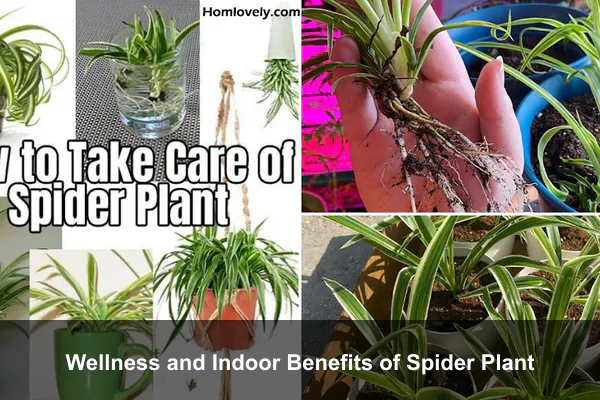
Propagation can sound technical, but spider plant makes it simple. Mature plants produce small plantlets that look like miniature versions of the parent plant. These can be rooted while still attached, placed in water until roots develop, or planted directly into moist potting mix.
This process teaches important natural concepts: parent plants, new growth, root formation, independence, and transplanting. For children, it is also exciting because the result is visible. A single healthy spider plant can become several plants over time, which supports low-cost and low-waste indoor gardening.
Wellness and Indoor Benefits of Spider Plant
Spider plant benefits are often discussed in relation to indoor air, relaxation, and home comfort. It is important to present these benefits realistically. A spider plant can contribute to a greener, calmer indoor environment, but it should not be described as a replacement for ventilation, cleaning, air filtration, or medical care.
Visual Calm and Biophilic Value
Indoor greenery can make a room feel softer and more connected to nature. Spider plant has a lively but gentle shape. Its arching leaves bring movement to shelves, hanging baskets, and bright corners without dominating the room. This makes it useful in bedrooms, study areas, kitchens, and work-from-home setups.
For people interested in Manfaat Tanaman, this everyday comfort is one of the most practical benefits. The plant adds a natural element to spaces where people read, cook, work, or rest. Caring for it can also become a quiet routine that encourages short pauses during a busy day.
Air Quality: Helpful but Not Magical
Spider plant is commonly associated with air-cleaning discussions because it has appeared in plant-related indoor air research. However, real homes are more complex than sealed test chambers. One spider plant will not purify an entire room in a dramatic way. Its better role is as part of a healthy indoor habit: keeping spaces ventilated, reducing dust, avoiding excess moisture, and choosing safe household products.
In practical terms, the plant contributes most reliably by encouraging people to pay attention to their indoor environment. If you are checking a plant’s light, water, dust, and airflow, you are also more likely to notice stale air, dry corners, or overly dark rooms.
Pet and Family Considerations
Spider plant is widely considered one of the more family-friendly houseplants and is commonly chosen for homes with pets. Even so, it should not be treated as a snack. Cats may be attracted to the dangling leaves and plantlets, and chewing can upset the plant or cause mild digestive discomfort in sensitive animals. Place it where curious pets cannot destroy it, especially if using hanging baskets.
For households with children, spider plant is a better teaching plant than many toxic ornamentals. Still, basic plant safety habits matter: do not eat houseplant leaves, wash hands after soil handling, and keep potting mix away from toddlers.
How to Care for Spider Plant Successfully
Spider plant care is simple, but the best results come from balance. Too much water can damage roots. Too little light can weaken growth. Harsh direct sun can scorch leaves. The goal is not perfection, but a steady indoor routine.
Light Requirements
Spider plant grows best in bright, indirect light. A spot near an east-facing window, a filtered south-facing window, or a bright room away from harsh midday sun usually works well. It can tolerate moderate light, but growth may slow and variegation may become less vivid.
If the leaves look faded, stretched, or weak, the plant may need brighter light. If the leaves show dry scorched patches, the sun may be too intense. Rotate the pot every week or two so the plant grows evenly instead of leaning strongly to one side.
Watering Rhythm
Water when the top part of the soil feels dry. In many homes, this may mean once a week or less, but timing depends on pot size, temperature, airflow, humidity, and season. A plant in a small pot near a bright window dries faster than one in a large pot in a cooler room.
A simple watering method is:
- Touch the soil surface and check the first few centimeters.
- Water thoroughly if it feels dry.
- Let excess water drain from the bottom of the pot.
- Empty saucers so roots do not sit in standing water.
- Wait until the soil dries slightly before watering again.
Brown leaf tips can sometimes come from inconsistent watering, dry air, fertilizer buildup, or minerals in tap water. If your tap water is very hard, occasional filtered or rainwater use may help.
Soil and Potting
Use a light, well-draining potting mix. A standard indoor plant mix usually works, especially if amended with perlite or another drainage material. The pot should have drainage holes. Decorative containers without drainage may look attractive but can trap water and cause root problems.
Spider plants develop thick, fleshy roots that store water. These roots help the plant tolerate short dry periods, but they can also crowd a pot over time. Repot when roots are tightly circling, the plant dries out very quickly, or growth becomes cramped. Choose a pot only slightly larger than the current one because oversized pots hold extra moisture.
Using Spider Plant for Simple Nature Activities
A unique way to use spider plant is to turn it into a small indoor nature project. This approach gives the plant a purpose beyond decoration and helps readers build a deeper relationship with indoor greenery.
Weekly Growth Journal
Keep a small notebook or digital note for the plant. Record watering dates, light conditions, new leaves, and plantlet growth. This can be useful for children, beginners, or anyone trying to understand plant care patterns.
Useful journal prompts include:
- How many new leaves appeared this month?
- Did the soil dry faster during warmer weather?
- Where did brown tips appear, and what changed before that?
- How long did plantlets take to form roots?
- Which room gave the plant the healthiest growth?
Root Observation in Water
One plantlet can be placed in a clear glass of water to observe root growth. Keep the leaves above water and refresh the water regularly. Once roots are several centimeters long, transfer the plantlet into a small pot with moist potting mix.
This activity is simple but meaningful. It shows that roots are active living structures, not just hidden anchors. It also helps beginners understand why overwatering can be harmful: roots need both moisture and oxygen.
Light Comparison Project
If you have several plantlets, place them in different bright but safe locations and compare growth. Avoid extreme conditions, such as direct hot sun or dark cupboards. The aim is to observe how light affects leaf color, growth speed, and direction.
This project works well for home learning because it is slow enough to teach patience but active enough to stay interesting. It also helps people choose better plant locations in the future.
Design Ideas for Small Spaces
Spider plant is especially useful in small homes because it gives a full, lively look without needing much floor space. Its arching leaves look good from above, below, and at eye level. This flexibility makes it easy to style in narrow rooms and compact apartments.
Hanging Baskets
A hanging basket lets the plantlets trail naturally. This is one of the best ways to display a mature spider plant. It also keeps the plant away from crowded tabletops and curious pets. Use a secure hook, a lightweight pot, and a saucer or liner that prevents water from dripping onto furniture.
Shelves and Bookcases
Spider plant softens hard furniture lines. On shelves, the leaves create movement without needing a large container. Place it where the leaves have room to arch. Avoid squeezing it between books or objects, as damaged leaves may crease or brown.
Kitchen and Study Corners
A spider plant in a kitchen or study can make routine spaces feel fresher. In kitchens, keep it away from stove heat and greasy surfaces. In study areas, choose a bright spot where the plant can be seen during breaks. Its visible growth can be a quiet reminder to pause and reset.
Common Spider Plant Problems and Practical Fixes
Even easy plants develop problems. The advantage of spider plant is that many issues are simple to diagnose once you know the signs.
Brown Leaf Tips
Brown tips are common and usually not fatal. Possible causes include dry air, uneven watering, fertilizer buildup, mineral-heavy water, or natural aging. Trim only the dry brown part if needed, following the shape of the leaf. Improve consistency rather than overcorrecting with too much water.
Pale or Weak Leaves
Pale leaves may indicate insufficient light, depleted nutrients, or stress from overwatering. Move the plant to brighter indirect light and check the roots if the soil stays wet for too long. Feed lightly during active growth with a balanced houseplant fertilizer, following label directions.
No Plantlets
A young spider plant may simply need time. Plantlet production often improves when the plant is mature, slightly snug in its pot, and receiving bright indirect light. Too much fertilizer can encourage leaves rather than plantlets, so avoid heavy feeding.
Root Crowding
Spider plants can become root-bound. This is not always urgent, but severe crowding can make watering difficult. If water runs straight through or the plant wilts quickly after watering, inspect the roots. Repot into a slightly larger container and refresh the soil.
Low-Waste Benefits of Growing Spider Plant
Spider plant supports sustainable indoor gardening habits because it is easy to multiply and share. Instead of buying many new plants, one parent plant can produce plantlets for friends, classrooms, offices, or other rooms in the home. This makes it budget-friendly and low-waste.
Low-waste spider plant habits include reusing small nursery pots for plantlets, refreshing soil only when needed, sharing rooted babies locally, and choosing durable containers instead of fragile decorative pots. These practices align with the broader idea of Manfaat Tanaman: plants can support wellbeing, beauty, learning, and more thoughtful daily habits.
Conclusion
Spider Plant plant benefits and information go far beyond basic care. While the plant is attractive, resilient, and beginner-friendly, its most unique value is its ability to teach. It helps people observe growth, understand roots, practice propagation, and build steady care routines in a simple indoor setting.
For families, students, renters, and new plant owners, spider plant is a practical choice with lasting value. It offers greenery without demanding expert skill, plantlets without expensive equipment, and visible lessons without needing a garden. With bright indirect light, careful watering, well-draining soil, and occasional observation, this humble houseplant can become a living classroom for healthier, more connected indoor living.
