
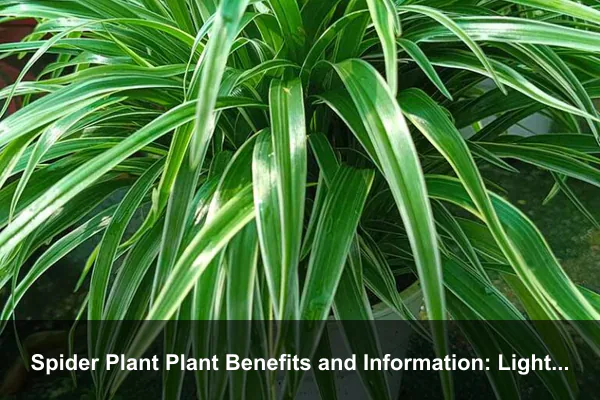
Spider Plant plant benefits and information often get reduced to one simple claim: this is an easy houseplant. That is true, but it is not the most useful way to understand Chlorophytum comosum. A spider plant is also a practical indoor indicator, a flexible design plant, and a forgiving teacher for anyone who wants to understand light, watering, and plant placement without turning houseplant care into a complicated hobby.
This guide takes a distinct angle: using the spider plant as a living tool for mapping indoor light and building better plant habits. Instead of repeating the same basic care advice, we will look at how its leaves respond to real home conditions, how to place it on shelves and work surfaces, what benefits are realistic, and how to keep it attractive over the long term. For readers interested in plant benefits, or manfaat tanaman, the spider plant is valuable because it offers visible greenery, low-pressure maintenance, and a cleaner, calmer feel in everyday rooms without needing advanced care.
What Makes the Spider Plant Useful Indoors
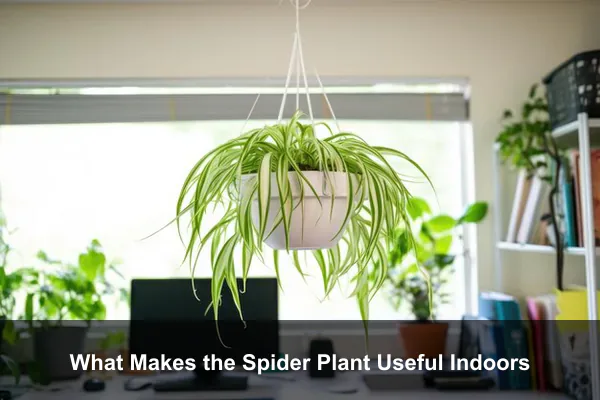
The spider plant is a clump-forming perennial grown mostly for its arching leaves. Many popular forms have green leaves with cream or white stripes, while solid green types also exist. Its growth habit is naturally fountain-like, so even a modest plant adds movement to a shelf, plant stand, bookcase, or window ledge. Mature plants may send out long stems with small white flowers followed by baby plantlets, but the plant is attractive even before that stage.
Quick Botanical Profile
- Botanical name: Chlorophytum comosum.
- Common names: spider plant, airplane plant, ribbon plant, and spider ivy.
- Plant type: evergreen herbaceous perennial usually grown as an indoor houseplant.
- Native range: tropical and southern regions of Africa.
- Growth habit: arching leaves from a central crown with thick, moisture-storing roots.
- Typical indoor size: around 12 to 24 inches tall and wide, depending on cultivar and pot size.
- Best light: bright indirect light, gentle morning sun, or strong artificial grow light.
- Care level: beginner-friendly, but still responsive to placement, water quality, and soil condition.
Why It Earns Space in a Modern Home
The strongest spider plant benefits are practical. It softens hard surfaces, gives quick visual feedback when conditions are wrong, grows well in many ordinary homes, and does not demand constant pruning. Its flexible shape also makes it useful in places where upright plants look stiff or vines become messy.
- Visual softness: arching leaves reduce the harsh look of desks, shelves, counters, and plain corners.
- Beginner confidence: the plant recovers from small mistakes better than many decorative houseplants.
- Design flexibility: it can sit in a pot, trail from a shelf, or hang near a bright window.
- Routine building: watering, rotating, and checking leaves become simple weekly habits.
- Long-term value: a healthy plant can remain attractive for years and produce offsets for new pots.
A Light-Mapping Approach to Spider Plant Care
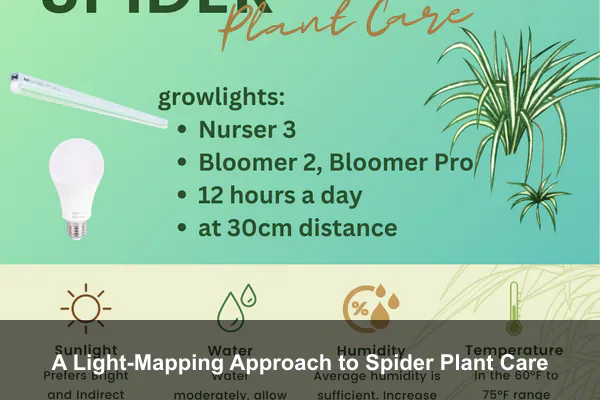
A unique way to use a spider plant is as a simple light-mapping plant. Many indoor plant problems begin because a room is described too generally. A room may seem bright to human eyes but still be weak for plant growth, especially several feet away from a window. Spider plants are useful because they tolerate moderate conditions while still showing visible differences between good, weak, and stressful light.
Build a Simple Light Map at Home
You do not need professional equipment to improve placement. A light meter app or an inexpensive handheld meter can help, but observation is enough for most homes. The goal is to learn which areas support steady growth, not to chase perfect numbers.
- Choose three possible positions: for example, a window shelf, a desk near the window, and a bookcase farther inside the room.
- Observe shadows at midday: crisp shadows usually mean stronger light, while barely visible shadows suggest lower light.
- Place the spider plant in the best candidate spot: start with bright indirect light rather than direct hot sun.
- Watch the plant for two weeks: look for new leaves, leaf angle, color strength, and soil drying speed.
- Rotate the pot weekly: this keeps the rosette balanced and prevents all new growth from leaning one way.
- Move gradually: if growth is weak, move the plant closer to light rather than making a sudden shift into harsh sun.
Leaf Signals That Reveal Light Quality
Spider plant leaves can help you read the room. In good bright indirect light, the plant usually produces firm leaves with clear striping and a balanced arch. In dim conditions, growth may slow, leaves may become narrower, and the plant may stop producing strong new shoots. In excessive sun, especially behind hot glass, the leaves can bleach, curl, or develop dry patches. These signals are not a reason to panic; they are useful information.
Variegated spider plants need more light than solid green forms because the pale parts of the leaves have less chlorophyll. If a variegated plant is placed too far from a window, it may survive but look thin and tired. This is why light mapping matters. The benefit is not only a healthier plant; it teaches you how your home actually behaves through the seasons.
Best Indoor Placement Zones
- East-facing windows: often ideal because morning sun is bright but usually gentle.
- North-facing windows: suitable when the window is unobstructed and the room is not too dark.
- South or west rooms: place the plant back from the glass or use a sheer curtain to soften heat.
- Desks with grow lights: useful for offices, interior rooms, and cloudy climates.
- High shelves: effective when the shelf still receives side light and is not near a hot air vent.
Realistic Spider Plant Benefits Without the Hype
Spider Plant plant benefits and information should be honest. Spider plants are often mentioned in discussions about indoor air quality because of laboratory studies involving houseplants. Those studies are interesting, but a few potted plants cannot replace ventilation, cleaning, source control, or proper air filtration in a real home. The more reliable benefits are everyday comfort, visual calm, low-maintenance greenery, and a better relationship with indoor spaces.
Indoor Comfort and Air Movement
A spider plant adds living foliage to a room without strong fragrance, sticky flowers, or complicated care. Leaves may catch a small amount of settled dust, and regular leaf cleaning can make a room feel fresher. Like other plants, it also releases moisture through transpiration, though the effect from one pot is modest. For meaningful humidity changes, several plants and good room management are needed. Think of the spider plant as one part of a healthier indoor routine, not a mechanical air purifier.
Biophilic Value for Focus and Calm
Biophilic design is the practice of bringing natural forms, materials, and living elements into human spaces. A spider plant fits this idea well because it has movement without visual chaos. The leaves curve outward, the stripes create gentle contrast, and the plant changes slowly enough to be noticed during daily routines. For a desk, reading corner, or kitchen shelf, that small cue of living green can make a space feel less sterile.
The plant also rewards observation. When you notice that one side is leaning toward the window, you rotate it. When the soil stays wet too long, you adjust watering. These small actions build attention and rhythm, which is one of the underrated benefits of keeping plants indoors.
Fragrance-Free and Low-Pollen Greenery
Many people want indoor plants but do not want strong scents or heavy pollen. Spider plants are grown for foliage rather than showy flowers, and their small blooms are not the main feature. This makes them suitable for people who prefer subtle greenery in bedrooms, shared offices, study areas, and compact apartments. Anyone with serious allergies should still monitor personal reactions, but the spider plant is generally a gentle choice compared with highly fragrant flowering plants.
A Plant That Teaches Sustainable Habits
Because spider plants can produce plantlets, they encourage sharing and plant renewal. A single mature plant can eventually become several smaller plants for different rooms or for friends. The key is to propagate only when the mother plant is strong and the offsets have visible roots or enough size to establish well. This keeps propagation practical rather than wasteful.
Shelf, Desk, and Hanging Styling Ideas That Support Health
Spider plants look best when their shape is allowed to move. Their leaves are not meant to be pressed against a wall or trapped between objects. Good styling is therefore not only about appearance; it protects the plant from bent leaves, stagnant air, and uneven light. A healthy display gives the crown room, allows light to reach the leaves, and makes watering easy enough that the plant is not forgotten.
Shelf and Cabinet Placement
On shelves, place the spider plant near the front edge so the leaves can arch naturally. If the plant sits too far back, leaves may flatten against the wall and grow unevenly toward the light. A medium-height shelf near a bright window is often better than a very high shelf that is hard to water. If the plant is part of a bookcase display, leave an open space around the crown rather than surrounding it with tall objects.
- Use one spider plant as the soft, living element among books, ceramics, and storage boxes.
- Choose a shelf where the pot can be rotated without moving several heavy items.
- Keep leaves away from rough brick, sharp shelf edges, and hot lamps.
- Avoid placing the crown under a shelf lip that blocks overhead or side light.
- Pair variegated leaves with simple containers so the plant remains the visual focus.
Hanging Without Stress
A hanging spider plant can look excellent, but the setup should be practical. Use a lightweight pot with drainage, a secure hook, and a position where you can check soil moisture easily. Plants hung too high often become neglected because watering becomes inconvenient. If water drips are a concern, use a removable nursery pot inside a decorative hanger and take it down for watering.
Hanging positions work best near bright windows with filtered light. Avoid spots directly above heaters, air-conditioning vents, or cooking steam. Air movement is good, but harsh drafts and dry heat can stress the leaves.
Pot Colors and Companion Plants
Spider plant foliage already has contrast, so simple containers usually work best. White, charcoal, muted green, terracotta, soft gray, and natural fiber planters all let the leaves stay prominent. For companion plants, choose forms that contrast without competing: upright snake plant, compact peperomia, small hoya, or a simple fern in a nearby pot. Avoid crowding several arching plants together unless the display has enough space, because the shapes can blur into visual clutter.
Everyday Care Routine for Strong Leaves
The best spider plant care routine is consistent but not fussy. This plant likes breathable soil, steady light, moderate watering, and occasional feeding. It does not need daily attention. In fact, most problems come from overwatering, poor drainage, or placing the plant where light is too weak for long-term growth.
Light Care
Give the plant bright indirect light whenever possible. A little gentle morning sun is usually fine, while intense afternoon sun can scorch leaves. If your home is dim, use a small full-spectrum grow light for 8 to 12 hours a day. Keep the light close enough to be useful but not so close that it heats the leaves.
Watering Routine
Water when the top inch or two of potting mix feels dry. In a small pot, this might happen quickly during warm weather. In a large pot or cool room, it may take much longer. Spider plants have thick roots that store moisture, so they prefer a short dry-down between waterings. Constantly wet soil can lead to root stress.
When you water, water thoroughly until excess drains from the bottom, then empty the saucer. This is better than giving tiny sips every day. If your water is heavily mineralized or chlorinated, occasional use of filtered water or rainwater may help keep leaf tips cleaner, especially on sensitive variegated plants.
Soil and Potting
Use a well-draining potting mix. A standard indoor potting soil can work if it is not dense, but adding perlite, pumice, or fine bark improves air flow around the roots. Choose a pot with drainage holes. Decorative pots without drainage are risky because water collects at the bottom and roots can suffocate.
Repot when roots circle heavily, the plant dries out extremely fast, or the crown pushes upward because the pot is packed with roots. Move up only one pot size at a time. A pot that is much larger than the root ball can hold excess moisture and slow recovery.
Feeding
Feed lightly during active growth in spring and summer. A balanced liquid houseplant fertilizer at half strength once a month is usually enough. Do not overfeed in an attempt to force plantlets. Too much fertilizer can cause salt buildup and damaged leaf tips. In fall and winter, reduce feeding or pause if the plant is growing slowly.
Cleaning and Rotation
Spider plant leaves are narrow, so dust may not be obvious at first. Wipe leaves gently with a damp cloth or rinse the plant in a sink or shower with lukewarm water. Let it drain well before returning it to a shelf or hanger.
- Rotate the pot once a week for balanced growth.
- Trim fully brown tips with clean scissors if they bother you visually.
- Remove dead leaves at the base instead of pulling hard on healthy growth.
- Check the underside of leaves during watering for pests.
- Refresh the top layer of soil if it becomes crusty from mineral buildup.
Troubleshooting by Reading Plant Signals
A spider plant rarely fails without warning. The plant usually shows stress through leaf color, texture, posture, or soil behavior. Instead of treating every symptom the same way, connect the signal to the most likely cause.
Pale or Weak Growth
If new leaves are pale, narrow, or floppy, the plant may need stronger light. Move it closer to a window or add a grow light. Also check whether the soil is staying wet for too long, because weak roots cannot support firm leaves. Variegated plants may also look less defined when light is too low.
Dry Leaf Tips
Dry tips are common and usually not fatal. Possible causes include inconsistent watering, mineral-heavy water, low humidity, fertilizer buildup, or old leaves naturally aging. Trim the tips if desired, but also review the care pattern. If the plant otherwise grows well, a few dry tips are cosmetic rather than a major health problem.
No Plantlets
A spider plant may not produce plantlets if it is young, recently repotted, underfed, kept in weak light, or still recovering from stress. Plantlets are not required for the plant to be healthy. Focus first on strong leaves, good roots, and steady light. Mature plants in slightly snug pots often produce offsets more readily than plants in oversized containers.
Pests and Sticky Leaves
Spider plants can occasionally attract spider mites, scale, aphids, or mealybugs, especially in dry indoor conditions. Look for webbing, small bumps, cottony clusters, or sticky residue. Isolate the plant, rinse foliage, and treat with insecticidal soap or horticultural oil according to label directions. Repeat treatment is often necessary because pests can hatch in cycles.
Safety and Household Fit
Spider plants are widely considered a good choice for homes that want gentle, non-dramatic greenery. They are commonly listed as non-toxic to cats and dogs, but that does not mean pets should eat them freely. Chewing can still cause mild stomach upset, and cats may be attracted to the dangling leaves. If pets chew plants, place the spider plant on a higher shelf or in a hanging position.
For Homes With Children
The plant is not thorny and does not have heavy branches, which makes it easier to place around family spaces. Still, pot stability matters. Use a heavy enough container for tabletop plants, avoid trailing stems where toddlers can pull them, and keep fertilizers or pest treatments stored away from children.
For Shared Offices and Small Rooms
Spider plants are good for shared spaces because they do not usually create strong smells, messy fruit, or large fallen leaves. Their care routine can also be assigned easily: one person checks soil moisture weekly, rotates the pot, and removes aging leaves. In small rooms, choose compact cultivars or trim older outer leaves when the plant becomes too wide for its spot.
Buying a Spider Plant With Long-Term Value
A good purchase starts with roots, crown health, and balanced growth. Do not choose a plant only because it is already large. A smaller spider plant with clean leaves and a firm crown may adapt better than a crowded pot with hidden root stress.
What to Check Before Buying
- Crown firmness: the center should feel stable, not mushy or loose.
- Leaf color: look for clear green and cream patterns without widespread yellowing.
- Root condition: if visible, roots should look firm and light colored rather than black and soft.
- Soil smell: avoid plants with sour, swampy, or rotten-smelling soil.
- Pest signs: inspect leaf bases, undersides, and nearby plants on the same shelf.
- Pot size: slightly snug is fine, but severely distorted pots may mean the plant needs repotting soon.
The First 30 Days at Home
Give the plant time to adjust. Place it in bright indirect light, keep it away from extreme heat or drafts, and avoid fertilizing immediately. Check moisture before watering because nursery soil may stay wet longer than expected. If the plant looks healthy, wait a few weeks before repotting unless the soil is poor or the pot has no drainage.
- Choose a stable, bright position and leave the plant there for the first week.
- Water only when the top layer of mix has dried.
- Inspect leaves and soil weekly for pests or stress.
- Rotate the pot after new growth begins leaning toward the light.
- Repot after acclimation if roots are crowded or the mix drains poorly.
Conclusion
Spider Plant plant benefits and information are most useful when they are practical and realistic. This plant is not magic, and it should not be treated as a replacement for clean air systems, good ventilation, or thoughtful home care. Its real value is quieter and more dependable: it brings adaptable greenery indoors, helps you understand light, fits shelves and hanging displays, and teaches consistent plant routines without punishing every small mistake.
If you want one houseplant that can improve the feel of a room while also helping you learn how indoor growing conditions work, the spider plant is a strong choice. Give it bright indirect light, breathable soil, sensible watering, and enough space for its arching leaves, and it will reward you with long-lasting foliage and a clearer understanding of your home environment.
