
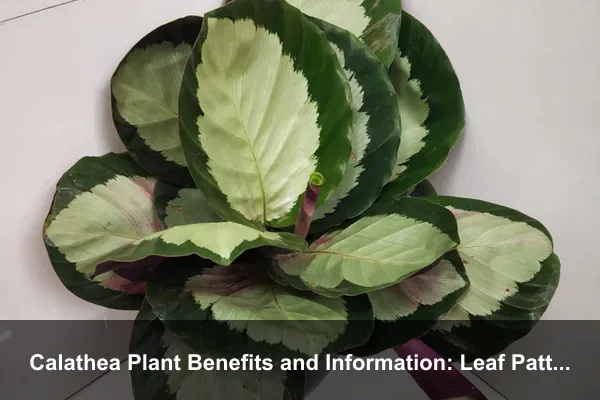
Calathea is one of the most expressive foliage plants you can bring indoors. Instead of relying on flowers, it delivers color through leaves that look painted, striped, feathered, or brushed by hand. For people who want plant benefits without strong fragrance, falling petals, or a large outdoor garden, Calathea offers a practical way to add beauty, routine, and visual calm to everyday rooms.
This guide takes a fresh look at Calathea plant benefits and information through the angle of non-flowering indoor color and leaf pattern learning. In the spirit of manfaat tanaman, or the practical benefits of plants, the focus is not on exaggerated claims. It explains what Calathea can realistically offer, how to choose the right type, how to display it well, and how to care for the leaves so the plant stays attractive over time.
What Makes Calathea Different from Ordinary Green Houseplants

Many houseplants are valued for simple green leaves, trailing stems, or sculptural height. Calathea stands apart because its strongest feature is surface detail. The leaves often combine multiple tones in a single blade: deep green, lime, silver, cream, burgundy, pink, or purple. Some varieties look like peacock feathers, some have fishbone markings, and others show broad rounded leaves with soft metallic bands.
Botanically, many plants still sold as Calathea have been reclassified under the genus Goeppertia, but the common houseplant name Calathea remains widely used by growers, shops, and plant owners. They belong to the Marantaceae family, a group often called prayer plants because several members raise and lower their leaves as light changes through the day. This movement is interesting, but the main value for most homes is the patterned foliage.
Leaf Patterns as Living Color
Calathea is useful when you want color but do not want to depend on blooms. Flowering plants may have a short display season, while Calathea can provide a long-lasting decorative effect through healthy foliage. A well-grown plant can hold its visual value for months because the leaf pattern is part of the leaf itself, not a temporary flower.
This makes Calathea a strong choice for renters, apartment dwellers, home offices, reading corners, and compact shelves where a bouquet would fade quickly. It also suits people who prefer a softer, quieter style than bright flowering plants. The benefit is not only decoration; it is stable, renewable indoor color when the care conditions are right.
Why Calathea Is Often Called a Sensitive Plant
Calathea has a reputation for being sensitive because its leaves show stress quickly. Brown tips, curling edges, dull color, and faded markings can appear when the plant receives harsh sunlight, dry air, inconsistent watering, or mineral-heavy water. This sensitivity can feel frustrating, but it also makes the plant a useful teacher. It gives visible feedback about the indoor environment.
For plant owners who enjoy observation, this responsiveness is part of the charm. Calathea encourages you to notice light direction, water quality, humidity, air conditioning, and seasonal change. Those are not just care chores; they are indoor gardening skills that can improve how you grow many other houseplants.
Key Calathea Plant Benefits for Everyday Homes
The best way to understand Calathea plant benefits and information is to separate realistic benefits from marketing myths. Calathea is not a medical treatment, and a single pot will not transform indoor air quality by itself. Its value is more practical: it improves visual comfort, supports gentle plant care routines, adds non-floral color, and makes indoor spaces feel more alive.
- Long-lasting foliage color: Calathea provides pattern and contrast without relying on flowers.
- Low-fragrance greenery: It is suitable for people who dislike strong plant scents indoors.
- Pet-aware appeal: Calathea is commonly regarded as non-toxic to cats and dogs, although pets should still be discouraged from chewing leaves.
- Indoor observation value: Leaf changes help beginners learn about water, light, and humidity.
- Biophilic design value: The plant adds natural texture and softness to work and living areas.
- Compact decorative impact: Many types stay manageable in small rooms and on plant stands.
A Realistic View of Air and Wellness Claims
Houseplants can contribute to a more pleasant indoor setting, but they should not be presented as replacements for ventilation, air filters, cleaning, or humidity management. Calathea may slightly support a greener micro-environment through transpiration, especially when grouped with other plants, but its strongest wellness benefit is sensory and behavioral. It gives the eye something natural to rest on and encourages a slower care rhythm.
That matters in modern homes where many people spend long hours looking at screens. A patterned plant nearby can create a small visual pause. The benefit is simple: a living object that invites attention without noise, fragrance, or digital interruption.
Why Calathea Works Well for Non-Flower Decor
Some homes need color but not pollen-heavy blooms, petals, or intense perfume. Calathea fits this need because the display comes from foliage. Its leaves can echo textile patterns, ceramic glazes, woven baskets, wood grain, or wall art. This makes it especially useful in interiors where the owner wants natural detail but prefers a clean, low-mess look.
It is also flexible across design styles. A round-leaved Calathea orbifolia can soften a modern room. A rattlesnake Calathea adds energy to a desk. A pink-striped Calathea ornata can bring a refined accent to a bedroom or vanity area. Instead of changing flowers every week, you can maintain one living color element through steady care.
Popular Calathea Types and What Their Leaves Teach You
Choosing a Calathea is easier when you think in terms of leaf shape, contrast, and care tolerance. Some varieties are bold and graphic; others are delicate and demanding. The best plant is not always the rarest one. It is the one whose needs match your room and your care habits.
Calathea Orbifolia
Calathea orbifolia is known for broad, rounded leaves with soft silver-green stripes. It creates a calm, generous look and works well as a floor or stand plant when mature. Because the leaves are large, damage is easy to see. This type benefits from stable humidity, filtered light, and careful watering.
Rattlesnake Calathea
Rattlesnake Calathea, often sold as Calathea lancifolia, has long narrow leaves with dark oval markings and purple undersides. It is one of the more forgiving choices and a good option for beginners who want strong pattern without choosing the most delicate cultivar. Its upright leaves make it useful for narrow tables or bright shelves.
Calathea Makoyana
Calathea makoyana, often called peacock plant, has translucent-looking markings that resemble layered feathers. It is excellent for leaf pattern learning because new and mature leaves show clear differences in color and contrast. It rewards close observation, but it also needs protection from dry air and direct sun.
Calathea Ornata
Calathea ornata is recognized by fine pink or pale stripes on darker leaves. It has a polished, elegant appearance, but the edges may brown if the air is too dry or the water contains excess minerals. It is best for owners who can provide consistent moisture and moderate humidity.
Calathea Roseopicta and Medallion Types
Roseopicta and medallion Calatheas usually have rounded leaves with strong central patterns and colorful undersides. They are popular because they look dramatic even as small plants. When buying one, inspect the leaf backs, stems, and soil surface carefully because dense foliage can hide pests or overwatering problems.
How to Use Calathea as Indoor Color Without Flowers
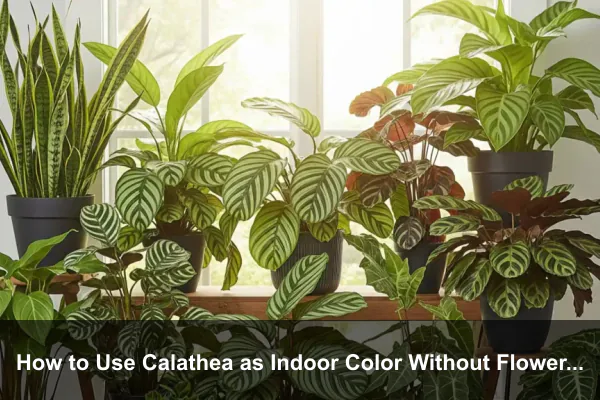
Calathea works best when treated as a living design feature, not as a plant pushed into any empty corner. Its pattern needs light to be visible, but the leaves dislike harsh sun. This makes placement important. A spot with bright, indirect light will usually show the leaf markings better than a dark shelf or a hot windowsill.
For a natural look, pair Calathea with materials that do not compete too strongly with the leaves. Matte ceramic pots, woven baskets, plain terracotta cachepots, warm wood stands, or neutral trays can let the pattern stay central. If the room already has many colors, choose a green and silver variety. If the room is plain, a pink-striped or burgundy-backed type can act as a soft accent.
Three Practical Styling Ideas
- Desk-side color: Use a compact rattlesnake or makoyana type near a work area where you can see the leaf pattern during screen breaks.
- Reading corner softness: Place a rounded orbifolia or medallion type beside a chair where the leaves add calm visual texture.
- Shelf contrast: Use a medium Calathea on an open shelf with enough space around the leaves so the pattern is visible, not crowded.
Avoid placing Calathea beside heaters, cold drafts, air conditioner vents, or frequently opened exterior doors. The plant can look decorative in those spots for a short time, but the leaves often decline because of fluctuating air and moisture. A beautiful placement still needs to respect the plant’s rainforest origin.
Calathea Care Information That Protects the Leaf Pattern
Good Calathea care is really leaf protection. The plant’s value is in the foliage, so the goal is to prevent stress before the pattern is damaged. Stable care matters more than dramatic interventions. If you can provide filtered light, gentle moisture, breathable soil, and moderate humidity, Calathea becomes much more manageable.
Light Requirements
Calathea prefers bright, indirect light. Direct afternoon sun can bleach the pattern, crisp the edges, or cause papery patches. Too little light can make growth slower and reduce contrast. A good location is near an east-facing window, a few feet from a bright south or west window, or behind a sheer curtain where the plant receives glow rather than harsh rays.
If the leaves lean strongly toward the window, rotate the pot a quarter turn every week or two. If the markings look dull and the soil stays wet for too long, the plant may need a brighter position. Light adjustment should be gradual because sudden changes can stress the foliage.
Watering Rhythm
Calathea likes evenly moist soil, not soggy soil. Water when the top layer begins to feel slightly dry, then let excess water drain away. Do not leave the pot sitting in a saucer of water. Constantly wet roots can lead to yellowing leaves, limp stems, and root rot.
Water quality is a major part of Calathea plant benefits and information because this plant often reacts to dissolved minerals or chemicals. If brown tips appear despite good watering habits, try rainwater, distilled water, filtered water, or tap water left to sit overnight. The goal is not perfection; it is reducing stress that shows up on the leaf edges.
Soil and Potting Mix
A good Calathea mix holds moisture but still breathes. A simple approach is to use a quality indoor potting mix amended with perlite, fine bark, or coco coir. The pot must have drainage holes. Heavy garden soil is not suitable indoors because it compacts, holds too much water, and limits oxygen around the roots.
Repot only when needed, usually when roots fill the pot or water runs through too quickly because the mix has broken down. Choose a pot only slightly larger than the current one. Oversized pots hold extra moisture and can create root problems before the plant has enough roots to use the water.
Humidity and Temperature
Calathea generally grows best in moderate to high humidity, often around 50 percent or higher. In dry rooms, leaf edges may curl or brown. A humidifier, pebble tray, plant grouping, or naturally humid room can help. Misting gives only brief moisture and can encourage spotting if the leaves stay wet without airflow.
Keep the plant in a warm, stable range, ideally around 65 to 80 F. Avoid cold windows in winter and sudden temperature swings. Calathea is tropical, so it responds better to consistency than to extremes.
Feeding
Feed lightly during active growth with a balanced, diluted houseplant fertilizer. Too much fertilizer can burn roots and worsen brown tips, especially if salts build up in the soil. Many Calatheas do well with half-strength feeding once a month in spring and summer, then little or no feeding during cooler, slower months.
Reading Leaf Clues Before Problems Spread
One of the most useful Calathea benefits is that the leaves tell a story. They show when the room is too dry, the water is too harsh, the light is too strong, or the soil is staying wet. Learning these clues helps you respond early instead of waiting until the whole plant declines.
- Brown tips: Often linked to dry air, mineral-heavy water, fertilizer buildup, or inconsistent moisture.
- Curling leaves: Commonly caused by underwatering, dry air, heat, or cold stress.
- Yellow leaves: Can signal overwatering, poor drainage, root stress, or natural aging of old leaves.
- Faded pattern: May come from too much direct sun or, in some cases, weak light over time.
- Sticky residue or webbing: Check for pests such as spider mites, scale, or mealybugs.
When troubleshooting, change one condition at a time. If you move the plant, change water type, repot, fertilize, and prune all in the same week, it becomes difficult to know what helped. Calathea prefers calm correction. Trim severely damaged leaves with clean scissors, improve the main cause, and give new growth time to show the result.
Safe and Sustainable Calathea Habits
Calathea is often chosen for homes with pets because it is widely listed as non-toxic to cats and dogs. Still, non-toxic does not mean edible. Chewing can damage the plant and may upset a pet’s stomach. Place the plant where animals are less tempted, especially if the leaves move or dangle at eye level.
For a lower-waste approach, buy a healthy plant from a responsible local shop when possible, choose a durable pot with drainage, and avoid frequent repotting for style alone. Keep nursery pots as inner pots inside decorative cachepots. This makes watering easier and reduces the need to buy new containers every time you change the room design.
Propagation by Division
Calathea is propagated by division, not by single leaf cuttings. The best time is during repotting when the plant has several rooted clumps. Separate a section with roots and stems, pot it into a suitable mix, and keep it warm and humid while it adjusts. Division is slower than cutting a vine plant, but it is the reliable method.
Responsible Buying Tips
Before buying, inspect the plant in good light. Look under the leaves for pests, check that the pot is not waterlogged, and avoid plants with widespread mushy stems. A few old brown tips are not necessarily a problem, but limp growth, sour-smelling soil, or many yellow leaves may indicate deeper root stress.
A Simple Calathea Care Calendar
A care calendar helps turn Calathea from a demanding plant into a predictable routine. You do not need to fuss with it daily. You need to check the right things at the right time.
- Every few days: Touch the soil surface, notice leaf curl, and check whether the plant is too close to heat or drafts.
- Weekly: Rotate the pot, wipe dusty leaves with a soft damp cloth, and inspect leaf undersides for pests.
- Monthly: Review light conditions, trim fully damaged leaves, and feed lightly during the growing season if the plant is healthy.
- Seasonally: Adjust watering as growth slows or increases, move the plant away from cold windows, and consider humidity support during dry months.
- Yearly: Check whether the roots need more space or whether the potting mix has become compacted.
This rhythm supports the best parts of Calathea ownership: attractive leaves, steady growth, and a more observant relationship with your indoor environment. It also prevents the common mistake of reacting only after the plant looks severely stressed.
Frequently Asked Questions About Calathea
Is Calathea Good for Beginners?
Calathea can be a beginner plant for someone who is willing to observe and adjust care. It is not as forgiving as pothos, snake plant, or ZZ plant, but it teaches useful skills. Start with a more tolerant type such as rattlesnake Calathea, provide bright indirect light, and avoid letting the soil become bone dry or swampy.
Does Calathea Need Direct Sunlight?
No. Direct sunlight is usually harmful indoors, especially hot afternoon sun. Calathea needs bright filtered light. If your only bright window receives intense sun, use a sheer curtain or place the plant farther back from the glass.
Why Are My Calathea Leaves Turning Brown?
Brown leaves can come from several causes, but the most common are dry air, inconsistent watering, mineral-heavy water, fertilizer buildup, or too much direct light. Check the full care situation before cutting the plant back. If new leaves emerge clean after you adjust conditions, the plant is improving.
Can Calathea Grow in a Bathroom?
A bathroom can work if it has enough natural or strong artificial light. Humidity is helpful, but darkness is not. A bright bathroom with stable warmth may be excellent; a windowless bathroom usually requires a proper grow light.
How Big Does Calathea Get Indoors?
Size depends on the variety and conditions. Many common types stay between compact tabletop size and medium floor-plant size. Larger types such as orbifolia can become broad and dramatic, while rattlesnake and makoyana types often remain easier to place on stands or shelves.
Conclusion
Calathea plant benefits and information are best understood through realistic, everyday value. This plant brings indoor color without flowers, adds detailed leaf patterns to small spaces, supports gentle observation habits, and helps you learn how light, water, humidity, and soil affect living foliage. It is decorative, educational, and rewarding when its basic needs are respected.
If you want a low-fragrance, pattern-rich houseplant that feels more like living art than standard greenery, Calathea is a strong choice. Select a variety that matches your room conditions, protect it from harsh sun and dry air, use clean water when possible, and let the leaves guide your care. With patience and consistency, Calathea can become one of the most visually satisfying plants in an indoor collection.
