
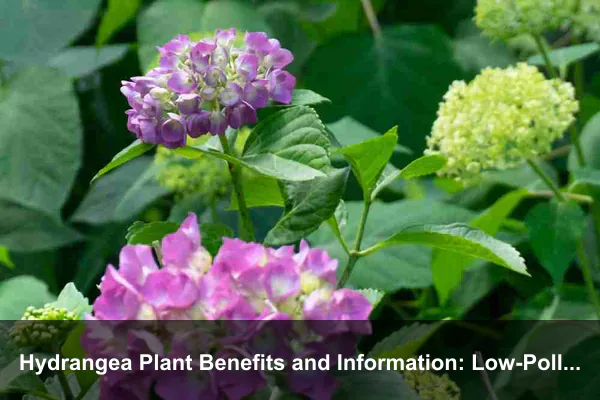
Hydrangea plant benefits and information are often discussed only in terms of dramatic flower color, but this shrub offers much more than seasonal beauty. In the right garden, hydrangeas can soften hard edges, add privacy, support a calmer outdoor setting, and bring reliable structure to foundation beds, patios, entrances, and family landscapes.
This guide takes a different angle: instead of focusing mainly on color-changing blooms or cut flowers, it looks at hydrangeas as practical ornamental shrubs. You will learn how they benefit home landscapes, which types suit different spaces, how to care for them responsibly, and what safety points matter before planting them around children or pets.
Why Hydrangeas Are Useful Landscape Shrubs
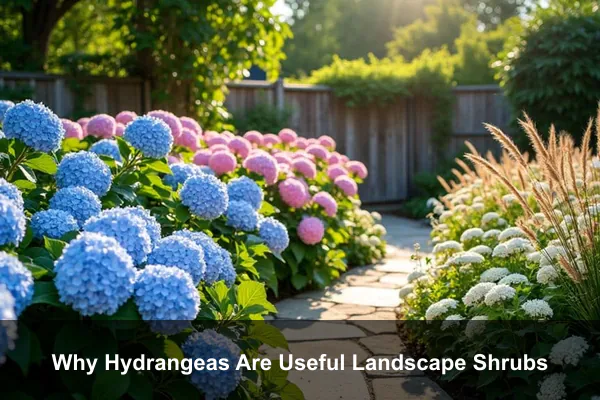
Hydrangeas are flowering shrubs known for large bloom clusters, broad leaves, and a soft, full shape. Their biggest benefit is that they combine ornamental value with practical landscape function. A healthy hydrangea can fill empty corners, reduce the visual harshness of walls or fences, and create a more layered garden without needing constant replanting.
Unlike short-lived annual flowers, many hydrangeas return year after year. This makes them valuable for gardeners who want long-term beauty with a stable planting plan. Their large leaves also help create a lush, cooling visual effect around outdoor seating areas, porches, and walkways.
A Shrub That Adds Soft Structure
Hydrangeas work well where a garden needs shape but not rigid formality. Their rounded growth habit can balance straight paths, square patios, and plain building foundations. When planted in groups, they create a generous, layered look that feels established and intentional.
Seasonal Interest Without Excess Complexity
Most hydrangeas have a clear seasonal rhythm: fresh spring foliage, summer or early autumn blooms, and attractive dried flower heads in cooler months. This rhythm gives the garden movement without requiring complicated maintenance.
Main Benefits of Hydrangea Plants
The most important hydrangea plant benefits come from their role as ornamental, structural, and comfort-enhancing plants. They are not edible plants, and they should not be used as herbal remedies, but they offer strong value in outdoor design and daily garden enjoyment.
- High visual impact: Large bloom clusters make small gardens feel more abundant.
- Privacy support: Medium and large varieties can screen low windows, seating areas, or property edges.
- Low airborne pollen potential: Hydrangeas are insect-pollinated and are generally less likely to release clouds of windborne pollen than many grasses or trees.
- Beginner-friendly presence: Once matched to the right light and moisture conditions, many hydrangeas are straightforward to maintain.
- Long-term landscape value: A mature shrub can improve curb appeal and reduce the need for frequent seasonal replacements.
Low-Pollen Outdoor Beauty
No flowering plant is guaranteed to be allergy-free, but hydrangeas are often a thoughtful choice for people who want showy flowers without relying on highly fragrant or wind-pollinated plants. Their blooms are usually appreciated visually rather than for strong scent, making them useful near patios, reading corners, or quiet seating spaces.
Privacy and Gentle Screening
Hydrangeas are not dense security hedges, but they can create friendly visual separation. Panicle hydrangeas and some smooth hydrangeas are especially useful where you want height, softness, and flowers in the same planting.
Essential Hydrangea Information for Home Gardeners
Hydrangea is a broad group, and choosing the right type matters more than chasing one perfect care rule. Some hydrangeas bloom on old wood, some on new wood, and some tolerate more sun than others. Understanding these differences helps prevent weak flowering and unnecessary pruning mistakes.
Common Hydrangea Types
- Bigleaf hydrangea: Famous for mophead or lacecap blooms and often grown in partly shaded gardens.
- Panicle hydrangea: Sun-tolerant, cold-hardy, and useful for larger borders or privacy planting.
- Smooth hydrangea: Known for rounded white or pink blooms and reliable flowering on new growth.
- Oakleaf hydrangea: Valued for bold leaf shape, fall color, and natural woodland style.
- Mountain hydrangea: Similar to bigleaf types but often more compact and cold-resilient.
- Climbing hydrangea: A woody vine used on walls, arbors, or large supports where space allows.
Growth Habit and Placement
Hydrangeas can range from compact shrubs under three feet to large plants over eight feet tall. Always check the mature size before planting. A shrub placed too close to a walkway, air-conditioning unit, or doorway may become a maintenance problem even if it looks small at the nursery.
Choosing Hydrangeas for Privacy, Patios, and Foundation Beds
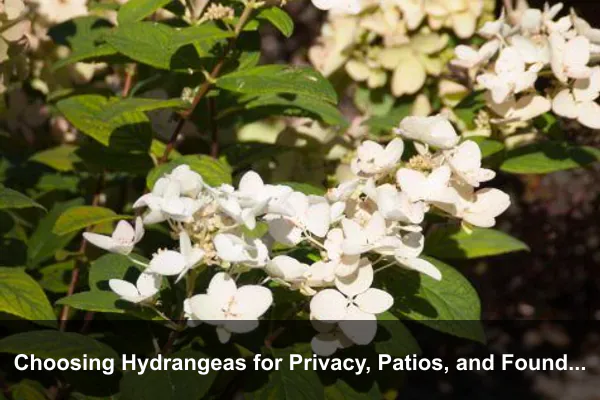
For a unique and practical use, think of hydrangeas as living architecture. Their job can be to frame a porch, soften a fence, create a transition between lawn and house, or make a seating area feel less exposed.
Best Uses by Garden Goal
- For privacy: Choose panicle hydrangeas or larger smooth hydrangeas with enough room to mature.
- For small patios: Look for compact bigleaf, mountain, or dwarf panicle varieties in large containers.
- For foundation beds: Use varieties with predictable mature height so windows and vents remain clear.
- For naturalistic gardens: Oakleaf hydrangeas blend well with ferns, shade perennials, and woodland-style planting.
- For cold regions: New-wood bloomers such as many panicle and smooth hydrangeas are often more dependable.
A good design rule is to plant hydrangeas where their mature form will look intentional without heavy pruning. This preserves natural bloom potential and reduces yearly workload.
Hydrangea Care Basics for Strong, Useful Plants
Healthy hydrangeas begin with the right site. Most prefer fertile, well-drained soil that stays evenly moist but not waterlogged. Morning sun with afternoon protection is ideal for many types, although panicle hydrangeas often handle more direct sun if they receive enough water.
Watering and Mulching
Hydrangeas have large leaves that lose moisture quickly during hot weather. Deep watering is better than frequent shallow sprinkling because it encourages stronger roots. A layer of organic mulch helps moderate soil temperature, reduce evaporation, and protect roots from stress.
Pruning Without Losing Flowers
Pruning depends on the hydrangea type. Bigleaf and oakleaf hydrangeas often bloom on older stems, so heavy pruning at the wrong time can remove flower buds. Panicle and smooth hydrangeas usually bloom on new growth, making them more forgiving. When unsure, remove only dead, damaged, or crossing stems until you identify the variety.
Feeding and Soil Health
Hydrangeas do not need aggressive feeding. Compost, leaf mold, or a balanced slow-release fertilizer can support growth, but too much nitrogen may produce leafy plants with fewer flowers. Good soil structure is more important than constant fertilizer.
Safety and Responsible Use Around the Home
Hydrangeas are ornamental plants, not edible or medicinal plants. Leaves, buds, and flowers contain compounds that can be harmful if eaten in quantity. For this reason, plant them thoughtfully if you have curious pets, young children, or livestock access.
- Do not use hydrangea leaves or flowers for tea, food, or home remedies.
- Wear gloves if your skin is sensitive when pruning or handling plant material.
- Place shrubs away from play areas if children or pets are likely to chew plants.
- Clean up pruned stems and fallen flower heads in high-traffic family spaces.
Responsible planting allows you to enjoy hydrangea benefits while avoiding unrealistic wellness claims. Their value is best understood as visual, emotional, ecological, and landscape-based rather than as a direct health treatment.
Common Mistakes to Avoid
Many hydrangea problems come from poor placement or misunderstanding the variety. Avoid planting a sun-sensitive hydrangea in harsh afternoon heat, pruning old-wood bloomers in late winter, or placing large shrubs where they must be cut back constantly.
Planting Too Close Together
Hydrangeas look charming when young, but crowding limits airflow and increases maintenance. Give each plant enough space to reach its mature width. This helps leaves dry faster after rain and keeps the shrub looking natural.
Expecting Every Hydrangea to Change Color
Color change is mainly associated with some bigleaf hydrangeas and depends on soil chemistry and cultivar genetics. White hydrangeas generally do not turn blue from soil amendments. Treat color as a bonus, not the main reason to grow the plant.
Ignoring Heat Stress
Temporary afternoon wilting can happen in hot weather, but repeated stress weakens the plant. Mulch, consistent watering, and afternoon shade can make a major difference, especially in warm climates.
Conclusion
Hydrangea plant benefits and information go far beyond attractive blooms. When chosen carefully, hydrangeas can provide privacy, low-pollen beauty, soft garden structure, long-term curb appeal, and a calmer outdoor setting. Their broad leaves and generous flowers make them especially useful around patios, entrances, fences, and foundation beds.
The key is to match the hydrangea type to your space, climate, and maintenance style. Give the plant suitable light, steady moisture, room to mature, and careful pruning based on its flowering habit. With realistic expectations and safe handling, hydrangeas become more than decorative shrubs; they become dependable, practical plants that make the home landscape feel fuller, softer, and better planned.
