
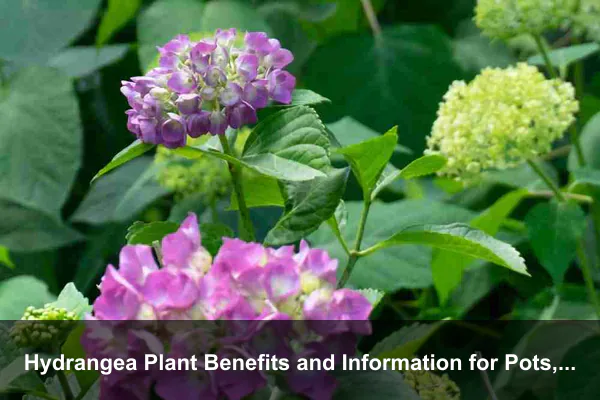
Hydrangeas are often imagined as generous garden shrubs planted beside porches, fences, and shaded borders, but they can also be excellent plants for compact homes. This guide takes a fresh look at Hydrangea plant benefits and information through the lens of small-space growing: patios, courtyards, balconies, entrances, and container gardens where every plant has to earn its place.
Instead of focusing only on color-changing blooms or large landscape beds, this article explains how hydrangeas can bring long-season beauty, structure, softness, and practical garden value to limited outdoor areas. You will learn which types suit pots, how to care for them realistically, what benefits they offer, and how to avoid common mistakes that make potted hydrangeas struggle.
Why Hydrangeas Deserve a Place in Small Gardens
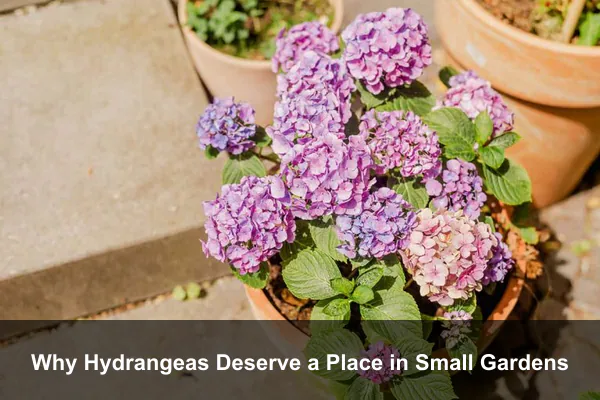
A hydrangea can feel luxurious without requiring a large property. Its rounded flower clusters, broad leaves, and shrub-like form help a small outdoor area look established quickly. For renters, townhouse owners, and urban gardeners, this is one of the most useful hydrangea plant benefits: the plant can create a garden atmosphere even when the only available space is a paved patio or a few large containers.
Big visual impact from one plant
Many small-space gardens rely on several tiny plants to create interest, but hydrangeas can act as a single anchor. A healthy container hydrangea beside a doorway, seating corner, or balcony wall creates height, fullness, and seasonal color in one position. This makes it useful for people who want beauty without managing many separate pots.
A softer outdoor living space
Hydrangea leaves and flower heads add softness to hard surfaces such as concrete, brick, tile, and metal railings. This visual softness is one reason hydrangeas are popular in home gardens: they make outdoor spaces feel calmer and more finished. In the context of manfaat tanaman, or plant benefits, this value is not only decorative. A pleasant green view can encourage people to spend more time outdoors, water plants consistently, and build small daily routines around nature.
Seasonal interest without constant redesign
Hydrangeas change slowly across the growing season. New leaves open in spring, flower buds form, blooms mature, and many flower heads age into muted tones before drying on the plant. This gradual shift gives a small garden a sense of movement without requiring constant replanting. For busy gardeners, that long display can be more practical than short-lived bedding plants.
Essential Hydrangea Plant Information Before You Buy
Good results begin with choosing the right hydrangea for the space. Hydrangea is a genus of flowering shrubs and climbers, and not every type behaves the same way. Some grow large, some tolerate more sun, some flower on old wood, and others bloom on new growth. For containers and compact gardens, mature size matters as much as flower color.
Common hydrangea types for home gardens
- Bigleaf hydrangea is famous for mophead or lacecap flowers and is often sold in florist-style pots. It prefers consistent moisture and protection from harsh afternoon sun.
- Mountain hydrangea is generally smaller and more delicate in appearance. It can be a good choice for compact spaces where a softer, less bulky shrub is preferred.
- Panicle hydrangea is usually more sun tolerant than bigleaf types and flowers on new wood. Compact cultivars are useful for large containers and sunny patios.
- Smooth hydrangea can produce rounded white, pink, or greenish blooms depending on the cultivar. Dwarf selections can work well where winter hardiness is important.
- Oakleaf hydrangea offers bold foliage and attractive fall color, but many varieties need more room than a balcony container can provide.
- Climbing hydrangea is beautiful on walls and structures, but it is usually not the best choice for ordinary pots because it becomes large and woody over time.
Choose mature size, not nursery size
A hydrangea in a nursery pot can look compact when purchased, but the label may describe a mature size of four, six, or even eight feet. In small-space gardening, this difference matters. Look for dwarf or compact selections, and plan for the plant after three to five years, not just the first month at home.
Flower color is not the only decision
Some hydrangeas are known for flower color shifts influenced by soil chemistry, especially certain bigleaf and mountain hydrangeas. However, container gardeners should not choose a plant based only on the hope of changing blue flowers to pink or pink flowers to blue. Pot size, water quality, light, pruning needs, and winter protection are more important for long-term success.
Benefits of Hydrangea Plants Beyond Beautiful Blooms
The main appeal of hydrangeas is obvious: they are beautiful flowering plants. Still, the wider benefits are worth understanding, especially if you are deciding whether one large plant deserves space on a patio or balcony. Hydrangeas provide design value, seasonal structure, habitat support in some cases, and a more inviting home environment.
Decorative value and curb appeal
A hydrangea near an entrance can make a home feel cared for. The plant has enough volume to frame a doorway, soften steps, or balance a seating area. In real-life garden design, that matters. A single healthy hydrangea can make a small front space feel intentional rather than empty.
Outdoor comfort and visual cooling
Plants cannot replace shade structures, but leafy shrubs can visually cool a space. Hydrangeas add green mass, which helps break up reflective hard surfaces. In a courtyard or patio, this can make the space feel more comfortable, especially when paired with other plants, mulch, and light-colored containers.
Low-pollen appeal for many households
Hydrangeas are often appreciated because their showy parts are mainly decorative sepals rather than clouds of loose pollen. This does not mean they are allergy-proof, but they are generally less messy than many pollen-heavy flowering plants. For families who want ornamental flowers close to seating areas, this can be a practical advantage.
Support for garden observation and learning
Hydrangeas are excellent plants for observing plant behavior. Leaves wilt when the plant is thirsty, flowers respond to weather, and pruning timing affects bloom performance. For beginners, these visible signals make hydrangeas useful teachers. They help gardeners understand moisture, light, root space, and seasonal growth in a very direct way.
Choosing the Right Pot, Soil, and Position
Container success depends on the root environment. Hydrangeas are not cactus-like plants that enjoy drying out for long periods. They prefer moisture that is consistent but not stagnant. A good pot, fresh potting mix, and sensible placement will prevent many of the problems people blame on the plant itself.
Use a large container with drainage
For most compact hydrangeas, choose a container at least 18 to 24 inches wide, with drainage holes. A larger pot holds moisture more evenly and protects roots from rapid temperature swings. Small decorative pots may look attractive at first, but they often dry out too quickly and restrict root growth.
Select potting mix, not heavy garden soil
Garden soil can become dense in containers. Use a high-quality potting mix that drains well while holding moisture. A mix designed for shrubs or outdoor containers is usually better than a very light indoor houseplant mix. Adding composted organic matter can improve moisture retention, but the container must still drain freely.
Place hydrangeas where light is bright but not punishing
Many hydrangeas prefer morning sun and afternoon shade, especially in hot climates. Panicle hydrangeas can usually handle more sun if watered well, while bigleaf hydrangeas often scorch or wilt in harsh afternoon exposure. On balconies, remember that walls and paving can reflect heat. A plant that receives only four hours of direct sun may still experience intense heat if it sits against a hot wall.
Quick setup checklist
- Choose a compact hydrangea suited to your climate and container size.
- Use a wide pot with drainage holes.
- Fill with fresh outdoor potting mix.
- Place the pot where it receives morning light and some protection from heat.
- Water deeply after planting, then monitor moisture for the first two weeks.
Watering and Feeding Hydrangeas in Pots
Watering is the most important part of potted hydrangea care. Containers dry faster than garden beds, and hydrangea leaves are quick to show stress. A wilted plant is not always dying, but repeated drought stress can reduce flowering, brown the leaf edges, and weaken the plant over time.
Build a moisture rhythm
Check the potting mix with your finger before watering. If the top inch feels dry, water deeply until excess water runs out of the drainage holes. Avoid giving tiny splashes every day, because shallow watering encourages weak roots near the surface. Deep watering helps the whole root ball stay evenly moist.
Adjust for weather and container material
Terracotta pots dry faster than glazed ceramic, plastic, resin, or fiberglass containers. Windy balconies also dry plants quickly. During hot weather, a potted hydrangea may need water every day, while in cool weather it may need much less. The goal is not a rigid schedule but a steady rhythm based on observation.
Feed lightly and avoid overdoing it
Hydrangeas in containers benefit from nutrients because watering gradually leaches minerals from the potting mix. Use a balanced slow-release fertilizer in spring, or apply a diluted flowering shrub fertilizer according to the label. Too much nitrogen can encourage leafy growth at the expense of blooms, so more feeding is not always better.
Pruning, Deadheading, and Bloom Reliability
Pruning is where many hydrangea problems begin. The correct method depends on whether the plant blooms on old wood, new wood, or both. If you cut at the wrong time, you may remove flower buds before they open. This is why hydrangea plant information should always include bloom habit, not just watering advice.
Old wood versus new wood
Bigleaf and many mountain hydrangeas often bloom on old wood, meaning their flower buds can form on stems from the previous season. Heavy late-winter pruning may remove those buds. Panicle and smooth hydrangeas usually bloom on new wood, so they can be pruned in late winter or early spring with less risk to flowering.
Deadheading is different from pruning
Deadheading means removing spent flower heads, usually for tidiness. It is lighter than pruning. On many hydrangeas, you can snip faded blooms just above a healthy pair of leaves. If you are uncertain about the type, avoid cutting deep into the stems until you know when that plant sets flower buds.
Simple maintenance for container hydrangeas
- Remove dead, broken, or diseased stems whenever you notice them.
- Keep major pruning conservative until the hydrangea type is identified.
- Refresh the top layer of potting mix each spring.
- Repot every few years when roots fill the container.
- Protect the pot from severe winter freezing if your climate requires it.
Safety, Common Problems, and Honest Limits
Hydrangeas are valuable ornamental plants, but they are not edible garden herbs. Leaves, flowers, and stems should not be consumed by people or pets. If children, cats, or dogs share the space, place containers where curious nibbling is less likely. If ingestion happens, contact a medical professional, poison control center, or veterinarian for guidance.
Common container problems
Most hydrangea problems in pots come from moisture stress, heat stress, poor drainage, or incorrect pruning. Brown leaf edges may point to drought, hot sun, fertilizer burn, or root stress. Yellowing leaves can come from overwatering, exhausted potting mix, or nutrient imbalance. Few problems have only one cause, so observe the whole growing situation before applying a quick fix.
Pests and disease to watch for
Hydrangeas can sometimes attract aphids, spider mites, scale insects, or leaf spots. Good airflow, clean tools, and avoiding wet foliage late in the day can reduce disease pressure. In small spaces, inspect the undersides of leaves regularly because early pest problems are easier to manage than heavy infestations.
What hydrangeas cannot do
Hydrangeas can beautify a space, support a calmer outdoor routine, and improve the look of a home garden. They should not be promoted as miracle air purifiers, medical plants, or guaranteed allergy-safe flowers. A trustworthy approach to hydrangea plant benefits and information recognizes both strengths and limits.
Design Ideas for Patios, Balconies, and Entrances
Hydrangeas are especially effective when used as a focal point rather than scattered randomly. In small spaces, one strong plant usually looks better than several struggling ones. Give the container room, keep the surrounding design simple, and choose companion plants that do not compete heavily for water.
Use one hydrangea as an anchor
Place a large potted hydrangea beside a bench, entry step, balcony corner, or outdoor dining area. This creates a visual anchor and helps the space feel organized. If the plant is in a decorative container, choose a pot color that complements the house exterior rather than fighting with the blooms.
Pair with practical companions
Good companions include shade-tolerant foliage plants, compact ornamental grasses, ferns in separate pots, or low annuals that enjoy similar moisture. Avoid planting aggressive companions in the same container unless the pot is very large. Hydrangea roots need their own space.
Create a movable seasonal display
One benefit of container hydrangeas is flexibility. You can move the plant into a more visible position while blooming, then shift it to a protected spot during heat waves or winter. Use a plant caddy for heavy pots, especially on patios where the container may need occasional repositioning.
Buying Tips for a Healthier Hydrangea
A healthy start reduces future problems. When buying a hydrangea, look beyond the biggest flower head in the store. Inspect the leaves, stems, roots, and label. The best plant is not always the one in full bloom; it is the one most likely to adapt after you bring it home.
What to check before purchasing
- Choose plants with firm stems and evenly colored leaves.
- Avoid plants with many crispy leaf edges, collapsed stems, or sour-smelling soil.
- Read the mature height and width on the label.
- Confirm whether the variety is suitable for containers.
- Check whether it blooms on old wood, new wood, or reblooms.
Be careful with gift hydrangeas
Florist hydrangeas sold for short-term indoor display may not always perform like landscape hydrangeas outdoors. Some can transition to patio life if hardened off gradually and suited to the climate, but others are best enjoyed as temporary flowering gifts. If long-term growing is the goal, buy from a nursery section that labels outdoor hardiness and mature size clearly.
Conclusion
Hydrangeas offer more than showy flowers. For small gardens, patios, balconies, and entrances, they can provide structure, seasonal beauty, visual softness, and a rewarding connection to daily plant care. The most important hydrangea plant benefits and information for compact spaces are practical: choose a suitable variety, give it a large draining pot, protect it from punishing heat, water consistently, and prune according to its bloom habit.
When treated as a living shrub rather than a disposable decoration, a hydrangea can become the centerpiece of a small outdoor space for years. Its benefits are strongest when expectations are realistic: it is an ornamental flowering plant, not a cure-all, but in the right container and location it can make even a modest patio feel like a real garden.
