
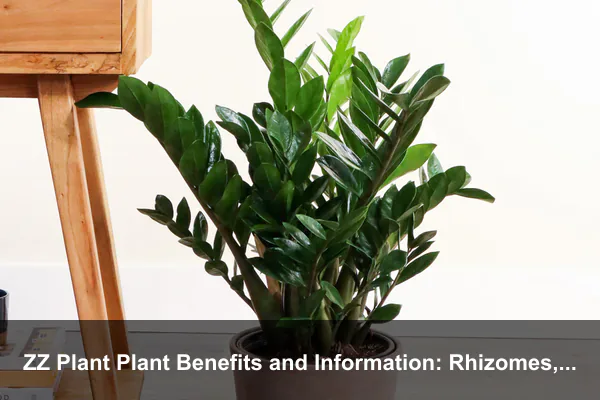
The ZZ Plant is often described as a nearly effortless houseplant, but its real value is more interesting than a simple label like easy care. Also known by its botanical name Zamioculcas zamiifolia, this glossy-leaved tropical plant has a hidden survival system underground: thick rhizomes that store water and energy. That structure explains why the plant can handle dry indoor air, forgotten watering, and changing home routines better than many decorative plants.
This guide looks at ZZ Plant plant benefits and information from a practical angle: how the plant works, why it fits modern homes and offices, which varieties are worth knowing, and how to keep it attractive without turning plant care into a complicated hobby. For readers interested in manfaat tanaman, or the everyday benefits of plants, the ZZ Plant is especially useful because it combines visual calm, low maintenance, and long-term indoor durability.
Why the ZZ Plant Is Different from Many Houseplants
The ZZ Plant has become popular because it looks polished even when care is minimal. Its upright stems, waxy leaflets, and slow growth create a tidy architectural shape. Unlike trailing plants that need regular trimming or fussy tropical plants that decline quickly in dry rooms, the ZZ Plant holds its form for long periods.
The main reason is its rhizome-based growth. Below the soil, the plant develops potato-like storage organs. These rhizomes help the plant survive dry spells by holding moisture and nutrients. This makes the ZZ Plant a good choice for people who travel, work long hours, or want greenery without a strict watering calendar.
Botanical identity
The ZZ Plant belongs to the Araceae family, the same broad family as peace lilies, pothos, and philodendrons. It is native to parts of eastern Africa, where it evolved to tolerate seasonal dryness. Indoors, that background matters because the plant prefers restraint: moderate light, a loose potting mix, and careful watering.
Why its glossy leaves matter
The leaves are naturally shiny, not because they need commercial leaf polish. Their waxy texture helps reduce moisture loss and gives the plant a clean, sculptural appearance. A simple wipe with a damp cloth is usually enough to restore its shine and improve photosynthesis by removing dust.
Key ZZ Plant Benefits for Indoor Spaces
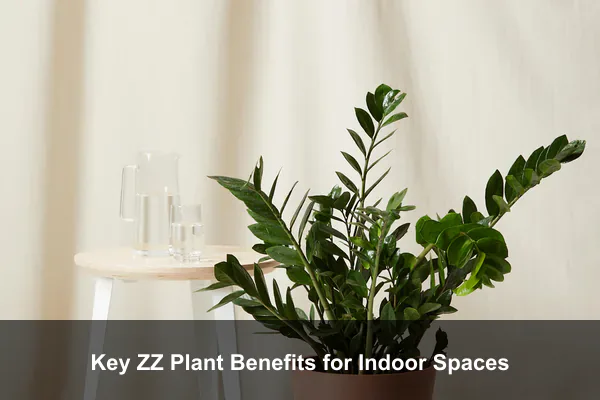
ZZ Plant benefits are strongest when viewed as everyday lifestyle benefits rather than miracle claims. It will not replace ventilation, cleaning, or healthy habits, but it can improve how a room feels and functions.
- Low maintenance greenery: It stays attractive with infrequent watering and modest light.
- Visual order: Its upright shape gives desks, corners, shelves, and entryways a neat look.
- Stress-softening effect: Indoor plants can make rooms feel calmer and more lived in.
- Beginner confidence: Because it forgives missed care, it helps new plant owners build good habits.
- Long-term value: A healthy ZZ Plant can remain useful decor for many years.
One of the most practical benefits is consistency. Some houseplants look beautiful for a short period but decline if humidity, light, or watering is not ideal. The ZZ Plant is slower and steadier. That makes it suitable for rental rooms, offices, waiting areas, bedrooms, and small apartments where conditions are not always perfect.
Good for busy routines
If your schedule changes often, the ZZ Plant is forgiving. It does not demand daily misting, frequent feeding, or constant pruning. In fact, too much attention can be more harmful than neglect. Overwatering is the most common reason ZZ Plants fail indoors.
Useful for simple interior styling
Because the plant has a strong silhouette, it works well in minimalist, modern, tropical, and Japandi-inspired interiors. A dark ceramic pot can make the foliage appear richer, while a light concrete or clay pot gives a softer natural look.
Varieties of ZZ Plant Worth Knowing
Standard green ZZ Plants are the most common, but several cultivars can give different design effects. Choosing the right variety helps you match the plant to the space instead of treating all ZZ Plants as identical.
Classic green ZZ Plant
The classic ZZ Plant has bright to deep green leaflets and upright stems. It is usually the easiest to find and often the best choice for beginners. It fits almost anywhere because the color is neutral and fresh.
Raven ZZ
Raven ZZ is valued for its dark foliage. New growth often appears light green and matures into deep purple-black tones. This variety is excellent for modern rooms, offices, and neutral interiors where dramatic foliage can act as a focal point.
Zenzi ZZ
Zenzi is a compact form with shorter, denser growth. It is suitable for desks, shelves, and small spaces. Because it grows more tightly, it can look full even in a small pot.
Variegated ZZ Plant
Variegated ZZ Plants have cream, yellow, or pale markings on the leaves. They are less common and may need brighter indirect light to maintain color. They also grow more slowly, so they are usually better for collectors than for complete beginners.
How to Care for a ZZ Plant Without Overcomplicating It
ZZ Plant care is simple, but simple does not mean random. The best approach is to understand what the plant is trying to avoid: constantly wet soil, harsh direct sun, and heavy compacted potting media.
Light requirements
The ZZ Plant tolerates low light, but it grows best in bright, indirect light. Place it near a window with filtered sun, several feet from a bright window, or in a room with steady ambient light. Low light is acceptable for survival, but growth will be slower and stems may become stretched.
Avoid intense direct afternoon sun, especially through hot glass, because it can scorch the leaves. Morning sun or gentle filtered light is usually safe.
Watering routine
Water only when the potting mix has dried out significantly. For many indoor homes, this may mean every two to four weeks, but the exact schedule depends on light, temperature, pot size, and soil type. Always check the soil instead of watering by habit.
- Insert a finger or moisture meter into the soil.
- If the mix still feels damp, wait several more days.
- If it feels dry deep down, water thoroughly until excess drains out.
- Empty the saucer so the pot never sits in standing water.
Soil and potting
A loose, fast-draining potting mix is best. A standard indoor potting mix can work if amended with perlite, pumice, orchid bark, or coarse material. The goal is to let oxygen reach the roots and prevent the rhizomes from staying wet for too long.
Use a pot with drainage holes. Decorative cachepots are fine, but the nursery pot inside should be able to drain freely after watering.
Rhizomes: The Secret Behind ZZ Plant Resilience
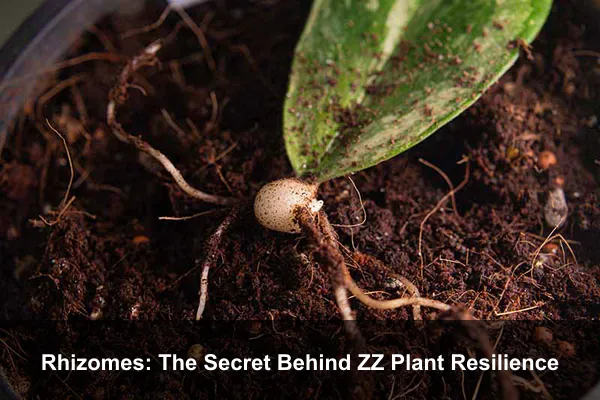
Rhizomes are the most important piece of ZZ Plant information for understanding care. These swollen underground structures store water, which is why the plant can survive drought-like indoor conditions. They also explain why overwatering is dangerous. When rhizomes sit in wet, airless soil, they can rot.
Healthy rhizomes are firm and pale tan to light brown. Soft, mushy, dark, or foul-smelling rhizomes are warning signs of rot. If rot appears, remove the plant from its pot, trim damaged sections with clean tools, and repot into fresh, dry, airy mix.
Why yellow leaves often mean water stress
Yellow leaves can happen for several reasons, but on ZZ Plants they often point to watering problems. Overwatering is more common than underwatering. If stems turn soft and leaves yellow at the same time, inspect the roots and rhizomes. If the plant is simply too dry, leaves may curl, wrinkle, or drop after a long drought.
Why slow growth is normal
A ZZ Plant may produce only a few new stems during a growing season. This is normal. It invests energy slowly and stores reserves underground. Fertilizer can support growth, but it will not turn a ZZ Plant into a fast-growing vine.
Placement Ideas for Homes, Offices, and Small Rooms
The ZZ Plant is versatile because it does not sprawl aggressively. Its vertical growth makes it easy to use in tight areas where wider plants would feel messy.
- Home office: Place a medium ZZ Plant near a desk to soften screens and equipment.
- Entryway: Use it as a tidy green accent where lighting is moderate.
- Bedroom: Keep it on a plant stand or dresser if pets and children cannot reach it.
- Apartment corner: A taller plant can add height without taking much floor space.
- Reception area: Its formal shape suits offices and commercial interiors.
Rotate the pot every few weeks if light comes from one side. This helps the stems grow more evenly and keeps the plant from leaning.
Pairing ZZ Plant with other indoor plants
For a balanced indoor display, pair ZZ Plant with plants that have different textures. Ferns add softness, snake plants add strong vertical lines, and pothos adds trailing movement. Keep their care needs separate, especially watering. A fern may need more moisture, while the ZZ Plant prefers drying out.
Safety, Myths, and Responsible Use
The ZZ Plant contains calcium oxalate crystals, which can irritate the mouth, skin, or stomach if chewed or swallowed. It should be kept away from curious pets and young children. Handling the plant for normal care is usually fine, but people with sensitive skin may prefer gloves when pruning, dividing, or repotting.
A common myth says the ZZ Plant is dangerously poisonous to touch. That is misleading. The plant is not suitable for eating, but it is safe to keep indoors with responsible placement. Wash hands after handling cut stems or rhizomes, and avoid letting sap contact eyes or lips.
Air-purifying claims
ZZ Plants are often promoted as air-purifying plants. Like many plants, they participate in natural gas exchange and can contribute to a fresher feeling room. However, one potted plant cannot clean indoor air at a meaningful scale by itself. Better air quality still depends on ventilation, source control, cleaning, and humidity balance.
Propagation and Long-Term Maintenance
ZZ Plant propagation is possible but slow. The easiest method is division during repotting. Leaf cuttings can also work, but they require patience because rhizomes must form before strong new growth appears.
Propagation by division
Division is best for mature plants with several stems and visible rhizome clusters. Remove the plant from its pot, gently separate sections with roots attached, and pot each section into a small container with fresh mix. Avoid oversized pots because excess soil can stay damp too long.
Leaf cutting propagation
Leaflets can be rooted in soil or water, but the process may take months. This method is interesting for patient growers, yet it is not the fastest way to create a full plant. Keep expectations realistic.
Fertilizing and cleaning
Feed lightly during the active growing season with a balanced houseplant fertilizer at half strength. Once a month in spring and summer is usually enough. Skip fertilizer in winter if growth slows. Dust leaves regularly so they can receive light efficiently.
Common ZZ Plant Problems and Quick Fixes
Most ZZ Plant problems come from mismatched care. The good news is that the plant often recovers if the issue is corrected early.
- Yellow leaves: Check for overwatering, poor drainage, or root stress.
- Soft stems: Inspect rhizomes for rot and reduce watering.
- Wrinkled leaves: The plant may be severely dry or root-damaged.
- Leaning stems: Rotate the pot and improve light exposure.
- Dusty leaves: Wipe gently with a damp cloth instead of using leaf shine products.
Repot only when necessary. ZZ Plants tolerate being slightly root-bound, and frequent repotting can disturb their slow-growing root system. A move to a pot one size larger every few years is usually enough.
Conclusion
The ZZ Plant stands out because it offers real indoor value without demanding constant attention. Its glossy foliage, compact upright shape, rhizome-based resilience, and broad design compatibility make it one of the most practical houseplants for beginners, busy households, offices, and small spaces.
When exploring ZZ Plant plant benefits and information, the key is to separate realistic benefits from exaggerated claims. This plant can make a room feel calmer, cleaner, and more finished, but its greatest strength is dependable beauty with minimal care. Give it indirect light, a draining pot, dry-down time between watering, and a safe location away from pets or children, and the ZZ Plant can remain a strong part of your indoor plant collection for years.
