
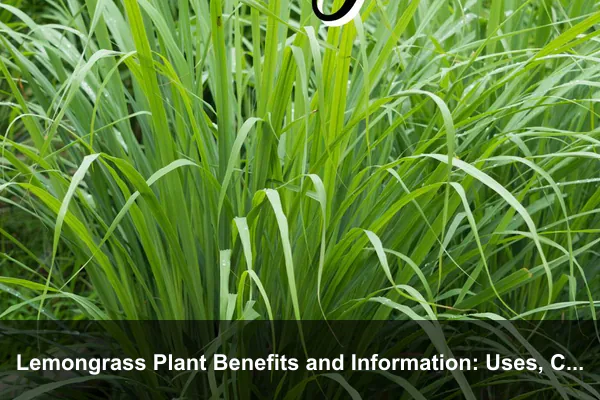
Lemongrass is one of the most practical herbal plants you can grow at home because it is useful long before it looks decorative. Its tall, arching leaves add movement to a garden bed or patio pot, while the swollen lower stalks bring a bright lemon fragrance to soups, teas, marinades, and everyday cooking. For gardeners who want a plant that connects beauty, aroma, and kitchen value, lemongrass offers a very different experience from leafy herbs.
This guide to lemongrass plant benefits and information focuses on what makes this tropical grass unique: how it grows, what parts are useful, how to harvest it, how to use it safely, and how to keep it productive in home gardens or containers. The plant is often linked with wellness and natural living, but the most reliable benefits come from treating it as a flavorful culinary herb, an aromatic garden plant, and a low-maintenance tropical crop when grown in the right conditions.
What Is Lemongrass?
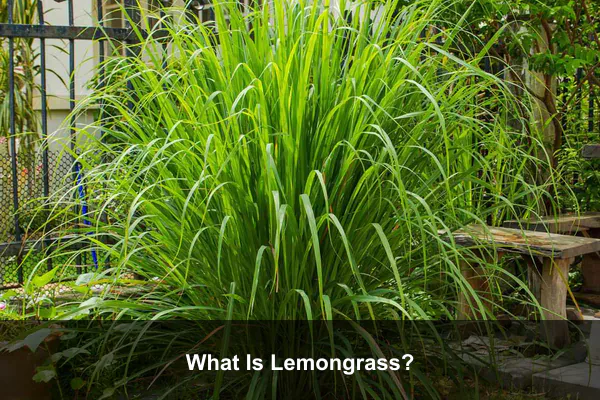
Lemongrass is a fast-growing perennial grass from the genus Cymbopogon. The species most often grown for cooking is Cymbopogon citratus, commonly called West Indian lemongrass. It forms dense clumps of narrow green leaves with thick, pale bases. These lower stalks are the part most cooks use because they hold the strongest citrus fragrance and the best flavor.
Botanical Profile
Unlike small potted herbs, lemongrass grows like an ornamental grass. Mature plants can reach 3 to 5 feet tall in warm climates, with leaves that bend outward in fountain-like form. The leaves are sharp-edged, so handling the plant with gloves is helpful during harvesting or pruning. The base of each stalk is firm, fibrous, and layered, similar in structure to a small leek.
- Botanical group: Perennial tropical grass
- Common culinary species: Cymbopogon citratus
- Useful parts: Lower stalks, leaves, and aromatic oils
- Main flavor: Lemon-like, grassy, fresh, and slightly ginger-like
- Best growing style: Outdoor garden clumps or large containers
Lemongrass vs. Citronella Grass
Lemongrass is sometimes confused with citronella grass because both belong to the same broader plant group and have a lemony scent. They are not the same plant. Culinary lemongrass is grown mainly for edible stalks, while citronella grass is usually associated with fragrance and essential oil production. If your goal is cooking, tea, or kitchen use, choose a plant or stalk specifically labeled as edible lemongrass.
Why It Fits the Manfaat Tanaman Niche
In a plant-benefit context, lemongrass is valuable because it is not only decorative. It supports daily household use through food, aroma, garden function, and simple home herbal preparations. This makes it especially relevant for readers interested in manfaat tanaman, or the practical benefits of plants in everyday life.
Lemongrass Plant Benefits for the Kitchen, Garden, and Home
The benefits of lemongrass are broad, but they are best understood in practical categories. It is a culinary plant, an aromatic plant, a garden structure plant, and a traditional herbal ingredient. When grown responsibly and used in normal food amounts, it can become one of the most useful herbs in a home garden.
1. A Fresh Culinary Herb With Strong Flavor
The most dependable lemongrass benefit is its flavor. The lower stalks add a clean citrus note without the acidity of lemon juice. This makes lemongrass especially useful in soups, broths, steamed dishes, curries, stir-fries, grilled foods, and herbal drinks. It is common in Southeast Asian cooking, where the stalk is often bruised, sliced, simmered, or finely minced.
Lemongrass pairs well with ginger, garlic, coconut milk, chili, basil, mint, coriander, lime, chicken, fish, tofu, rice, and vegetables. Because the stalk is fibrous, it is usually removed after simmering unless it has been very finely chopped or ground into a paste.
2. A Useful Herbal Tea Ingredient
Lemongrass leaves and stalks can be used to make a fragrant herbal infusion. The result is light, lemony, and naturally caffeine-free. Many people enjoy lemongrass tea after meals because it feels clean and refreshing. However, it is important to describe this use carefully: lemongrass tea can be part of a relaxing routine, but it should not be presented as a cure for illness.
3. An Aromatic Plant for Outdoor Spaces
Fresh lemongrass releases a bright citrus scent when leaves are brushed, cut, or crushed. This aroma can make patios, outdoor kitchens, and herb gardens feel fresher. The plant is sometimes associated with mosquito-repelling traditions, but growing a clump in the garden is not the same as applying a tested repellent product. The scent may be pleasant around seating areas, but it should not replace proven insect protection when mosquito-borne illness is a concern.
4. A Beautiful Alternative to Ornamental Grasses
Lemongrass has the visual softness of an ornamental grass but offers kitchen value as well. It can be planted along sunny borders, near vegetable beds, in large patio containers, or as a seasonal accent in warm-weather gardens. Its upright clumps add height without needing flowers to look attractive.
5. A Productive Plant for Small Harvests
Once established, a healthy lemongrass clump can provide repeated harvests. Instead of pulling up the whole plant, you can cut or twist out mature stalks from the outside of the clump. This makes lemongrass a good choice for gardeners who want a renewable herb supply without replanting every few weeks.
Nutrition and Natural Compounds in Lemongrass
Lemongrass is usually used in modest amounts, so it should not be treated like a major source of calories or macronutrients. Its value comes from flavor, aroma, and naturally occurring plant compounds. The plant contains essential oils, including citral, which contributes to its lemon scent and much of its culinary identity.
Citral and Aromatic Oils
Citral is one of the main aromatic compounds found in lemongrass. It gives the plant its recognizable lemon fragrance and is also important in essential oil production. In whole-food use, this aroma makes dishes taste brighter and can reduce the need for heavier flavorings. In concentrated essential oil form, however, lemongrass becomes much stronger and requires more caution.
Minerals and Plant-Based Value
Lemongrass may contain small amounts of minerals such as potassium, calcium, magnesium, and iron, depending on growing conditions and preparation. Because most recipes use lemongrass as a flavoring rather than a large vegetable portion, its nutritional role is supportive rather than primary. It is better to view lemongrass as a beneficial herbal ingredient that encourages fresh cooking.
Realistic Wellness Expectations
Traditional wellness systems have used lemongrass in teas, infusions, baths, and aromatic preparations. Modern readers should keep expectations balanced. Lemongrass can support a pleasant routine, add flavor without caffeine, and encourage hydration when used as tea. It should not be used to diagnose, treat, or replace professional care for medical conditions.
How to Grow Lemongrass at Home
Lemongrass is simple to grow when it receives heat, sun, water, and space. The plant is native to warm climates and performs best where temperatures stay mild to hot. In colder regions, it can still be grown as a summer annual or kept in a movable container that is protected during winter.
Light Requirements
Lemongrass needs full sun for strong growth. Aim for at least 6 hours of direct sunlight daily, with 8 hours preferred for thick stalk production. Plants grown in too much shade may survive but often become thin, floppy, and less flavorful. In very hot climates, light afternoon shade can help prevent stress, especially in containers.
Soil and Potting Mix
Use fertile, well-draining soil that stays lightly moist without becoming waterlogged. In garden beds, improve heavy clay with compost and organic matter. In pots, choose a high-quality potting mix and a container with drainage holes. Lemongrass has a vigorous root system, so small decorative pots usually restrict growth too quickly.
- For one starter plant, use a pot at least 12 inches wide.
- For a long-season clump, choose a 5-gallon container or larger.
- For garden beds, space plants about 24 to 36 inches apart.
- Add compost to support steady leaf and stalk growth.
Watering Needs
Lemongrass likes consistent moisture, especially while it is establishing. Water deeply when the top inch of soil begins to dry. In containers, this may mean watering several times a week during hot weather. Avoid letting the pot sit in standing water because soggy roots can lead to rot.
Feeding for Better Stalks
Because lemongrass produces a lot of leafy growth, it benefits from regular feeding during the growing season. Compost, worm castings, diluted fish emulsion, or a balanced organic fertilizer can all work well. Avoid excessive fertilizer late in the season if you plan to overwinter the plant indoors, since soft new growth may struggle in lower light.
Starting Lemongrass From Stalks
One appealing part of lemongrass plant information is that it can sometimes be started from fresh grocery stalks if the base is intact. Choose firm stalks with a pale bulbous bottom. Place the base in a glass with a small amount of water, keep it in bright indirect light, and refresh the water often. If roots form, transplant the stalk into soil once the roots are a few inches long.
- Choose fresh, firm stalks with intact bases.
- Trim the leafy top, leaving about 6 to 8 inches of stalk.
- Place the base in shallow water, not fully submerged.
- Move it to soil after roots appear.
- Keep the young plant warm and evenly moist.
Harvesting and Using Lemongrass
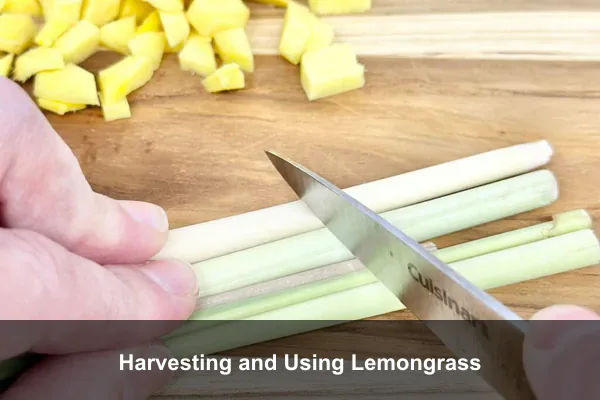
Harvesting lemongrass at the right time gives you better flavor and helps the plant keep growing. The lower stalks are ready when they are thick enough to use, usually around half an inch wide or larger at the base. Outer stalks mature first, so harvest from the outside and leave the center to continue producing.
How to Harvest Stalks
To harvest, hold a mature outer stalk near the base and twist gently while pulling downward, or cut it close to soil level with a clean knife. Remove dry outer layers, trim the tough leaves, and keep the pale lower section for cooking. The green leaves can be used for tea or infused into broths, though they are usually too tough to eat directly.
How to Prepare Lemongrass for Cooking
Lemongrass is fibrous, so preparation matters. For soups and stews, bruise the stalk with the back of a knife to release aroma, then simmer it whole and remove before serving. For pastes, marinades, or stir-fries, use only the tender lower portion and mince it very finely. A food processor or mortar and pestle helps break down the fibers.
Storage Options
Fresh lemongrass stores well compared with delicate herbs. Wrapped stalks can last in the refrigerator for one to two weeks. For longer storage, freeze trimmed stalks whole or sliced. You can also dry the leaves for tea, but dried lemongrass has a softer aroma than fresh stalks.
- Refrigerate: Wrap fresh stalks and store in the crisper drawer.
- Freeze: Trim, slice, and freeze in small recipe portions.
- Dry: Cut leaves into short pieces and dry fully before storing.
- Infuse: Use fresh leaves in tea, syrup, broth, or steaming liquid.
Easy Ways to Use Lemongrass
Lemongrass works in more than traditional recipes. Add bruised stalks to rice cooking water, simmer them in coconut milk, steep them with ginger, or use finely minced tender stalk in a marinade. It can also brighten homemade sauces, vegetable soups, iced herbal drinks, and simple syrups for desserts.
Safety, Side Effects, and Responsible Use
Most people can enjoy lemongrass in normal food amounts, but responsible use is important. The plant is natural, yet natural does not always mean risk-free. Food uses, tea uses, and essential oil uses should be treated as different levels of concentration.
Food and Tea Use
Using lemongrass as a culinary herb is generally considered mild for most healthy adults. Tea should be consumed in reasonable amounts, especially when someone is trying it for the first time. If any discomfort, allergic reaction, or unusual symptom appears, stop using it and seek appropriate advice.
Essential Oil Caution
Lemongrass essential oil is concentrated and should not be swallowed unless directed by a qualified professional. It can irritate skin if used undiluted. Always dilute essential oils properly, patch test before wider use, and keep them away from eyes, children, and pets.
Pregnancy, Medication, and Medical Conditions
People who are pregnant, breastfeeding, taking medication, managing chronic conditions, or preparing for surgery should ask a healthcare professional before using lemongrass in medicinal amounts or concentrated forms. Culinary use in food is different from strong extracts or frequent therapeutic use.
Pet and Child Safety
Keep sharp leaves, essential oils, and strong preparations away from young children and pets. The plant itself has cutting leaf edges, and concentrated oils can be unsafe if licked, spilled, or applied incorrectly. If you grow lemongrass where pets roam, place it where it will not be chewed heavily.
Common Lemongrass Growing Problems
Lemongrass is forgiving, but it still shows stress when conditions are wrong. Most problems come from cold temperatures, poor drainage, lack of sun, or cramped roots. Reading the plant early helps you correct the issue before the clump declines.
Yellow Leaves
Yellowing leaves can mean overwatering, underwatering, low nutrients, or cold stress. Check the soil first. If it is soggy, improve drainage and water less often. If it is dry and pulling away from the pot edge, water deeply. If the plant has been growing fast in warm weather, a light feeding may help.
Brown Leaf Tips
Brown tips often appear in dry air, inconsistent watering, or after wind damage. They can also occur naturally on older leaves. Trim damaged tips if they bother you, but focus on steady moisture and enough root space. In containers, browning may be a sign that the plant has outgrown its pot.
Thin or Weak Stalks
Weak stalks usually come from insufficient sunlight or overcrowding. Move potted lemongrass to a brighter location, divide old clumps, or feed lightly during the growing season. If you want thick cooking stalks, do not treat lemongrass as a low-light indoor plant.
Cold Damage
Lemongrass dislikes frost. Cold-damaged leaves may turn brown, limp, or dry. In mild climates, mulch the base and cut back dead growth after the danger of frost passes. In cold climates, grow lemongrass in a container and bring it indoors before temperatures drop too far.
Best Design Uses in the Garden
Lemongrass can be more than a hidden herb in a vegetable bed. Its shape makes it useful in edible landscaping, where productive plants are arranged with visual intention. The plant looks especially good near paths, outdoor cooking spaces, sunny patios, and mixed herb borders.
Container Gardening
Large pots are one of the easiest ways to grow lemongrass because they let you control soil, moisture, and winter protection. Use a sturdy container because mature clumps can become top-heavy. A simple clay, ceramic, or fabric pot can work as long as drainage is strong.
Companion Planting Ideas
Lemongrass can share a sunny garden area with chili peppers, eggplant, tomatoes, ginger, turmeric, basil, and other warmth-loving plants. Give it enough room so the clump does not shade smaller herbs. Its grassy form can create a soft backdrop for lower edible plants.
Border and Pathway Planting
Because lemongrass leaves can be sharp, avoid planting it where people must brush against it constantly. It works better slightly behind the edge of a path, in a corner of a patio bed, or as a background plant. This placement lets you enjoy the scent and form without leaf cuts.
Frequently Asked Questions About Lemongrass
Does lemongrass come back every year?
In warm climates, lemongrass can grow as a perennial and return year after year. In colder regions, it is often grown as an annual or overwintered indoors. The roots and crown must be protected from freezing if you want the plant to survive winter.
Can lemongrass grow indoors?
Lemongrass can grow indoors temporarily, especially for overwintering, but it needs very bright light. A sunny south-facing window or strong grow light is usually necessary. Indoor plants may grow more slowly and produce thinner stalks than outdoor plants.
Is lemongrass the same as lemon balm?
No. Lemongrass is a tropical grass with fibrous stalks, while lemon balm is a leafy herb from the mint family. Both have lemon-like fragrance, but they grow differently and are used differently in the kitchen.
Which part of lemongrass is edible?
The tender lower stalk is the main edible part for cooking. The tougher green leaves are commonly used for tea, infusions, and flavoring liquids, then strained or removed. Very fibrous pieces should not be eaten whole.
How often can you harvest lemongrass?
You can harvest mature outer stalks whenever the plant is actively growing and has enough remaining stalks to stay healthy. Avoid stripping a young plant completely. Let the center continue growing so the clump can renew itself.
Conclusion
Lemongrass stands out because it brings together several plant benefits in one clump. It is attractive enough for edible landscaping, aromatic enough for outdoor living areas, flavorful enough for serious cooking, and simple enough for beginners who can provide sun, warmth, and water. Its value is not based on one dramatic claim, but on steady usefulness.
For anyone researching lemongrass plant benefits and information, the key is to grow and use it with realistic expectations. Treat it as a culinary herb first, enjoy it as a fragrant garden grass, harvest it thoughtfully, and use concentrated products with care. With the right conditions, lemongrass can become a reliable garden-to-kitchen plant that earns its space season after season.
