
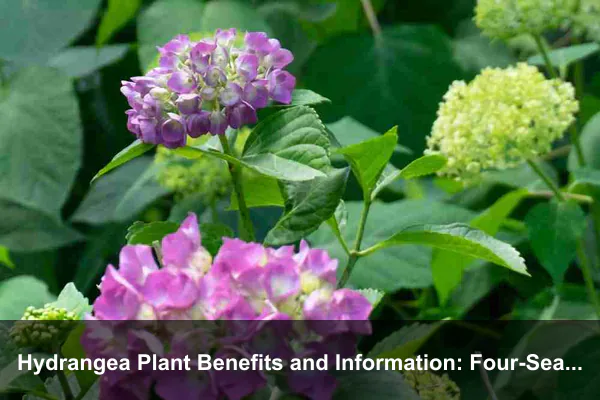
Hydrangeas are often described by their large flower heads, soft colors, and classic garden presence, but their value goes far beyond one attractive summer display. A well-grown hydrangea can become a long-term guide to the rhythm of a garden: when buds swell, when heat stress appears, when soil moisture changes, when pollinators visit, and when old stems should be left alone rather than cut back too soon.
This article takes a unique look at Hydrangea plant benefits and information through the lens of four-season observation, pruning awareness, and practical garden learning. Instead of treating hydrangea as only a decorative flower shrub, we will explore how it helps gardeners build better habits, understand plant timing, reduce waste, and make smarter decisions from year to year.
Why Hydrangea Is a Useful Plant for Garden Observation
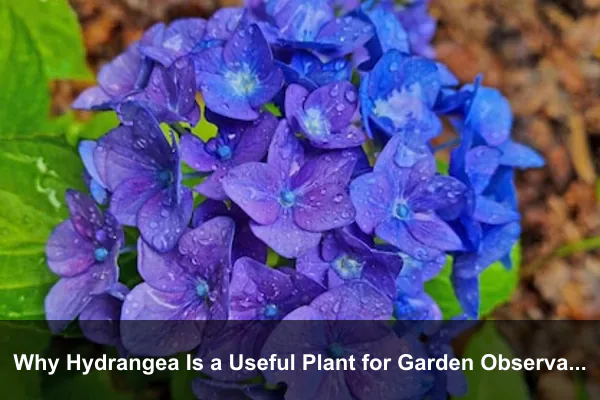
Hydrangea is one of the most helpful ornamental shrubs for people who want to understand their garden more clearly. Its leaves, buds, stems, and blooms change visibly through the seasons, making it easier to notice what the plant needs and what the surrounding environment is doing.
Unlike fast annual flowers that appear and disappear within one growing season, many hydrangeas are long-lived woody shrubs. This makes them useful for tracking garden patterns over several years. You can compare bloom timing, stem growth, leaf size, drought response, and pruning results from one season to the next.
A Living Calendar in the Landscape
One of the most practical hydrangea plant benefits is that the shrub acts like a living calendar. New leaf growth can signal that spring soil temperatures are rising. Tight flower buds show that summer bloom is approaching. Fading flower heads mark the shift toward late summer and autumn. Bare stems and dormant buds help gardeners understand winter structure.
For home gardeners, this kind of observation is valuable because it turns routine care into informed care. Instead of watering, pruning, or fertilizing only by date, you can respond to what the plant is actually showing.
Easy-to-Read Plant Signals
Hydrangeas also give visible feedback when something is wrong. Wilted leaves may indicate heat, dry soil, or intense afternoon sun. Pale foliage can point to nutrient imbalance or poor root conditions. Weak flowering may suggest incorrect pruning, insufficient light, winter bud damage, or an immature plant still building strength.
These signals do not replace proper plant care knowledge, but they help gardeners notice problems early. This is especially useful for beginners who are learning how shrubs communicate through growth habits.
Key Hydrangea Information: Types, Growth Habits, and Seasonal Behavior
Understanding hydrangea begins with knowing that the name covers several different species and garden types. Not every hydrangea grows the same way, blooms at the same time, or needs the same pruning method. This is why many hydrangea problems come from treating all varieties as if they were identical.
Common Hydrangea Types
The most widely grown hydrangeas include bigleaf hydrangea, smooth hydrangea, panicle hydrangea, oakleaf hydrangea, and mountain hydrangea. Each has its own growth habit and landscape role.
- Bigleaf hydrangea is known for mophead or lacecap flowers and often blooms on old wood, though some modern varieties rebloom on new growth.
- Smooth hydrangea usually produces rounded flower heads and often blooms on new wood, making it more forgiving after winter damage.
- Panicle hydrangea is typically sun-tolerant, sturdy, and useful as a larger shrub or small tree form.
- Oakleaf hydrangea offers textured leaves, cone-shaped blooms, autumn foliage color, and attractive peeling bark on mature stems.
- Mountain hydrangea is often more delicate in appearance and may handle cooler conditions better than some bigleaf types.
This basic information matters because care advice depends on the plant type. A pruning method that works for one hydrangea may remove the next season’s flowers from another.
Old Wood and New Wood Explained Simply
One of the most important hydrangea care concepts is whether a plant blooms on old wood, new wood, or both. Old wood means the flower buds formed on stems from the previous year. New wood means the plant forms flower buds on fresh growth produced during the current season.
This distinction is important because cutting old-wood hydrangeas at the wrong time can remove next season’s flower buds. New-wood types are generally easier to prune in late winter or early spring because they create blooms on the new growth that follows.
For gardeners who want reliable flowers, identifying the type of hydrangea is more useful than guessing. Keep the plant label if possible, take photos during bloom season, and note whether flower buds appear on older stems or fresh shoots.
Practical Benefits of Growing Hydrangeas
Hydrangeas are popular because they are beautiful, but their benefits are not only visual. In the right location, they support garden structure, seasonal interest, outdoor comfort, learning, and low-waste floral use.
Long-Term Ornamental Value
A healthy hydrangea can remain useful in the landscape for many years. Instead of replanting short-lived seasonal flowers every few months, gardeners can rely on hydrangeas as permanent framework shrubs. This makes them valuable for borders, foundation plantings, cottage gardens, mixed shrub beds, and transitional areas between lawn and taller plantings.
The flower heads are highly visible, but the foliage also contributes to the plant’s value. Large leaves create a full, soft texture that can make a garden feel calmer and more established. In autumn and winter, dried flower heads and woody stems can continue to provide structure even after the main bloom period has passed.
Better Garden Habits
Another underappreciated benefit is habit-building. Hydrangeas reward regular observation more than random intervention. Gardeners who watch them closely learn when to water deeply, when to avoid pruning, when to mulch, and when to protect young plants from stressful conditions.
This makes hydrangea a good plant for developing a more thoughtful gardening routine. You do not need to inspect it for hours. A quick weekly check of leaves, soil moisture, buds, and stems can teach a surprising amount.
Seasonal Flower Material Without Constant Buying
Hydrangea blooms can be enjoyed outdoors and, with responsible cutting, indoors as fresh or dried arrangements. This can reduce dependence on purchased decorative flowers, especially for gardeners who enjoy homegrown seasonal displays.
The best approach is moderate harvesting. Avoid removing too many blooms from a young or stressed plant. Cut stems in the cooler part of the day, use clean tools, and leave enough foliage so the shrub can continue photosynthesizing well.
Using Hydrangeas for a Four-Season Garden Journal
A garden journal does not need to be complicated. Hydrangea is an ideal plant for simple record-keeping because its changes are easy to see and photograph. Over time, these notes help you understand what care actually works in your specific garden.
What to Record Each Season
Good hydrangea notes can be brief. The goal is not to create a perfect botanical report, but to collect useful information that improves decisions later.
- Early spring: Record when leaf buds begin to swell and whether old stems look alive or damaged.
- Late spring: Note leaf color, new shoot strength, and the first signs of flower buds.
- Summer: Track bloom timing, heat stress, watering needs, and flower size.
- Autumn: Observe flower fading, dried head quality, leaf color, and stem maturity.
- Winter: Note snow, wind exposure, stem breakage, and whether dried blooms remain attractive.
These small records become especially helpful when a hydrangea fails to bloom. Instead of guessing, you can look back and see whether late frost, heavy pruning, drought, or shade changes may have affected the plant.
Photo Notes Are Often Enough
If writing detailed notes feels like too much work, take monthly photos from the same angle. A simple photo record can reveal changes that memory misses. You may notice that nearby trees are casting more shade than before, that one side of the plant is drying faster, or that bloom size improved after mulching.
Photo records are also useful when asking for help at a nursery or garden center. A clear picture of the whole shrub, close-ups of leaves, and images of stems can make advice more accurate.
Hydrangea Care Basics for Healthy Growth
Healthy hydrangeas depend on the right combination of light, moisture, soil, spacing, and pruning. The details vary by type, but several principles apply broadly.
Light Needs
Many hydrangeas prefer morning sun and some protection from harsh afternoon heat, especially in warmer climates. Panicle hydrangeas often tolerate more sun than bigleaf types, while oakleaf hydrangeas can perform well in woodland-edge conditions.
Too little light can reduce flowering, while too much intense heat can cause repeated wilting. The best location is one where the plant receives enough brightness to produce strong stems and flowers without being scorched during the hottest part of the day.
Watering and Mulching
Hydrangeas generally appreciate consistent moisture, especially while establishing roots. Their large leaves lose water quickly during hot weather, so temporary wilting can happen even when soil moisture is not completely absent. However, constantly soggy soil can damage roots.
A practical watering approach is to check the soil several inches deep before watering. Deep watering is usually better than frequent shallow sprinkling because it encourages deeper roots. A layer of organic mulch helps moderate soil temperature, reduce evaporation, and protect roots from sudden moisture swings.
Soil and Feeding
Hydrangeas grow best in soil that drains reasonably well but holds some moisture. Compost can improve soil structure, especially in sandy or heavy clay conditions. Fertilizer should be used carefully because overfeeding can encourage leafy growth at the expense of blooms.
If a hydrangea looks healthy but does not flower, fertilizer is not always the answer. Incorrect pruning, winter injury, immature stems, or inadequate light are often more likely causes.
Pruning Clues: How to Avoid Removing Future Flowers
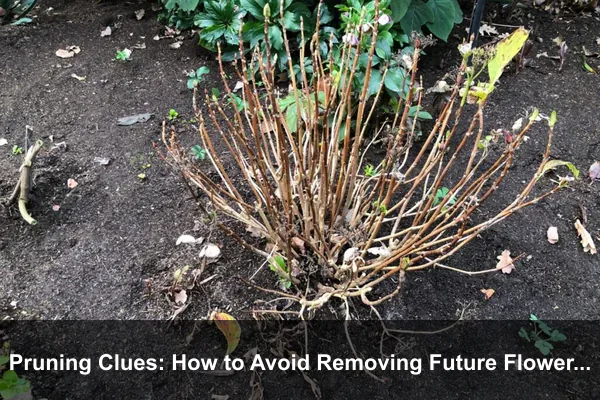
Pruning is one of the biggest sources of hydrangea confusion. The safest first step is observation. Before cutting, identify the type of hydrangea and look for visible buds, old stems, and fresh growth.
When to Be Careful
Be especially careful with hydrangeas that bloom on old wood. If you cut these shrubs heavily in late fall, winter, or early spring, you may remove flower buds that were already formed. For these plants, it is often better to prune lightly after flowering, removing only dead, weak, or badly placed stems.
New-wood hydrangeas are usually more flexible. They can often be pruned in late winter or early spring before active growth begins. Even so, severe pruning is not always necessary. Many hydrangeas look more natural and produce stronger structure when pruning is moderate.
Simple Pruning Checklist
- Identify the hydrangea type before making major cuts.
- Remove dead, broken, or diseased stems first.
- Avoid heavy pruning of old-wood types before bloom season.
- Use clean, sharp pruning tools to reduce stem damage.
- Step back often and check the shrub’s overall shape.
- Keep notes about pruning time and bloom results for the next year.
This careful approach protects the plant’s natural flowering cycle and prevents one of the most common disappointments: a healthy green shrub with very few flowers.
Safety, Pets, and Responsible Use
Hydrangeas are ornamental plants, not edible garden crops. Some parts of the plant contain compounds that can be harmful if eaten by people or animals. For this reason, hydrangea should be grown as a decorative shrub and handled with common-sense safety.
Do Not Use Hydrangea as a Home Remedy
Although hydrangea has appeared in traditional plant discussions, home medicinal use is not recommended without qualified professional guidance. Plant compounds can be misunderstood, dosage can be unsafe, and ornamental garden plants may be exposed to fertilizers, pesticides, or contaminants.
For a home garden, the safest benefits of hydrangea are visual, educational, seasonal, and landscape-related. Enjoy the plant for its flowers, structure, and observation value rather than treating it as an edible or medicinal herb.
Pet and Child Awareness
If children or pets spend time in the garden, place hydrangeas where they can be admired without being chewed or handled roughly. Teach children that flowers and leaves from ornamental shrubs are not snacks. Clean up pruned stems and fallen plant material when necessary, especially in areas used by curious pets.
Gloves are also a practical choice when pruning or cutting stems, particularly for people with sensitive skin.
Designing With Hydrangeas Without Repeating the Same Garden Look
Because hydrangeas are so recognizable, they can easily become predictable if planted without a clear purpose. A more thoughtful design approach is to use them as seasonal anchors within a mixed planting rather than as isolated flower balls in empty mulch.
Pairing for Texture and Timing
Hydrangeas combine well with plants that offer contrasting leaf shapes, fine textures, or earlier and later interest. Ferns, ornamental grasses, shade-tolerant perennials, spring bulbs, and evergreen shrubs can help keep the planting attractive before and after hydrangea bloom.
The goal is to create a garden that does not depend on one short peak moment. Hydrangea becomes part of a sequence: spring foliage, summer flowers, autumn tones, and winter stems or dried heads.
Using Hydrangea as a Teaching Plant
Hydrangea can also be used in family gardens, school gardens, and community spaces as a teaching plant. It demonstrates dormancy, bud formation, woody stems, seasonal flowering, pruning timing, and plant stress signals in ways that are easy to observe.
For this purpose, place the shrub where people can see it closely without stepping into the planting bed. A path edge, courtyard corner, or community garden border can work well if the growing conditions match the plant’s needs.
Common Hydrangea Problems and What They Usually Mean
Most hydrangea issues are easier to solve when you connect symptoms with likely causes. A calm, step-by-step diagnosis is better than immediately adding fertilizer or cutting the plant back.
Lots of Leaves but No Flowers
This problem often comes from pruning at the wrong time, winter bud damage, too much shade, or a young plant that has not matured enough. Check whether the hydrangea blooms on old wood or new wood. Also consider whether late frost damaged swelling buds in spring.
Wilting in Hot Weather
Hydrangeas can wilt during hot afternoons, especially when leaves are large and sun is intense. If the plant recovers in the evening, it may simply be reacting to heat. If it stays wilted, check soil moisture and root health. Mulch and morning watering can reduce stress.
Brown Leaf Edges
Brown edges can result from dry soil, hot wind, reflected heat, fertilizer burn, or irregular watering. Look at the location as well as the plant. Hydrangeas planted near pavement, walls, or exposed corners may experience more heat stress than those in protected beds.
Weak or Floppy Stems
Weak stems may be related to variety, heavy flower heads, too much nitrogen, deep shade, or overly hard pruning. Some hydrangeas naturally have softer stems, while others stand upright better. Supportive planting companions and moderate pruning can help create a fuller, more stable look.
Low-Waste Hydrangea Care Tips
Hydrangeas fit well into a low-waste gardening routine when cared for thoughtfully. The plant does not need constant replacement, and many garden tasks can rely on local organic materials and careful timing.
- Use fallen leaves or composted organic matter to improve soil instead of relying only on packaged products.
- Keep pruned healthy stems out of landfill when local composting is available.
- Dry selected flower heads for seasonal decor instead of buying short-lived decorations.
- Choose the right hydrangea type for your climate to reduce plant loss and replacement.
- Water deeply and mulch well to reduce unnecessary water use.
- Avoid overfertilizing, which can waste product and create weak growth.
This approach keeps hydrangea care practical and sustainable. The best plant benefit is not just the bloom, but the way a long-lived shrub can reduce repeated purchases and encourage better garden stewardship.
Conclusion
Hydrangea plant benefits and information become more meaningful when the shrub is seen as more than a decorative flower. Hydrangea can be a long-lived landscape plant, a seasonal teacher, a pruning guide, a source of homegrown floral material, and a useful marker of garden conditions through the year.
To get the most from hydrangeas, start with identification, observe before pruning, match the plant to the right light and moisture conditions, and keep simple seasonal notes. With this thoughtful approach, hydrangea becomes not only a beautiful flowering shrub but also a practical partner in building a healthier, more observant garden.
