
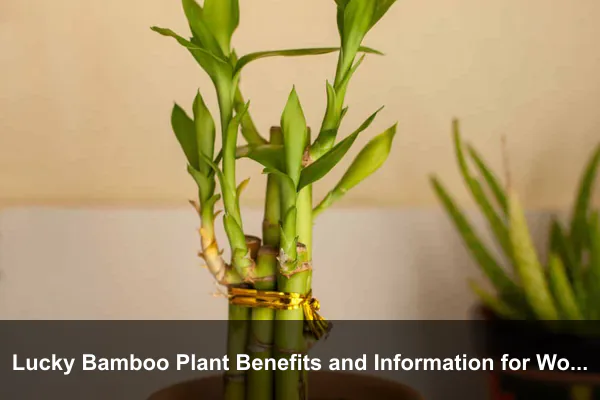
Lucky bamboo is one of the easiest indoor plants to recognize, yet it is also one of the most misunderstood. Many people buy it because the upright green stalks look clean, calm, and organized, but the plant offers more than a decorative shape on a desk. A practical look at Lucky Bamboo plant benefits and information shows why it remains popular in apartments, offices, reception areas, dorm rooms, and small homes where people want greenery without the demands of a large plant collection.
This article takes a different angle from the usual discussion of symbolism, water arrangements, or display styles. Instead, it focuses on how lucky bamboo works as compact indoor greenery for busy people, what benefits are realistic, how to choose a healthy plant before buying, and how to keep it useful in daily life. For readers interested in manfaat tanaman, or the everyday benefits of plants, lucky bamboo is best understood as a low-maintenance, space-saving plant that can improve the look and feel of a room when expectations are accurate.
What Makes Lucky Bamboo Different From True Bamboo
Despite its common name, lucky bamboo is not a true bamboo. It is usually Dracaena sanderiana, a tropical plant in the Dracaena group. True bamboo belongs to the grass family and can grow into tall, woody canes. Lucky bamboo grows more slowly, stays much smaller indoors, and has flexible green stems that are often trained into straight, spiral, braided, or tiered forms.
Why the Name Still Matters
The name lucky bamboo became popular because the plant resembles young bamboo stalks and is often associated with balance, growth, and positive energy. However, understanding its real plant identity helps owners care for it correctly. Lucky bamboo behaves more like a tropical houseplant than a grass. It prefers gentle light, stable indoor temperatures, and clean growing conditions.
A Compact Plant With a Strong Visual Shape
One reason lucky bamboo works well indoors is its vertical growth habit. It gives height without spreading across a large surface. A few stalks can soften a work desk, shelf, or kitchen counter without taking over the area. This makes it especially helpful for people who want plant benefits but do not have room for broad-leaf houseplants.
Practical Benefits for Offices and Small Homes
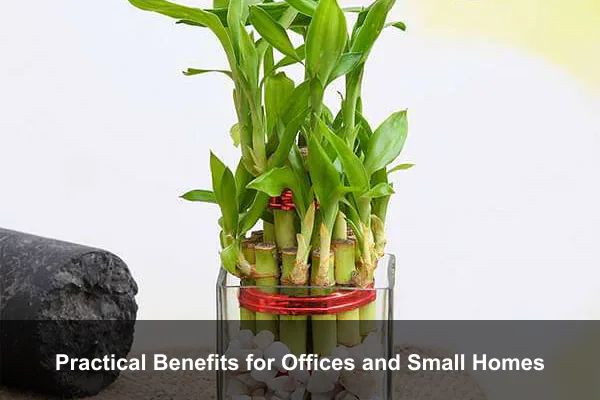
The most useful lucky bamboo benefits are practical rather than magical. It is compact, tidy, adaptable, and visually calming. These qualities make it a strong choice for modern rooms where space, time, and maintenance are limited.
It Adds Greenery Without Clutter
Large indoor plants can be beautiful, but they require floor space, bigger pots, and more frequent cleaning around soil and fallen leaves. Lucky bamboo offers a smaller alternative. A narrow container with several stalks can add a fresh green accent to a room while leaving most of the tabletop free for work, cooking, studying, or daily routines.
It Supports a Calmer Visual Environment
A simple green plant can make a room feel less hard and mechanical. Lucky bamboo is especially effective in offices because its shape is orderly. The stalks look structured, while the leaves add softness. This balance works well in workspaces, waiting rooms, and study corners where people need a calm but focused atmosphere.
It Is Friendly for Beginners
Lucky bamboo is often recommended for beginners because it gives clear signals when something is wrong. Yellowing leaves, soft stalks, pale growth, or brown tips usually point to light, water quality, temperature, or hygiene issues. That feedback makes it easier for new plant owners to learn basic plant care without managing a demanding species.
Realistic Wellness and Air Quality Expectations
Many indoor plants are promoted as air-purifying plants, but it is important to keep claims realistic. Lucky bamboo may contribute to a fresher indoor feeling by adding living greenery, but one small plant will not replace ventilation, cleaning, filtration, or good indoor air habits.
The stronger wellness benefit is sensory and psychological. A living plant can create a visual pause during a busy day. In a small office or apartment, this matters. Looking at green leaves, watering a plant, and noticing new growth can become a quiet routine that breaks up screen time and makes an indoor space feel more personal.
What Lucky Bamboo Can Reasonably Do
- Improve the mood of a room: Its clean shape and green color make a desk, shelf, or counter feel more alive.
- Encourage simple routines: Checking water level, leaves, and stalk firmness builds a small habit of care.
- Support low-stress plant ownership: It does not need complicated pruning, large tools, or constant repotting.
- Make small spaces feel finished: A single container can act as a natural accent in a room with limited decor.
How to Choose Healthy Lucky Bamboo Before You Buy

Buying a healthy plant is one of the easiest ways to avoid problems later. Lucky bamboo is often sold in supermarkets, garden centers, gift shops, and online stores, so quality can vary. Before choosing one, inspect the stalks, leaves, roots, and container.
Signs of a Strong Plant
- Firm green stalks: The stems should feel solid, not mushy, wrinkled, or hollow.
- Fresh leaves: Look for leaves that are green and upright, with minimal browning at the tips.
- Clean roots: Healthy roots are usually pale, orange, or light tan. Avoid plants with black, slimy, or foul-smelling roots.
- No sour smell: A bad smell from the container often means stagnant water or rotting material.
- Stable arrangement: Stalks should stand securely without being squeezed too tightly by stones, wire, or decorative ties.
What to Avoid
Avoid lucky bamboo with yellow stalks, soft sections, heavy algae, or cloudy water. Yellow leaves alone may be fixable, but yellow stalks often mean the tissue is already declining. If several stalks in one arrangement look weak, choose another plant rather than trying to rescue a stressed one from the start.
Care Principles for Busy Plant Owners
Lucky bamboo is easy, but it is not maintenance-free. The key is consistency. It does best when the environment is stable and the owner avoids extreme changes in light, water, fertilizer, and temperature.
Light
Place lucky bamboo in bright, indirect light. A desk near a window with filtered light is usually better than a dark corner or direct afternoon sun. Too much direct sun can scorch the leaves, while too little light can make growth weak and pale. If the plant leans strongly toward one side, rotate the container every week or two.
Water and Cleanliness
If grown in water, keep the roots covered but do not let old water become stagnant. Change the water regularly, rinse the container, and remove dead leaves before they decay. If your tap water is heavily chlorinated or high in minerals, filtered water or water left to sit overnight may reduce leaf-tip browning.
Soil Option
Lucky bamboo can also grow in soil, especially when the owner wants a more traditional houseplant setup. Use a well-draining potting mix and keep it lightly moist, not soggy. Soil-grown lucky bamboo should never sit in standing water, because wet roots can rot.
Fertilizer
Use fertilizer sparingly. Lucky bamboo is not a heavy feeder. Too much fertilizer can burn roots and cause yellowing. A very diluted houseplant fertilizer a few times a year is usually enough for an indoor plant growing in stable conditions.
Safety, Sustainability, and Responsible Use
Lucky bamboo is decorative, not edible. It should not be used as an herbal remedy, tea ingredient, or food garnish. This is especially important for households with children or pets. Like many Dracaena plants, lucky bamboo can cause problems if cats or dogs chew it. Keep it out of reach and contact a veterinarian if a pet eats part of the plant and shows symptoms such as vomiting, drooling, or weakness.
Sustainability also matters. A plant that dies quickly and gets replaced often is not very eco-friendly. Choose a healthy plant, reuse containers when possible, and avoid arrangements overloaded with plastic decorations. A simple glass, ceramic, or stone container can last for years and keep the focus on the plant itself.
Common Problems and What They Usually Mean
Most lucky bamboo issues come from water quality, poor light, dirty containers, temperature stress, or overfeeding. The plant usually gives visible clues before the problem becomes severe.
Yellow Leaves
Yellow leaves can come from too much direct sun, too much fertilizer, poor water quality, or natural aging of older leaves. Remove fully yellow leaves and check the growing conditions. If the stalk is still firm and green, the plant may recover.
Brown Leaf Tips
Brown tips often point to dry air, mineral-heavy water, or fertilizer stress. Trim only the damaged edges if needed, but focus on correcting the cause. Switching to cleaner water and reducing fertilizer can help.
Soft or Yellow Stalks
A soft or yellow stalk is more serious. It may be rotting from the inside. Remove affected stalks quickly so the problem does not spread through a shared container. Clean the container and inspect the roots of nearby healthy stalks.
Algae in the Container
Green algae grows when water, light, and nutrients combine. It is usually not dangerous in small amounts, but heavy algae makes the container dirty and competes for oxygen. Wash the container, rinse stones, and move the plant slightly away from strong light.
Best Places to Use Lucky Bamboo Indoors
Lucky bamboo works best where it can be seen, checked, and appreciated. It should not be hidden in a dark corner and forgotten. Good locations include a work desk, study table, bookshelf, bathroom counter with natural light, kitchen ledge, or reception counter. In small apartments, it can act as a compact green focal point without needing a plant stand.
Avoid placing it near heating vents, air-conditioning blasts, hot windows, or electronics that could be damaged by spills. If it is used in an office, choose a stable container that will not tip over easily during daily activity.
A Smart Plant for the Manfaat Tanaman Mindset
In the broader idea of plant benefits, lucky bamboo is valuable because it makes indoor gardening accessible. It does not require a garden, balcony, large budget, or advanced skill. Its biggest benefit is not that it solves every indoor air or wellness problem, but that it gives people a simple way to bring living greenery into spaces where plants might otherwise feel inconvenient.
For homes and workplaces, that accessibility matters. A person who succeeds with lucky bamboo may become more confident caring for other plants. In that way, lucky bamboo can be a gateway plant: small enough to manage, attractive enough to enjoy, and forgiving enough to teach basic care habits.
Conclusion
Lucky bamboo plant benefits and information are best understood through a practical lens. This plant is compact, attractive, beginner-friendly, and well suited to offices, apartments, and small homes. It can make a room feel calmer and more natural, but it should not be treated as a miracle air purifier or herbal plant.
Choose firm green stalks, give the plant gentle indirect light, keep its container clean, use fertilizer lightly, and keep it away from pets and children who may chew it. With realistic expectations and simple care, lucky bamboo can remain a useful indoor plant for years while adding quiet greenery to everyday spaces.
