
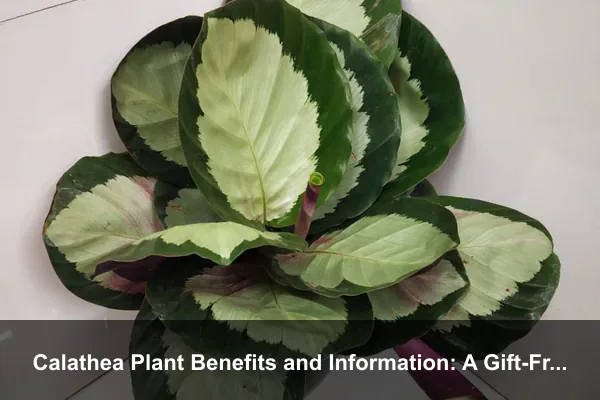
Calathea plant benefits and information are often discussed in terms of beauty, pet safety, and indoor care, but one practical angle is often overlooked: Calathea makes one of the most thoughtful foliage plants for gifting and personal home styling. Its painted-looking leaves feel special without needing flowers, fragrance, or a large floor footprint.
This guide looks at Calathea as a decorative, meaningful, and manageable houseplant for people who enjoy visual detail. You will learn what makes it valuable indoors, how to choose the right plant, how to present it as a gift, and how to keep its patterned leaves looking healthy without turning care into a complicated routine.
Why Calathea Is a Memorable Indoor Plant
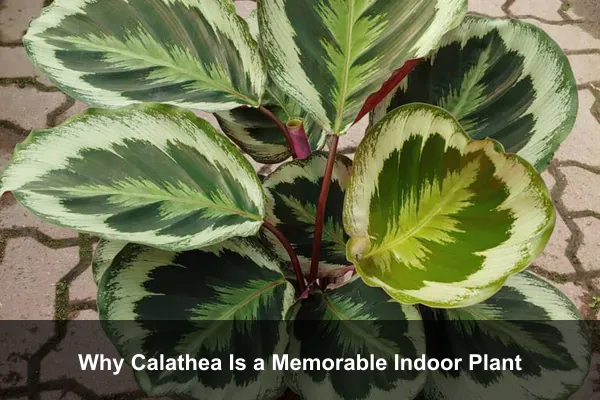
Calathea is loved for foliage that looks almost hand-painted. Depending on the type, the leaves may show stripes, brush-like markings, pink lines, silver tones, deep green patches, or purple undersides. This makes the plant useful for homes where color and texture matter, but where flowering plants may feel too seasonal or high-maintenance.
In the context of Manfaat Tanaman, or plant benefits, Calathea offers value mostly through visual comfort, interior softness, and daily interaction. It is not a medicinal plant, and it should not be promoted as a cure for health problems. Its real benefit is simpler and more realistic: it helps make indoor spaces feel calmer, more cared for, and more connected to nature.
A Plant That Feels Decorative Without Looking Artificial
Many houseplants provide greenery, but Calathea adds pattern. A single healthy plant can become a natural design accent on a shelf, side table, desk, or plant stand. Because the leaves already have strong markings, Calathea works well in simple pots and uncluttered rooms.
Useful for People Who Prefer Foliage Over Flowers
Some people dislike heavy scents, pollen, or short-lived blooms. Calathea is a foliage-first plant, so its appeal comes from leaves rather than flowers. That makes it a good choice for indoor plant lovers who want long-lasting visual interest throughout the year.
Calathea Plant Benefits for Home and Lifestyle
Calathea benefits are best understood as practical lifestyle benefits, not exaggerated promises. It can support a greener home environment, improve the look of small spaces, and encourage gentle plant-care habits.
- Decorative value: Its patterned leaves bring color, contrast, and texture without needing artificial decor.
- Pet-friendly reputation: Calathea is generally listed as non-toxic to cats and dogs, though chewing should still be discouraged.
- Low-pollen appeal: Since it is grown mainly for foliage, it is suitable for many people who prefer non-flowering indoor plants.
- Mindful routine: Checking leaf curl, soil moisture, and humidity can become a calm daily habit.
- Compact styling: Many varieties fit shelves, desks, and small tables better than large statement plants.
These benefits make Calathea especially useful for bedrooms, reading corners, work tables, and living rooms where people want a plant that feels refined but not overwhelming.
Choosing Calathea as a Gift
Calathea can be an excellent gift when chosen thoughtfully. It feels more personal than a generic bouquet because the plant can live for years with proper care. However, it is best for someone who is willing to pay attention to watering, humidity, and light.
Who Will Appreciate a Calathea?
A Calathea is a good match for someone who enjoys interior design, collects houseplants, works from home, or likes caring for living decor. It is also suitable for people who want a beautiful plant but do not have bright direct sunlight indoors.
It may not be ideal for someone who travels often, forgets watering for weeks, or prefers extremely drought-tolerant plants. In that case, a ZZ plant, snake plant, or pothos may be more forgiving.
How to Pick a Healthy Gift Plant
When buying Calathea, choose a plant with full leaves, firm stems, and no strong signs of pests. Avoid plants with many crispy edges, yellowing leaves, soggy soil, or black spots. A few minor edge marks are common because Calathea is sensitive, but severe damage can mean poor watering, low humidity, or transport stress.
- Check the undersides of leaves for pests.
- Choose moist but not muddy soil.
- Look for new leaves or upright growth.
- Avoid plants sitting in direct sun at the shop.
- Pick a pot with drainage if possible.
Best Calathea Types for Indoor Beauty
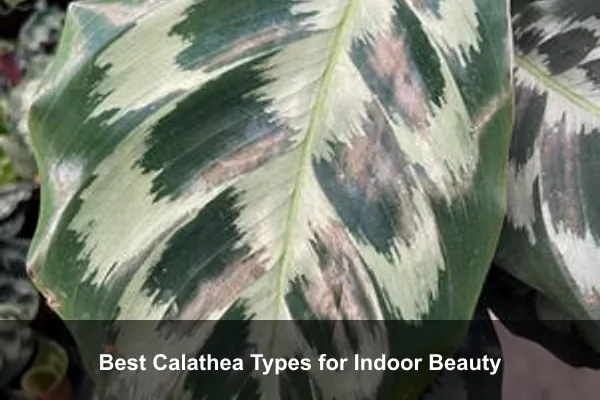
There are many Calathea and closely related Goeppertia varieties sold under the Calathea name. Each has a different visual mood, so the best choice depends on the room and the owner’s style.
Calathea Orbifolia
Calathea orbifolia has broad, rounded leaves with soft silver-green stripes. It looks elegant and calm, making it suitable for minimalist rooms, bedrooms, and neutral interiors.
Calathea Medallion
Calathea medallion has bold oval leaves with dramatic patterns and purple undersides. It is a strong choice for people who want a plant that stands out even in a simple pot.
Calathea Lancifolia
Often called rattlesnake plant, this type has long, wavy leaves with dark markings. It feels playful and slightly tropical, making it suitable for desks, shelves, and casual living spaces.
Calathea White Fusion
White Fusion has striking variegation, but it is more demanding than many other types. It should be given to someone with some plant-care experience rather than a complete beginner.
Simple Care Information for Healthy Leaves
Calathea care is not impossible, but it does require consistency. The key is to recreate gentle rainforest-like conditions: filtered light, slightly moist soil, stable warmth, and moderate to high humidity.
Light
Place Calathea in bright, indirect light. Direct sun can fade patterns and scorch leaves, while very dark corners can slow growth and make the plant weaker. A spot near an east-facing window or a few feet from a bright filtered window often works well.
Water
Keep the soil lightly moist, but never waterlogged. Water when the top layer begins to feel slightly dry. Calathea can react badly to long dry periods, but soggy roots are also harmful. Use a pot with drainage and empty any water collected in the saucer.
Humidity
Humidity is one of the most important parts of Calathea care. Dry indoor air can cause curling leaves and crispy edges. Grouping plants together, using a pebble tray, or placing the plant near a humidifier can help maintain better leaf condition.
Soil and Potting
Use a loose, moisture-retentive potting mix. A blend for tropical houseplants with added perlite, coco coir, or fine bark can support both moisture and airflow. Repot only when the plant is root-bound or the soil has become compacted.
Common Calathea Problems and What They Mean
Calathea leaves often show stress quickly, which can actually help owners adjust care before the plant declines badly. The important thing is to read the signs correctly.
- Crispy edges: Usually linked to dry air, inconsistent watering, or mineral-heavy water.
- Curling leaves: Often caused by underwatering, low humidity, cold drafts, or too much light.
- Yellow leaves: May suggest overwatering, poor drainage, or old natural leaf aging.
- Faded patterns: Can happen when the plant receives too much direct sun.
- Drooping stems: May be caused by dry soil, root stress, or sudden temperature changes.
If problems appear, avoid changing everything at once. Adjust one factor first, such as watering or light, then observe the plant for one to two weeks.
Styling Calathea in the Home
Because Calathea has detailed foliage, it works best with clean styling. Choose simple ceramic, terracotta, matte, or woven-style pots that support the leaf pattern instead of competing with it.
Best Rooms for Calathea
Calathea can look beautiful in living rooms, bedrooms, home offices, and shaded kitchen corners. Bathrooms with natural light can also work well because they often have better humidity. Avoid placing it near air conditioners, heaters, or drafty doors.
Design Pairing Ideas
Pair Calathea with plants that have simpler leaf shapes, such as peace lily, parlor palm, or plain green philodendron. This contrast helps the Calathea stand out without making the display look too busy.
Safety and Realistic Expectations
Calathea is widely appreciated as a pet-friendly houseplant, but pet-friendly does not mean edible. Cats, dogs, and children should still be discouraged from chewing leaves or digging in the soil. Any plant material can cause mild stomach upset if eaten in large amounts.
It is also important to keep expectations realistic. Calathea will not purify a whole room in a dramatic way, replace an air filter, or solve indoor health issues. Its strength is as a living decorative plant that encourages a more pleasant and attentive home atmosphere.
Conclusion
Calathea plant benefits and information are most valuable when presented honestly. This plant offers beautiful patterned foliage, compact indoor styling, low-pollen greenery, and a thoughtful gift option for people who enjoy caring for decorative houseplants.
With bright indirect light, steady moisture, good humidity, and protection from harsh conditions, Calathea can become a long-lasting part of indoor living. It is not the easiest houseplant, but for the right person and the right space, its expressive leaves make the extra attention worthwhile.
