
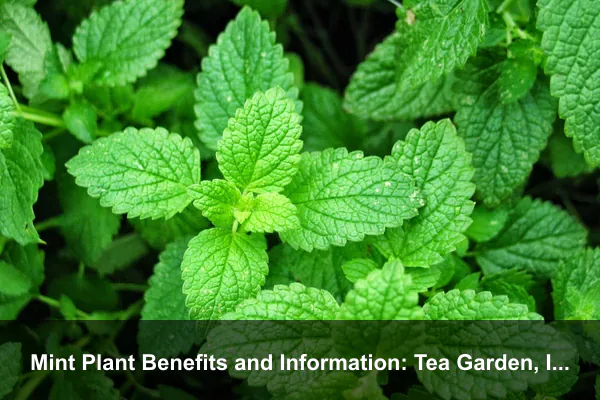
Mint is one of the most useful herbs for people who want a plant that is fragrant, productive, and easy to bring into daily routines. Its leaves can move straight from a pot to a mug, pitcher, fruit bowl, or simple home blend, which makes it especially valuable for anyone interested in practical plant benefits rather than ornamental greenery alone.
This guide explores Mint plant benefits and information from a fresh leaf drink garden angle. Instead of repeating general mint uses, it focuses on growing cleaner leaves for tea, cold infusions, flavored water, and safe everyday enjoyment. You will learn how mint supports refreshing home habits, which types taste best in drinks, how to harvest for stronger flavor, and when to use mint with caution.
Choose Mint for a Fresh Leaf Drink Garden
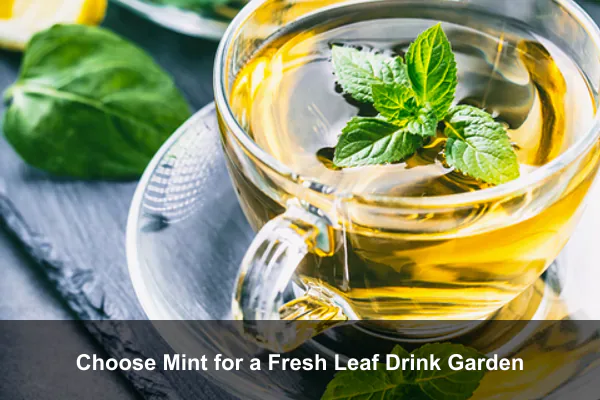
Mint belongs to the Mentha genus, a group of aromatic perennial herbs known for square stems, opposite leaves, fast growth, and cooling scent. The plant spreads through runners, which is why gardeners often grow it in pots rather than open beds. That vigorous habit can be a problem in the wrong place, but it is also the reason mint is so reliable for frequent leaf harvests.
A fresh leaf drink garden is a simple setup where mint is grown specifically for beverages. It may be one container near a kitchen door, a few pots on a balcony, or a small herb station with spearmint, peppermint, and lemon balm. The goal is not to produce large harvests for commercial drying. It is to keep clean, tender leaves available for hot tea, cold water infusions, mocktails, smoothies, and quick herbal blends.
This angle matters because drink quality depends on plant quality. A mint plant grown for daily infusions should be easy to access, watered consistently, kept away from heavy pollutants, and pruned often enough to stay leafy. When the plant is managed this way, mint becomes more than a garnish. It becomes a repeat-use household herb with flavor, aroma, and wellness value.
Why Fresh Leaves Taste Different
Fresh mint leaves contain aromatic compounds that fade after rough handling, excess heat, or long storage. That is why a leaf picked moments before steeping often tastes brighter than old dried mint. Fresh leaves also let you adjust strength easily. A few torn spearmint leaves create a soft sweetness, while crushed peppermint leaves make a stronger, cooler infusion.
Why Containers Make Sense
Mint can overtake garden beds if planted without a barrier. For a drink garden, containers are usually the smarter choice. A pot keeps the roots contained, allows better control of soil moisture, and can be moved closer to the kitchen when harvests are frequent. University extension guidance commonly recommends containers or buried barriers for mint because of its aggressive spreading habit.
Mint Plant Benefits and Information for Everyday Drinks
The best-known mint plant benefits are connected to aroma, flavor, and simple household use. Mint should not be treated as a cure for illness, but it can support pleasant routines that make drinking water, caffeine-free tea, and light herbal beverages more appealing.
Refreshing Aroma and Cooling Flavor
Mint leaves are rich in aromatic compounds, including menthol in peppermint and carvone in spearmint. These compounds create the familiar cool sensation and clean scent. In drinks, this can make plain water feel fresher without added sugar. For people trying to reduce soda or heavily sweetened beverages, mint-infused water can be a useful bridge toward better hydration habits.
Gentle After-Meal Comfort
Peppermint has a long history of use after meals, and peppermint oil has been studied more than mint tea for digestive concerns. The practical takeaway is modest: a mild mint tea may feel soothing after a heavy meal for some people, but it is not appropriate for everyone. People with frequent acid reflux may find peppermint makes symptoms worse because it can relax the lower esophageal sphincter. Food-level mint is different from concentrated peppermint oil, so keep the distinction clear.
Caffeine-Free Herbal Hydration
Mint tea is naturally caffeine-free when it is made only from mint leaves and water. This makes it useful in the evening or for people who want a warm drink without black tea, green tea, or coffee. Cold mint infusions also work well in hot weather because the flavor feels crisp even without sweetener.
Breath-Freshening Home Use
Mint is often associated with clean breath because of its strong aroma. Chewing a clean fresh leaf can briefly freshen the mouth, and mint drinks can leave a pleasant aftertaste. This is a sensory benefit, not a replacement for dental care, but it is one reason mint remains popular in kitchens and homes.
Low-Cost, Repeat Harvest Value
A healthy mint plant can provide many small harvests through the growing season. For households that buy fresh herb bundles often, one container can reduce waste and cost. The key is to harvest lightly and repeatedly rather than stripping the plant bare.
Best Mint Types for Tea and Infusions
Not all mint tastes the same. Choosing the right type is one of the most important parts of a successful mint drink garden. Seed-grown mint can vary, so named plants from a nursery or divisions from a known plant usually give more predictable flavor.
Spearmint
Spearmint is gentle, sweet, and widely useful. It is usually the best starting point for beginners because it works in hot tea, iced tea, lemonade, cucumber water, fruit salads, and yogurt drinks. It has a softer cooling effect than peppermint and rarely dominates blends when used in moderate amounts.
Peppermint
Peppermint has a sharper, cooler flavor and a stronger menthol character. It is excellent for hot tea, winter blends, chocolate pairings, and strong iced infusions. Because its flavor is bold, start with fewer leaves and increase gradually. Peppermint can overpower delicate fruits and floral herbs if used heavily.
Apple Mint and Pineapple Mint
Apple mint has rounder, slightly fuzzy leaves and a mild fruity quality. Pineapple mint is a variegated form often used for its attractive foliage and gentle flavor. These types can be pleasant in cold water infusions, especially with citrus slices or mild fruit.
Chocolate Mint
Chocolate mint does not taste like candy on its own, but it has a darker aroma that pairs well with cocoa, coffee-style drinks, and dessert-inspired herbal blends. It can be a fun second or third plant after you already have spearmint or peppermint.
Avoid Pennyroyal for Home Drinks
Pennyroyal is sometimes grouped with mints, but it is not a safe culinary mint for casual home use. Do not use pennyroyal in teas, infusions, or edible herb blends. When buying plants, choose clearly labeled culinary varieties from reputable sellers.
Grow Mint for Cleaner, Better-Tasting Leaves
Good mint drinks begin before harvest. Leaves that are dusty, stressed, pest-damaged, or overfertilized can taste harsh or weak. A few simple growing habits improve both flavor and safety.
Light
Mint grows well in full sun to partial shade. In hot climates, morning sun with afternoon shade often keeps leaves tender and reduces wilting. Too little light can make stems long and weak, while intense heat can make container plants dry out quickly. If the plant is grown indoors, place it near a bright window and rotate the pot so growth stays balanced.
Water
Mint prefers evenly moist soil, but it should not sit in stagnant water. Water when the top layer of soil begins to feel dry, then let excess water drain fully. Overwatering can encourage root problems and leaf disease, while underwatering can reduce leaf size and flavor.
Soil and Pot Size
Use a pot with drainage holes and a quality potting mix that holds moisture without becoming compacted. A container around 12 to 16 inches wide is practical for one mint plant. Wider pots allow more stems, but they also become heavier, so choose a size you can move when needed.
Feeding
Mint does not need heavy feeding. Too much fertilizer can push fast, soft growth with less concentrated aroma. A light application of compost or balanced organic fertilizer during active growth is usually enough. If leaves are pale despite proper light and water, refresh the potting mix or feed lightly.
Placement for Edible Leaves
Grow mint away from road spray, pet waste areas, pesticide drift, and dusty construction zones. If the plant is intended for drinks, treat it like food from the start. Use clean tools, clean water, and pest controls that are appropriate for edible herbs.
Harvest and Prepare Mint Leaves for Infusions
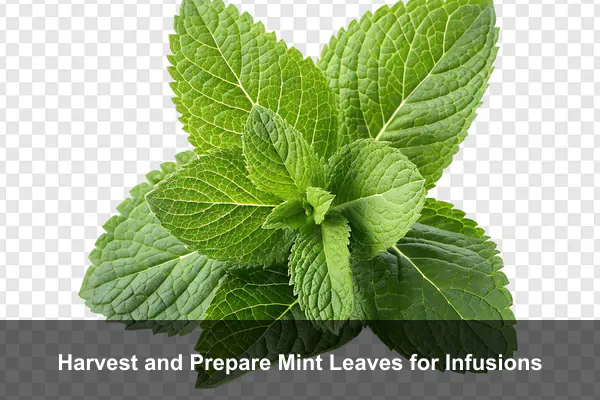
Harvest technique affects both the plant and the cup. Mint responds well to pruning because cutting above leaf nodes encourages branching. More branching means more future leaves.
Best Time to Pick
For the brightest flavor, harvest in the morning after dew has dried but before strong heat. Many herb guides note that culinary herbs often have the best flavor before flowering. If flower buds appear, pinch them off when your goal is leaf production. Flowering is useful for pollinators, but it can make leaves taste less tender.
How to Cut
Use clean scissors or garden snips. Cut a stem just above a pair of leaves, leaving enough growth for the plant to recover. Avoid removing more than one-third of the plant at one time unless you are doing a planned hard trim on a mature outdoor plant.
Simple Cleaning Steps
- Pick only healthy leaves without rust spots, mildew, or heavy insect damage.
- Rinse gently under cool running water if the leaves have dust or soil.
- Pat dry with a clean towel or use a salad spinner for larger harvests.
- Use fresh leaves soon after washing because wet leaves spoil faster in storage.
- Discard any leaves with off smells, slimy texture, or unknown residue.
Crush, Tear, or Leave Whole?
For stronger flavor, lightly bruise or tear the leaves before steeping. This opens the leaf surface and helps aromatic compounds move into water. Do not grind fresh mint into a paste for tea unless a recipe specifically calls for it, because over-crushing can create a grassy taste.
How to Make Better Mint Tea and Cold Infusions
Mint is forgiving, but small adjustments can make the difference between a flat drink and a lively one. Use clean water, fresh leaves, and the right steeping time for the drink style.
Fresh Mint Hot Tea
For one mug, use about 8 to 12 fresh leaves or 2 to 3 tender sprigs. Pour hot water over the leaves and steep for 5 to 8 minutes. Water does not need to be violently boiling when it hits the leaves. A covered mug keeps aroma in the cup instead of letting it escape with steam.
Cold Mint Water
For a pitcher, use a generous handful of clean mint sprigs and 4 to 6 cups of cold water. Lightly bruise the mint, add water, and chill for 1 to 4 hours. Remove the herbs when the flavor is strong enough. Leaving mint too long can create a dull, vegetal taste, especially if stems are crushed heavily.
Mint Ice Cubes
Chop clean mint leaves, place a small amount in each ice cube section, add water, and freeze. These cubes are useful for iced tea, lemon water, cucumber drinks, and fruit spritzers. They also reduce waste when the plant is growing faster than you can use it.
Easy Blend Ideas
- Mint and lemon: A clean, bright blend for hot or cold water.
- Mint and cucumber: A crisp infusion for warm days.
- Mint and ginger: A stronger after-meal drink with warming spice.
- Mint and hibiscus: A tart, colorful iced tea blend.
- Mint and chamomile: A gentle evening tea with a soft floral note.
- Mint and berries: A fruit-forward cold infusion that needs little or no sugar.
Sweetening Without Hiding the Herb
If you use honey, sugar, or syrup, add a small amount first. Mint can be refreshing with very little sweetness, and too much sugar hides the leaf quality you worked to grow. Citrus peel, sliced fruit, or a small piece of ginger can add interest without turning the drink into a dessert.
Safe Use and Sensible Limits
Mint is widely used as a culinary herb, but safe use still matters. The safety of a few leaves in food is not the same as concentrated essential oil, high-dose extracts, or medicinal preparations.
Food Use Versus Essential Oil
Fresh mint tea uses leaves diluted in water. Peppermint essential oil is concentrated and should not be casually added to drinks unless a qualified professional has advised a specific food-safe use. Essential oils can irritate tissues and may be risky for children, pregnant people, and people with certain medical conditions.
People Who Should Be Cautious
- People with frequent acid reflux or GERD, because peppermint may worsen reflux for some individuals.
- Pregnant or breastfeeding people considering medicinal amounts, because safety data are limited beyond normal food use.
- Parents of infants and young children, especially regarding menthol products or essential oils near the face.
- People taking medications or managing chronic digestive, liver, gallbladder, or kidney conditions.
The National Center for Complementary and Integrative Health provides useful safety information on peppermint oil and notes that food-level peppermint use is different from medicinal amounts. When in doubt, keep mint as a culinary herb and ask a qualified health professional before using concentrated products.
Daily Use Guideline
For most healthy adults, a cup of mild mint tea or a glass of mint-infused water is a normal food-style use. If a drink causes heartburn, nausea, rash, mouth irritation, or other discomfort, stop using it. More is not automatically better with aromatic herbs.
Common Problems That Affect Mint Drink Quality
A mint plant can look alive but still produce disappointing leaves. These problems are usually easy to correct once you connect the flavor issue to the growing condition.
Weak Flavor
Weak mint flavor often comes from too little light, old woody stems, overwatering, or heavy fertilizer. Move the plant to brighter indirect light or morning sun, prune it back to encourage tender growth, and reduce feeding if growth is lush but bland.
Bitter or Grassy Tea
Bitterness can happen when leaves are over-steeped, crushed too aggressively, or harvested after the plant has become stressed. Use fewer stems, steep for less time, and harvest younger leaves before flowering. Also check whether the plant is actually a culinary mint, because some mint relatives have flavors that are less pleasant in drinks.
Spotted Leaves
Rust, mildew, pest damage, and splashback from soil can make leaves unsuitable for fresh infusions. Improve airflow, water at the soil level when possible, remove damaged growth, and avoid using diseased leaves in beverages. If a plant is repeatedly unhealthy, replace the potting mix and start with a clean cutting or new plant.
Plant Spreading Beyond the Pot
Mint runners can creep over container edges and root nearby. Trim runners as soon as you see them. The University of Minnesota Extension and Utah State University Extension both describe mint as vigorous and recommend containment for better garden management.
Conclusion
Mint is a practical herb because it combines beauty, fragrance, fast regrowth, and real everyday usefulness. When grown as a fresh leaf drink garden, it offers a unique set of benefits: better-tasting water, caffeine-free tea, low-waste harvests, and a simple way to bring more living plants into daily routines.
The most important mint plant benefits and information come down to smart selection and careful use. Choose culinary mint varieties, grow them in containers, harvest clean young leaves, prepare infusions gently, and respect safety limits. With that approach, one healthy mint plant can become a dependable source of fresh flavor for hot tea, cold drinks, and refreshing home wellness habits.
