
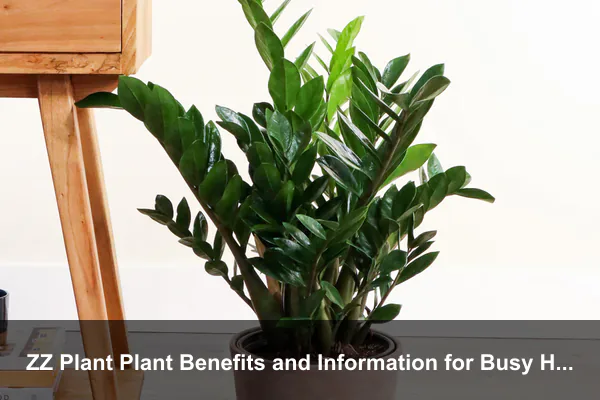
The ZZ plant is one of the most dependable houseplants for people who want greenery without building their entire schedule around plant care. Known botanically as Zamioculcas zamiifolia, this glossy-leaved indoor plant has become popular in homes, apartments, reception areas, desks, and shaded corners because it looks polished while tolerating ordinary indoor conditions.
This guide explores ZZ Plant plant benefits and information from a practical angle: how the plant supports calmer rooms, easier routines, clean-looking interiors, and low-maintenance indoor gardening. Instead of focusing only on basic watering, this article looks at how to use ZZ plants wisely in busy homes and workplaces while keeping safety, placement, and long-term health in mind.
Why the ZZ Plant Fits Modern Indoor Living
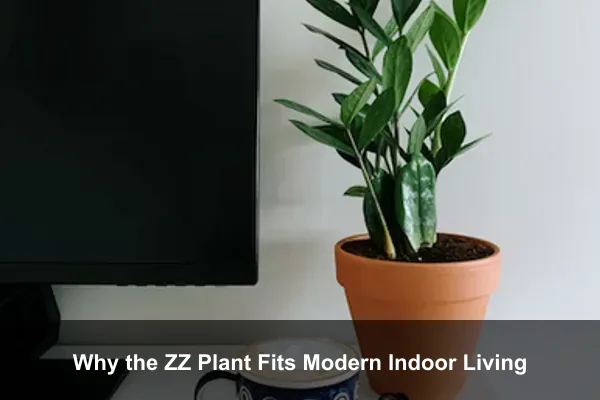
The ZZ plant suits modern life because it is visually neat, slow-growing, and forgiving. Its upright stems and waxy green leaves give rooms a fresh, structured look without requiring constant pruning, misting, or rearranging. This makes it especially useful for people who travel, work long hours, or are new to indoor plants.
In the context of Manfaat Tanaman, the ZZ plant offers value not as a medicinal plant, but as an ornamental plant that improves the comfort and appearance of indoor spaces. It brings natural texture into rooms that might otherwise feel plain, artificial, or overly digital.
Key Reasons People Choose ZZ Plants
- Low care demand: It can handle missed watering better than many leafy houseplants.
- Clean appearance: The shiny leaves look tidy in offices, bedrooms, and living rooms.
- Adaptable placement: It can grow in bright indirect light and lower-light interiors.
- Long-term value: A healthy ZZ plant can remain attractive for years with simple care.
- Beginner friendly: It teaches basic plant care without being overly sensitive.
ZZ Plant Benefits for Homes and Offices
The benefits of a ZZ plant are best understood through everyday use. It is not a miracle air purifier or a substitute for ventilation, but it can make a room feel more balanced, cared for, and visually comfortable. For many people, that practical emotional value is the main reason to grow it.
Creates a Calmer Visual Environment
Indoor greenery can soften hard surfaces, screens, shelves, and blank corners. The ZZ plant does this particularly well because its leaves are symmetrical, glossy, and architectural. It provides a sense of order rather than visual clutter, which is useful in workspaces, study rooms, and minimalist interiors.
Supports Easy Plant Ownership
Many people stop growing houseplants because they start with species that demand frequent attention. The ZZ plant lowers that barrier. Its care routine is simple enough for beginners yet attractive enough for experienced plant lovers who want a reliable background plant.
Works Well in Professional Spaces
For offices, clinics, salons, and small shops, the ZZ plant offers a professional look without high maintenance costs. It does not shed messy flowers, rarely needs shaping, and can stay attractive in corners where more delicate plants may decline.
Best Indoor Placement for a ZZ Plant
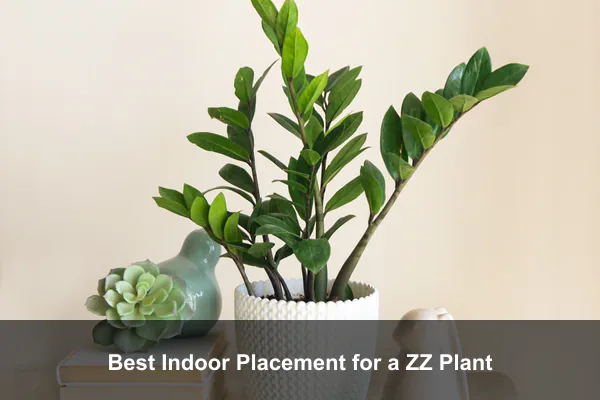
Placement is one of the most important parts of ZZ plant care. Although the plant is famous for tolerating low light, it grows best in bright, indirect light. Lower light usually means slower growth, while harsh direct sun can scorch the leaves.
Good Places to Put a ZZ Plant
- Beside a north- or east-facing window.
- Near a bright window with sheer curtains.
- On a desk or shelf away from strong afternoon sun.
- In a living room corner that still receives daylight.
- In a hallway or office with consistent ambient light.
Places to Avoid
Avoid placing ZZ plants in locations with intense direct sunlight, cold drafts, air-conditioning blasts, or dark rooms with no natural or artificial light. While the plant is tolerant, it is still alive and needs some light to maintain healthy leaves and roots.
Simple ZZ Plant Care Routine
The best ZZ plant routine is consistent but relaxed. Overcare is a more common problem than neglect, especially when people water too often or use pots without drainage. A healthy routine should match the plant’s slow growth habit.
Watering Without Overdoing It
Water the ZZ plant only when the potting mix has dried out well. In many indoor homes, this may mean watering every two to four weeks, depending on light, pot size, temperature, and humidity. Always check the soil before watering rather than following a rigid calendar.
- Insert a finger or moisture meter into the soil.
- Water only if the upper soil feels dry.
- Pour water evenly until excess drains from the bottom.
- Empty the saucer so the roots do not sit in water.
Soil and Pot Choice
A ZZ plant needs a potting mix that drains well. A standard indoor potting mix can work, but adding perlite, pumice, or coarse material improves airflow around the roots. Choose a pot with drainage holes, because trapped water can lead to root rot.
Cleaning the Leaves
The glossy leaves naturally collect dust. Wipe them gently with a soft damp cloth every few weeks. Clean leaves look better and receive light more efficiently. Avoid heavy leaf-shine products, as they can leave residue and make the plant look artificial.
Safety and Practical Considerations
One important part of responsible ZZ Plant plant benefits and information is safety. ZZ plants contain calcium oxalate crystals, which can irritate the mouth, throat, or skin if chewed or handled roughly. This does not mean the plant is dangerous when displayed properly, but it should be placed thoughtfully.
Pet and Child Safety
If you have cats, dogs, or young children who bite leaves, keep the plant out of reach. A high shelf, plant stand, or office corner may be safer than the floor. If a pet or child eats part of the plant and shows symptoms, contact a veterinarian or medical professional.
Handling Tips
- Wash hands after pruning or dividing the plant.
- Use gloves if you have sensitive skin.
- Do not use ZZ plant leaves for food, tea, or herbal remedies.
- Dispose of damaged leaves where pets cannot chew them.
Design Ideas for ZZ Plants in Small Spaces
The ZZ plant is excellent for small interiors because it grows upright rather than spreading widely. Its vertical shape makes it useful beside furniture, near entryways, or on compact plant stands. It adds greenery without taking over the room.
Styling Ideas
- Minimalist rooms: Use a matte ceramic pot in white, charcoal, or terracotta.
- Work desks: Choose a small ZZ plant in a simple container to reduce clutter.
- Rental homes: Place it in a removable decorative cachepot instead of making permanent changes.
- Entry corners: Use a medium ZZ plant to create a welcoming first impression.
Pairing With Other Plants
ZZ plants pair well with pothos, snake plants, peace lilies, and philodendrons, but they should not be watered on the same schedule automatically. Each plant has different moisture needs. Grouping plants visually is fine, but care should still be based on individual soil conditions.
Common ZZ Plant Problems and Easy Fixes
ZZ plants are resilient, but they still show warning signs when conditions are poor. Most issues come from excess water, inadequate light, or poor drainage.
Yellow Leaves
Yellow leaves often suggest overwatering, especially if stems feel soft or soil stays wet. Let the soil dry, check drainage, and remove damaged leaves. If the roots smell bad or look mushy, repotting may be needed.
Leaning Stems
Leaning stems can happen when the plant stretches toward light or when growth becomes heavy. Rotate the pot every few weeks and move it to brighter indirect light if needed.
Dusty or Dull Leaves
Dull leaves are often just dusty. Wipe them clean with water and a soft cloth. If leaves are faded or scorched, check whether the plant is receiving too much direct sun.
Buying a Healthy ZZ Plant
When buying a ZZ plant, choose one with firm stems, glossy leaves, and no unpleasant smell from the soil. Avoid plants with soggy potting mix, blackened stems, or many yellow leaves. A smaller healthy plant is usually a better purchase than a large stressed plant.
Quick Buying Checklist
- Leaves are firm, clean, and evenly colored.
- Stems stand upright without mushy spots.
- Soil is not waterlogged or sour-smelling.
- The pot has drainage holes or can be changed easily.
- No visible pests under leaves or around stems.
Conclusion
The ZZ plant is a practical indoor plant for people who want beauty, structure, and greenery without complicated care. Its benefits include easy maintenance, flexible placement, long-lasting decorative value, and suitability for homes, offices, apartments, and small rooms.
By giving it bright indirect light, well-draining soil, occasional watering, and safe placement away from chewing pets or children, you can enjoy the best qualities of this resilient plant. For anyone researching ZZ Plant plant benefits and information, the most important lesson is simple: the ZZ plant succeeds when care is steady, minimal, and matched to real indoor life.
