
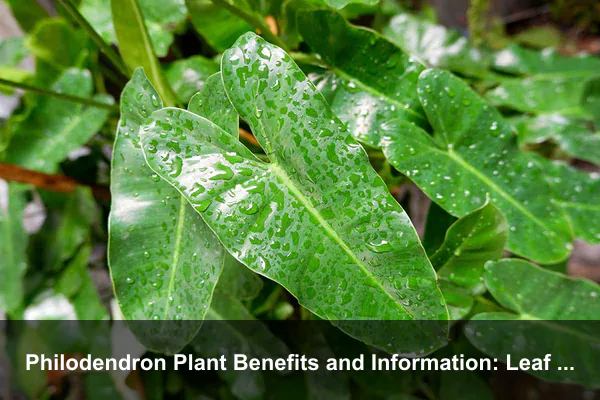
Philodendron plant benefits and information often begin with the obvious: these are attractive, adaptable houseplants with lush leaves and forgiving care needs. But one of their most useful qualities is more specific. Philodendrons bring texture, movement, and growth variety into indoor spaces without demanding the constant attention required by many delicate ornamentals.
For anyone interested in manfaat tanaman, or the practical benefits of plants, philodendrons offer a realistic kind of value. They are not magic air purifiers or medical remedies, but they can make rooms feel softer, greener, and more cared for. Their climbing, trailing, and upright habits also make them easy to match with shelves, corners, plant stands, and quiet daily routines.
What Makes a Philodendron Different?
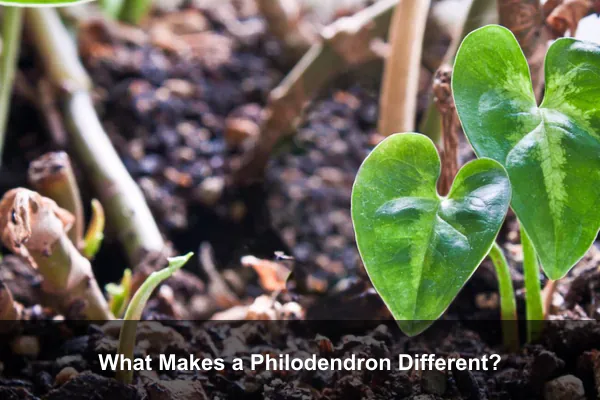
Philodendrons belong to the aroid family, a group known for bold foliage, aerial roots, and flexible growth habits. Many species naturally grow under forest canopies, which helps explain why they tolerate bright indirect light indoors better than harsh direct sun. Their value comes less from flowers and more from leaves: glossy, matte, heart-shaped, lobed, velvety, rippled, or deeply cut depending on the variety.
Foliage as the Main Feature
Unlike flowering plants that look impressive only during a bloom season, philodendrons provide year-round foliage interest. A single healthy plant can add contrast beside smooth furniture, soften sharp room lines, and make a small indoor corner feel more alive. This is why many people choose philodendrons for long-term interior greenery rather than temporary decoration.
Growth That Adapts to Space
Some philodendrons trail gracefully from a shelf, while others climb a pole or grow as compact upright plants. This range matters because the best plant is not always the rarest one. It is the one whose natural growth habit fits the space you actually have.
Key Philodendron Plant Benefits for Indoor Life
The most practical philodendron benefits are everyday benefits. They support a greener home environment, offer calming visual texture, and encourage simple care habits that fit into normal routines.
- Visual comfort: Broad leaves soften hard surfaces, electronics, and empty corners.
- Flexible placement: Many philodendrons grow well near bright windows with filtered light or in medium-light rooms.
- Low-pressure care: They usually recover well from minor watering mistakes when roots are kept healthy.
- Design versatility: Trailing, climbing, and upright forms work in different room layouts.
- Routine building: Weekly leaf checks, watering, and rotation create a simple indoor gardening rhythm.
It is also worth being realistic about air quality claims. Philodendrons can contribute to a pleasant indoor atmosphere, especially when grouped with other plants, but they should not replace ventilation, cleaning, or proper humidity management.
Choosing Philodendrons by Growth Form
A unique way to choose a philodendron is to think first about growth form rather than plant trend. This prevents buying a beautiful plant that later becomes awkward, crowded, or difficult to support.
Trailing Philodendrons
Trailing types, such as heartleaf-style philodendrons, suit shelves, hanging planters, and high cabinets. They are useful when floor space is limited because their beauty comes from downward movement. Trim long vines to keep the plant full, and rotate the pot so growth stays balanced.
Climbing Philodendrons
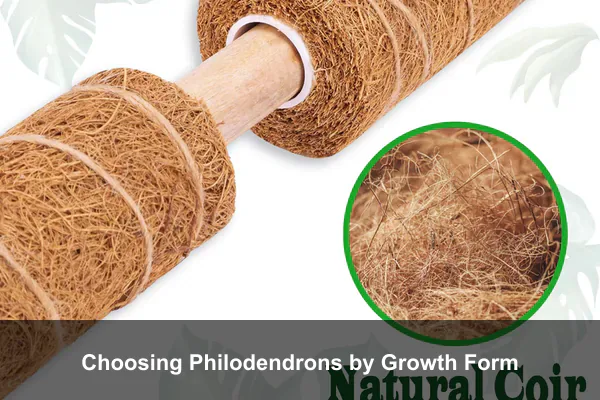
Climbing philodendrons often develop larger leaves when given a moss pole, plank, or sturdy support. Their aerial roots naturally seek something to grip. This habit is ideal for vertical greenery, but it needs planning: choose a heavy pot, install support early, and avoid placing the plant where it will block walkways.
Upright Philodendrons
Upright varieties are better for tabletops, plant stands, and floor planters. They create a fuller, more architectural look without long vines. These plants are useful when you want a strong foliage accent but do not want to manage trailing stems.
Care Basics That Preserve Leaf Texture
Philodendron care is not difficult, but attractive leaves depend on consistency. The goal is steady growth, clean foliage, and healthy roots rather than constant fertilizing or frequent repotting.
Light
Most philodendrons prefer bright, indirect light. Direct afternoon sun can scorch leaves, while very dim corners may cause leggy growth and smaller leaves. A simple test is to place the plant where you can read comfortably during the day without turning on a lamp.
Water
Water when the top layer of potting mix feels dry, then let excess water drain fully. Philodendrons dislike sitting in soggy soil because wet roots can decline quickly. In cooler months, growth slows and watering should usually become less frequent.
Soil and Potting
Use an airy potting mix that drains well but does not dry instantly. A blend designed for houseplants can work, especially when improved with orchid bark, perlite, or coco chips. Choose a pot with drainage holes and avoid moving into a much larger container too soon.
- Check soil moisture before watering.
- Rotate the pot every one or two weeks for even growth.
- Wipe leaves gently when dust builds up.
- Prune stretched or damaged stems with clean tools.
- Repot only when roots are crowded or the mix breaks down.
Safety and Indoor Placement
Philodendrons contain calcium oxalate crystals, which can irritate the mouth, throat, or skin if chewed or handled carelessly. This does not make them unsuitable for every home, but it does mean placement matters. Keep them away from pets, toddlers, and anyone likely to touch or chew leaves.
Pet and Child Awareness
If you share your home with curious cats, dogs, or young children, place philodendrons on high shelves, in rooms with controlled access, or in hanging planters that cannot be reached. After pruning, discard cuttings safely instead of leaving them on the floor.
Cleanliness and Pests
Healthy philodendrons are easier to maintain when leaves stay clean. Dust can reduce light access and make pests harder to spot. Check leaf undersides for spider mites, scale, or mealybugs, especially after bringing home a new plant. Early cleaning and isolation are often enough to prevent a small issue from spreading.
Sustainable Ways to Enjoy Philodendrons Longer
A sustainable philodendron routine is about keeping one plant healthy for years instead of constantly replacing stressed plants. Start with a variety that fits your light and space, use durable pots, and refresh the potting mix when needed. Small adjustments are often better than dramatic interventions.
Pruning can also reduce waste. Healthy stem cuttings from many vining philodendrons may be rooted in water or a light growing medium, then shared or planted back into the original pot for a fuller look. Avoid over-collecting rare plants unless you can provide the conditions they need, because a common healthy philodendron is more valuable than an expensive plant that struggles indoors.
Common Mistakes to Avoid
Most philodendron problems come from mismatched conditions rather than plant difficulty. Yellow leaves may come from overwatering, poor drainage, or natural aging. Brown crispy edges often suggest dry air, irregular watering, or too much direct sun. Slow growth can mean low light, a tired potting mix, or a plant adjusting to a new location.
- Do not water on a fixed calendar if the soil is still wet.
- Do not place delicate leaves in strong direct sunlight.
- Do not overpot a small plant in a very large container.
- Do not fertilize heavily when the plant is stressed or dormant.
- Do not ignore safety if pets or children can reach the leaves.
Conclusion
Philodendron plant benefits and information are most useful when they stay practical. These plants bring long-lasting foliage, flexible growth forms, and calming green texture into indoor spaces, while asking for moderate light, careful watering, and basic safety awareness in return.
For a home, apartment, or workspace, the best philodendron is not simply the most popular variety. It is the plant whose leaf texture, growth habit, and care needs match your room and routine. With the right placement and steady care, a philodendron can become a durable, attractive part of everyday indoor living.
