
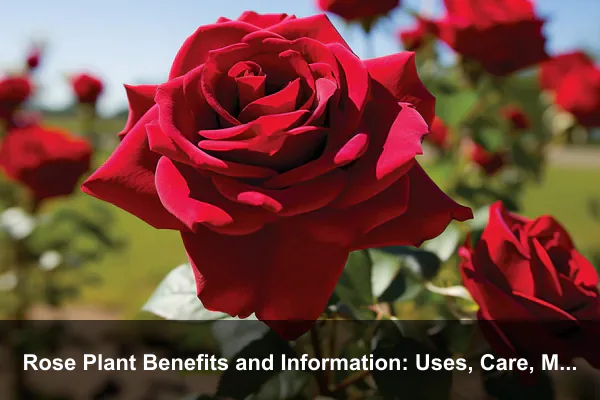
Roses are among the most recognized flowering plants in the world, but their value goes far beyond romance and decoration. A healthy rose plant can support a more beautiful garden, provide fragrant flowers for the home, attract beneficial pollinators, and even offer edible petals or rose hips when grown and handled safely. For readers searching for Rose plant benefits and information, the most useful approach is to understand the rose as both an ornamental plant and a practical garden companion.
This guide explores the benefits, uses, care basics, safety notes, and growing information that make roses a lasting favorite for home gardens. Instead of treating roses only as cut flowers, this article focuses on how the living plant contributes to outdoor beauty, sensory wellness, biodiversity, and thoughtful home routines. Whether you grow roses in a sunny yard, a patio container, or a small balcony garden, the right variety and care method can make this classic flowering plant easier and more rewarding to maintain.
What Is a Rose Plant?
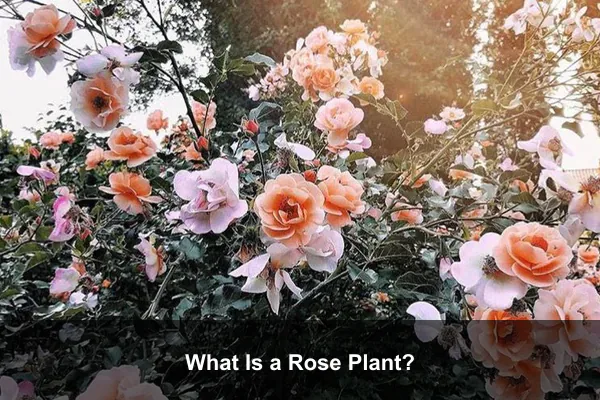
The rose plant belongs to the genus Rosa, a large group of flowering shrubs and climbers known for layered petals, thorny stems, attractive fragrance, and colorful blooms. Roses may be grown as compact shrubs, climbing vines, groundcover plants, hedges, miniature container plants, or long-stemmed cut flower varieties. Their flowers appear in many colors, including red, pink, white, yellow, peach, orange, lavender, and bi-color forms.
Most cultivated roses are grown for ornamental value, but many also offer fragrance, edible petals, hips, and ecological benefits. Some roses bloom once per season, while many modern varieties repeat bloom from spring through fall in suitable climates. This long flowering period is one reason roses remain popular in home landscapes and public gardens.
Common Types of Roses
Choosing the right rose type matters because each category has a different growth habit, maintenance level, and landscape use. Common types include:
- Hybrid tea roses: Known for large, elegant blooms on long stems, often used for cut flowers.
- Floribunda roses: Produce clusters of flowers and are useful for colorful garden beds.
- Grandiflora roses: Combine tall growth with clustered blooms, making them suitable for larger spaces.
- Climbing roses: Grow long canes that can be trained on arches, walls, trellises, or fences.
- Shrub roses: Hardy, landscape-friendly plants that often need less formal pruning.
- Miniature roses: Compact roses for pots, balcony gardens, and small decorative spaces.
- Old garden roses: Traditional roses valued for fragrance, history, and romantic flower forms.
- Wild roses: Simple, usually five-petaled flowers that can be excellent for wildlife-friendly gardens.
Basic Rose Plant Characteristics
A typical rose plant has woody stems, compound leaves, prickles, flower buds, and fibrous roots. Many roses grow best in full sun, well-draining soil, and areas with good air circulation. While roses are sometimes seen as difficult plants, much of their success depends on matching the variety to the location. Disease-resistant shrub roses, for example, are often more forgiving for beginners than high-maintenance exhibition roses.
Main Rose Plant Benefits for Home and Garden
The benefits of rose plants include visual beauty, fragrance, pollinator support, emotional comfort, garden structure, and practical home uses. In the Indonesian plant-benefit context of manfaat tanaman, roses fit well as ornamental plants that also support everyday wellness and natural living. Their benefits are not limited to one season or one purpose; a well-grown rose can improve the look, scent, and ecological quality of a home garden for many years.
Natural Beauty and Landscape Value
The most obvious benefit of roses is their ornamental beauty. Rose blooms create strong visual impact in garden beds, borders, courtyards, and entrance areas. Their wide range of colors makes them flexible for many garden styles, from formal landscapes to cottage gardens and compact urban patios.
Roses can also provide structure. Shrub roses can form flowering hedges, climbing roses can soften fences, and miniature roses can brighten small spaces. Unlike short-lived decorative items, a rose plant can return with new growth and flowers season after season when properly maintained.
Fragrance for Sensory Wellness
Many rose varieties are valued for fragrance. A scented rose planted near a pathway, terrace, window, or seating area can add a calming sensory experience to the home. While fragrance strength varies by cultivar, old garden roses, damask roses, and some English-style roses are especially loved for their perfume-like scent.
The aroma of roses is often associated with relaxation, memory, and emotional comfort. Although a rose garden is not a medical treatment, spending time near fragrant flowers can support a more pleasant and mindful outdoor routine. For many gardeners, tending roses becomes a quiet ritual that encourages observation, patience, and connection with nature.
Pollinator and Biodiversity Support
Single and semi-double roses can help attract bees, butterflies, and other beneficial insects because their flower centers are easier to access than very dense blooms. Wild roses and less heavily bred varieties are often especially useful in pollinator-friendly gardens. When roses are grown without excessive pesticide use, they can become part of a healthier garden ecosystem.
Rose hips, which form after pollinated flowers mature, may also provide seasonal interest and food for wildlife in some regions. Gardeners who want biodiversity should consider leaving some spent flowers on the plant late in the season so hips can develop.
Cut Flowers for the Home
Growing roses gives homeowners access to fresh cut flowers without relying entirely on store-bought arrangements. A few stems in a vase can brighten a dining table, desk, guest room, or prayer corner. Cutting flowers can also encourage some repeat-blooming roses to produce new buds, as long as pruning is done correctly.
For the longest vase life, cut roses early in the morning when the plant is hydrated. Use clean scissors or pruners, remove lower leaves, and place stems in fresh water immediately. Avoid cutting too many stems from young plants, because they still need foliage to build strength.
Practical Uses of Rose Plants
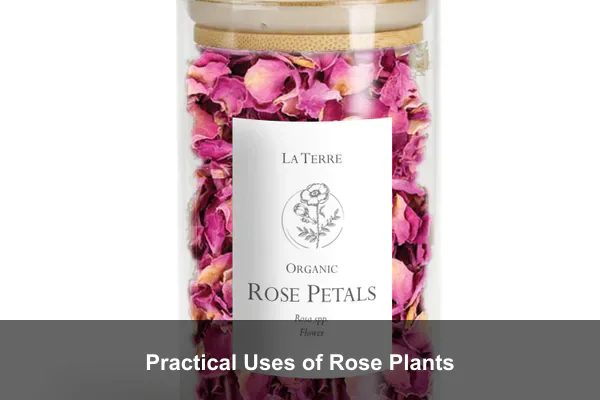
Rose plants are not only decorative. Depending on the variety and growing method, petals and hips may be used in simple home routines, crafts, culinary preparations, and natural garden design. The key is to use only roses that are correctly identified, grown without unsafe chemicals, and handled with basic hygiene.
Edible Rose Petals
Rose petals are edible when they come from unsprayed, food-safe plants. They have a delicate floral flavor that can be mild, sweet, or slightly spicy depending on the variety. Petals are sometimes used in teas, syrups, jams, desserts, salads, and infused water. Before using petals, remove the bitter white base and rinse them gently.
Important safety note: do not eat petals from florist roses unless you know they were grown for culinary use. Many commercial cut flowers may be treated with chemicals that are not meant for food. For home use, grow your own roses organically or buy culinary-grade dried rose petals from a trusted source.
Rose Hips as a Seasonal Resource
Rose hips are the small fruit-like structures that form after the flowers fade and are pollinated. They are often red, orange, or reddish-brown when mature. Some rose hips are used in teas, jams, syrups, and traditional preparations. They are known for vitamin C content, although the amount can vary widely by species, maturity, and processing method.
Not every rose produces large or useful hips, and not every gardener wants hips because deadheading encourages more flowers in many repeat-blooming roses. If rose hips are your goal, choose varieties known for hip production, such as some species roses, rugosa roses, or wild-type roses. Always remove seeds and irritating hairs carefully when preparing hips for food use.
Rose Water and Aromatic Home Uses
Rose petals are often associated with rose water, potpourri, sachets, bath blends, and natural home fragrance. Homemade aromatic uses should be simple and safe. Petals can be dried and placed in breathable sachets for drawers or decorative bowls. They can also be combined with other dried botanicals for a gentle floral scent.
If using rose preparations on skin, be cautious. Natural does not always mean irritation-free. People with sensitive skin, allergies, eczema, or fragrance sensitivity should patch test and avoid strong homemade mixtures. Rose essential oil is highly concentrated and should not be applied directly to skin without proper dilution and safety knowledge.
Decorative and Cultural Uses
Roses have strong cultural meaning in many societies. They are used in celebrations, memorials, weddings, religious settings, romantic gestures, and garden traditions. Red roses often symbolize love, white roses may suggest purity or remembrance, yellow roses are commonly linked with friendship, and pink roses often represent gratitude or admiration. Meanings vary by culture, so context matters.
In home gardening, roses can create a sense of welcome. A rose near an entrance, gate, or seating area can serve as a living focal point. Climbing roses on an arch can mark a transition between garden spaces, while shrub roses can soften hard edges around fences, walls, or pathways.
How to Grow Healthy Rose Plants
Healthy roses begin with the right location, soil, watering rhythm, and maintenance routine. Roses can be resilient, but they perform best when their basic needs are met consistently. A simple care system is better than complicated treatment after problems appear.
Light Requirements
Most roses need at least six hours of direct sunlight per day. Morning sun is especially helpful because it dries dew from the leaves and reduces disease pressure. In very hot climates, roses may appreciate some light afternoon shade, especially in containers or exposed patios.
If a rose receives too little light, it may produce weak stems, fewer flowers, pale leaves, and increased disease problems. Before planting, observe the location across the day. A beautiful corner may not be suitable if it remains shaded most of the time.
Soil and Potting Mix
Roses prefer fertile, well-draining soil that holds moisture without becoming waterlogged. Heavy clay can be improved with compost and organic matter, while sandy soil may need more compost to hold nutrients. The ideal soil is loose enough for roots to breathe but rich enough to support steady growth.
For container roses, use a quality potting mix rather than dense garden soil. The pot should have drainage holes and enough depth for root development. Miniature roses can grow in smaller containers, but full-size shrub roses need larger pots to remain stable and productive.
Watering Tips
Roses need regular watering, especially during active growth, flowering, and hot weather. Deep watering is better than frequent light sprinkling because it encourages deeper roots. Water at the base of the plant rather than wetting the leaves, since wet foliage can increase disease risk.
A practical routine is to check the top few centimeters of soil. If it feels dry, water deeply. Mulch can help retain soil moisture, reduce weeds, and keep roots cooler. Avoid letting containers dry out completely, because potted roses lose moisture faster than roses planted in the ground.
Fertilizing for Better Blooms
Roses are moderate to heavy feeders. They benefit from compost, aged manure, balanced rose fertilizer, or slow-release nutrients applied according to the product label. Over-fertilizing can cause soft, weak growth and may increase pest problems. Under-fertilizing can result in fewer blooms and pale leaves.
Feed roses during the growing season, but avoid pushing tender new growth too late in cold-climate regions. In tropical or warm areas, feeding schedules may differ because roses may grow for much of the year. Always water well after fertilizing to protect roots.
Pruning and Deadheading
Pruning helps roses stay healthy, balanced, and productive. Remove dead, damaged, crossing, or diseased stems first. Then shape the plant to improve airflow and sunlight penetration. For repeat-blooming roses, deadheading spent flowers can encourage new blooms.
Use clean, sharp pruners and make cuts above outward-facing buds when shaping stems. Thick gloves are useful because rose prickles can scratch skin. Different rose types need different pruning methods, so avoid cutting climbing roses the same way as compact shrub roses.
Rose Plant Problems and Safe Solutions
Roses can face pests, diseases, and environmental stress, but many issues can be reduced through prevention. Good spacing, sunlight, soil health, watering discipline, and sanitation are the foundation of rose care. Strong plants are less likely to suffer severe damage.
Common Rose Pests
Aphids, spider mites, thrips, Japanese beetles, caterpillars, and scale insects may attack roses. Aphids often gather on tender new growth and flower buds. Spider mites are more common in hot, dry conditions and may cause stippled leaves. Thrips can damage petals and distort blooms.
For mild pest problems, try these safer steps first:
- Spray affected areas with a strong stream of water to dislodge aphids and mites.
- Prune heavily infested tips if damage is localized.
- Encourage beneficial insects by planting diverse flowering plants nearby.
- Use insecticidal soap or horticultural oil only when appropriate and according to instructions.
- Avoid broad-spectrum pesticides that can harm pollinators and beneficial insects.
Common Rose Diseases
Black spot, powdery mildew, rust, and fungal leaf spots are common rose diseases in many regions. Black spot appears as dark spots with yellowing leaves. Powdery mildew looks like a white powdery coating. Rust may appear as orange or rusty patches on leaf undersides.
Disease prevention is more effective than repeated rescue treatments. Choose disease-resistant varieties, provide airflow, water at soil level, remove fallen diseased leaves, and avoid overcrowding. If fungal disease is common in your area, select roses bred for local resistance rather than fighting the same issue every season.
Environmental Stress
Heat, drought, poor drainage, compacted soil, nutrient imbalance, and transplant shock can all affect rose health. Yellow leaves do not always mean one specific problem. They may result from overwatering, underwatering, root stress, pests, disease, or natural aging of older foliage.
When diagnosing rose problems, check conditions in this order: soil moisture, sunlight, drainage, new growth, leaf patterns, pests, and recent care changes. This practical method reduces guesswork and helps you respond appropriately.
Best Ways to Use Roses in Garden Design
Roses are versatile design plants. They can be formal or relaxed, classic or modern, romantic or practical. The best design depends on the rose type, available space, sunlight, and maintenance level you are willing to provide.
Rose Borders and Flower Beds
Floribunda and shrub roses work well in borders because they provide repeated color and a fuller shape. Plant them with enough spacing for mature growth. Companion plants can help cover bare lower stems and create a more natural display.
Good rose companions include lavender, salvia, catmint, alyssum, ornamental grasses, marigold, and low-growing herbs. Choose plants with similar sunlight needs and avoid companions that compete aggressively for water and nutrients.
Climbing Roses for Vertical Interest
Climbing roses are excellent for arches, pergolas, fences, pillars, and trellises. They do not climb by tendrils like some vines, so their canes need to be tied gently to supports. Training canes horizontally or diagonally often encourages more flowering shoots.
Use strong supports from the beginning. A mature climbing rose can become heavy, especially after rain. Place it where pruning, tying, and cleaning fallen petals will be manageable.
Container Roses for Small Spaces
Miniature roses, patio roses, and compact shrub roses can grow well in containers. This makes them useful for balconies, terraces, front steps, and small urban homes. Container roses need regular watering and feeding because nutrients and moisture are limited by pot size.
Use a pot that matches the mature size of the plant. Avoid tiny decorative pots for long-term growth unless the rose is truly miniature. In hot climates, light-colored containers may help keep roots cooler.
Safety, Allergies, and Responsible Use
Rose plants are generally considered safe ornamental plants, but responsible use is still important. Prickles can scratch skin, petals may trigger sensitivity in some people, and chemical residues can make flowers unsuitable for food or skin use.
Pet and Family Safety
Roses are not usually considered highly toxic to cats and dogs, but the prickles can cause injury to paws, mouths, or curious children. Place thorny varieties away from narrow walkways, play areas, and high-traffic corners. Clean up fallen stems after pruning.
If pets chew large amounts of plant material, stomach upset can occur. For households with pets or children, choose planting locations thoughtfully and supervise access to newly pruned stems.
Culinary Safety
Use roses for food only when you are certain they have not been treated with unsafe pesticides, fungicides, preservatives, or floral chemicals. Wash petals gently, remove bitter white bases, and introduce small amounts first. People with pollen allergies or plant sensitivities should be cautious.
Rose hips require proper preparation because seeds and fine hairs inside the hips can irritate the mouth and digestive tract. When in doubt, use commercially prepared food-grade rose products rather than experimenting with unknown plants.
Skin and Fragrance Sensitivity
Rose-scented products can be pleasant, but fragrance sensitivity is real. Homemade rose infusions, oils, and waters should be used carefully. Avoid applying concentrated essential oils directly to skin. Pregnant people, infants, and those with medical conditions should seek professional advice before using concentrated herbal preparations.
Choosing the Right Rose Plant for Your Home
The best rose is not always the most dramatic flower in a catalog. The right choice is the variety that fits your climate, space, sunlight, and care routine. A disease-resistant shrub rose that blooms reliably may bring more satisfaction than a fragile variety that constantly struggles.
Questions to Ask Before Buying
Before choosing a rose plant, consider these practical questions:
- How much sun does the planting area receive? Most roses need strong direct light.
- How much space is available? Match the mature plant size to the location.
- Do you want fragrance, color, hips, or cut flowers? Different roses excel at different features.
- Will the rose grow in the ground or a container? Container roses need compact habits and regular care.
- How much maintenance are you willing to do? Some roses need more pruning and disease management than others.
Beginner-Friendly Rose Traits
Beginners should look for disease resistance, repeat blooming, compact growth, and local climate suitability. Landscape shrub roses are often easier than formal hybrid tea roses. Buying from a local nursery can help because local growers usually know which varieties perform well in the area.
Check the plant before purchasing. Healthy roses should have firm stems, active buds or leaves, no severe spotting, no obvious pests, and a root system that is not badly circling the pot. Avoid plants with dry, brittle canes or waterlogged soil.
Conclusion
Rose plants offer a rich combination of beauty, fragrance, garden structure, pollinator value, and practical home uses. Their flowers can brighten indoor spaces, their scent can make outdoor areas more inviting, and their petals or hips may be useful when grown safely for culinary or aromatic purposes. For anyone researching Rose plant benefits and information, the most important lesson is that roses are living, multi-purpose plants rather than simple decorative symbols.
To enjoy the best benefits, choose a rose variety that matches your space and climate, plant it in full sun with well-draining soil, water deeply, prune thoughtfully, and avoid unnecessary chemical use. With consistent care, a rose plant can become a long-lasting feature in the garden and a meaningful part of everyday home wellness.
