
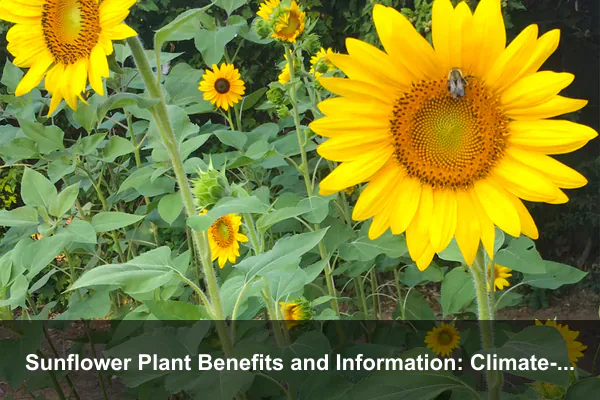
Sunflower plant benefits and information go far beyond the cheerful yellow blooms most people recognize. A sunflower can be a living weather signal, a seasonal privacy screen, a soil-supporting crop, a wildlife food source, a cut-flower favorite, and a useful teaching plant for families, schools, and beginner gardeners. In the broader niche of Manfaat Tanaman, sunflowers are especially valuable because nearly every part of the plant has a practical role when grown with the right expectations.
This guide takes a distinct angle from a basic seed, care, or pollinator article. Instead of focusing only on how to grow sunflowers or harvest seeds, it explains how sunflowers function in a real home landscape: how their roots interact with soil, how their height changes garden microclimates, how different varieties serve different purposes, and how to use the whole plant responsibly without exaggerating its benefits.
Why Sunflowers Deserve a Place in Climate-Smart Gardens

Sunflowers are annual plants in the genus Helianthus, with the common sunflower known botanically as Helianthus annuus. They are famous for their large composite flower heads, sturdy stems, rough leaves, and fast seasonal growth. In a practical garden, their biggest strength is how quickly they create visible structure. Within a few months, a small seed can become a tall plant that shades soil, supports insects, produces biomass, and adds a strong vertical accent.
The term “climate-smart” does not mean sunflowers solve climate problems on their own. It means they can help gardeners build more resilient outdoor spaces. They grow well in full sun, tolerate heat better than many delicate ornamentals, and can be used to protect smaller plants from harsh afternoon light when placed carefully. Their strong seasonal presence also encourages gardeners to think about rotation, soil coverage, seed saving, compost material, and habitat value.
Fast Growth With Practical Landscape Value
Because sunflowers grow quickly, they are useful where a garden needs temporary height. A row of sunflowers can soften a fence, screen a compost area, frame a vegetable patch, or make a plain corner feel intentional during the warm season. Unlike permanent shrubs, annual sunflowers let you experiment. If the placement is wrong this year, the layout can be changed next season without major work.
For homeowners, renters with garden beds, and community garden members, this flexibility is a major benefit. Sunflowers offer impact without long-term commitment. They are also budget-friendly because many types grow easily from seed, making them accessible for beginner gardening projects.
Best Uses by Garden Goal
- For visual height: choose tall single-stem varieties along fences or at the back of beds.
- For cut flowers: choose branching or pollenless varieties with strong stems.
- For wildlife support: choose seed-producing types and leave some heads to mature.
- For small spaces: choose dwarf sunflowers in deep containers with full sun.
- For soil coverage: plant sunflowers with companion annuals that shade bare ground.
Sunflower Roots, Soil Support, and Garden Rotation
One of the most overlooked sunflower plant benefits is below the surface. Sunflowers develop a strong root system that helps anchor tall growth and explore deeper soil layers than many shallow-rooted annual flowers. This does not make them a miracle soil repair plant, but it does make them useful in thoughtful garden planning.
Sunflowers can help break up lightly compacted garden soil over time, especially when grown as part of a rotation that includes compost, mulch, legumes, and other cover-style plants. Their roots create channels as they grow and decompose, which can improve soil structure for later crops. The stems and leaves also provide carbon-rich plant material for compost if they are disease-free.
Using Sunflowers in Rotation
Rotating sunflowers is important because planting the same crop family in the same place year after year may encourage pest and disease buildup. In a home garden, this can be simple. Grow sunflowers in one bed this season, then use that bed for leafy greens, beans, herbs, or ornamental annuals the next season. Avoid making sunflowers the permanent occupant of one exact strip of soil.
- Plant sunflowers in full sun after the risk of frost has passed.
- Keep soil evenly moist while seedlings establish.
- Mulch once plants are several inches tall to reduce weeds and moisture loss.
- Remove diseased leaves during the season instead of composting them.
- At the end of the season, chop healthy stalks for compost or use dry stems as rough garden material.
Soil Cautions and Realistic Expectations
Sunflowers are sometimes discussed in relation to phytoremediation, the use of plants to absorb certain contaminants from soil. While this is scientifically interesting, home gardeners should be cautious. Do not grow edible sunflower seeds in soil suspected of heavy metal contamination, roadside pollution, or industrial waste exposure. If contamination is a concern, test the soil and follow local extension or environmental guidance.
For ordinary gardens, the safer message is this: sunflowers can contribute to soil health as part of a broader system, but they should not be treated as a guaranteed cleanup tool. Their best everyday role is improving seasonal biomass, supporting rotation, and encouraging better soil care habits.
Full-Plant Benefits: More Than Seeds and Flowers
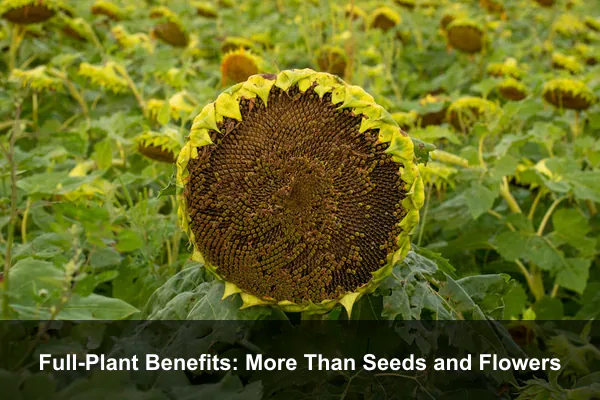
Sunflower plant benefits and information often focus on seeds, but the plant has more layers of usefulness. The flower head attracts attention, the seeds can feed people or wildlife depending on how they are managed, the petals add beauty, the stems contribute organic matter, and the leaves support the plant’s rapid growth. Understanding these parts helps gardeners reduce waste and appreciate the sunflower as a whole seasonal resource.
Flower Heads for Beauty and Learning
The large sunflower head is actually made of many small flowers. The bright outer ray florets look like petals, while the central disk contains many tiny florets that can develop into seeds. This structure makes sunflowers excellent educational plants. Children and beginner gardeners can observe germination, leaf growth, bud formation, flowering, seed development, and seed dispersal in one growing season.
For classrooms, community gardens, and family yards, this educational value is one of the strongest sunflower benefits. The plant is large enough to observe easily, grows fast enough to keep interest, and produces clear visual changes over time.
Seeds for Food, Oil, and Wildlife
Sunflower seeds are known for their nutritional value, especially healthy fats, protein, vitamin E, magnesium, and selenium. However, gardeners should separate ornamental use from food use. If you plan to eat the seeds, grow sunflowers without unsafe chemical sprays, harvest mature heads properly, and dry seeds in clean conditions.
Leaving some seed heads outdoors can support birds and other wildlife. This is a simple way to extend the garden’s value after the flowers fade. Instead of viewing spent flowers as failure, gardeners can treat mature seed heads as a late-season food station.
Stems and Leaves as Organic Material
Healthy sunflower stems can be chopped and composted, although thick stalks decompose slowly. Cutting them into smaller pieces helps. Dry stems may also be used temporarily as rustic plant supports, kindling where appropriate and legal, or rough material at the base of a compost pile. Avoid composting plants with severe fungal disease, heavy pest infestation, or suspected chemical contamination.
Sunflower leaves are not usually the main reason people grow the plant, but they are important for photosynthesis and soil shading. Large leaves can reduce direct sun exposure on bare soil, helping conserve moisture around the plant base when combined with mulch.
Choosing the Right Sunflower Type for Your Space
Not all sunflowers behave the same way. A common mistake is buying seeds based only on the picture, then discovering the mature plant is too tall, too wide, or not suited to the intended use. Choosing the right type is one of the easiest ways to improve results.
Tall Sunflowers
Tall sunflowers can reach impressive heights and work best in open beds, back borders, fence lines, and large vegetable gardens. They create strong vertical drama and can act as a temporary summer screen. Because they are exposed to wind, tall types may need staking or a sheltered location.
Use tall sunflowers when you want structure, seed production, and a bold landscape statement. Avoid placing them where they will shade sun-loving vegetables that need direct light all day.
Dwarf Sunflowers
Dwarf sunflowers are better for patios, balconies, small gardens, and containers. They usually have shorter stems and more compact growth, making them easier to manage near walkways or seating areas. They still need full sun and a container deep enough to support roots.
For small-space gardeners, dwarf varieties provide the visual joy of sunflowers without overwhelming the area. They are also useful for children’s gardening projects because the flowers are easier to view up close.
Branching and Cut-Flower Sunflowers
Branching sunflowers produce multiple blooms over time, making them valuable for cut flowers and extended display. Some cut-flower varieties are bred to be pollenless, which helps reduce mess indoors. However, pollenless types may provide less direct pollen value for insects, so gardeners interested in wildlife can mix them with pollen-producing varieties.
If your goal is fresh bouquets, plant several rounds of seeds two to three weeks apart. This succession planting keeps flowers coming instead of producing one short burst.
Sunflowers as Living Screens, Wind Buffers, and Garden Architecture
A sunflower is not just a flower; it is temporary garden architecture. Its height, leaf size, and upright habit can change how a space feels. This is especially useful in new gardens where shrubs and trees have not matured yet.
Privacy Without Permanent Construction
Rows of sunflowers can create seasonal privacy near patios, outdoor dining areas, or garden edges. They will not block views year-round, but that can be an advantage. In summer, they add screening when outdoor spaces are used most. In winter, the area opens again after the annual plants are removed.
For best results, plant in staggered rows rather than a single straight line. Staggering helps the planting look fuller and reduces gaps caused by uneven germination.
Microclimate Benefits
Sunflowers can slightly alter microclimates by casting shade, slowing wind near the ground, and reducing bare-soil exposure. This can help nearby plants that appreciate some protection during intense heat. However, placement matters. Sunflowers can also compete for water and nutrients, especially when planted too close to vegetables or shallow-rooted ornamentals.
- Place tall sunflowers north of vegetable beds in the Northern Hemisphere when you want to avoid shading crops.
- Use them west of heat-sensitive plants if afternoon shade is helpful.
- Give large varieties enough spacing to reduce mildew and airflow problems.
- Water deeply rather than sprinkling lightly every day.
- Mulch the root zone to stabilize moisture and reduce weed pressure.
Health, Nutrition, and Safety Information
Sunflower seeds are widely eaten and can be part of a balanced diet, but responsible content should avoid treating them as a cure for health conditions. They are nutritious, energy-dense foods, not medicine. People with allergies, sodium restrictions, or specific medical diets should choose seed products carefully.
Nutritional Highlights
Plain sunflower seeds contain beneficial unsaturated fats, plant protein, fiber, and micronutrients. Vitamin E is one of their best-known nutrients because it works as an antioxidant in the body. Magnesium supports normal muscle and nerve function, while selenium plays a role in normal immune and thyroid function.
The healthiest choice is usually unsalted or lightly salted seeds in moderate portions. Many commercial roasted seeds are high in sodium or flavored coatings, which may not suit everyone.
Allergy and Pet Considerations
Sunflower seed allergy is less common than some nut allergies, but it can happen. Anyone with known seed allergies should be cautious. For pets, plain sunflower seeds are sometimes found in bird feed and pet products, but salty, seasoned, moldy, or spoiled seeds should be avoided. Gardeners with dogs should also prevent pets from chewing large quantities of plant material, especially dried stalks or seed heads that may cause digestive upset.
Safe Harvesting for Home Use
If harvesting seeds for eating, wait until the back of the flower head turns yellow-brown and seeds look full. Cut the head with a stem attached, dry it in a clean, airy place, and protect it from rodents and moisture. Discard moldy seeds. Clean handling matters because homegrown food is only beneficial when harvested and stored safely.
Common Problems and Practical Solutions
Sunflowers are generally beginner-friendly, but they are not problem-free. Their fast growth can attract pests, their height can make them vulnerable to wind, and dense planting can create disease pressure. Most issues are easier to prevent than fix.
Weak or Leaning Stems
Leaning usually happens because of wind, low light, overcrowding, or shallow watering. Plant sunflowers where they receive full sun, thin seedlings to proper spacing, and water deeply to encourage stronger roots. Tall varieties may need stakes, especially in exposed sites.
Chewed Seedlings
Young sunflower seedlings are attractive to slugs, snails, birds, and small animals. Protect seedlings with collars, netting, or temporary covers until they are established. Starting a few extra seeds is also practical because not every seedling will survive in an active garden ecosystem.
Leaf Spots and Mildew
Fungal problems are more likely when leaves stay wet, air circulation is poor, or plants are crowded. Water at the soil level, space plants properly, and remove heavily infected leaves. At the end of the season, clean up diseased plant debris instead of leaving it in the bed.
Empty or Poorly Filled Seeds
Poor seed fill may be caused by lack of pollination, stress during flowering, poor soil, or insufficient water. Planting a diversity of flowering plants nearby can support pollinator activity, while consistent watering during bud and seed formation helps the plant complete its cycle.
How to Use Sunflowers in a Low-Waste Garden
A low-waste sunflower garden focuses on using the plant thoughtfully from seed to season’s end. This approach fits well with sustainable home gardening and the practical spirit of Manfaat Tanaman: the plant is valued not only for beauty, but also for what it contributes to the household and ecosystem.
Seed Saving
Seed saving is easiest with open-pollinated sunflower varieties. Hybrid varieties may not grow true to type, meaning saved seeds can produce plants that differ from the parent. To save seeds, select healthy plants, let heads mature fully, dry them properly, and store seeds in a cool, dry, labeled container.
Compost and Biomass
After the season, healthy leaves and chopped stems can enter the compost system. Because stalks are fibrous, they work best when cut small and mixed with moist green materials. This returns some organic matter to the garden rather than sending all plant material to waste.
Natural Decor and Seasonal Crafts
Dried sunflower heads and stems can be used in rustic seasonal displays if they are clean and pest-free. This is not essential, but it extends the ornamental value of the plant. After display, natural materials can be composted if they have not been painted, glued heavily, or treated with synthetic finishes.
Sunflower Planting Design Ideas for Different Gardens
Sunflowers are adaptable, but their design role should match the space. A plant that looks charming in a large garden can feel overwhelming on a narrow balcony. Planning by garden type helps prevent disappointment.
Backyard Vegetable Gardens
In vegetable gardens, sunflowers work well as border plants, beneficial insect anchors, or visual markers at bed ends. Keep them away from crops that dislike shade. Because they are heavy feeders compared with many flowers, enrich the soil with compost before planting and avoid crowding them with nutrient-hungry vegetables.
Front Yard Flower Borders
In ornamental borders, sunflowers create a cheerful seasonal focal point. Pair them with zinnias, cosmos, marigolds, ornamental grasses, or basil flowers for a layered summer look. Use repeated groups rather than one isolated plant for a more intentional design.
Balconies and Containers
For containers, choose dwarf varieties and use a pot with drainage holes. A deep container is better than a shallow decorative pot because sunflowers need root space. Place the container where it receives at least six hours of direct sun, and check moisture often during hot weather.
Community and School Gardens
Sunflowers are excellent in shared gardens because they are visible, easy to understand, and exciting for new growers. Labeling different varieties can turn a planting into a learning area. Measuring plant height each week is a simple educational activity that teaches observation and plant development.
Frequently Asked Questions About Sunflowers
Are sunflowers easy for beginners?
Yes. Sunflowers are among the easier annual flowers to grow from seed, especially in full sun and well-drained soil. Beginners should start with a manageable variety, water consistently during establishment, and protect young seedlings from pests.
Do sunflowers come back every year?
Common annual sunflowers complete their life cycle in one season. However, dropped seeds may sprout the following year if conditions are right. There are also perennial sunflower species, but they behave differently from the common annual sunflower.
Can sunflowers grow in pots?
Yes, especially dwarf types. Use a deep pot, quality potting mix, full sun, and steady watering. Tall varieties are harder to manage in containers because they need more root room and may tip in wind.
Are sunflower seeds always edible?
Seeds from common sunflowers can be edible when grown, harvested, dried, and stored safely. Do not eat seeds from plants treated with unsafe chemicals or grown in contaminated soil. Avoid moldy or spoiled seeds.
What is the biggest benefit of growing sunflowers?
The biggest benefit depends on the gardener’s goal. For some, it is beauty. For others, it is wildlife value, seed harvest, soil biomass, privacy, or education. The sunflower’s real strength is that one plant can provide several benefits in a single season.
Conclusion
Sunflower plant benefits and information are best understood through the whole plant and the whole garden. Sunflowers are not just bright flowers or seed producers. They can shape a landscape, support seasonal biodiversity, provide useful organic material, teach plant life cycles, and make gardens feel more alive and productive.
To get the most value, choose the right variety for your space, plant in full sun, manage water wisely, rotate planting areas, and decide in advance whether your main goal is beauty, seed harvest, wildlife support, privacy, or low-waste gardening. With thoughtful placement and realistic expectations, sunflowers become one of the most rewarding annual plants for practical, climate-aware, and beautiful home gardens.
