
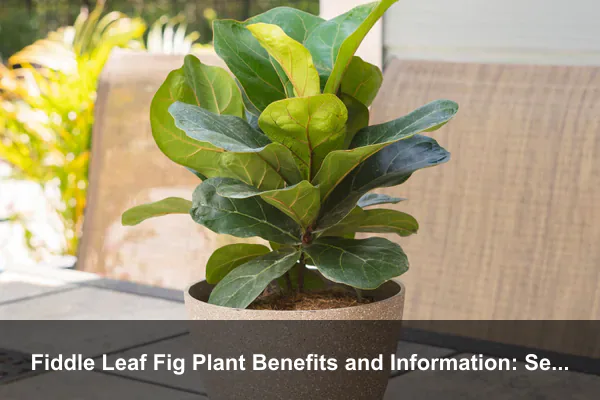
The Fiddle Leaf Fig is one of the most recognizable indoor plants because its large violin-shaped leaves instantly change the feeling of a room. It can make a plain corner look intentional, soften hard furniture lines, and bring a living focal point into apartments, offices, studios, and family spaces. Yet this plant is also famous for being sensitive when its light, water, or temperature changes too quickly.
This guide takes a fresh seasonal angle on Fiddle Leaf Fig plant benefits and information. Instead of treating care as one fixed routine, it explains how the plant responds to spring growth, summer heat, autumn transitions, and winter dormancy. That approach helps you enjoy the benefits of the plant while avoiding common problems such as leaf drop, brown edges, weak stems, and slow recovery after repotting.
Known botanically as Ficus lyrata, the Fiddle Leaf Fig is a tropical foliage plant native to parts of western Africa. Indoors, it is usually grown for structure, greenery, and atmosphere rather than flowers or edible value. With bright filtered light, careful watering, and stable placement, it can become a long-lasting houseplant that supports calmer, greener indoor living.
What Makes the Fiddle Leaf Fig Different?
The Fiddle Leaf Fig stands apart from many houseplants because of scale. A young plant may sit on a plant stand, but a mature indoor specimen can become almost tree-like. Its upright trunk, bold leaves, and sculptural silhouette give it more visual weight than trailing vines or compact tabletop plants.
Botanical Identity
The Fiddle Leaf Fig belongs to the fig and mulberry family, Moraceae. Its species name, lyrata, refers to the lyre-like outline of the leaves. Outdoors in suitable tropical climates, it can grow much larger than it does inside. Indoors, most plants remain manageable with pruning, rotation, and pot-size control.
The leaves are broad, leathery, and heavily veined. This leaf surface allows the plant to capture light efficiently, but it also collects dust. That is why leaf cleaning is not cosmetic only; it helps the plant use available light more effectively.
Why It Needs a Stable Routine
Many indoor problems happen because the plant is moved too often or watered according to a rigid calendar. A Fiddle Leaf Fig prefers consistency: steady light, moderate warmth, good drainage, and enough time for the potting mix to partially dry. Once you understand that rhythm, the plant becomes far less mysterious.
- Best light: bright indirect light, with gentle morning sun if acclimated.
- Watering style: deep watering followed by partial drying.
- Soil preference: airy, well-draining potting mix.
- Indoor challenge: sensitivity to sudden changes.
- Growth habit: upright, architectural, and slower in low light.
Key Benefits of a Fiddle Leaf Fig Plant
The most valuable Fiddle Leaf Fig plant benefits are practical, visual, and emotional. It is not a miracle air purifier or a medicinal plant, but it can make indoor spaces feel more alive, structured, and comfortable.
Strong Visual Impact
A healthy Fiddle Leaf Fig gives a room instant height. In small homes, this matters because vertical greenery can create the feeling of depth without using much floor area. In larger rooms, it can balance sofas, shelves, dining areas, and empty corners.
Its leaves also work with many interior styles. It can fit into minimalist rooms, warm natural interiors, modern apartments, creative studios, and bright workspaces. The plant looks formal enough for professional settings but relaxed enough for home life.
Support for Biophilic Living
Biophilic design is the idea that people often feel better when natural forms, daylight, and living materials are part of the built environment. A Fiddle Leaf Fig supports this because it brings large green surfaces, organic shape, and seasonal change into the room.
For many people, checking soil moisture, wiping leaves, and noticing new growth becomes a small grounding routine. These benefits are not the same as medical treatment, but they can support a more mindful home atmosphere.
Better Room Awareness
One underrated benefit is that the plant teaches you to read your indoor environment. If the leaves lean toward a window, the light may be one-sided. If soil stays wet for too long, the room may be cool, dim, or the pot may drain poorly. If leaves crisp at the edges, humidity, watering consistency, or airflow may need attention.
In this way, Fiddle Leaf Fig plant benefits and information are linked. The more you understand the plant, the better you understand the room that supports it.
Seasonal Care Calendar for a Thriving Fiddle Leaf Fig
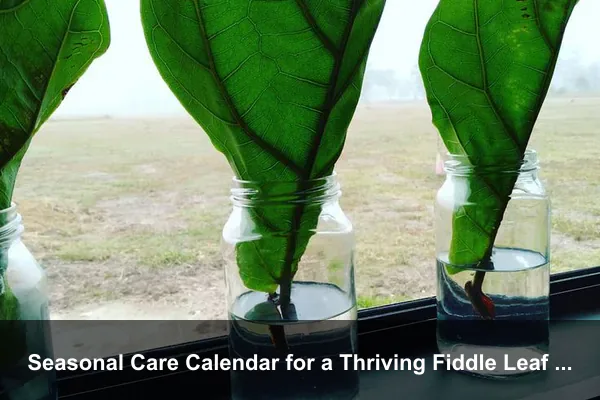
A seasonal care calendar is one of the best ways to keep this plant healthy. Indoor conditions change through the year even when the plant stays in the same spot. Day length, heating, air conditioning, humidity, and growth speed all affect its needs.
Spring: Restart Growth Gradually
Spring is the season when many Fiddle Leaf Figs begin active growth. New leaves may appear at the top or along pruned stems. This is the best time to refresh routines, but changes should still be gradual.
- Move the plant closer to brighter light only if it is done slowly.
- Begin light fertilizing when new growth is visible.
- Check whether roots are circling the pot or growing from drainage holes.
- Clean leaves to improve light absorption after dusty winter months.
- Prune only if the plant is healthy and actively growing.
Spring is also a good time to repot if the plant is root-bound. Choose a pot only slightly larger than the current one. An oversized pot can hold too much wet soil around the roots, which increases the risk of root rot.
Summer: Manage Heat and Fast Drying
In summer, light may be stronger and indoor air may dry faster because of heat or air conditioning. A Fiddle Leaf Fig may grow well during this period, but direct afternoon sun through glass can scorch leaves.
Check soil moisture more often rather than automatically watering more. In a bright warm room, the plant may need water sooner. In an air-conditioned room with lower light, it may still dry slowly. The goal is balance, not frequency for its own sake.
- Place the plant where it receives bright filtered light.
- Keep it away from strong cold air from vents.
- Water thoroughly when the upper layer of mix has dried.
- Rotate the pot slightly every week or two for balanced growth.
- Watch for spider mites, especially in dry indoor air.
Autumn: Ease Into Slower Growth
Autumn is a transition season. Days shorten, sunlight shifts, and growth may slow. This is when many owners accidentally overwater because they keep the same summer schedule even though the plant is using less water.
Reduce fertilizer, watch drying time, and avoid major styling moves unless necessary. If the plant was outdoors for summer in a protected area, bring it inside before nights become cool. Inspect leaves and soil carefully before returning it to the main indoor space.
Winter: Prioritize Stability
Winter is often the hardest season for Fiddle Leaf Figs indoors. Lower light, dry heated air, cold windows, and drafts can stress the plant. The main goal is not dramatic growth. The goal is keeping the plant stable until stronger light returns.
Water less often, but do not let the root ball become bone-dry for long periods. Keep the plant away from radiators, fireplaces, and exterior doors. If the room is very dim, consider a full-spectrum grow light used at a consistent distance.
Light, Water, Soil, and Pot Basics
Good care begins with the basics. Most Fiddle Leaf Fig problems can be traced back to light, water, soil structure, or pot drainage. These factors work together, so changing one often affects the others.
Light Requirements
A Fiddle Leaf Fig needs bright light to maintain strong leaves and upright growth. Near an east-facing window is often ideal because the plant receives gentle morning sun. A south or west window can also work if the light is filtered with a sheer curtain or the plant is placed back from intense afternoon rays.
Low light does not always kill the plant quickly, but it often leads to thin growth, leaning, slow drying soil, and weak new leaves. If your plant is several feet from a small window, it may survive but not thrive.
Watering Method
Watering should be based on soil condition, not a fixed weekly rule. Insert a finger, wooden skewer, or moisture meter into the mix. When the upper portion has dried and the pot feels lighter, water deeply until excess water drains out. Empty the saucer so the roots are not sitting in stagnant water.
Underwatering can cause drooping, crispy edges, and dry soil pulling away from the pot. Overwatering can cause yellowing, dark spots, soft stems, and root decline. Because the symptoms can overlap, always inspect the soil before deciding what the plant needs.
Soil and Potting Mix
The best mix is loose enough to drain but able to hold some moisture. A practical blend may include quality indoor potting soil with added perlite, bark fines, pumice, or coco chips. These materials create air pockets around roots and reduce the chance of soggy compaction.
Use a pot with drainage holes. Decorative cachepots are fine, but the nursery pot inside should be able to drain fully. If you love a closed decorative pot, treat it as an outer cover rather than the main growing container.
Common Seasonal Problems and What They Mean
A Fiddle Leaf Fig communicates through leaves. The challenge is that one symptom may have several causes. Reading the timing, recent changes, and soil condition gives a better diagnosis than guessing from leaf color alone.
Leaf Drop After Moving
Leaf drop often happens after purchase, relocation, repotting, or a major light change. The plant may be adjusting to a new environment. If the stems are firm and remaining leaves look healthy, give it stable conditions and avoid making more changes immediately.
Do not respond to every fallen leaf with extra water or fertilizer. Stress leaf drop is usually solved by consistency, not by adding more inputs.
Brown Spots
Brown spots can come from inconsistent watering, root problems, sunburn, pests, or mechanical damage. Crispy tan patches on the side facing intense sun may indicate scorch. Dark soft spots with yellow halos can suggest root stress or excess moisture.
- Check whether the pot drains freely.
- Smell the soil for sour or swampy odor.
- Inspect the underside of leaves for pests.
- Review whether the plant recently moved to stronger light.
- Remove only leaves that are badly damaged or diseased.
Weak or Leaning Growth
Leaning usually means the plant is reaching for light. Rotate the pot gradually and improve light exposure. If the stem is tall and unstable, use a discreet stake while the plant strengthens. Pruning may help branch growth, but only prune a healthy plant during active growth.
Dusty Leaves
Dust blocks light and dulls the plant’s natural finish. Wipe leaves with a soft damp cloth, supporting each leaf from below. Avoid heavy leaf shine products because they can clog the leaf surface and attract more dust.
Styling Ideas That Also Support Plant Health

Styling a Fiddle Leaf Fig should not fight against its care needs. The best display location is both attractive and functional: bright enough for growth, accessible for watering, and protected from harsh drafts.
Use the Plant as a Vertical Anchor
Place a taller Fiddle Leaf Fig near a seating area, reading corner, dining room window, or office backdrop where it adds height without blocking movement. It works especially well beside low furniture because the leaves rise above the visual line of the room.
Avoid squeezing the plant into a dark corner just because the space looks empty. If the location is too dim, the plant will slowly decline. A healthier approach is to choose the brightest suitable corner and style around the plant’s needs.
Choose Containers With Proportion
A container should visually balance the leaf canopy without overwhelming the roots. Heavy ceramic, fiberstone, or simple woven baskets can work well as outer covers. The inner growing pot should remain practical and drain properly.
For a clean look, keep the pot style simple. The Fiddle Leaf Fig already has strong leaf shape, so an overly busy container can compete with the plant rather than support it.
Pair With Complementary Plants
If you want a fuller indoor plant corner, pair the Fiddle Leaf Fig with plants that enjoy similar bright indirect light. Smaller plants can soften the base while the fig provides height. Choose companions with different leaf textures so the display feels layered rather than repetitive.
- A compact pothos or philodendron can trail from a shelf nearby.
- A calathea can add patterned foliage if humidity is adequate.
- A snake plant can create upright contrast in a drier corner.
- A small fern can soften the scene if the room is humid enough.
Safety, Buying Tips, and Sustainable Care
Responsible plant ownership includes safety and realistic expectations. The Fiddle Leaf Fig is beautiful, but it is not the right plant for every household or every room.
Pet and Child Safety
Fiddle Leaf Fig sap contains irritating compounds, including calcium oxalate crystals. If chewed, the plant may irritate the mouth, lips, tongue, or digestive system of pets and children. It can also irritate sensitive skin when pruning or handling broken stems.
Keep the plant out of reach of curious pets and small children. Wear gloves when pruning, and wash hands afterward. If a pet eats part of the plant and shows symptoms, contact a veterinarian for advice.
How to Buy a Healthy Plant
When buying a Fiddle Leaf Fig, look beyond height. A smaller healthy plant is often better than a tall stressed one. Check for firm stems, clean leaves, new growth, and a pot that is not waterlogged.
- Inspect leaf undersides for pests or sticky residue.
- Choose a plant with evenly spaced leaves and firm growth.
- Avoid plants with many black spots, mushy stems, or sour soil odor.
- Ask when the plant was last watered if buying from a local shop.
- Transport it carefully so leaves are not bent or exposed to cold air.
Low-Waste Care Habits
Low-waste care means keeping the plant healthy for longer instead of repeatedly replacing stressed plants. Use durable pots, refresh only part of the soil when appropriate, propagate pruned cuttings when possible, and avoid buying unnecessary sprays or gadgets.
Compost fallen leaves only if they are free from pests and local composting rules allow it. Reuse nursery pots for propagation or temporary plant care. These small choices make Fiddle Leaf Fig plant benefits and information more practical for everyday living.
Frequently Asked Questions
Is the Fiddle Leaf Fig good for beginners?
It can be suitable for careful beginners who have bright indoor light and are willing to check soil before watering. It is less forgiving than a pothos, snake plant, or ZZ plant, but it is manageable when its basic needs are met.
How often should I water a Fiddle Leaf Fig?
There is no universal schedule. In bright warm rooms, it may need water more often. In cool or dim rooms, it may take much longer to dry. Water when the upper portion of the potting mix has dried and the pot feels lighter.
Can a Fiddle Leaf Fig live in low light?
It may survive for a while in lower light, but it will usually grow slowly and become weaker. For long-term success, provide bright indirect light or use a suitable grow light if natural light is limited.
Should I mist the leaves?
Misting gives only temporary surface moisture and does not reliably raise humidity for long. If the air is very dry, improve humidity with grouped plants, a pebble tray that does not keep the pot sitting in water, or a clean humidifier used responsibly.
Why are new leaves smaller than old leaves?
Small new leaves often indicate reduced light, inconsistent watering, root stress, or low nutrients during active growth. Improve light first, then review watering and fertilizing. Avoid overfeeding a stressed plant.
Conclusion
The Fiddle Leaf Fig is valuable because it combines bold beauty with a living seasonal rhythm. Its benefits include strong indoor style, a calming connection to nature, better awareness of room conditions, and the satisfaction of caring for a long-lasting houseplant. The key is to treat it as a responsive tropical plant rather than a static decoration.
For the best results, give it bright indirect light, a draining pot, airy soil, careful watering, and seasonal adjustments. Clean the leaves, avoid sudden moves, protect it from drafts, and respect its safety limits around pets and children. With patience and observation, Fiddle Leaf Fig plant benefits and information become easy to apply in real homes, helping this statement plant stay healthy, balanced, and beautiful through the year.
