
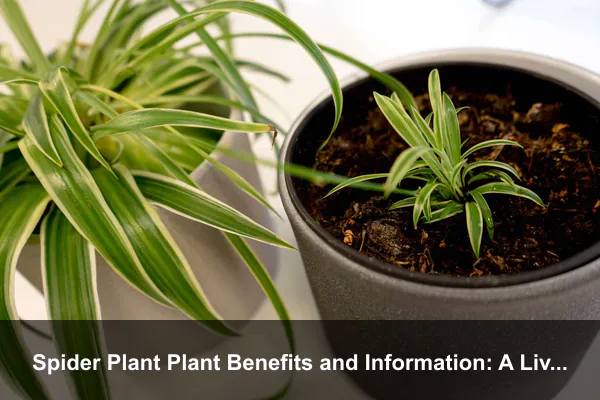
Spider plants are often recommended as beginner houseplants, but their real value goes beyond being easy to keep alive. For readers searching for Spider Plant plant benefits and information, the most useful way to understand this plant is as a living indoor indicator. Its leaves, roots, and baby plantlets respond quickly to light, water quality, temperature, and care consistency, making it one of the best plants for learning how a home environment affects plant health.
This guide focuses on a fresh angle: using the spider plant as a practical feedback plant for better indoor habits. Instead of treating it as a miracle air purifier or simple decoration, we will look at how Chlorophytum comosum can help you build a cleaner, calmer, more observant home routine. That approach fits the broader idea of plant benefits because the most reliable advantages come from daily interaction, visible growth, and simple care that encourages attention to your space.
What Makes the Spider Plant Useful Indoors
The spider plant, also called ribbon plant or airplane plant, is a clump-forming perennial with long, narrow leaves that arch outward from the center. Most indoor varieties have green leaves with white or cream striping, although solid green and curly varieties also exist. The plant is known for producing long stems that carry small white flowers and young plantlets, which look like miniature versions of the parent plant.
Its indoor usefulness comes from a combination of tolerance, fast feedback, and easy renewal. A spider plant can handle imperfect conditions better than many tropical foliage plants, but it still shows clear signals when something is off. Pale leaves may point to too much direct sun or weak nutrition. Limp foliage can indicate drought stress. Crispy tips often suggest inconsistent watering, dry air, fertilizer buildup, or minerals in tap water. These signs help owners adjust routines before the plant declines severely.
- Botanical name: Chlorophytum comosum
- Plant type: Evergreen perennial commonly grown as an indoor houseplant
- Best light: Bright indirect light, with tolerance for moderate indoor light
- Watering style: Let the top layer of soil dry before watering again
- Growth habit: Arching leaves with runners and plantlets when mature
- Safety note: Generally considered non-toxic to cats and dogs, but not intended as a pet snack
Because it grows quickly and recovers well, the spider plant is useful for people who want a houseplant that teaches them rather than punishes every small mistake. This is one reason it remains popular in homes, apartments, offices, classrooms, and small indoor gardens.
A Living Indicator Plant for Everyday Home Habits
A spider plant works well as a living indicator because it gives visible feedback without requiring advanced plant knowledge. You do not need special equipment to learn from it. By checking leaf color, leaf firmness, soil moisture, and plantlet growth once or twice a week, you can understand whether your indoor routine is supporting healthy growth.
Light Signals You Can Read
Healthy spider plant leaves should look firm, gently arching, and clearly patterned if the variety is variegated. If the white stripe fades and the plant looks dull, the plant may need brighter indirect light. If the leaves bleach, curl, or develop scorched patches, the plant may be receiving harsh direct sun, especially through a hot window. This makes spider plants helpful for learning the difference between bright indirect light and direct afternoon sun.
A practical test is to place the plant where it can see the sky but does not sit in intense sunbeams for long periods. East-facing windows, bright shelves near filtered light, and spots a few feet from a south or west-facing window often work well. Rotate the pot every week or two so the rosette grows evenly.
Water and Mineral Signals
Spider plants store some energy in thick, fleshy roots, which helps them tolerate short dry spells. However, they dislike sitting in soggy soil. If the leaves become limp and the pot feels light, the plant likely needs water. If the soil remains wet for many days and the plant looks dull or weak, drainage may be poor or the pot may be too large for the root system.
Leaf tips can also reveal water quality issues. Brown tips do not always mean the plant is dying. They may show that salts, fluoride, chlorine, or excess fertilizer have built up in the potting mix. If this happens often, water deeply so extra minerals drain from the pot, reduce fertilizer strength, or occasionally use rainwater, filtered water, or water that has rested overnight. The goal is not perfection, but a steady routine that keeps the root zone balanced.
Airflow, Humidity, and Room Stress
Spider plants tolerate average indoor humidity, yet they may look stressed near heating vents, air conditioners, or very dry corners. Leaves can become thin, brittle, or tip-burned when airflow is harsh and the soil dries too fast. Moving the plant a short distance away from forced air often improves its appearance. This makes the plant a useful reminder that indoor comfort is not only about light and water, but also about airflow patterns and seasonal room changes.
Practical Benefits Without Overclaiming
The best article about Spider Plant plant benefits and information should be honest about what the plant can and cannot do. Spider plants offer real indoor value, but they should not be promoted as a replacement for ventilation, cleaning, medical treatment, or air filtration. Their benefits are most reliable when they are connected to behavior: caring for the plant, noticing indoor conditions, and making small improvements to the home environment.
Indoor Freshness and Visual Comfort
Houseplants can contribute to a room that feels fresher and more inviting. Spider plants add movement, brightness, and natural texture without taking over the space. Their arching leaves soften hard furniture lines, while variegated foliage can brighten shelves, counters, and corners. In small rooms, this visual lightness matters. A plant that looks full but not heavy can make a space feel more cared for without creating clutter.
Controlled plant studies have shown that some houseplants can absorb certain airborne compounds under specific conditions. In real homes, however, air exchange, cleaning habits, building materials, and ventilation matter far more. A spider plant should be seen as a supportive green element, not a stand-alone air cleaning device. Open windows when appropriate, reduce indoor pollutants at the source, dust surfaces, and use proper ventilation for cooking, cleaning, and moisture control.
Focus, Routine, and Low-Pressure Care
One underrated benefit of the spider plant is that it encourages short moments of attention. Checking the leaves, feeling the soil, and trimming old foliage can become a simple reset between tasks. This is especially useful for people who work at a desk, study at home, or spend long periods indoors. The plant gives you a reason to look away from screens and notice something living.
Because the plant is forgiving, it supports confidence. A new grower can learn watering rhythm, light adjustment, propagation, and repotting on one plant. Each small success builds practical gardening skill. This educational benefit is not dramatic, but it is lasting.
Pet-Aware and Family-Friendly Value
Spider plants are widely regarded as a safer choice for homes with cats and dogs compared with many toxic foliage plants. Still, safer does not mean edible. Pets that chew large amounts of leaves may vomit or experience stomach upset. Place the plant where curious pets cannot repeatedly damage it, and offer pet-safe grass or enrichment if chewing becomes a habit.
For families, spider plants are also useful because they are easy to observe. Children can see new leaves emerge, roots fill a pot, and plantlets form on runners. These visible changes make the plant a gentle introduction to biology, responsibility, and patience.
How to Grow Spider Plant for the Best Benefits
The benefits of a spider plant depend on healthy growth. A stressed plant still has decorative value, but a thriving plant gives clearer feedback and produces stronger plantlets. The care routine should be simple, repeatable, and based on conditions in your home rather than a rigid calendar.
Choose Bright, Gentle Light
Place the plant in bright indirect light for the strongest leaf color and fuller growth. Morning sun is usually fine, but intense afternoon sun can scorch leaves, especially behind glass. If your space is dim, the plant may survive but grow more slowly and produce fewer plantlets. In very low light, variegated varieties can become less vibrant.
If the plant leans strongly toward the window, rotate it. If growth becomes sparse, move it closer to light. If the leaf edges look washed out or sunburned, move it back or add a sheer curtain. These small adjustments help the plant become a reliable light indicator.
Water by Soil Feel, Not by Date
Spider plants prefer evenly moist but not waterlogged soil. Insert a finger into the top inch of potting mix. If it feels dry, water thoroughly until water drains from the bottom. If it still feels damp, wait. This simple habit prevents the two most common problems: chronic underwatering and root suffocation from wet soil.
Use a pot with drainage holes. Empty saucers after watering so the roots do not sit in standing water. During warm, bright months, the plant may need water more often. During cooler or darker months, it will usually need less. The plant’s rhythm changes with the room.
Use Airy Soil and a Sensible Pot
A standard indoor potting mix works well if it drains freely. If your mix stays wet too long, add perlite, pumice, fine bark, or another aeration material. Spider plants like being somewhat snug, but they should not be trapped in a pot so crowded that water cannot move through the roots.
Repot when roots circle tightly around the pot, water runs straight through without moistening the mix, or growth stalls despite good light and watering. Choose a pot only one size larger. An oversized pot holds extra moisture and can create root problems.
Feed Lightly and Clean Regularly
Fertilize lightly during active growth, usually spring through early fall. A balanced houseplant fertilizer at half strength once a month is often enough. Too much fertilizer can cause tip burn and weak growth. If the plant is in low light or winter rest, skip feeding until growth resumes.
Dust leaves with a damp cloth or rinse the plant gently in a sink or shower. Clean leaves photosynthesize better and look brighter. Remove yellow, damaged, or exhausted leaves at the base with clean scissors. This keeps energy focused on new growth.
Plantlets, Propagation, and Shareable Indoor Value
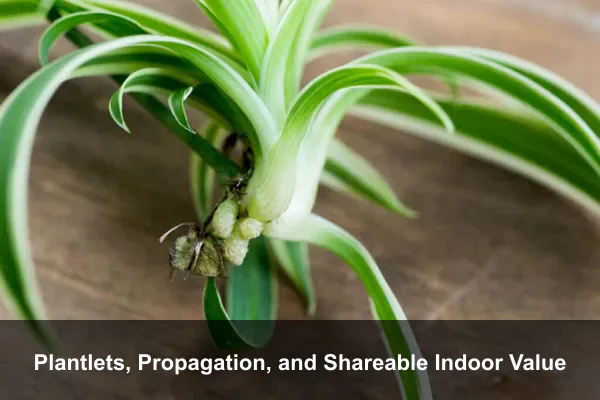
Spider plant plantlets are one of the plant’s most distinctive features. Mature plants send out runners that carry small white flowers and then baby plants. These plantlets are not only decorative; they turn one healthy plant into a small, renewable indoor garden. This makes the spider plant valuable for budget-friendly greenery, plant sharing, and learning propagation without complicated tools.
To propagate, wait until a plantlet has several small leaves and visible root bumps. You can root it while attached to the parent plant by placing the baby on moist potting mix in a small pot. Pin it gently with a bent paper clip or plant pin, then cut the runner once roots develop. You can also cut the plantlet first and place it directly in water or soil.
- Choose a healthy plantlet with firm leaves and visible root nodes.
- Prepare a small pot with moist, airy potting mix.
- Set the plantlet on the soil so the root base touches the surface.
- Keep the mix lightly moist, not soggy, while roots develop.
- Move the new plant into brighter indirect light once it begins growing.
This propagation cycle supports a low-cost, generous plant routine. Instead of buying many new plants, one spider plant can supply gifts, backups, and replacements. It also encourages sustainable habits because you learn to grow more from what you already have.
Seasonal Care and Problem-Solving
Spider plants are resilient, but they still respond to seasonal changes. In spring and summer, stronger light and warmer temperatures usually trigger faster growth. In fall and winter, growth slows. Watering should slow too. Many spider plant issues happen when owners keep a summer routine during a darker season.
Common Signals and What They Mean
- Brown tips: Check water quality, fertilizer strength, dry air, and inconsistent watering.
- Pale leaves: Move the plant to brighter indirect light or review feeding habits.
- Limp leaves: Feel the soil. The plant may be too dry, too wet, or rootbound.
- No plantlets: Improve light, avoid overpotting, and give the plant time to mature.
- Yellow lower leaves: Remove old leaves and check that the soil is not staying wet.
- Soft crown or bad smell: Inspect for rot caused by poor drainage or overwatering.
When to Repot or Divide
Repotting is useful when roots have filled the container and water no longer absorbs evenly. Division is another option for large, crowded plants. Remove the plant from the pot, separate the root mass into smaller clumps with leaves and roots attached, and replant them in fresh mix. Water gently and keep the divisions in bright indirect light while they recover.
Do not rush division just because the plant looks full. A slightly crowded spider plant can grow well and may produce more runners than a plant in a large pot. Repot only when the plant shows practical signs that it needs more room or fresher soil.
Placement Ideas Based on Habits, Not Just Decor
Rather than placing a spider plant only where it looks attractive, place it where it supports a useful habit. A plant near a kitchen window can remind you to check soil moisture while making coffee. A plant beside a work area can prompt brief screen breaks. A bright laundry area or utility shelf can become a practical plant care station if it has enough light.
Spider plants are excellent in hanging baskets, but they also work on shelves, plant stands, wide windowsills, and tall furniture. The key is to give the leaves enough room to arch naturally. Crowding the foliage against walls or objects can cause bent leaves and uneven growth. If using a hanging pot, make sure watering is still convenient. A beautiful placement that makes watering difficult often leads to neglect.
Small-Space Strategy
In apartments or compact homes, choose one strong spider plant rather than several weak plants squeezed into poor conditions. Let the foliage fill a bright vertical space. Use plantlets as seasonal accents or gifts, but avoid keeping every baby plant if space is limited. Healthy simplicity is better than overcrowded greenery.
Work and Study Areas
For desks and study corners, keep the plant slightly to the side so leaves do not interfere with screens, books, or equipment. The best benefit here is visual softness and routine, not constant attention. A weekly check, light rotation, and occasional pruning are enough to keep the plant useful and neat.
Buying, Sustainability, and Long-Term Value
A good spider plant should have firm leaves, a stable crown, and no sour smell from the soil. Avoid plants with mushy bases, severe pest damage, or soil that is soaked and compacted. A few brown tips are not a major concern, especially on older plants, but widespread yellowing and collapse may indicate root trouble.
For long-term value, choose the plant size that matches your space and care habits. A small starter plant is cheaper and adapts well, while a mature hanging plant provides instant fullness and may produce plantlets sooner. Variegated varieties are bright and popular, while curly forms offer extra texture. Solid green types can be especially vigorous.
- Buy from growers or shops that keep plants in clean, well-drained conditions.
- Check the undersides of leaves for pests before bringing the plant home.
- Quarantine new plants for one to two weeks if you already own houseplants.
- Reuse nursery pots as propagation containers when they are clean and have drainage.
- Share extra plantlets locally instead of letting overcrowded pots decline.
The sustainable value of a spider plant comes from its long life and easy renewal. With basic care, it can remain productive for years. Even if the parent plant becomes tired, plantlets can continue the line. This makes it a practical choice for people who want indoor greenery without constant replacement purchases.
Conclusion
The strongest lesson from Spider Plant plant benefits and information is that this plant is valuable because it connects beauty with observation. It brightens indoor spaces, supports beginner confidence, produces shareable plantlets, and offers clear signals about light, water, soil, and room conditions. Its benefits are realistic, everyday benefits rather than exaggerated promises.
Grow it in bright indirect light, water when the top soil dries, use airy potting mix, and respond to the plant’s visible cues. With that simple routine, the spider plant becomes more than a familiar houseplant. It becomes a living guide to healthier indoor habits, better plant care decisions, and a greener home that is easy to maintain.
