
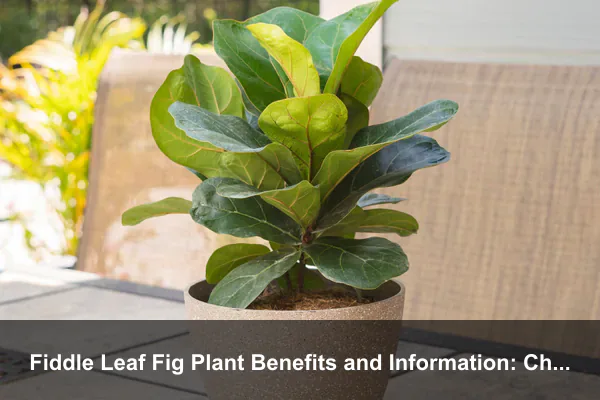
The Fiddle Leaf Fig is more than a fashionable indoor tree. With its broad violin-shaped leaves, upright growth, and strong architectural presence, it can change how a room feels without needing flowers, fragrance, or complicated styling. For many homes, it works as a living focal point: one plant that adds height, softness, and a sense of care to a bright indoor corner.
This guide takes a fresh angle on Fiddle Leaf Fig plant benefits and information by focusing on how to choose the right plant before you buy it, how to match it with your room, and how to keep it useful rather than stressful. Instead of treating every Fiddle Leaf Fig as the same, the goal is to help you select the right size, growth form, and care routine for your actual space.
Why the Fiddle Leaf Fig Still Earns Its Place Indoors

The Fiddle Leaf Fig, botanically known as Ficus lyrata, remains popular because it offers a rare combination of scale and simplicity. One healthy plant can fill an empty corner, soften hard furniture lines, and make a room feel more complete. Its leaves are large enough to be noticed from across the room, but the plant still feels clean and modern when placed in a simple pot.
Its benefits are mostly practical and visual. A Fiddle Leaf Fig can help create a calmer indoor atmosphere, support biophilic design, and encourage small care habits such as checking light, rotating the pot, and observing leaf health. Like many houseplants, it may contribute modestly to indoor comfort by adding greenery and leaf surface area, but it should not be presented as a medical air purifier. Its strongest value is as a long-lasting ornamental plant that makes bright indoor rooms feel more alive.
Basic Fiddle Leaf Fig Information
Botanical background
The Fiddle Leaf Fig is native to tropical regions of western Africa, where it can grow into a much larger tree outdoors. Indoors, it usually grows as a potted houseplant with a single trunk, multiple stems, or a branching tree form. Its large glossy leaves have a distinctive fiddle or violin shape, which explains the common name.
Quick plant profile
- Botanical name: Ficus lyrata
- Plant type: Tropical evergreen houseplant
- Best indoor light: Bright indirect light with some gentle direct morning sun
- Water needs: Moderate, with drying time between waterings
- Common indoor height: 3 to 8 feet depending on age, pot size, and pruning
- Pet safety: Toxic if chewed by cats, dogs, or people due to irritating sap
Choosing the Right Fiddle Leaf Fig Before You Buy
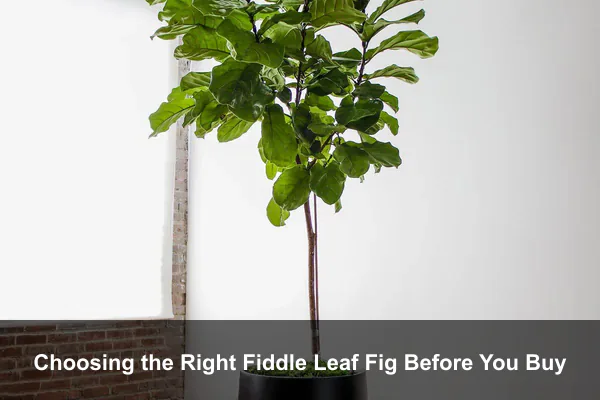
The most overlooked part of Fiddle Leaf Fig success happens before the plant enters your home. A healthy plant that fits your space is easier to maintain than an oversized plant bought only for visual impact. When shopping, look beyond height and choose based on structure, leaf condition, and where it will live.
Bush, standard, or branching tree
A bush form has several stems and a fuller look near the base. It works well beside a sofa, in a reading corner, or in a room that needs softness rather than height. A standard tree form has a clearer trunk and foliage near the top, making it useful where you want vertical drama without blocking floor space. A branching tree looks more mature and sculptural, but it often costs more and may need more careful rotation and pruning.
Match size to the room
A common mistake is buying the tallest Fiddle Leaf Fig available. In a small apartment, a 3 to 4 foot plant may look better and adapt more easily than a 7 foot specimen. For rooms with 8 foot ceilings, leave enough visual space above the leaves so the plant does not look compressed. In larger rooms, choose a plant that reaches roughly one-half to two-thirds of the wall height near it.
Check for healthy nursery signs
Choose a plant with firm leaves, even color, and no sour smell from the soil. Avoid plants with widespread brown patches, mushy stems, heavy leaf drop, or roots circling thickly above the soil. A few imperfect lower leaves are normal, but repeated spotting across the whole plant can signal stress.
Fiddle Leaf Fig Benefits for Everyday Rooms
Living rooms and open layouts
In living rooms, the Fiddle Leaf Fig acts like a natural anchor. It can balance tall shelves, frame a window, or fill a bare corner without adding clutter. Because its leaves are large and simple, it pairs well with wood, stone, linen, metal, and neutral walls.
Work corners and reading spots
For home offices or quiet corners, the plant offers a strong visual break from screens. Looking at greenery during short pauses can make a workspace feel less rigid. It is also a useful reminder to keep the room bright, ventilated, and organized enough for plant care.
Small homes and rentals
A Fiddle Leaf Fig can still work in a rental if you choose a manageable size and use a lightweight decorative cachepot. Instead of drilling shelves or adding permanent decor, one upright plant can create a polished effect that moves with you.
Care Basics That Keep the Plant Valuable
Light requirements
Bright indirect light is the main requirement. Place the plant near an east-facing window, a bright south or west window with filtered light, or a very bright room where shadows are visible during the day. Low light often leads to slow growth, weak stems, and leaf drop. Harsh afternoon sun through hot glass can scorch leaves, especially if the plant was grown in softer nursery light.
Watering rhythm
Water when the top few inches of soil feel dry, then water thoroughly until excess drains out. Do not let the pot sit in standing water. Overwatering is one of the fastest ways to damage roots, while extreme dryness can cause crispy edges and sudden leaf drop. The best routine depends on pot size, light, temperature, and soil mix rather than a fixed weekly schedule.
Soil and potting
Use a chunky, well-draining potting mix that holds some moisture but does not stay soggy. A pot with drainage holes is strongly recommended. If using a decorative outer pot, check that drained water is removed after watering. Repot only when needed, usually when roots are crowded, water runs through too quickly, or growth has slowed despite good care.
Leaf cleaning and rotation
Dusty leaves block light and make the plant look dull. Wipe leaves gently with a damp soft cloth. Rotate the plant a little every few weeks so growth stays balanced, especially if light comes strongly from one side.
Safety and Realistic Wellness Value
The Fiddle Leaf Fig is beautiful, but it is not edible and should be kept away from pets or children who may chew leaves. Its milky sap can irritate the mouth, skin, and digestive system. Wear gloves if pruning or handling broken stems, and wash your hands afterward.
For allergy-aware homes, the plant is often appreciated because it does not rely on showy pollen-heavy blooms indoors. Still, dust can collect on large leaves, so regular cleaning matters. The plant should be viewed as a supportive part of a healthier indoor environment, not a substitute for ventilation, cleaning, humidity control, or proper air filtration.
Common Mistakes New Owners Can Avoid
Many Fiddle Leaf Fig problems come from sudden changes rather than daily neglect. The plant prefers consistency, so big shifts in light, water, temperature, or placement can trigger stress.
- Moving it too often: Choose a bright location and let the plant adjust before making more changes.
- Watering by calendar only: Check the soil instead of assuming every week is the same.
- Ignoring drainage: A beautiful pot without drainage can hide root problems.
- Buying too large: Oversized plants are harder to move, water evenly, and acclimate.
- Expecting fast growth in low light: Strong foliage needs strong natural light.
How to Make a Fiddle Leaf Fig Fit Your Lifestyle
If you travel often, choose a smaller plant in a breathable potting mix rather than a large thirsty specimen. If you like structured interiors, choose a tree form with a clean trunk. If your home has children or pets, place the plant where it cannot be chewed or tipped. If you are a beginner, start with a compact plant and learn its watering rhythm before upgrading to a statement-sized tree.
The best Fiddle Leaf Fig is not always the biggest or most expensive one. It is the plant that fits your light, your floor space, and your willingness to observe small changes. When the room and routine are right, this houseplant becomes easier to enjoy for years.
Conclusion
Understanding Fiddle Leaf Fig plant benefits and information helps you treat this popular houseplant as a long-term design and care choice, not just a trend. Its main benefits include bold visual impact, indoor greenery, flexible styling, and a calming natural presence in bright rooms.
For the best results, choose the right size and form before buying, provide bright indirect light, water only when the soil is ready, and keep safety in mind around pets and children. With realistic expectations and steady care, the Fiddle Leaf Fig can become one of the most rewarding ornamental plants in the home.
