
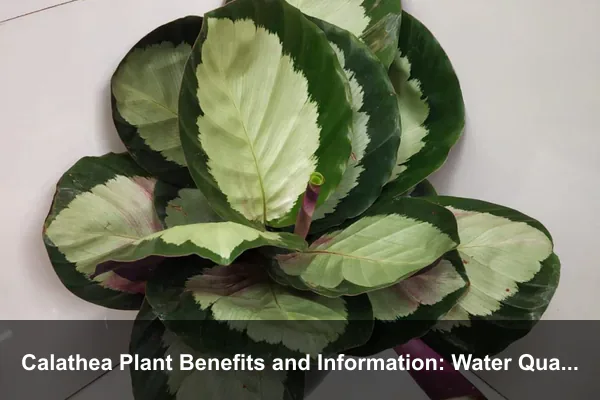
Calathea is often chosen because it looks like living artwork, but its real value goes beyond patterned leaves. This tropical foliage plant can help indoor gardeners notice details they might otherwise ignore: water quality, humidity changes, airflow, soil moisture, and the effect of bright indirect light. That makes a Calathea more than a decorative houseplant. It becomes a practical guide to the small indoor conditions that shape plant health.
This Calathea plant benefits and information guide takes a fresh angle by focusing on water-smart care and leaf signals. Many indoor plants tolerate occasional neglect, hard tap water, or uneven humidity, but Calathea reacts quickly. That sensitivity can feel intimidating at first, yet it also gives clear feedback. When you learn to read the leaves, you can build a calmer, cleaner, more consistent plant routine that supports both the plant and the room around it.
What a Calathea Plant Is and Why It Matters Indoors

Calathea refers to a group of tropical foliage plants known for bold patterns, soft leaf movement, and elegant indoor presence. Many plants sold as Calathea have been reclassified botanically as Goeppertia, but the name Calathea is still widely used in garden centers and houseplant care guides. They are part of the prayer plant family, which includes plants that may raise and lower their leaves between day and night.
In homes, Calathea is valued for visual texture rather than flowers. The leaves may show stripes, brush-like markings, silver tones, green bands, purple undersides, or rounded medallion shapes. This makes the plant useful for adding color and rhythm to a room without relying on blooms, fragrance, or large floor space.
Common Calathea Types
- Calathea orbifolia: large rounded leaves with soft silver-green bands.
- Calathea makoyana: often called peacock plant because of its feather-like markings.
- Calathea lancifolia: known as rattlesnake plant, with long wavy leaves and spotted patterns.
- Calathea roseopicta: includes medallion-style varieties with dramatic rounded foliage.
- Calathea ornata: recognized for narrow pinkish pinstripes on dark green leaves.
The best variety depends on your room size, light level, and care style. Larger leaves can show water stress faster, while narrower leaves may fit better on shelves, desks, and plant stands.
Key Calathea Plant Benefits for Indoor Living
The main benefits of Calathea are practical, visual, and behavioral. It does not need to be treated as a miracle air purifier or medicinal plant to be valuable. Its strongest benefits come from how it improves the feel of a space and encourages better indoor plant habits.
Visual Calm Without Strong Scent
Calathea offers color and pattern without strong fragrance. This is useful for people who enjoy indoor greenery but prefer a low-scent home environment. The plant creates a softer visual atmosphere in bedrooms, work corners, entry shelves, and reading areas without adding perfume-like aromas.
A Living Reminder to Improve Indoor Conditions
Because Calathea responds quickly to dry air, harsh sunlight, cold drafts, and mineral-heavy water, it encourages more thoughtful indoor care. Crispy edges, curling leaves, and fading patterns are not just problems; they are messages. A healthy Calathea can remind you to check watering habits, move plants away from vents, and notice how the room changes through the seasons.
Low-Mess Greenery for Smaller Homes
Calathea is usually grown for foliage, not heavy flowering or fruiting. This makes it a tidy indoor option for shelves, tables, corners, and compact rooms. It can add a lush look without dropping petals or requiring a large garden bed. For renters and apartment dwellers, that makes Calathea a useful plant for bringing nature indoors in a controlled way.
Water Quality Is the Hidden Calathea Care Factor
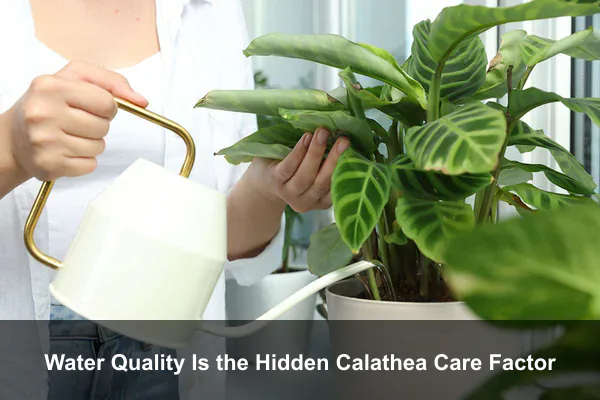
Water quality is one of the most important parts of Calathea care. Many common houseplants can adapt to ordinary tap water, but Calathea may show brown tips or dry margins when exposed to excess minerals, salts, or chemical residues. This does not mean every home must use expensive water. It means the plant rewards consistency and a little observation.
Why Brown Leaf Tips Often Appear
Brown tips may happen when the plant loses moisture faster than the roots can replace it, but they can also appear when salts build up in the potting mix. Hard water, overfertilizing, and poor drainage can all contribute. If the newest leaves open with brown edges, review both humidity and water quality before assuming the plant is failing.
Better Water Choices
- Filtered water: a practical everyday choice for many homes.
- Rainwater: useful where collection is clean and safe.
- Distilled water: helpful for sensitive plants, especially if tap water is very hard.
- Room-temperature water: gentler than very cold water on tropical roots.
Letting tap water sit overnight may reduce chlorine in some cases, but it does not reliably remove chloramine or dissolved minerals. If leaf edges keep crisping despite good humidity and proper watering, switching water sources for a month can reveal whether water quality is part of the issue.
How to Prevent Salt Buildup
Always use a pot with drainage holes. Water thoroughly until excess drains out, then empty the saucer. This flushes the root zone more effectively than giving tiny sips. If white crust appears on the soil surface or pot rim, it may indicate mineral buildup. Removing the top layer of soil and refreshing the mix can help, but long-term improvement comes from better water, lighter feeding, and reliable drainage.
Light, Humidity, and Airflow for Healthy Leaves
Calathea grows best in conditions that feel stable rather than extreme. The plant does not want hot direct sun, soggy soil, or stagnant air. It prefers bright filtered light, moderate to high humidity, and a warm room away from sudden drafts. These conditions are common in tropical forest understories, where light is softened by taller plants.
Bright Indirect Light
Place Calathea near an east-facing window, several feet from a brighter south or west window, or behind a sheer curtain. Direct afternoon sunlight can bleach patterns and scorch leaves. Too little light may slow growth and reduce the contrast of leaf markings. The goal is a bright room where the plant does not receive harsh sunbeams for long periods.
Humidity Without Overwatering
Humidity and soil moisture are different. A dry room can crisp leaf edges even when the soil is wet, while constantly wet soil can rot roots even in a humid room. A small humidifier, plant grouping, or naturally humid room can help. Misting gives only brief surface moisture and should not be treated as a complete humidity solution.
Gentle Air Movement
Good airflow reduces the chance of fungal issues and helps the soil dry at a reasonable pace. Avoid placing Calathea directly in front of air-conditioning vents, heaters, or cold drafty windows. Moving air should feel gentle, not sharp or drying.
Soil, Potting, and Sustainable Growing Choices
A healthy Calathea root system needs moisture and oxygen at the same time. Heavy soil that stays wet for too long can cause root rot, while a mix that dries too quickly can stress the leaves. The right potting mix balances water retention with drainage.
Best Soil Texture
A good Calathea mix may include quality indoor potting soil, coco coir or fine bark for moisture balance, and perlite or pumice for aeration. The finished mix should feel light, springy, and able to drain. If water sits on the surface for a long time, the mix may be too dense.
Pot Size and Repotting
Choose a pot only slightly larger than the root ball. Oversized pots hold too much wet soil around the roots, which increases the risk of rot. Repot when roots circle tightly, water runs through too quickly, or growth stalls during the active season. For many indoor Calathea plants, repotting every one to two years is enough.
Lower-Waste Care Choices
Sustainable Calathea care does not require buying many products. Reuse nursery pots inside decorative covers, refresh only part of the soil when appropriate, and avoid overfertilizing. A simple routine with good water, suitable light, and careful observation usually does more than a shelf full of plant treatments.
Reading Calathea Leaf Signals
One of the most useful pieces of Calathea plant benefits and information is learning how to interpret leaf changes. The plant communicates stress clearly, although one symptom can have more than one cause. Look at the whole pattern before making changes.
- Curling leaves: often linked to underwatering, low humidity, cold drafts, or sudden stress.
- Brown tips: may indicate low humidity, mineral-heavy water, fertilizer buildup, or inconsistent watering.
- Yellow leaves: commonly connected to overwatering, poor drainage, aging leaves, or root stress.
- Faded patterns: may come from too much direct sun or insufficient light over time.
- Drooping stems: can happen after drying out, after repotting, or when roots are too wet.
- Sticky residue or speckling: check for pests such as spider mites, scale, or mealybugs.
Change One Care Factor at a Time
When a Calathea declines, avoid changing everything at once. Move it, repot it, fertilize it, and change water all in the same week, and you will not know what helped or harmed it. Adjust one major factor, then watch new growth. Old damaged edges rarely turn green again, but new leaves can show whether the care routine is improving.
Simple Weekly Calathea Care Routine
A predictable care rhythm is better than reacting in panic. Calathea likes consistency, but that does not mean watering on a fixed calendar without checking the soil. Use the plant, pot weight, and soil texture together.
- Check soil moisture: water when the top layer begins to feel slightly dry, while the lower mix still has gentle moisture.
- Use suitable water: choose filtered, rain, or distilled water if your tap water causes crispy margins.
- Rotate the pot: turn the plant slightly each week for even growth.
- Inspect leaf undersides: pests often hide below the leaves before damage becomes obvious.
- Wipe dusty leaves: use a soft damp cloth so the plant can receive light properly.
- Review placement: make sure the plant is not too close to vents, heaters, or harsh sun.
During cooler months, growth may slow and the plant may need less water. During warm bright months, it may drink faster. Seasonal adjustment is part of good houseplant care.
Choosing a Calathea That Matches Your Lifestyle
The best Calathea is not always the rarest or most dramatic one. A plant that fits your light, schedule, and indoor climate will give better long-term results. Before buying, look for strong stems, unfurled new growth, clean leaf undersides, and soil that is moist but not sour-smelling.
For Beginners
Rattlesnake plant is often considered more forgiving than some broad-leaf types. It still appreciates humidity and good water, but its narrower leaves may handle normal indoor changes better than very thin, large-leaf varieties.
For Design Impact
Calathea orbifolia and medallion types create a stronger visual statement. They work well where their leaves have room to spread and where care conditions are stable. These varieties can show edge damage clearly, so they are best for owners willing to monitor water and humidity.
For Small Spaces
Compact Calathea varieties can sit on side tables, plant stands, or bright shelves. Keep leaves from pressing against cold glass or hot window frames. Even small plants need air around the foliage.
Safety and Realistic Wellness Value
Calathea is generally considered a pet-friendly houseplant compared with many common indoor plants, but it is still not grown as food. Pets and children should not be encouraged to chew leaves or dig in the soil. If a pet eats a large amount of any houseplant, contact a veterinarian for case-specific guidance.
Its wellness value is best understood realistically. Calathea can make a room feel calmer, greener, and more cared for. It can support a daily habit of observation and provide visual relief from hard surfaces and screens. However, no single houseplant should be treated as a replacement for ventilation, cleaning, medical care, or safe humidity control.
Conclusion
Calathea is a beautiful indoor plant, but its most useful benefit may be the way it teaches better plant awareness. By responding clearly to water quality, humidity, light, and soil conditions, it helps owners build a smarter care routine. Its patterned leaves bring visual richness to indoor spaces, while its sensitivity encourages consistency and patience.
For anyone researching Calathea plant benefits and information, the key is to see this plant as both decoration and feedback. Give it gentle light, mineral-conscious water, breathable soil, and steady indoor conditions. In return, Calathea offers a lush, low-mess, highly expressive form of greenery that can make everyday indoor living feel more connected to nature.
