
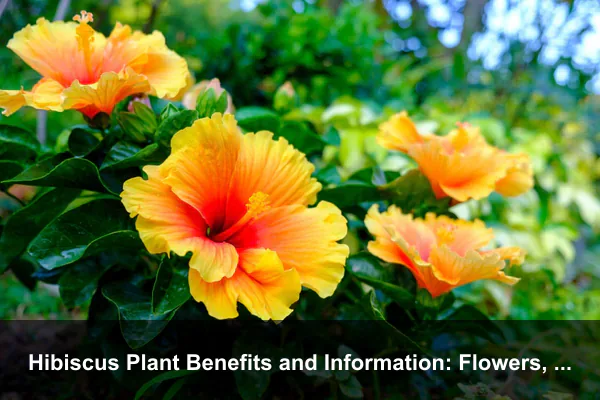
Hibiscus is one of those plants that earns attention from several directions at once. It can be a bold flowering shrub on a sunny patio, a tropical-looking garden accent, a living privacy screen, and, in the case of roselle, a useful edible plant grown for tart red calyces. That wide usefulness is what makes Hibiscus plant benefits and information such a rich topic for gardeners, herbal plant lovers, and anyone interested in practical plant benefits at home.
Unlike many ornamental houseplants, hibiscus is not mainly valued for foliage. Its power is in color, seasonal abundance, and plant parts that can move from the garden to the kitchen when the correct species is grown. This guide looks at hibiscus from a unique garden-to-cup angle: how to identify common types, what benefits are realistic, how roselle differs from tropical hibiscus, how to grow it well, and how to use hibiscus safely without turning a beautiful plant into an exaggerated cure-all.
What Is the Hibiscus Plant?
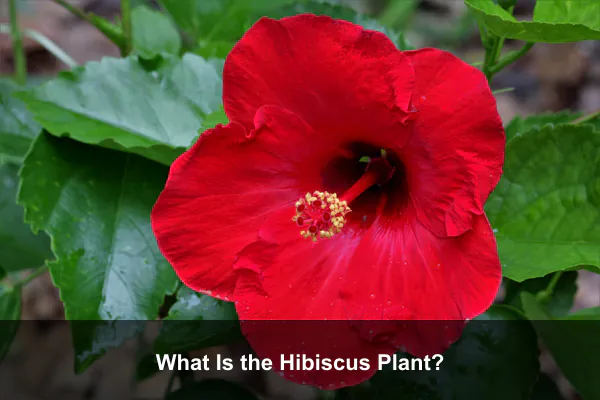
Hibiscus is a large genus in the mallow family, Malvaceae. It includes tropical shrubs, hardy perennials, annual crops, and landscape plants. Many people picture a large red, pink, yellow, or orange flower with a long central staminal column. That image is accurate for many ornamental hibiscus plants, but it does not tell the whole story.
The word hibiscus can refer to several different plants with different uses. Some are grown almost entirely for showy flowers. Others are valued for edible calyces, herbal tea, natural color, or fiber. For SEO and practical gardening, this distinction matters because the benefits of hibiscus depend heavily on the species.
Common Hibiscus Types
- Tropical hibiscus (Hibiscus rosa-sinensis): A glossy-leaved shrub with large, bright flowers. It is popular in containers, patios, and warm-climate gardens.
- Roselle (Hibiscus sabdariffa): The edible hibiscus most often used for tart red tea, syrups, jams, sauces, and refreshing drinks. The fleshy calyces are the main harvest.
- Hardy hibiscus (Hibiscus moscheutos and related hybrids): Cold-hardy perennials with very large flowers, often grown in garden borders.
- Rose of Sharon (Hibiscus syriacus): A woody shrub used in landscapes, hedges, and summer flowering gardens.
Why Species Identification Matters
When discussing hibiscus plant benefits, it is easy to mix up ornamental beauty with edible or herbal use. The hibiscus tea found in shops is usually made from Hibiscus sabdariffa, not from every hibiscus flower in the garden. If you want to grow hibiscus for tea or cooking, choose seeds or plants labeled roselle or Hibiscus sabdariffa from a reputable source.
If your goal is landscape color, tropical hibiscus or hardy hibiscus may be a better choice. If your goal is a useful garden crop, roselle is usually the most relevant plant. This simple distinction keeps the article accurate and helps readers avoid unsafe assumptions.
Hibiscus Plant Benefits for the Home Garden
The first and most reliable hibiscus benefit is ornamental value. Hibiscus flowers are dramatic, visible from a distance, and capable of changing the mood of a garden or balcony. Even a single container plant can create a tropical effect when placed near an entrance, terrace, or sunny seating area.
For readers interested in manfaat tanaman, hibiscus offers benefits that are both visual and functional. It is not just decorative. It can support outdoor design, seasonal color, pollinator activity, edible harvests, and a stronger connection between gardening and daily routines.
Visual and Landscape Benefits
- Bold flowering color: Hibiscus flowers come in red, pink, white, yellow, peach, orange, and multicolored forms.
- Container impact: Tropical hibiscus grows well in pots when given bright light, warmth, moisture, and regular feeding.
- Summer focal point: Large flowers make hibiscus useful near patios, gates, walkways, and garden seating areas.
- Seasonal screening: Larger shrubs such as rose of Sharon can soften fences and create informal privacy.
- Garden diversity: Hibiscus adds a different flower shape and tropical character compared with common bedding plants.
Benefits for Pollinator-Friendly Spaces
Open hibiscus flowers can attract pollinators such as bees, butterflies, and hummingbirds depending on the species, region, and flower form. Single flowers are generally more useful to pollinators than very doubled ornamental types because the reproductive parts are easier to access.
To make hibiscus more valuable in a pollinator garden, avoid routine pesticide spraying, grow a mix of flowering plants, and keep some blooms available across the season. Hibiscus should be one part of a diverse planting plan rather than the only pollinator resource.
Roselle Hibiscus: The Edible Plant Behind Hibiscus Tea
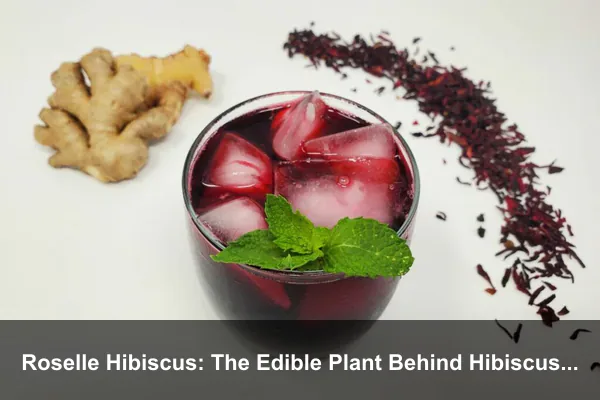
When people talk about hibiscus tea, they are usually talking about roselle. Roselle is grown for the swollen, fleshy red calyx that forms around the seed pod after the flower fades. This calyx is tart, colorful, and rich in plant compounds that give hibiscus drinks their deep red appearance.
Roselle is used around the world in beverages and foods. You may see it called sorrel, red sorrel, Florida cranberry, Jamaica sorrel, rosella, or flor de Jamaica. In many kitchens, dried roselle calyces are steeped like tea, simmered into syrup, cooked into jam, or blended into cold drinks.
What Part of Roselle Is Used?
The most common edible part is the calyx, not the showy petals. After the flower drops, the calyx enlarges around the seed capsule. Gardeners harvest it when it becomes plump, firm, and richly colored. The seed pod is usually removed before drying or cooking.
Roselle leaves are also used as a sour vegetable in some regional cuisines, but home growers should learn local food traditions and proper preparation before using unfamiliar plant parts. For most beginners, dried or fresh calyces are the easiest and most familiar starting point.
Kitchen Uses for Roselle
- Hot hibiscus infusion: Steep dried calyces in hot water for a tart, ruby-colored drink.
- Iced hibiscus tea: Brew stronger than usual, chill, and serve with citrus, ginger, mint, or a small amount of sweetener.
- Hibiscus syrup: Simmer calyces with water and sugar, then use the syrup in drinks, desserts, or fruit salads.
- Jams and jellies: Roselle has a cranberry-like tartness that works well in preserves.
- Natural color: The deep red infusion can add color to sauces, mocktails, and fermented drinks.
Wellness Benefits: What Hibiscus Can and Cannot Do
Hibiscus is often promoted for wellness, especially in the form of hibiscus tea. A helpful article should be clear: hibiscus can be part of a healthy lifestyle, but it should not be presented as a guaranteed treatment or replacement for medical care.
The most discussed research area is blood pressure. Some studies and reviews suggest that roselle preparations may help support lower blood pressure in some adults. However, results vary, and hibiscus can interact with health conditions and medications. Anyone with hypertension, kidney disease, liver concerns, pregnancy, breastfeeding, or prescription medication use should speak with a qualified healthcare professional before using hibiscus regularly for wellness purposes.
Practical Wellness Benefits
- Caffeine-free drink option: Hibiscus tea can replace sugary drinks or caffeine-heavy beverages for some people.
- Rich color from plant compounds: Roselle contains anthocyanin pigments that create its red color.
- Tart flavor without artificial additives: The natural sourness makes it useful in refreshing drinks.
- Hydration support: Unsweetened hibiscus tea can be part of daily fluid intake.
- Mindful garden use: Growing roselle encourages people to connect food, plants, and seasonal harvests.
A Simple Hibiscus Tea Method
- Add 1 to 2 teaspoons of dried roselle calyces to one cup of hot water.
- Steep for 5 to 10 minutes, depending on how strong and tart you like it.
- Strain before drinking.
- Serve plain, or add lemon, ginger, cinnamon, or a small amount of honey.
- For iced tea, brew double strength, chill, and dilute with cold water or ice.
This is a food-style preparation, not a medical dosage. Strong extracts, capsules, and concentrated supplements are different from a normal cup of tea and deserve more caution.
Safety Notes for Hibiscus Use
Hibiscus may not be suitable for everyone. Avoid using it as a self-treatment for high blood pressure or other conditions. Be careful if you take blood pressure medication, diabetes medication, diuretics, or other prescription drugs. Pregnant and breastfeeding people should avoid regular medicinal use unless advised by a clinician.
Also remember that edible use applies most clearly to roselle. Do not harvest random ornamental hibiscus flowers for tea unless you know the species, growing conditions, and pesticide history. Plants treated with ornamental pesticides should not be used as food.
How to Grow Hibiscus Successfully
Hibiscus rewards consistent care. It likes warmth, light, moisture, and nutrition, but it dislikes cold drafts, soggy soil, severe drying, and sudden changes. Many hibiscus problems happen when a plant is moved too quickly between indoor and outdoor conditions or when watering swings from drought to saturation.
Light Requirements
Most hibiscus plants bloom best in strong light. Tropical hibiscus usually needs several hours of direct sun or very bright light to flower well. Outdoors, it often performs best in full sun with some afternoon protection in very hot climates. Indoors, a sunny south or west window is helpful, but even then, flowering may slow if light is weak.
Roselle also needs a long, warm growing season and plenty of sun. If grown for calyx harvest, plant it where it can receive strong light and enough space to develop.
Soil and Watering
Hibiscus prefers fertile, well-drained soil that holds moisture without staying waterlogged. In containers, use a high-quality potting mix and a pot with drainage holes. Water deeply, then allow excess water to drain away. Do not let the pot sit in a saucer full of water.
For tropical hibiscus, soil should stay evenly moist during active growth. If the plant dries to the point of wilting, buds may drop. In cooler months or during slower growth, reduce watering slightly while still preventing complete root dryness.
Fertilizing for Flowers
Hibiscus is a relatively hungry plant during active growth. A balanced fertilizer or a flowering plant fertilizer can support strong leaves and repeated blooming. Follow the product label and avoid overfeeding, which can damage roots or push leafy growth at the expense of flowers.
Container plants often need more regular feeding than plants in garden beds because nutrients wash out through drainage. If leaves become pale and growth slows during the growing season, nutrition may be one factor to check.
Pruning and Shaping
Pruning keeps hibiscus compact, bushy, and easier to manage. Late winter or early spring is a common time to prune tropical hibiscus before stronger seasonal growth begins. Remove dead, weak, crossing, or overly long stems. Light pinching can encourage branching.
Heavy pruning may delay flowers because buds form on new growth, but it can restore shape to a leggy plant. For container hibiscus, pruning also helps maintain a size that fits balconies, patios, and overwintering spaces.
Growing Roselle for Harvest
Roselle deserves special attention because it turns hibiscus from a purely ornamental plant into a useful edible crop. It is best suited to warm climates or long summer seasons. In cooler regions, start seeds indoors early and transplant after all danger of frost has passed.
Planting and Spacing
Plant roselle in full sun and fertile, well-drained soil. Give each plant enough room because roselle can become a substantial shrub by late season. Crowding reduces airflow and makes harvesting harder.
Warmth is important. Roselle grows slowly in cool conditions and can be damaged by frost. Gardeners in short-season climates should choose the warmest available spot and consider black mulch, raised beds, or large containers to improve heat around the roots.
Harvesting Calyces
Harvest roselle calyces after the flower has faded and the calyx becomes enlarged and firm. Use clean scissors or pruners. Remove the seed capsule from the center before drying or cooking. Fresh calyces can be used right away, while dried calyces should be stored in an airtight container away from light and moisture.
Drying and Storage Tips
- Rinse calyces only if needed, then dry them thoroughly to prevent mold.
- Spread in a single layer with good airflow.
- Use a dehydrator on a low setting if your climate is humid.
- Store only when completely dry and brittle.
- Label the jar with the harvest date for freshness tracking.
Common Hibiscus Problems and Easy Fixes
Most hibiscus issues are caused by stress rather than mystery. Before reaching for sprays, check light, watering, temperature, drainage, and recent changes in location.
Yellow Leaves
Yellow leaves can come from overwatering, underwatering, nutrient shortage, cold drafts, root stress, or a sudden move. Look at the full pattern. A few older yellow leaves may be normal, but widespread yellowing means the plant is struggling.
Bud Drop
Bud drop is one of the most common hibiscus complaints. It can happen when the plant gets too dry, too wet, too cold, too hot, or too little light. Sudden changes in humidity or moving a plant from outdoors to indoors can also trigger it.
No Flowers
If hibiscus grows leaves but does not bloom, light is the first issue to check. Too much shade, too much nitrogen fertilizer, cold temperatures, or recent heavy pruning can delay flowering. Move container plants gradually into brighter light instead of shocking them with sudden full sun.
Pests
Aphids, spider mites, whiteflies, mealybugs, and scale can bother hibiscus. Inspect leaf undersides, stems, and new growth. A strong water spray, pruning of badly affected tips, insecticidal soap, or horticultural oil may help when used according to label directions. Avoid spraying open flowers when pollinators are active.
Hibiscus Safety for Homes, Pets, and Gardens
Responsible hibiscus use starts with knowing what plant you have. Rose of Sharon is listed by the ASPCA as non-toxic to dogs, cats, and horses, but that does not mean pets should freely eat hibiscus plants. Any plant material can cause stomach upset if eaten in quantity, and pesticide-treated plants are not safe snacks.
For edible use, grow roselle separately from ornamental plants and avoid chemical products not labeled for edible crops. If you buy a blooming hibiscus from a nursery as a decorative plant, assume it is ornamental unless the seller clearly states it was grown for food use.
Best Practices for Safe Hibiscus Use
- Identify the species before using any part of the plant.
- Use Hibiscus sabdariffa for tea and culinary calyces.
- Do not consume plants sprayed with ornamental pesticides.
- Keep concentrated extracts away from children and pets.
- Ask a healthcare professional before using hibiscus for blood pressure or other medical goals.
Quick Hibiscus Care Checklist
If you want a simple routine, use this checklist as a starting point and adjust it to your climate and plant type.
- Light: Provide full sun outdoors or the brightest possible indoor position.
- Water: Keep evenly moist during active growth, but never waterlog the roots.
- Soil: Use fertile, well-drained soil or potting mix.
- Feeding: Fertilize during the growing season according to label directions.
- Temperature: Protect tropical hibiscus and roselle from frost.
- Pruning: Shape in late winter or early spring to encourage bushy growth.
- Harvest: For roselle, collect enlarged calyces after flowers fade.
References and Further Reading
For readers who want to verify plant care and safety details, useful references include the University of Minnesota Extension hibiscus guide, Illinois Extension tropical hibiscus notes, NC State Extension information on roselle, the NCCIH discussion of complementary approaches for blood pressure, and the ASPCA hibiscus pet safety listing.
Conclusion
Hibiscus is more than a beautiful flower. It can be a colorful ornamental shrub, a patio focal point, a pollinator-friendly garden feature, and, when you grow roselle, a useful edible plant for tart teas and kitchen creations. The key is understanding which hibiscus you have and matching the plant to the benefit you want.
For the most accurate view of Hibiscus plant benefits and information, separate proven garden value from cautious wellness possibilities. Grow tropical hibiscus for dramatic blooms, choose hardy hibiscus for perennial flower power, and plant roselle if your goal is edible calyces. With bright light, warm conditions, steady watering, and responsible use, hibiscus can become one of the most rewarding flowering plants in a home garden.
