
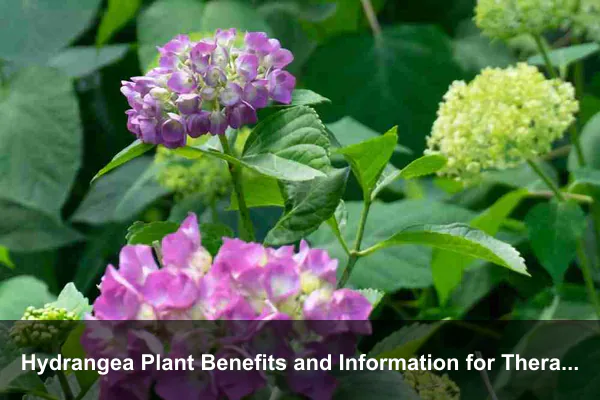
Hydrangeas are often admired for their generous flower heads, soft colors, and ability to make a shaded garden feel calm and finished. Yet the deeper value of this flowering shrub is not limited to decoration. When planned carefully, hydrangeas can support slower outdoor routines, gentle sensory engagement, and meaningful garden experiences for families, older adults, caregivers, and anyone who wants a peaceful place to reconnect with nature.
This guide takes a unique look at Hydrangea plant benefits and information through the lens of therapeutic memory gardens. Instead of focusing only on color changes, cut flowers, or basic landscape beauty, it explains how hydrangeas can help shape restful outdoor rooms, support observation-based gardening, create emotional anchors in the landscape, and provide low-fragrance seasonal interest. The goal is practical: to help you use hydrangeas as living, long-term plants that make a garden feel easier to notice, enjoy, and care for.
Hydrangea Plant Benefits for Therapeutic Garden Design
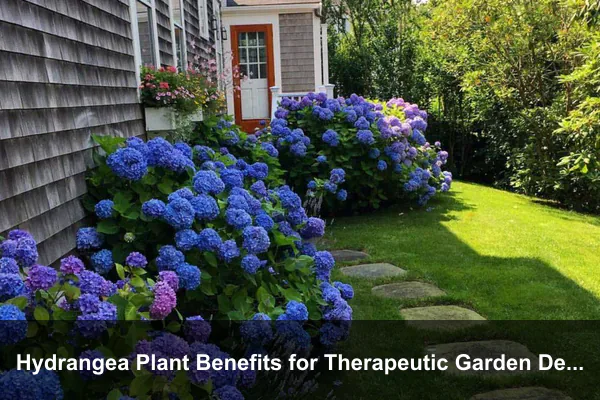
A therapeutic garden is not simply a pretty garden. It is a space designed to reduce stress, invite safe movement, encourage memory cues, and create gentle contact with plants. Hydrangeas fit this purpose because they offer strong visual presence without demanding intense interaction. Their rounded flower clusters, broad leaves, and steady shrub form make them easy to recognize from a distance, even for people who may have limited mobility, low vision, or reduced confidence outdoors.
One major benefit of hydrangeas in a therapeutic setting is their seasonal rhythm. Buds, fresh leaves, immature blooms, full flower heads, fading petals, and winter stems all provide visible change. This helps gardeners and visitors notice time passing in a calm and natural way. For people who enjoy routine, a hydrangea can become a familiar landmark: the shrub near the bench, the blue flowers by the gate, or the white panicles along the quiet path.
Hydrangeas also support a slower style of gardening. They do not need daily harvesting like many herbs, and they do not require constant replanting like short-lived annuals. Once established in the right site, they can become dependable garden companions for many years. This long-lived quality makes them especially useful in family gardens where memories, photos, celebrations, and seasonal rituals are connected to specific plants.
Why Hydrangeas Work Well in Calm Outdoor Spaces
Hydrangeas provide visual softness without creating a chaotic garden scene. Their leaves are large enough to read clearly, and their flowers form strong shapes that are easy to identify. In garden design, this matters because complicated textures and overly busy planting combinations can feel tiring. Hydrangeas offer enough beauty to hold attention, but not so much movement, scent, or sharp structure that the space feels overstimulating.
For a restorative garden, the best hydrangea placement is often near seating, along a slow walking route, beside a porch, or at the edge of a shaded courtyard. The plant becomes part of the daily view rather than a distant feature. This kind of placement supports the Indonesian idea behind manfaat tanaman: plants are valuable not only because they look beautiful, but because they improve the usefulness, comfort, and emotional quality of a living space.
Emotional and Memory-Based Benefits
Flowers can become memory triggers. A hydrangea planted for a birthday, a family gathering, a memorial corner, or a new home can carry meaning over time. Because hydrangeas return year after year, they can become living reminders of important people, seasons, and moments. This is especially helpful in gardens designed for older adults, where familiar shapes and repeated seasonal events can create comfort.
Unlike highly fragrant plants, hydrangeas are generally valued more for sight and touch than scent. This can be helpful for people who are sensitive to strong aromas. Their benefit is quiet and visual: a soft bloom to look at, a leaf to observe, a shrub to water, and a seasonal change to anticipate.
Essential Hydrangea Information for Choosing the Right Plant
Hydrangea is a genus of flowering shrubs and climbers, with several types commonly used in home gardens. Each type has a different growth habit, bloom shape, pruning need, and site preference. Understanding these differences is essential because the wrong hydrangea in the wrong place can lead to disappointing blooms, stressed leaves, or unnecessary maintenance.
For therapeutic and memory-focused gardens, the best hydrangea is not always the showiest one. The right choice is the variety that suits the climate, available space, caregiver schedule, and level of maintenance the garden can realistically support. A reliable shrub with fewer care problems is more valuable than a dramatic variety that constantly struggles.
Common Hydrangea Types
The following hydrangea groups are especially useful to understand before buying:
- Bigleaf hydrangea (Hydrangea macrophylla): Known for mophead or lacecap blooms. Flower color may shift in some varieties depending on soil chemistry and aluminum availability.
- Panicle hydrangea (Hydrangea paniculata): Often more sun-tolerant than bigleaf types and known for cone-shaped blooms. Many varieties age from white to pink or tan.
- Smooth hydrangea (Hydrangea arborescens): Includes popular white-flowering forms and can be useful in part shade. Many bloom on new wood, which simplifies pruning.
- Oakleaf hydrangea (Hydrangea quercifolia): Valued for oak-shaped leaves, peeling bark, cone-shaped flowers, and autumn foliage color.
- Climbing hydrangea (Hydrangea anomala subsp. petiolaris): A woody vine suitable for sturdy walls, fences, or large supports, though it can be slow to establish.
If the garden is intended for easy recognition and low confusion, choose one or two hydrangea types rather than planting many unrelated varieties. Repetition helps create a sense of order. For example, a row of smooth hydrangeas near a walkway can feel clearer and more restful than a mixed border full of competing forms.
Hydrangea Flower Forms and Their Practical Value
Hydrangea flowers are not all the same. Mophead hydrangeas have rounded, full flower clusters that are easy to see and photograph. Lacecap hydrangeas have flatter blooms with tiny fertile flowers in the center and showier sterile florets around the edge. Panicle hydrangeas have cone-shaped flower heads that often stand above the foliage. Oakleaf hydrangeas combine flower interest with distinctive leaves.
For a therapeutic garden, flower form affects the way people experience the plant. Large mopheads feel familiar and bold. Lacecaps invite closer observation. Panicles create a vertical, airy effect. Oakleaf hydrangeas add leaf texture and fall color, giving the plant value beyond the main bloom season.
Designing a Hydrangea Memory Garden That Feels Safe and Useful
A memory garden should be easy to move through, easy to understand, and pleasant to revisit. Hydrangeas can help create this structure when used as visual anchors. A visual anchor is a plant or feature that helps someone recognize where they are. Because hydrangeas have a strong shrub shape and noticeable flowers, they can mark corners, entrances, seating areas, or turning points along a path.
Start with the human experience before selecting plants. Ask where people will sit, how they will enter, what they will see from a window, and whether the path is wide and even enough for comfortable movement. Hydrangeas should support these needs, not block them. Avoid placing large shrubs where they will narrow paths, hide steps, or make a small garden feel closed in.
Good Places to Use Hydrangeas
Hydrangeas are especially helpful in these locations:
- Near a bench: A flowering shrub beside seating gives visitors something calm to notice without requiring movement.
- Along a curved path: Repeated hydrangeas can guide the eye and make the route feel intentional.
- Outside a window: A visible shrub can bring seasonal interest to people who spend more time indoors.
- At a garden entrance: A hydrangea can mark the transition from house to garden.
- Beside a quiet patio: The plant adds softness around hard surfaces without strong fragrance.
When designing for older adults or family members with mobility needs, keep the planting layout simple. Leave enough room for walking aids, wheelchairs, or garden stools. Hydrangeas should be admired easily without forcing people to step into soil or reach across a deep bed.
Creating Gentle Sensory Layers
A good sensory garden does not need to overwhelm every sense. Hydrangeas are useful because they contribute mostly through sight, seasonal change, and soft texture. Pair them with simple companion plants that add contrast without clutter. Ferns, hostas, ornamental grasses, heuchera, or low groundcovers can support the hydrangea without stealing attention.
Use restraint with fragrance. Strongly scented plants may be enjoyable for some people but uncomfortable for others. Since hydrangeas are not usually grown for heavy perfume, they help create a more fragrance-neutral garden. This is valuable in shared spaces, care homes, and family gardens where sensitivities vary.
Choosing Hydrangeas for Gentle Outdoor Rooms
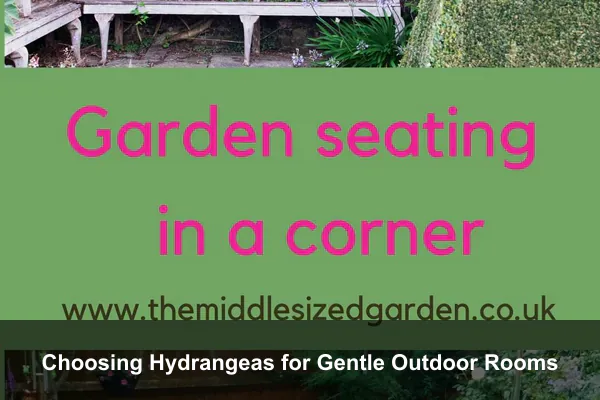
An outdoor room is a garden area that feels enclosed enough for comfort but open enough for easy movement. Hydrangeas are excellent for this role because they create soft boundaries. Their rounded forms can define a sitting area, frame a view, or make a patio feel connected to the landscape.
For a small therapeutic garden, avoid overplanting. One well-placed hydrangea can be more effective than five crowded shrubs. Consider mature size before planting. Some hydrangeas stay compact, while others can grow large and wide. A shrub that fits the space naturally will require less pruning and create fewer maintenance problems.
Color Without Visual Stress
Hydrangeas can offer blue, pink, purple, white, green, cream, or blush tones depending on type and variety. In a memory garden, color should feel clear and soothing. White hydrangeas can brighten shaded corners and are easy to see at dusk. Blue or soft purple flowers may create a cool, restful feeling. Pink and blush tones can feel warm near seating or family gathering areas.
Rather than using every available color, choose a simple palette. A garden with white hydrangeas, green foliage, gray stone, and a wooden bench may feel more peaceful than a space filled with many competing colors. The purpose is not to create a show garden, but to create a place where people feel comfortable returning.
Hydrangeas for Wayfinding
Wayfinding means helping people understand where they are and where to go next. In therapeutic landscapes, plants can support wayfinding by marking repeated points. For example, a white hydrangea near the back door, a blue hydrangea by the bench, and an oakleaf hydrangea near the path turn can help create a mental map.
Use hydrangeas with other simple cues such as handrails, path edges, clear gates, and consistent seating. Avoid confusing layouts where every corner looks the same. A hydrangea can be beautiful, but its greater benefit may be helping the garden feel legible.
Hydrangea Care for Low-Stress Long-Term Benefits
Hydrangeas are not difficult when their basic needs are respected, but they do become frustrating when planted in the wrong conditions. Low-stress care begins with site selection. Most hydrangeas prefer fertile, well-drained soil that stays evenly moist without becoming waterlogged. Many types appreciate morning sun and afternoon shade, especially in hot climates. Panicle hydrangeas may tolerate more sun if they receive enough moisture.
Good care is especially important in therapeutic gardens because the garden should reduce stress, not create constant repair work. Choose plants that match the caregiver’s available time. If the garden cannot be watered often during hot weather, select more resilient varieties, improve soil with organic matter, and use mulch to reduce evaporation.
Watering Hydrangeas Wisely
Hydrangeas have broad leaves that can wilt when heat and moisture stress combine. Some temporary afternoon wilting can happen even when the soil is not completely dry, but repeated severe wilting signals a problem. Check the soil before watering. If the top few centimeters are dry and the plant looks stressed in the morning, it likely needs deep watering.
For better results, water slowly at the base of the plant rather than splashing the leaves. Deep watering encourages stronger roots. Mulch with shredded bark, leaf mold, compost, or other organic material to keep soil cooler and more evenly moist. Keep mulch slightly away from the main stems to reduce rot risk.
Pruning Without Confusion
Pruning is one of the most misunderstood parts of hydrangea care. The key question is whether the hydrangea blooms on old wood, new wood, or both. Bigleaf hydrangeas often bloom on old wood, meaning flower buds may form on stems from the previous season. Cutting them hard at the wrong time can remove future blooms. Smooth and panicle hydrangeas often bloom on new wood, making late winter or early spring pruning more forgiving.
In a low-stress garden, keep pruning simple:
- Remove dead, damaged, or crossing stems first.
- Identify the hydrangea type before heavy pruning.
- Avoid cutting bigleaf hydrangeas to the ground unless you understand the variety.
- Prune panicle and smooth hydrangeas more confidently when dormant, if size control is needed.
- Use clean, sharp tools and make calm, selective cuts.
If pruning feels intimidating, choose compact varieties that require less shaping. A plant that naturally fits its space is easier to maintain and more likely to deliver long-term benefits.
Soil and Feeding Basics
Hydrangeas benefit from soil rich in organic matter. Compost can improve texture, moisture retention, and biological activity. Avoid excessive fertilizer, especially high-nitrogen feeding, because it can encourage leafy growth at the expense of flowers. A balanced, slow-release fertilizer in spring may be enough for many garden situations.
Soil pH can influence flower color in some bigleaf hydrangeas, but it is not the only factor. Aluminum availability, variety, and soil chemistry all matter. For a therapeutic garden, do not let color control become the main project unless the gardener enjoys that experiment. Healthy growth and reliable blooms are more important than forcing a specific shade.
Safety, Accessibility, and Responsible Use
Hydrangeas are ornamental plants and should not be treated as edible or medicinal garden plants. Parts of the plant may be harmful if ingested by people or pets. This does not mean hydrangeas should be avoided entirely, but it does mean they should be placed thoughtfully, especially in gardens used by young children, pets, or vulnerable adults.
In an accessible garden, safety includes more than plant toxicity. It also includes clear paths, stable surfaces, good visibility, comfortable seating, and easy access to water. Hydrangeas should not create tripping hazards, block lighting, or hide uneven ground. The plant’s beauty should support the garden’s function.
Pet and Child Awareness
If pets or children are likely to chew plants, place hydrangeas behind a low border, near supervised seating, or in a bed that is visually accessible but not constantly touched. Teach children that hydrangeas are for looking, watering, and observing, not for tasting. Use edible plants in a separate, clearly marked area if the garden also includes food gardening.
For households with curious pets, monitor behavior after planting. Some animals ignore shrubs completely, while others investigate new plants. If chewing becomes a pattern, use barriers or choose a safer location.
Tool and Maintenance Safety
Therapeutic gardening should be manageable. Store pruning tools safely, keep hoses from crossing walking paths, and use lightweight watering cans where possible. Raised beds or wide planting edges can help caregivers tend hydrangeas without awkward bending. If the hydrangea is part of a care setting, assign simple seasonal tasks rather than leaving maintenance unclear.
Hydrangea Benefits Beyond Beauty
The benefits of hydrangea plants are often described in visual terms, but their real garden value is broader. A hydrangea can soften harsh architecture, make a shaded corner feel intentional, support outdoor routines, provide seasonal observation, and create a sense of continuity in the landscape. These are practical benefits, especially in homes where the garden is used for rest, reflection, caregiving, or family connection.
Hydrangeas also help people become more observant gardeners. Their leaves show water stress clearly. Their buds reveal seasonal timing. Their blooms age visibly. Their response to light, heat, soil, and pruning teaches cause and effect. For beginners, this makes hydrangeas useful learning plants. For experienced gardeners, they offer a familiar shrub with enough complexity to stay interesting.
Observation Benefits for Beginners
A hydrangea can teach several gardening lessons in one plant:
- Moisture awareness: Leaves respond quickly to dry or hot conditions.
- Seasonal timing: Buds and blooms show the progress of the growing year.
- Pruning consequences: Bloom success often reflects correct timing and plant identification.
- Soil improvement: Mulch and compost visibly improve plant comfort over time.
- Microclimate understanding: The same hydrangea may perform differently in sun, shade, wind, or reflected heat.
These lessons are valuable because they build confidence. Instead of memorizing abstract rules, gardeners learn by watching a living plant respond.
Benefits for Shared Family Gardens
Hydrangeas are excellent plants for shared gardens because different family members can enjoy them in different ways. One person may care about bloom color, another may enjoy photography, another may like watering, and another may simply like sitting nearby. The plant does not demand that everyone garden in the same way.
Hydrangeas can also become part of family rituals. Taking a yearly photo beside the same shrub, checking for the first buds of spring, or gently removing spent blooms can turn ordinary plant care into meaningful routine. This is where ornamental gardening becomes more than decoration. It becomes a form of place-making.
Common Mistakes to Avoid When Growing Hydrangeas
Even though hydrangeas are popular, many disappointments come from a few repeated mistakes. Avoiding these problems helps the plant stay attractive and reduces the maintenance burden.
Planting in Harsh Afternoon Sun
Many hydrangeas struggle in intense afternoon sun, especially in hot climates. Leaves may scorch, flowers may fade quickly, and the plant may wilt often. Morning light with afternoon shade is often a better choice for bigleaf and many smooth hydrangeas. Panicle types may handle more sun, but they still need adequate moisture.
Pruning at the Wrong Time
Incorrect pruning can remove flower buds. Before cutting heavily, identify the hydrangea type. If you are unsure, remove only dead wood and wait until you can see where new growth appears. This conservative approach protects blooms and prevents unnecessary frustration.
Expecting Every Hydrangea to Change Color
Not all hydrangeas change from pink to blue or blue to pink. Color change is mainly associated with some bigleaf hydrangeas and depends on soil chemistry and aluminum availability. White hydrangeas generally do not become true blue or pink because of soil pH. Buy a hydrangea for its reliable qualities, not only for a color experiment.
Crowding the Plant
A small nursery pot can be misleading. Many hydrangeas mature into broad shrubs. Planting too close to paths, doors, foundations, or other shrubs creates future pruning problems. Always check mature width and leave breathing room.
How to Create a Simple Hydrangea Care Routine
A good care routine keeps the plant healthy without turning gardening into a complicated checklist. For most home gardens, hydrangea care can be organized by season.
Spring
In spring, inspect stems for winter damage, refresh mulch, apply compost, and watch for new buds. This is also a good time to plant new hydrangeas in many regions, as long as the soil is workable and the weather is not too hot. Water new plants regularly while roots establish.
Summer
Summer care focuses on moisture, heat protection, and observation. Water deeply during dry periods. Check plants in the morning to judge true stress. Remove weeds that compete for moisture. Enjoy blooms without constantly cutting or adjusting the plant.
Autumn
Autumn is a time to appreciate fading flowers, leaf color, and plant structure. In many gardens, old flower heads can remain for seasonal interest unless disease or heavy snow is a concern. Add compost or leaf mulch as needed, but avoid heavy late fertilizing that encourages tender growth before cold weather.
Winter
Winter care depends on climate and hydrangea type. Protect vulnerable bigleaf hydrangeas in colder areas if flower buds are likely to be damaged. Avoid unnecessary pruning until you know what type you are growing. Use winter as a planning season: review whether the plant has enough space, whether paths remain clear, and whether the garden still feels comfortable.
Conclusion: Hydrangeas as Meaningful, Useful Garden Companions
Hydrangeas are more than showy flowering shrubs. When used thoughtfully, they can support calmer outdoor spaces, memory-rich family gardens, accessible seating areas, and gentle seasonal routines. Their value comes from a combination of beauty, familiarity, structure, and long-term presence. That is why a deeper understanding of Hydrangea plant benefits and information can help gardeners move beyond decoration and design spaces that truly serve people.
For the best results, choose the right hydrangea type for your climate, light, space, and maintenance style. Plant it where people can enjoy it easily. Keep care simple with good soil, steady moisture, thoughtful pruning, and safe placement. In return, a hydrangea can become a living landmark: a plant that welcomes observation, holds memories, and makes the garden feel more peaceful year after year.
