
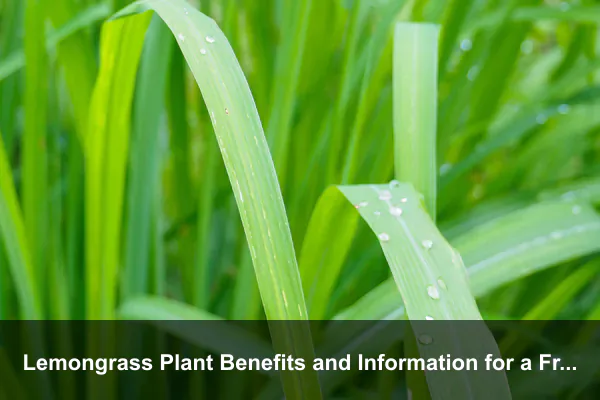
Lemongrass is one of those plants that earns its place twice: it looks clean and graceful in a pot or garden bed, and it gives the kitchen a bright lemon flavor without the sharp acidity of citrus. For readers looking for Lemongrass plant benefits and information, the most useful angle is not only what the plant can do, but how to grow it in a way that produces clean, flavorful leaves and stalks for everyday herbal drinks, soups, broths, and simple home routines.
Known botanically as Cymbopogon citratus, lemongrass is a tropical, clump-forming grass widely used in Southeast Asian cooking. In Indonesian kitchens it is often called sereh, valued for its fresh aroma in teas, spice pastes, soups, and simmered dishes. This guide focuses on lemongrass as a practical herbal tea garden plant: how it supports flavor, comfort, sustainable harvesting, safe use, and beginner-friendly growing without repeating the usual generic herb-care advice.
Why Lemongrass Belongs in a Home Herbal Tea Garden

A good herbal tea plant should be easy to harvest, pleasant in flavor, and productive enough that you are not stripping the plant bare every time you want a cup. Lemongrass fits that role well because both the leaves and the lower stalks carry its signature lemony aroma. The leaves are especially useful for tea, while the tender inner stalks are more common in cooking.
Botanical Identity and Flavor Profile
Lemongrass is a tender perennial grass in warm climates and a seasonal or container herb in colder regions. Its long, narrow leaves grow from a dense base, forming a fountain-like clump that can become quite full during warm months. The plant’s scent comes largely from aromatic compounds, especially citral, which gives lemongrass its clean lemon character.
The flavor is different from lemon juice. It is softer, greener, lightly floral, and less acidic. That makes it useful when you want brightness in food or drinks without adding sourness. In tea, lemongrass tastes refreshing on its own, but it also blends well with ginger, mint, basil, pandan, chamomile, or a small slice of citrus.
What the Benefits Really Mean
When people discuss lemongrass plant benefits, they often mix together culinary value, garden value, aroma value, and wellness traditions. The most responsible way to understand the plant is to separate these benefits. Lemongrass can make food more fragrant, help gardeners produce a useful home herb, create a calming sensory experience through scent, and support low-waste kitchen routines. It should not be treated as a guaranteed cure for medical conditions.
That realistic view makes lemongrass more useful, not less. Instead of relying on exaggerated claims, you can use the plant consistently as a flavorful, caffeine-free ingredient and as a productive green feature in a sunny space.
Practical Lemongrass Benefits for Daily Home Use
The best benefits of lemongrass are practical. It is easy to understand, easy to smell, and easy to use in small daily ways. A single healthy plant can support drinks, cooking, garden texture, and seasonal harvesting.
A Caffeine-Free Herbal Drink Ingredient
Lemongrass tea is one of the simplest ways to use the plant. Fresh leaves can be cut, rinsed, bruised lightly, and steeped in hot water. Dried leaves can also be stored for later, which is helpful if you grow lemongrass outdoors only during warm months. The result is a light, aromatic drink that works in the morning, after meals, or as an evening alternative to caffeinated tea.
- Fresh tea: Use clean, young leaves for a bright green-lemon aroma.
- Dried tea: Dry thin leaf sections thoroughly and store them away from light and moisture.
- Blended tea: Pair lemongrass with ginger for warmth, mint for coolness, or chamomile for a softer floral cup.
- Iced tea: Steep stronger than usual, chill, and serve with a little honey or lime if desired.
Flavor Without Heavy Salt or Sugar
Lemongrass is valuable in the kitchen because aroma changes how food feels. A broth with lemongrass can taste brighter and more layered without needing much salt. A simple rice dish, soup, curry, or vegetable stock can gain a fresh herbal note from crushed stalks. The fibrous outer parts are usually removed before eating, much like bay leaves, while the tender inner core can be finely sliced or pounded into pastes.
This makes lemongrass useful for home cooks who want more flavor from plants. It supports lighter meals, aromatic cooking, and a more intentional use of herbs in everyday food.
A Sensory Plant for Small Outdoor Spaces
Lemongrass also offers visual and sensory value. The upright leaves move easily in the wind, the clump shape looks tidy when maintained, and the scent is released when leaves are touched or cut. On a balcony, patio, or sunny doorstep, it can function as both a useful herb and a soft green screen.
Unlike many culinary herbs that look sparse after frequent harvests, lemongrass can stay attractive if you cut selectively. This is one reason it works well for beginner gardeners who want a plant that is productive but still decorative.
How to Grow Lemongrass for Clean, Flavorful Harvests
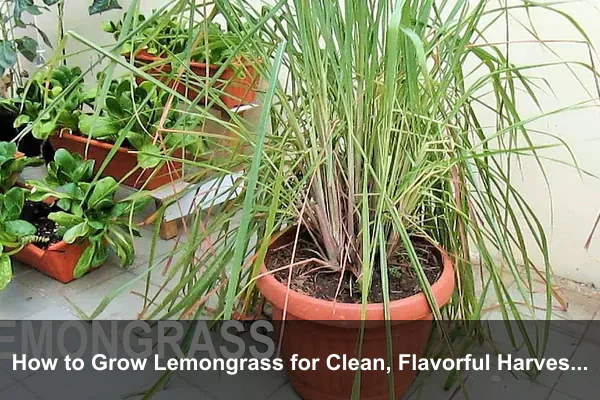
Growing lemongrass well is mostly about warmth, sun, drainage, and steady moisture. It is not a difficult plant, but it is not a low-light indoor herb. For the best leaf quality, treat it like a tropical grass that wants active growth.
Light and Temperature
Lemongrass grows best in full sun. Outdoors, aim for at least six hours of direct light. In very hot climates, it can tolerate light afternoon shade, especially in containers that dry quickly. In cold climates, lemongrass is usually grown as an annual or kept in a pot that can be moved to a protected bright location before frost.
If you are growing indoors for winter survival, manage expectations. The plant may slow down and look less lush because indoor light is weaker. The goal during winter is often to keep the clump alive, not to force heavy harvests.
Soil, Pot, and Drainage
Lemongrass likes moisture, but it dislikes stagnant roots. Use a container with drainage holes and a good-quality potting mix. A pot that is too small will dry out quickly and restrict the clump. A wider container gives the base room to expand and makes the plant easier to manage through the season.
For garden beds, choose soil that drains well but does not become dusty and dry. Adding compost helps improve structure. Mulch can reduce moisture swings, but keep it slightly away from the crown so the base does not stay wet and crowded.
Watering and Feeding
Water deeply when the top layer of soil begins to dry. Container plants may need water more often during hot weather, while in-ground plants usually need less frequent watering once established. If leaves fold, brown at the tips, or look dull during heat, check soil moisture first.
Because lemongrass produces a lot of leafy growth, it benefits from moderate feeding during the active growing season. A balanced liquid fertilizer or compost-based feeding routine can help. Avoid overfeeding late in the season if the plant is about to be moved indoors, because soft growth is harder to maintain in low light.
Harvesting Leaves and Stalks Without Weakening the Plant
Good harvesting is what turns lemongrass from a decorative grass into a reliable home herb. The key is to take what you need while leaving enough green growth for the plant to keep producing energy.
Leaves for Tea
For tea, cut healthy outer leaves near the base with clean scissors. Choose leaves that are green, fragrant, and free from disease or heavy browning. Rinse them well, then cut them into shorter pieces to make steeping easier. Bruising the leaves lightly before steeping helps release aroma.
A simple fresh infusion can be made by steeping a small handful of cut leaves in hot water for several minutes. Adjust strength by changing the amount of leaves, not by boiling aggressively for too long. Long boiling can push the flavor from fresh and lemony toward grassy and flat.
Stalks for Cooking
For cooking, harvest a thicker stalk from the outside of the clump. Pull or cut close to the base, then peel away tough outer layers until you reach the pale, tender inner portion. This inner section can be bruised for soups or finely minced for spice blends.
Do not remove the entire center of a young plant. Let the clump gain size before taking regular stalk harvests. A mature, vigorous plant can handle more frequent cutting than a newly rooted grocery-store stalk or small nursery pot.
Drying for Later Use
Drying lemongrass is a smart way to keep a seasonal harvest useful. Cut leaves into small sections, spread them in a single layer, and dry them in a clean, airy place away from direct harsh sun. They are ready to store when they feel crisp and no moisture remains in the thicker pieces.
- Harvest clean leaves in the morning after dew has dried.
- Rinse only if needed, then dry the surface completely before dehydrating.
- Cut leaves into short pieces for faster, more even drying.
- Store in an airtight jar away from heat, light, and humidity.
- Label the jar with the drying date and use older batches first.
Safe and Sensible Lemongrass Use
Lemongrass is widely used as a culinary herb, but safe use still matters. Food amounts are different from concentrated extracts, supplements, or essential oils. A homemade tea or a stalk in soup is not the same as taking a high-dose product.
Use Food Amounts First
For most home users, the safest approach is to enjoy lemongrass as food: tea, broth, curries, marinades, and aromatic simmering. Start with small amounts if you are new to it. If it causes discomfort or an allergic-type reaction, stop using it.
People who are pregnant, breastfeeding, managing a medical condition, or taking regular medication should ask a qualified health professional before using concentrated herbal products. This is especially important with supplements, strong extracts, or essential oils.
Be Careful With Essential Oil
Lemongrass essential oil is highly concentrated and should not be treated like tea. Do not drink essential oil unless directed by a qualified professional using an appropriate product and dose. Do not apply it undiluted to skin, and keep it away from eyes, children, and pets. Diffusing strong oils in closed rooms can also bother sensitive people.
For most households, the fresh plant is the better choice. It offers aroma and flavor in a gentler, more controllable form.
Do Not Rely on Lemongrass as Medical Treatment
Traditional uses are part of lemongrass history, but an SEO article about plant benefits should not turn tradition into a medical promise. Lemongrass tea may feel soothing because it is warm, aromatic, and caffeine-free, but it should not replace diagnosis, treatment, or professional care.
Common Lemongrass Problems and Simple Fixes
Lemongrass problems are usually linked to light, water, temperature, or crowding. Reading the plant helps you fix issues before the clump declines.
- Brown leaf tips: Often caused by dry soil, hot wind, low humidity, or old leaves. Trim damaged tips and review watering.
- Pale weak growth: Usually a sign of insufficient light or low nutrients during active growth.
- Rotting base: Often linked to poor drainage, overwatering, or a pot without enough holes.
- Slow growth: Common in cool weather. Lemongrass grows fastest when conditions are warm and bright.
- Crowded clump: Divide mature plants when the base becomes packed and harvest quality drops.
If you are overwintering a pot indoors, remove dead leaves, reduce fertilizer, and water only when needed. The plant may not look perfect by spring, but a living crown can recover quickly once warmth and sunlight return.
A Simple Lemongrass Tea Garden Plan
A lemongrass tea garden does not need to be large. One generous pot of lemongrass can anchor a small herbal drink corner with a few companion herbs. The goal is not to grow every possible tea plant, but to build a useful set of flavors that you will actually harvest.
Good Flavor Companions
Choose plants with similar light needs where possible, but keep aggressive spreaders in their own containers. Mint, for example, is useful with lemongrass but should not be allowed to run freely through a small bed.
- Ginger: Adds warmth and depth to lemongrass tea.
- Mint: Adds coolness, especially for iced herbal drinks.
- Holy basil or sweet basil: Adds a soft herbal note for fresh infusions.
- Pandan: Complements lemongrass in Southeast Asian-style drinks and desserts.
- Chamomile: Adds a gentle floral quality to evening blends.
Weekly Harvest Rhythm
A practical rhythm keeps the plant healthy. Harvest lightly during the week for fresh tea, then do a larger trim only when the plant is actively growing. Save clean trimmings for drying, and compost any tough or damaged leaves that are not suitable for the kitchen.
This routine supports low-waste gardening. Instead of buying bundled herbs that wilt in the refrigerator, you cut what you need. Instead of letting overgrown leaves become messy, you turn them into dried tea material or compost.
Helpful Research-Based References
For readers who want more research-based lemongrass plant benefits and information, extension resources are useful because they focus on practical growing and safe home gardening. The Illinois Extension lemon grass guide explains container growing, harvesting, and culinary use. The UGA Extension herbal tea plants guide discusses lemongrass as a tea and culinary plant for warm conditions. The Penn State Extension lemon-scented herbs article adds context on lemon-scented garden herbs. For broader herb and supplement caution, the NCCIH guide to dietary supplements is a helpful safety reference.
Conclusion
Lemongrass is more than a fragrant grass at the edge of a garden. It is a productive herbal plant that can support fresh tea, aromatic cooking, small-space greenery, and low-waste harvesting when grown with enough sun, warmth, water, and drainage. Its benefits are strongest when you treat it as a practical food and garden plant rather than a miracle remedy.
For anyone building a useful herbal corner at home, lemongrass is a smart anchor plant. Start with one healthy clump, harvest leaves thoughtfully, dry extra growth for later, and use the tender stalks to bring clean lemon aroma into everyday meals. That is the real value behind Lemongrass plant benefits and information: a plant that is simple, generous, and genuinely useful when handled with care.
