
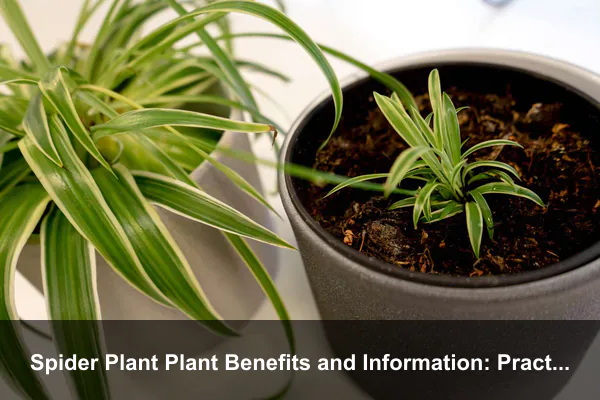
Spider Plant plant benefits and information are especially useful for anyone who wants a forgiving, attractive houseplant that brings visible greenery without demanding expert-level care. Known botanically as Chlorophytum comosum, the Spider Plant is loved for its arching striped leaves, adaptable growth habit, and cheerful baby offshoots that make the plant feel lively in almost any indoor setting.
This guide takes a practical, non-hyped look at the Spider Plant’s real benefits, plant information, care needs, and safe home use. Instead of treating it as a miracle air purifier or only a decorative plant, it explains how Spider Plants support everyday indoor comfort through easy maintenance, visual calm, beginner-friendly growth, and long-term value.
What Makes the Spider Plant Special?
The Spider Plant is a clump-forming tropical perennial with long, narrow leaves that often display green and creamy-white striping. Its most recognizable feature is the production of thin stems called stolons, which carry small plantlets that look like miniature versions of the parent plant.
Unlike many dramatic indoor plants, Spider Plants do not rely on rare foliage, expensive care products, or perfect growing conditions. Their appeal comes from reliability. They can grow in hanging baskets, shelf planters, tabletop pots, and bright window corners. This makes them useful for apartments, offices, family homes, and beginner plant collections.
Basic Spider Plant Information
- Botanical name: Chlorophytum comosum
- Common names: Spider Plant, airplane plant, ribbon plant
- Plant type: Evergreen perennial grown commonly as a houseplant
- Light preference: Bright indirect light, with tolerance for medium light
- Watering style: Moderate watering after the top layer of soil begins to dry
- Soil preference: Light, well-draining potting mix
- Pet safety: Generally considered non-toxic to cats and dogs, though chewing can still cause mild stomach upset
Key Spider Plant Benefits for Indoor Living
The most useful Spider Plant benefits are practical. It can soften indoor spaces, introduce living texture, provide an easy care routine, and help beginners build confidence. For the niche of manfaat tanaman, or plant benefits, the Spider Plant is a good example of a houseplant whose value comes from steady daily presence rather than exaggerated claims.
1. Adds Gentle Greenery Without Visual Clutter
Spider Plants have a light, flowing shape. Their leaves arch outward instead of growing as a dense block, so they can make a room feel fresher without dominating the space. This is useful in small rooms where large plants may feel heavy or crowded.
2. Supports a Calmer Indoor Atmosphere
Many people experience plants as calming because they add natural color, organic shapes, and a small routine of care. A Spider Plant does this especially well because it is not fussy. The owner can enjoy greenery without constant worry about humidity, rare soil blends, or sudden decline.
3. Helps Beginners Learn Plant Care
Spider Plants give visible feedback. Pale leaves, dry tips, limp growth, or slow plantlet production can all point to light, water, or mineral issues. Because the plant is resilient, beginners can learn from these signals without losing the plant quickly.
4. Offers Long-Term Value Through Propagation
One healthy parent plant can produce many plantlets over time. These baby plants can be rooted and grown into new pots, making the Spider Plant cost-effective for people who want more greenery without repeatedly buying new plants.
5. Fits Many Interior Styles
The plant’s striped leaves look clean and adaptable. It can suit minimalist rooms, tropical interiors, vintage plant shelves, bright kitchens, casual workspaces, and family rooms. A simple ceramic pot creates a polished look, while a hanging basket highlights its cascading form.
Realistic Air Quality and Wellness Value
Spider Plants are often mentioned in conversations about indoor air. While plants can interact with their environment, a single houseplant should not be treated as a replacement for ventilation, cleaning, or proper air filtration. The realistic value of a Spider Plant is that it contributes to a healthier-feeling home as part of a broader indoor routine.
For example, a Spider Plant can encourage people to open curtains for natural light, check humidity, reduce clutter around windows, and maintain a more intentional living area. These habits can improve the comfort of a room even when the plant itself is not performing dramatic air-cleaning work.
Best Ways to Use Spider Plants for Indoor Comfort
- Place them where you see them daily, such as near a desk, reading chair, or kitchen shelf.
- Keep leaves dust-free by gently wiping or rinsing them when needed.
- Pair plant care with regular room ventilation.
- Avoid crowding too many plants into poorly ventilated corners.
- Use the plant as a visual cue for a slower, more mindful home routine.
Spider Plant Care: Light, Water, Soil, and Feeding
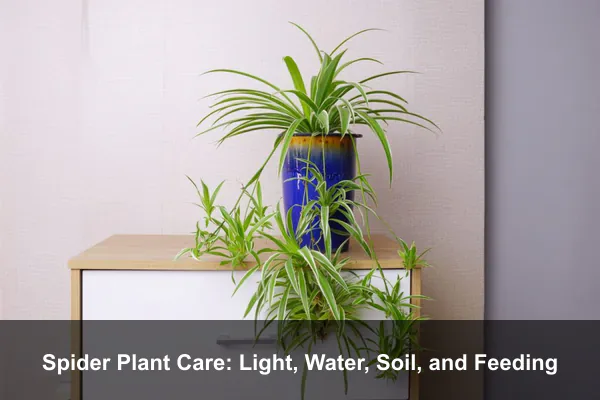
Good Spider Plant care is simple, but it still depends on balance. Most problems come from too much direct sun, inconsistent watering, compacted soil, or mineral buildup in water.
Light Requirements
Spider Plants grow best in bright indirect light. A spot near an east-facing window or a few feet from a bright south or west window often works well. Direct afternoon sun can scorch the leaves, especially the pale variegated sections.
In medium light, the plant may survive but grow more slowly. Variegation may become less vivid, and fewer plantlets may appear. If your Spider Plant looks thin or stretched, gradually move it to a brighter position.
Watering Tips
Water when the top inch of soil feels dry. Spider Plants appreciate consistent moisture but dislike soggy roots. If the pot sits in water, roots may decline and leaves may yellow.
- Too dry: Leaves may curl, fade, or develop crispy tips.
- Too wet: Leaves may yellow, soil may smell sour, and the crown may soften.
- Balanced watering: Leaves stay firm, arching, and evenly colored.
Soil and Potting
A standard indoor potting mix works well if it drains properly. You can improve drainage by adding perlite or fine bark. The pot should always have drainage holes. Spider Plants form thick, fleshy roots that store moisture, so they do not need heavy soil.
Fertilizer Needs
Feed lightly during active growth in spring and summer. A balanced houseplant fertilizer at half strength once a month is usually enough. Too much fertilizer can cause brown tips and salt buildup, so restraint is better than overfeeding.
Common Spider Plant Problems and Simple Fixes
Even easy plants can show stress. The good news is that Spider Plant problems are usually correctable if you identify the cause early.
Brown Leaf Tips
Brown tips are one of the most common Spider Plant issues. They can be caused by dry air, inconsistent watering, fertilizer salts, or minerals in tap water. Trim the brown tips with clean scissors if they bother you, but also adjust the routine behind the damage.
Yellow Leaves
Yellow leaves often suggest overwatering, poor drainage, or low light. Check the soil before adding more water. If the mix stays wet for many days, repot into a lighter blend and make sure the pot drains freely.
No Baby Plantlets
A Spider Plant may stop producing plantlets if it is too young, too shaded, overfed, or recently stressed. Give it bright indirect light, moderate watering, and patience. Mature plants usually produce more offshoots when they are slightly snug in their pots.
Pale or Faded Growth
Pale leaves can come from insufficient light or nutrient imbalance. Move the plant gradually to brighter indirect light and avoid harsh direct sun. If it has not been fed in many months, use a diluted fertilizer during the growing season.
Where to Place a Spider Plant at Home
Placement affects both appearance and health. A Spider Plant should be visible enough to enjoy but protected from harsh sun, cold drafts, and constant disturbance.
Best Indoor Locations
- Bright shelves: Allow the arching leaves to spill naturally.
- Home office corners: Add softness without taking up much desk space.
- Kitchen windows: Provide light and easy access for watering checks.
- Bathroom ledges: Work if the room has natural light and airflow.
- Hanging baskets: Highlight plantlets and keep the plant away from curious hands.
Places to Avoid
Avoid dark hallways, hot windowsills with direct afternoon sun, air conditioner blasts, and pots without drainage. The plant can tolerate some imperfection, but repeated stress will reduce its growth and appearance.
Propagation and Long-Term Plant Value
Propagation is one of the most enjoyable parts of growing Spider Plants. When the plant produces plantlets with small root bumps, they can be rooted in water or soil.
How to Propagate Spider Plantlets
- Choose a healthy plantlet with visible root nubs.
- Cut it from the stem using clean scissors.
- Place it in water or directly into moist potting mix.
- Keep it in bright indirect light while roots develop.
- Move water-rooted plantlets into soil once roots are a few inches long.
Soil propagation often creates a smoother transition because the young plant begins adapting to potting mix immediately. Water propagation is visually satisfying because you can watch roots grow, but the plant may need extra care when moved into soil.
Is the Spider Plant Safe for Pets and Families?
Spider Plants are widely treated as pet-friendly houseplants because they are generally non-toxic to cats and dogs. This makes them a popular choice for family homes. However, non-toxic does not mean edible. Pets that chew many leaves may still experience mild vomiting or stomach discomfort.
If you have a cat that is attracted to the dangling leaves, place the plant in a hanging basket or on a higher shelf. This protects both the pet and the plant. For households with young children, teach that indoor plants are for looking after, not tasting.
Spider Plant Varieties Worth Knowing
Several Spider Plant varieties are available, and each offers a slightly different look. Choosing the right variety can help the plant match your interior style and light conditions.
- Variegatum: Green leaves with white edges, classic and bright.
- Vittatum: Green margins with a white center stripe, common and graceful.
- Bonnie: Curled leaves with a compact, playful form.
- Solid green: Less common indoors but often vigorous and simple-looking.
Variegated types usually need brighter indirect light to maintain strong color. The curly Bonnie variety is excellent for smaller spaces because it stays more compact than many traditional forms.
Buying a Healthy Spider Plant
When buying a Spider Plant, look beyond size. A smaller healthy plant is often better than a large stressed one. The best plants have firm leaves, active central growth, and soil that is neither bone-dry nor waterlogged.
Quick Buying Checklist
- Leaves are firm, not limp or mushy.
- Variegation looks clear rather than faded.
- No sticky residue, webbing, or visible pests.
- Roots are not severely circling the surface.
- The pot has drainage holes.
- The crown of the plant feels stable and healthy.
After bringing the plant home, give it one to two weeks to adjust before fertilizing or repotting unless the soil is clearly poor or the plant is badly root-bound.
Seasonal Spider Plant Care
Spider Plant care changes slightly through the year. Indoor temperature, light, and watering needs shift with the seasons, even if the plant stays in the same room.
Spring and Summer
This is the main growth period. Increase watering slightly as the plant uses more moisture, feed lightly, and watch for new plantlets. Bright indirect light supports fuller growth.
Autumn and Winter
Growth usually slows as daylight decreases. Water less often, stop or reduce fertilizer, and keep the plant away from cold windows. If indoor heating dries the air, monitor leaf tips and soil moisture carefully.
Conclusion
Spider Plant plant benefits and information show why this houseplant remains a favorite across generations. It is attractive, forgiving, easy to propagate, and useful for adding everyday greenery to homes, apartments, and work areas. Its benefits are strongest when viewed realistically: it supports indoor comfort, beginner confidence, visual calm, and low-effort plant care.
With bright indirect light, moderate watering, well-draining soil, and occasional grooming, a Spider Plant can stay healthy for years. Whether you grow it for its striped leaves, dangling plantlets, pet-friendly reputation, or simple indoor beauty, it is one of the most practical plants for creating a fresher and more welcoming living space.
