
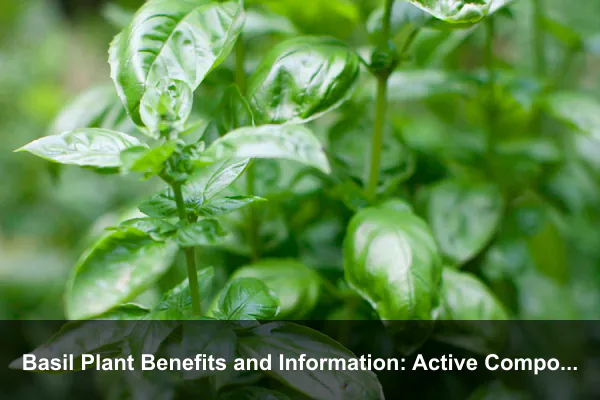
Basil is one of the most familiar herbs in home kitchens, but its value goes far beyond a final handful of green leaves on pasta or soup. When people search for Basil plant benefits and information, they are usually looking for a practical answer: what does basil actually offer, how can it be used well, and where should careful readers avoid exaggerated health claims?
This guide takes a fresh angle by focusing on basil as an evidence-aware herbal plant. Instead of repeating a basic growing guide, it explains the plant’s useful compounds, realistic benefits, safe home preparations, storage choices, and everyday limits. Basil can support flavorful cooking, plant-based routines, and mindful herbal use, but it should be treated as a helpful food herb, not as a cure or replacement for professional medical care.
What Makes Basil Valuable Beyond Flavor?
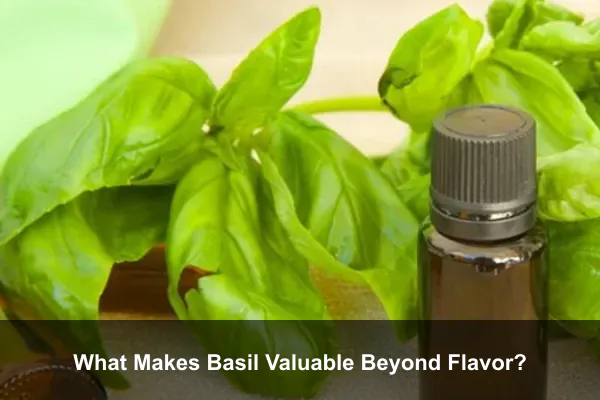
Basil, most commonly Ocimum basilicum, is an aromatic member of the mint family. Its leaves contain essential oils, polyphenols, pigments, minerals, and vitamins that give the plant its scent, color, and practical value. The same fragrance that makes basil attractive in a kitchen also explains why it has been used traditionally in herbal routines across many cultures.
A Food Herb With Functional Qualities
The strongest and safest way to understand basil is as a functional culinary herb. That means it contributes flavor while also adding small amounts of useful plant compounds. A serving of basil is usually modest, so it should not be compared with large servings of leafy vegetables. Even so, regularly using fresh herbs can improve the quality of everyday meals by increasing aroma, freshness, and variety.
Basil is especially useful because it helps food feel complete without relying only on salt, sugar, butter, or heavy sauces. This is a quiet but meaningful benefit. If a plant makes vegetables, beans, eggs, grains, fish, or soups more enjoyable, it can indirectly support better eating patterns.
Not All Basil Types Are the Same
Sweet basil is the common kitchen basil used in Mediterranean-style dishes. Thai basil has a stronger anise-like scent and holds up well in hot dishes. Holy basil, often called tulsi, belongs to a related group of basil plants and is commonly discussed in traditional wellness contexts. These plants are related, but they are not identical in flavor, chemistry, or typical use.
This matters because many online discussions mix all basil types together. For clear basil plant benefits and information, it is better to specify the form. Fresh sweet basil in a salad, dried basil in a sauce, holy basil tea, and concentrated basil essential oil are very different products.
Key Basil Plant Benefits for Everyday Life
Basil’s benefits are most reliable when they are kept realistic. The plant can add nutrients, aroma, antioxidants, and sensory pleasure to daily routines. It can also help reduce waste when grown or stored thoughtfully. The following benefits are practical, not inflated.
1. Adds Fresh Leafy Nutrition
Fresh basil contains vitamin K, small amounts of vitamin A precursors, manganese, calcium, magnesium, and other micronutrients. Because most people eat basil in small portions, it should not be treated as a major source of daily nutrition. Its strength is that it adds nutrition and flavor at the same time, especially when used generously in salads, herb sauces, grain bowls, and vegetable dishes.
2. Supplies Antioxidant Plant Compounds
Basil leaves contain compounds such as rosmarinic acid, caffeic acid, flavonoids, and aromatic oils. These compounds are part of the plant’s natural defense system and may contribute antioxidant activity in the diet. Antioxidants help explain why herbs are valued in balanced meals, but this does not mean basil can reverse disease or cancel out poor lifestyle habits.
3. Supports Lower-Salt Cooking
One overlooked basil benefit is its ability to make simple food taste more satisfying. Fresh basil brings a sweet, peppery, clove-like aroma that can reduce the need for excess salt in sauces, soups, roasted vegetables, and dressings. For people trying to build better cooking habits, herbs like basil make healthy meals feel less plain.
4. Encourages Fresh, Home-Based Food Routines
Keeping basil nearby often changes how people cook. A small bunch in water or a pot near a bright window encourages quick homemade meals: tomato salad, omelets, vegetable wraps, bean dishes, pesto-style sauces, or herbal water. This benefit is behavioral as much as botanical. The plant becomes a prompt to use fresh ingredients more often.
5. Offers Gentle Sensory Value
Basil’s scent can make cooking feel calmer and more intentional. Crushing a leaf releases volatile oils that immediately fill the air. While this should not be overstated as medical aromatherapy, the sensory experience is real. For many people, herbs create a small daily ritual that connects food, scent, and attention.
The Helpful Compounds Inside Basil Leaves
Understanding basil’s compounds helps separate meaningful plant information from vague wellness language. Basil is useful because its leaves contain a mix of volatile aroma molecules, phenolic acids, pigments, and nutrients. The exact profile changes depending on the basil type, growing conditions, harvest time, drying method, and storage.
Volatile Oils and Aroma Molecules
Basil’s fragrance comes from volatile oils. Depending on the variety, basil may contain linalool, eugenol, methyl chavicol, cineole, and other aromatic molecules. These compounds are responsible for the plant’s sweet, spicy, clove-like, floral, or anise-like notes. They are strongest in fresh leaves and can decline when basil is overheated, stored poorly, or dried for too long.
This is why basil is often added near the end of cooking. Long simmering can flatten the aroma. For the most vibrant flavor, fresh basil is best torn or chopped just before serving. Dried basil is still useful, but it gives a deeper, softer flavor rather than the bright lift of fresh leaves.
Polyphenols and Protective Plant Chemistry
Basil also contains polyphenols, a broad group of plant compounds often associated with antioxidant activity. Rosmarinic acid is one of the best-known phenolic compounds found in many mint-family herbs. These compounds are part of the reason herbs can be valuable even in small amounts, especially when they are used regularly as part of a varied diet.
However, antioxidant content should be interpreted carefully. A food can contain antioxidants without acting like medicine. The smartest use of basil is to combine it with other whole foods: vegetables, legumes, whole grains, nuts, seeds, eggs, fish, or lean proteins.
Chlorophyll, Color, and Freshness
The deep green color of basil comes from chlorophyll and related pigments. Color is also a freshness signal. Leaves that are bright, flexible, and fragrant are usually better than leaves that are blackened, slimy, yellow, or dull. Once basil bruises or gets too cold, the leaves can darken quickly.
How to Use Basil Safely at Home
Basil is generally safe for most people when used as a normal food herb. The caution begins when people move from culinary amounts to concentrated forms such as extracts, capsules, or essential oils. A handful of leaves in a meal is not the same as a medicinal dose.
Culinary Use Is the Best Starting Point
For daily use, fresh or dried basil in food is the most practical option. Add it to tomato dishes, soups, salads, roasted vegetables, bean spreads, dressings, herb butters, or grain bowls. If you want a stronger flavor, use more fresh leaves rather than turning immediately to concentrated products.
- Fresh leaves: Best for salads, finishing sauces, herb pastes, and cold dishes.
- Dried basil: Best for simmered sauces, soups, stews, and marinades.
- Basil stems: Useful for infusing soups or sauces, then removing before serving.
- Basil flowers: Edible when grown without unsafe chemicals, with a sharper herbal taste.
Basil Tea and Infusions
Basil tea can be made by steeping clean fresh leaves or dried basil in hot water. The result is a mild herbal drink with a green, spicy aroma. It is not a treatment for illness, but it can be a pleasant caffeine-free beverage. People who are pregnant, breastfeeding, taking medication, or managing a medical condition should be cautious with frequent or strong herbal infusions.
Infused Oils Need Food Safety Care
Basil-infused oil sounds simple, but fresh herbs in oil can create food safety risks if handled casually. For home use, it is safer to make small batches, keep them refrigerated, and use them quickly. Another option is to blend basil into vinegar-based dressings or freeze basil with olive oil in small portions for cooking.
Essential Oils and Extracts Require Caution
Basil essential oil is highly concentrated and should not be swallowed casually. It should also be diluted properly before any topical use. Concentrated extracts and supplements may interact with health conditions or medication. People taking blood-thinning medication should pay attention to consistent vitamin K intake and ask a qualified clinician before making major supplement changes.
- Use basil as food first.
- Avoid treating basil as a cure for disease.
- Do not ingest essential oil without qualified guidance.
- Keep strong herbal preparations away from young children unless approved by a professional.
- Ask a clinician about supplements if you are pregnant, breastfeeding, medicated, or preparing for surgery.
Choosing Fresh, Dried, Tea, Oil, or Extract Forms
The best basil form depends on your goal. For flavor and everyday plant benefits, fresh leaves are usually the most rewarding. For pantry cooking, dried basil is convenient. For a gentle beverage, basil tea is simple. For concentrated use, caution matters more than convenience.
Fresh Basil
Fresh basil gives the most vivid aroma and the strongest sense of connection to the plant. It works best when added after cooking or used in raw preparations. Choose leaves that are green, fragrant, and free from wet black patches. If the stems are still attached, they should look firm rather than collapsed.
Dried Basil
Dried basil is less bright but more shelf-stable. It is useful in tomato sauce, soup, beans, pizza sauce, herb rubs, and slow-cooked dishes. To keep dried basil useful, store it in a sealed container away from heat, steam, and direct light. If it smells dusty rather than herbal, it is time to replace it.
Basil Tea
Basil tea is best viewed as a gentle herbal drink. Sweet basil tea has a mild savory note, while holy basil tea is usually more common in wellness-focused products. Always read labels carefully, especially with blended teas that may include other herbs with stronger effects.
Basil Oil and Supplements
Basil-flavored culinary oil is different from basil essential oil. Culinary oil is a food product. Essential oil is a concentrated aromatic product. Supplements are another category again. For most households, the best value comes from leaves, not capsules.
Buying, Storing, and Preserving Basil for Maximum Value
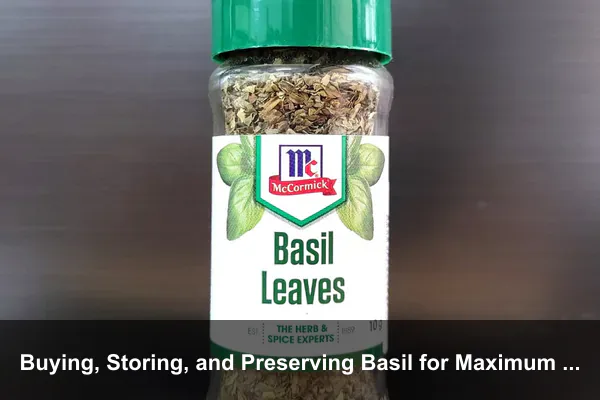
Good storage protects basil’s benefits. Basil is delicate and often suffers from cold damage, bruising, dehydration, and excess moisture. A better storage routine helps you keep the leaves fragrant longer and reduces the chance that a beautiful bunch becomes waste before you use it.
Freshness Checklist
When buying basil, use your senses. The leaves should smell sweet, peppery, and fresh. Avoid bunches with slimy stems, heavy wilting, yellow leaves, or black patches. A few small blemishes are normal, but widespread darkening usually means the basil has been chilled, crushed, or stored too long.
- Look for springy stems and flexible leaves.
- Choose basil with a clear, lively fragrance.
- Avoid sealed packs with condensation and wet leaf surfaces.
- Use damaged leaves first because they spoil faster.
- Wash only when ready to use, then dry gently.
Short-Term Storage
For a bunch with stems, trim the ends and place the basil in a glass with a little water, like a small bouquet. Keep it at cool room temperature and cover loosely with a bag if the air is dry. Refrigeration can damage basil, especially if the leaves touch very cold surfaces.
If you must refrigerate basil, wrap it gently in a dry towel, place it in a loose container, and use it soon. The goal is to avoid both dehydration and trapped moisture. Wet basil spoils quickly, while tightly packed basil bruises easily.
Preserving Without Losing Purpose
Freezing is often better than drying when you want to preserve basil’s green character. Chop leaves with a little oil or water and freeze them in small portions. These cubes can be added to soups, sauces, beans, or sauteed vegetables. The texture will soften after freezing, so frozen basil is better for cooking than for fresh salads.
Practical Basil Plant Information for Different Households
Basil is flexible because it fits many lifestyles. Some people use it mainly for cooking, some value its plant benefits, and others enjoy it as a simple herb to keep near a sunny kitchen window. The key is to match your use to your household instead of copying every trend.
For Home Cooks
If your main goal is better food, basil is one of the highest-impact herbs to keep on hand. It pairs well with tomatoes, citrus, garlic, olive oil, eggplant, zucchini, white beans, lentils, eggs, chicken, fish, and soft cheeses. For a unique routine, think of basil as a freshness tool rather than just an Italian herb.
Add torn basil to grain bowls, blend it into yogurt sauce, stir it into lentil soup after cooking, or combine it with lemon and olive oil for a fast dressing. These uses keep basil practical without turning the article into another generic recipe list.
For Wellness-Minded Readers
If you are interested in plant benefits, basil is best used as part of a broader pattern: colorful meals, enough fiber, moderate sodium, regular hydration, and safe herbal choices. Basil can support that pattern by making fresh food more appealing. It should not be used to self-treat anxiety, diabetes, infections, inflammation, or other medical conditions.
For Beginner Gardeners
Basil is beginner-friendly when treated as a warm-season herb. It likes warmth, bright light, and regular harvesting. Pinching the tips encourages fuller growth, while letting the plant flower can shift energy away from leaf production. These details are useful, but the deeper value is that basil teaches observation: scent, leaf texture, moisture, and timing all matter.
For Families With Children or Pets
Normal culinary basil is generally considered a low-risk herb in food amounts, but concentrated oils and supplements should be stored away from children and pets. If a pet chews a small basil leaf, it is usually less concerning than exposure to essential oil. Still, any unusual reaction should be discussed with a veterinarian or health professional.
Common Basil Myths Worth Correcting
Because basil is popular, it attracts exaggerated claims. Clear basil plant benefits and information should make the herb more useful, not more mysterious. The following myths are common and worth correcting.
Myth: Basil Detoxes the Body
Basil can be part of a fresh, balanced diet, but detox claims are usually vague. The body already relies on the liver, kidneys, lungs, digestive system, and skin for normal waste processing. Basil does not replace those systems. Its real contribution is flavor, plant compounds, and support for better meals.
Myth: Essential Oil Works Like Fresh Leaves
Fresh basil leaves and basil essential oil are not interchangeable. Leaves are food. Essential oil is a concentrated aromatic extract. Using essential oil as if it were a handful of leaves can create safety problems, especially when swallowed or applied undiluted to skin.
Myth: More Basil Always Means More Benefit
With herbs, more is not always better. Culinary use is sensible, but very large amounts or concentrated supplements may not be appropriate for everyone. People with medical conditions, medication use, allergies, or upcoming surgery should be especially cautious with concentrated herbal products.
Myth: Dried Basil Has No Value
Dried basil is not the same as fresh basil, but it still has a place. It is affordable, easy to store, and useful in cooked dishes. The best approach is not fresh versus dried. It is using each form where it performs well.
Simple Ways to Add Basil Without Overcomplicating Meals
Basil becomes more useful when it is easy to use. A complicated recipe is not necessary. The goal is to place basil where its aroma can lift everyday food.
- Add torn basil to sliced tomatoes, cucumbers, and olive oil.
- Stir chopped basil into scrambled eggs after cooking.
- Blend basil with lemon, garlic, and yogurt for a quick sauce.
- Mix basil into cooked beans with olive oil and black pepper.
- Use basil stems to flavor soup broth, then remove them.
- Freeze chopped basil in small cubes for weeknight cooking.
- Add fresh basil to sandwiches or wraps instead of using only lettuce.
These habits make basil more than a garnish. They turn it into a regular part of the kitchen, which is where its benefits are most realistic and sustainable.
Conclusion
Basil plant benefits and information are most valuable when they stay grounded. Basil offers fresh flavor, aromatic oils, antioxidant plant compounds, small amounts of nutrients, and practical support for better home cooking. It can help people enjoy vegetables, reduce reliance on heavy seasoning, and build simple fresh-food routines.
The safest and most useful approach is to treat basil as a generous culinary herb first. Use fresh leaves when you want brightness, dried basil when you need pantry convenience, and mild tea when you want a simple herbal drink. Be more cautious with extracts, supplements, and essential oils. In the right role, basil is not just a fragrant plant. It is a practical herbal companion for healthier, more flavorful everyday living.
