
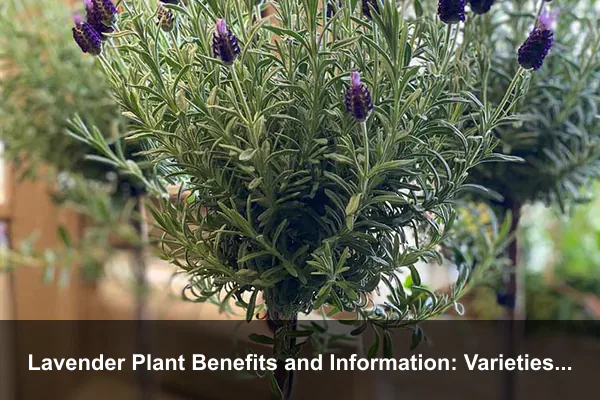
Lavender is one of the most recognizable beneficial plants in the world, but its real value goes beyond a pleasant purple flower and a calming scent. A good guide to Lavender plant benefits and information should explain what the plant is, why its fragrance is so distinctive, which varieties are best for different uses, and how to grow or use it without making exaggerated health claims.
This article takes a practical plant-quality angle. Instead of repeating only general lavender uses, it focuses on how lavender works as a useful herbal plant for the home, garden, kitchen, and low-waste daily routines. If you are choosing lavender for a balcony pot, a dry garden bed, a homemade sachet, or occasional culinary use, the most important question is simple: which lavender plant gives the benefit you actually want?
What Makes Lavender Valuable as a Beneficial Plant?
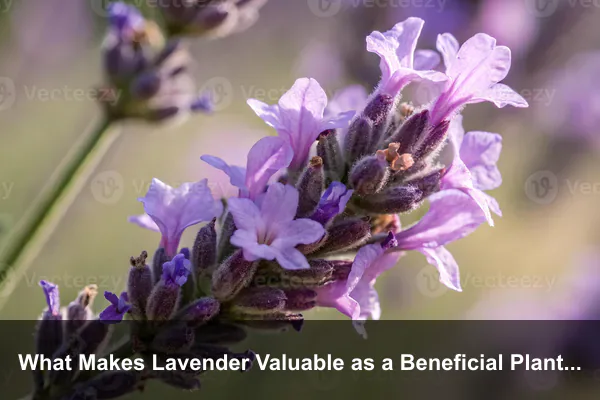
Lavender belongs to the mint family, Lamiaceae, the same broad plant family as basil, rosemary, thyme, sage, and mint. Like many aromatic herbs, lavender produces volatile compounds in tiny oil glands on its leaves and flowers. These compounds are responsible for the scent people associate with lavender fields, dried flower bundles, herbal pillows, soaps, and garden borders.
From a plant-benefits perspective, lavender is valuable because it offers several layers of usefulness from one compact plant. It can provide fragrance, seasonal flowers, pollinator support, ornamental structure, dried botanical material, and limited culinary value when the correct type is used. This makes it especially appealing for gardeners who want plants that do more than look attractive.
Botanical Profile of Lavender
The lavender most people know comes from the genus Lavandula. The plants are usually woody or semi-woody perennials with narrow gray-green leaves and upright flower spikes. Their natural preference is for bright sun, lean soil, and excellent drainage. This background explains many lavender care rules: the plant usually struggles more from wet roots and heavy soil than from moderate dryness.
Lavender is commonly grown in herb gardens, cottage gardens, Mediterranean-style landscapes, containers, raised beds, and sunny borders. In cooler climates, some types behave like short-lived perennials. In humid or very wet climates, lavender often needs raised planting, gravelly soil amendments, and strong airflow to stay healthy.
Why Lavender Has Such a Distinct Scent
Lavender fragrance comes from a changing mixture of natural aromatic compounds. Two of the best-known are linalool and linalyl acetate, but the exact scent profile depends on species, variety, climate, harvest timing, drying method, and storage quality. This is why one lavender plant may smell soft and floral while another smells sharper, more camphorous, or almost medicinal.
For home use, this matters because fragrance quality is not only about intensity. A strongly scented lavender is not automatically better for every purpose. Some lavenders are excellent for sachets and crafts, while others are more suitable for tea blends, baking, or fresh ornamental display.
Main Lavender Plant Benefits for Home and Garden
Lavender plant benefits are best understood as practical, sensory, and ecological benefits. It should not be treated as a cure-all, but it can be a useful part of a healthier home and garden routine when used responsibly.
Aromatic Value Without Synthetic Fragrance
One of lavender’s most popular benefits is that it provides a natural scent source. Dried flower buds can be placed in small fabric sachets, drawers, wardrobes, craft projects, or decorative bowls. Unlike synthetic air fresheners, dried lavender is plant material, so its scent is gentler and fades naturally over time.
This makes lavender useful for people who prefer low-waste fragrance routines. A small harvest from one healthy plant can become several sachets or a dried bundle. When the scent weakens, the old buds can often be composted if they have not been mixed with synthetic fragrance oils or non-compostable materials.
Ornamental Structure in Sunny Spaces
Lavender is not only an herb. It is also an ornamental plant with a clear visual role. Its upright flower spikes, silvery foliage, and compact mounded habit make it useful for edging paths, softening borders, filling containers, and adding texture around vegetable or herb beds. Even when not in bloom, healthy lavender foliage adds structure and contrast.
The plant is especially effective in gardens that use a mix of edible, aromatic, and flowering plants. Its muted foliage pairs well with rosemary, thyme, sage, oregano, ornamental grasses, roses, yarrow, and many drought-tolerant perennials. In containers, lavender can give a balcony or patio a more finished look without requiring lush tropical foliage.
Low-Input Garden Potential
Established lavender can be relatively low maintenance in the right conditions. It does not usually need rich fertilizer, frequent watering, or heavy soil improvement. In fact, too much nitrogen can make growth soft and leafy while reducing the dense, aromatic flowering that many gardeners want.
This low-input habit is one reason lavender fits sustainable gardening. It rewards gardeners who improve drainage, choose a sunny location, and avoid overwatering. For dry, open, sunny spaces, lavender can be more practical than thirsty bedding plants that need constant irrigation.
Seasonal Material for Crafts and Home Routines
Lavender flowers can be harvested and dried for small household projects. These uses are simple but meaningful: sachets, herbal wreaths, drawer fresheners, bath blends, pressed flowers, botanical labels, and handmade gifts. The benefit is not only the scent, but the connection between growing, harvesting, and using a plant thoughtfully.
For a small home garden, this is a strong advantage. A lavender plant can become part of a seasonal routine: prune lightly after flowering, save clean stems, dry small bundles, and refresh sachets once their scent fades. This creates a plant-based habit rather than a single-use product cycle.
Choosing the Right Lavender Variety for Your Goal
Many people buy lavender as if every plant is the same. That is one of the biggest mistakes. Different lavender types vary in cold tolerance, scent, flower appearance, oil profile, culinary suitability, and performance in humidity. Choosing the right type is the foundation of getting real lavender plant benefits.
English Lavender for Classic Fragrance and Culinary Use
Lavandula angustifolia, commonly called English lavender, is often the best choice for classic lavender fragrance and culinary use. It usually has a sweeter, softer aroma than many hybrid lavenders. Popular cultivars include Hidcote, Munstead, Royal Velvet, and Folgate, though availability depends on region.
If you want lavender for baking, herbal sugar, tea blends, or edible flower use, English lavender is usually the safest direction. Even then, the flowers should be grown without unsafe pesticides and used sparingly. Lavender can overpower food quickly, so a small amount often gives better results than a heavy hand.
Lavandin for Strong Scent and Dried Bundles
Lavandin refers to hybrid lavender, often Lavandula x intermedia. It tends to produce larger plants, longer flower stems, and a stronger scent. This makes it useful for dried bundles, crafts, sachets, and ornamental mass planting. Common lavandin cultivars include Grosso and Provence.
Because lavandin can smell more camphorous, it is not always ideal for cooking. It may be excellent in a wardrobe sachet but too sharp in a cookie or tea. If your goal is strong fragrance and abundant stems, lavandin is often a better choice than compact English lavender.
Spanish and French Lavender for Decorative Flowers
Spanish lavender and French lavender are often grown for their distinctive flower forms. Spanish lavender, often associated with Lavandula stoechas, has showy bracts at the top of the flower head, sometimes described as little flags or wings. French lavender names can vary by region and trade labeling, so it is worth checking the botanical label before buying.
These types can be striking in containers and warm-climate gardens. However, they may be less cold hardy than English lavender and may not be the best choice for culinary use. Their greatest benefit is visual impact, especially in sunny patios, Mediterranean-style plantings, and ornamental herb displays.
A Simple Variety Decision Guide
- For culinary use: choose pesticide-free English lavender, especially Lavandula angustifolia.
- For sachets and crafts: choose lavandin or a strongly scented English lavender cultivar.
- For compact containers: choose dwarf or compact English lavender varieties.
- For showy ornamental flowers: consider Spanish lavender in warm, sunny conditions.
- For cold climates: check the hardiness of the exact cultivar, not only the common name.
Practical Ways to Use Lavender Without Wasting the Plant
Lavender is most useful when harvested and used with restraint. A small amount can provide fragrance or flavor, while overharvesting can weaken a young plant. The goal is to treat lavender as a renewable garden resource, not as unlimited raw material.
Use Lavender in Small Culinary Amounts
Culinary lavender should come from clean, food-safe plants. Avoid using flowers from nursery plants that may have been treated with pesticides not intended for edible crops. If you want to cook with lavender regularly, grow a plant specifically for culinary use or buy labeled culinary-grade dried lavender.
Lavender pairs well with lemon, honey, vanilla, berries, shortbread, cream, and mild black or herbal teas. It can be infused into sugar, syrup, honey, or milk, then strained out. The most common mistake is using too much, which can make food taste soapy or bitter.
Create Simple Sachets and Drawer Fresheners
Dried lavender buds are excellent for small sachets. Use breathable cotton, linen, muslin, or reusable fabric bags. Place them in drawers, storage boxes, linen closets, or travel bags. For a stronger scent, gently squeeze the sachet to bruise the dried buds and release more aroma.
This is one of the easiest ways to get value from a small lavender harvest. It also avoids the need for synthetic fragrance sprays. Replace or refresh the contents when the scent becomes faint.
Make Fresh and Dried Decorative Bundles
Lavender stems can be tied into small bunches and hung in a dry, shaded, well-ventilated space. Direct harsh sun can fade color and reduce scent quality. Once dry, the bundles can be used as simple decorations or broken down for sachets and crafts.
For best results, harvest when many buds are formed but before all flowers have fully opened. This timing usually preserves stronger fragrance and cleaner dried flower heads. Use clean scissors and avoid cutting deeply into old woody stems.
Use Pruning Material Thoughtfully
After light pruning, clean lavender trimmings can sometimes be used in compost, mulch experiments, or aromatic fire starters if they are fully dry and used safely. Avoid burning plant material indoors without proper ventilation and local safety awareness. Woody stems are not as fragrant as flower buds, but they can still be part of a low-waste garden cycle.
Growing Lavender for Strong Fragrance and Healthy Stems
Lavender care is simple in theory, but the details matter. The plant wants bright light, fast drainage, good airflow, and moderate soil fertility. Many lavender problems come from treating it like a moisture-loving bedding plant.
Light Requirements
Lavender needs full sun for best flowering and fragrance. Aim for at least six hours of direct sunlight per day, with more being better in many climates. In shade, lavender may stretch, flower poorly, hold moisture around its stems, and become more vulnerable to disease.
For balconies and patios, place containers where the plant receives the strongest available sun. A south-facing or west-facing exposure is often useful in the Northern Hemisphere, while local heat intensity should be considered in very hot climates.
Soil and Drainage
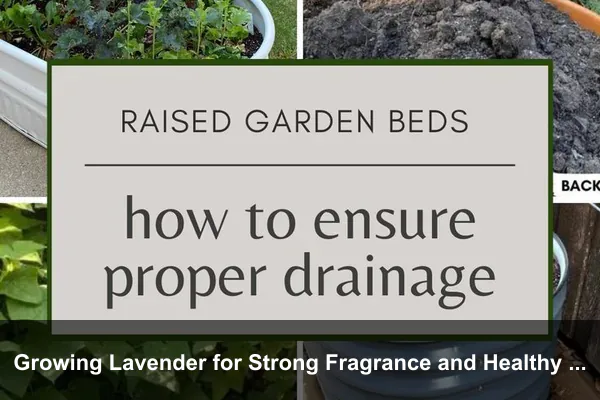
Drainage is the most important lavender care factor. The plant prefers gritty, loose, well-drained soil rather than heavy clay or constantly damp potting mix. In garden beds, raised beds or mounded planting areas can help. In containers, use pots with drainage holes and avoid saucers that keep roots sitting in water.
Do not assume rich compost is always helpful. Lavender often performs better in moderately lean soil. If soil is too fertile, stems may become soft and floppy. If soil stays wet, roots can decline quickly.
Watering Lavender Correctly
Newly planted lavender needs regular water while establishing. Once established, it generally prefers deeper but less frequent watering. Let the top layer of soil dry before watering again. Container lavender dries faster than in-ground lavender, but it still dislikes being waterlogged.
A practical test is to check soil moisture with your finger before watering. If the mix still feels damp below the surface, wait. Yellowing leaves, wilting in wet soil, or blackened stems can indicate root stress from excess moisture.
Pruning for Shape and Longevity
Lavender benefits from regular light pruning. After flowering, trim back spent flower stems and lightly shape the plant. Avoid cutting hard into old, leafless wood, because many lavender plants do not regrow well from bare woody stems.
Good pruning keeps the plant compact, encourages fresh growth, and reduces the chance of a split, woody center. Young plants should be shaped early so they develop a dense framework rather than long weak stems.
Safety, Quality, and Responsible Lavender Use
Lavender is widely used, but responsible use matters. Natural does not automatically mean safe for every person, pet, or situation. The safest approach is to use whole plant material modestly, choose the correct product for the purpose, and avoid concentrated use without proper knowledge.
Essential Oil Is Not the Same as the Whole Plant
Lavender essential oil is highly concentrated. A few drops can represent a large amount of plant material. It should not be swallowed unless under qualified professional guidance, and it should be diluted appropriately before topical use. Sensitive individuals may experience irritation or allergic reactions.
For everyday home routines, dried buds and fresh stems are usually gentler than essential oil. They also keep the experience connected to the actual plant rather than turning lavender into only a bottled fragrance.
Pet and Child Safety
Keep concentrated lavender products away from children and pets. Cats, dogs, and other animals can react differently to essential oils and scented products. If you use lavender sachets, place them where pets will not chew them. If a pet eats lavender or shows unusual symptoms after exposure to scented products, contact a veterinarian.
For households with young children, avoid loose dried buds in places where they may be swallowed or scattered. Use securely closed sachets and skip concentrated oils in play areas.
Medical and Wellness Claims
Lavender is often associated with relaxation and comfort, but it should not replace medical care for anxiety, insomnia, skin conditions, respiratory symptoms, or other health concerns. People who are pregnant, nursing, taking medication, managing allergies, or dealing with chronic conditions should be cautious with concentrated lavender products.
The most reliable benefit of lavender in daily life is sensory and practical: it can make a space feel more pleasant, support simple plant-based routines, and provide useful garden material. Stronger medical claims should be treated carefully.
Buying and Storing Lavender for Best Results
Whether you buy a plant, dried flowers, or culinary lavender, quality determines the final benefit. A healthy lavender plant should have firm stems, aromatic foliage, no sour smell from the soil, and no obvious signs of rot. Avoid plants sitting in soggy pots, especially if the lower leaves are yellowing or the stems look black near the base.
How to Buy a Lavender Plant
Read the label before buying. Look for the botanical name, cultivar, mature size, hardiness information, and recommended light exposure. If the plant is only labeled lavender, you may not know whether it is best for culinary use, fragrance, cold tolerance, or ornamental flowers.
Choose a plant that matches your conditions. A compact English lavender may suit a sunny balcony pot, while lavandin may need more space. Spanish lavender may look beautiful in a warm patio container but may not survive a harsh winter outdoors.
How to Store Dried Lavender
Dried lavender should be kept in an airtight container away from heat, moisture, and direct light. Light and air reduce color and fragrance over time. For culinary lavender, label the container with the harvest or purchase date and keep it separate from craft lavender.
If dried lavender smells musty, dusty, or unpleasant, do not use it in food or close-contact items. Good dried lavender should smell clean, herbal, and floral, even if the scent is softer than fresh flowers.
Signs of Good Lavender Quality
- Clean aroma: floral, herbal, and fresh rather than moldy or stale.
- Dry texture: buds should feel dry, not damp or sticky.
- Clear labeling: culinary products should be labeled for food use.
- Minimal debris: dried buds should not contain excessive stems, dust, or foreign material.
- Appropriate color: some fading is normal, but dull gray material may be old or poorly stored.
Common Lavender Mistakes to Avoid
Many lavender failures come from good intentions applied in the wrong way. Because lavender is a Mediterranean-style herb, it often wants less pampering than leafy tropical plants or thirsty annual flowers.
- Overwatering: frequent watering in poorly drained soil can cause root problems.
- Too much fertilizer: rich feeding can reduce compact growth and fragrance quality.
- Growing in shade: low light leads to weak stems and fewer flowers.
- Cutting into bare wood: hard pruning can permanently damage older plants.
- Using the wrong type for food: not all lavender is pleasant or appropriate for culinary use.
- Expecting one plant to suit every climate: humidity, winter cold, and soil type affect success.
If you correct these mistakes early, lavender becomes much easier to manage. The plant does not need constant attention; it needs the right conditions and a restrained care routine.
Conclusion: Lavender Is Most Useful When You Match the Plant to the Purpose
The best way to understand Lavender plant benefits and information is to see lavender as a multi-purpose herbal plant rather than a single-purpose fragrance plant. Its benefits can include natural scent, ornamental value, seasonal craft material, limited culinary use, pollinator interest, and low-input garden performance. The key is choosing the right type and using it responsibly.
English lavender is usually the best choice for classic fragrance and culinary potential. Lavandin is excellent for strong scent, long stems, and dried bundles. Spanish and French lavender types can bring dramatic flowers to warm, sunny spaces. Across all types, lavender performs best with full sun, excellent drainage, careful watering, and light pruning.
Lavender is not a miracle cure, but it is a genuinely useful plant. When grown well and harvested thoughtfully, it can turn a sunny corner into a source of fragrance, beauty, and practical plant-based routines that fit naturally into the home and garden.
