
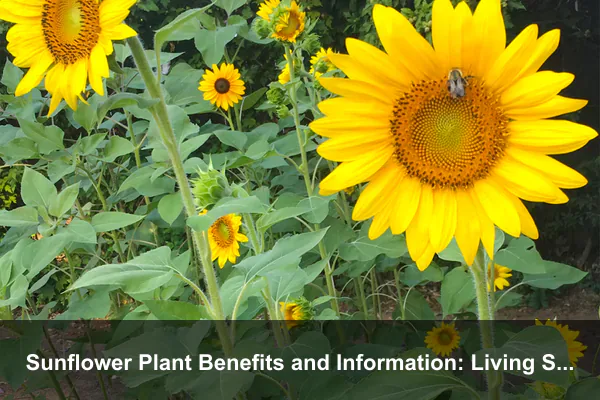
Sunflowers are more than bright summer flowers. For gardeners, they can become living privacy screens, cheerful cut flowers, bird-feeding stations, soil-shading companions, and simple seasonal markers that make a garden feel productive and alive. This guide to Sunflower plant benefits and information focuses on a fresh angle: how to use sunflowers as practical garden infrastructure, not just as decorative blooms or seed plants.
Known botanically as Helianthus annuus, the common sunflower is an annual flowering plant native to North America and now grown worldwide. Its tall stems, broad leaves, large flower heads, and fast growth make it useful in home gardens, school gardens, edible landscapes, and small backyard designs. Whether you grow a single dwarf variety in a pot or a row of towering sunflowers along a fence, the plant offers beauty, habitat, harvest value, and a strong connection to seasonal gardening.
Why Sunflowers Deserve a Practical Place in the Garden

The most obvious benefit of sunflowers is visual impact. Their golden flower heads are easy to recognize, and their height creates instant drama. However, their real value comes from how many jobs they can perform in a limited space. A sunflower row can soften a fence, create a temporary screen, draw attention to a garden entrance, and support wildlife activity at the same time.
Unlike slow-growing shrubs, annual sunflowers grow quickly from seed. This makes them useful when you need seasonal height without permanent landscaping. They are also approachable for beginners because the seeds are large, easy to handle, and satisfying to plant with children. In the context of Manfaat Tanaman, sunflowers are a strong example of a plant whose benefits include beauty, ecological value, food production, education, and emotional enjoyment.
Main practical benefits
- Fast vertical growth: Tall varieties can create height in one growing season.
- Seasonal privacy: Rows of sunflowers can screen patios, compost areas, or garden edges.
- Cut flower value: Branching and pollenless varieties are excellent for vases.
- Wildlife support: Flowers attract beneficial insects, while mature seed heads feed birds.
- Beginner-friendly planting: Large seeds are easy to sow directly into warm soil.
- Garden structure: Strong stems help define borders and guide the eye through a landscape.
Sunflower Plant Information: Growth Habit, Types, and Life Cycle
Sunflowers are annuals in most garden settings, meaning they sprout, grow, flower, set seed, and finish their life cycle within one season. They prefer warm weather, full sun, and well-drained soil. The classic sunflower has one large central bloom, but many modern varieties branch and produce multiple smaller flowers over a longer period.
Basic plant profile
- Botanical name: Helianthus annuus
- Plant type: Warm-season annual flowering plant
- Light: Full sun, ideally 6 to 8 hours or more daily
- Soil: Loose, well-drained, moderately fertile soil
- Water: Consistent moisture during germination and early growth
- Height: From under 2 feet for dwarf types to over 10 feet for giant types
- Bloom season: Summer to early autumn, depending on sowing time and climate
Common sunflower types
Choosing the right type is important because not every sunflower serves the same purpose. If your goal is a living screen, choose tall single-stem or tall branching types. If you want vase flowers, look for branching cut-flower varieties. If you garden in containers, dwarf sunflowers are more manageable.
- Giant sunflowers: Best for height, seed heads, children’s gardens, and dramatic back borders.
- Branching sunflowers: Produce multiple blooms and are excellent for long-lasting garden color.
- Dwarf sunflowers: Good for pots, balconies, small spaces, and front garden edges.
- Pollenless sunflowers: Useful for cut flowers because they shed less pollen indoors.
- Colored varieties: Bronze, burgundy, lemon, cream, and bicolor types add design flexibility.
Using Sunflowers as Living Screens and Garden Dividers
One of the most underused sunflower benefits is their ability to act as temporary living architecture. Because they grow tall and upright, sunflowers can mark boundaries without building permanent structures. They are especially useful for renters, new gardeners, or anyone who wants seasonal privacy without installing fences or hedges.
Best places for sunflower screens
- Along a sunny fence line to add color and height
- Behind vegetable beds to create a warm seasonal backdrop
- Near a patio edge where afternoon privacy is needed
- Around compost bins or utility areas that need softening
- At the back of a mixed flower border
For a dense screen, plant seeds in a staggered double row instead of a single straight line. Give tall varieties enough spacing so air can move between stems. Crowding may create weak growth, smaller flowers, and higher disease risk. In windy locations, place sunflowers near a fence or use discreet stakes while stems are young.
Design tip for better results
Use sunflowers as a seasonal layer rather than the only screen. Plant lower flowers or herbs in front of them to hide bare lower stems later in the season. Zinnias, cosmos, calendula, basil, and marigolds can create a fuller look while attracting beneficial insects. This layered planting approach gives the garden more texture, more bloom time, and better visual balance.
Cut Flower Benefits: Bringing Sunflowers Indoors
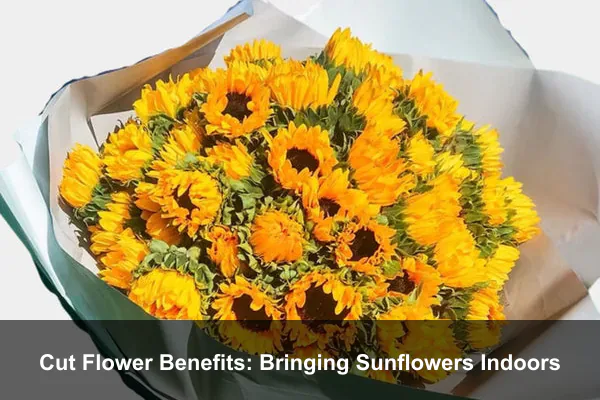
Sunflowers are among the most cheerful cut flowers because they have bold shapes, warm colors, and long vase presence when harvested correctly. For indoor arrangements, choose varieties bred for cutting. Many florists prefer pollenless sunflowers because they keep tables cleaner and have a more polished appearance in bouquets.
When to harvest sunflowers for a vase
The best time to cut sunflowers is when the petals are just beginning to lift away from the center disk. Harvesting too late shortens vase life because the flower is already aging. Cut in the early morning, use clean pruners, and place stems into water quickly. Remove leaves that would sit below the waterline to reduce bacterial growth.
Simple vase care steps
- Cut stems at an angle with clean scissors or pruners.
- Use a clean vase filled with fresh water.
- Remove lower leaves before arranging.
- Keep the vase away from direct heat and strong sunlight.
- Change the water every one to two days.
- Recut the stems slightly if they begin to droop.
For home gardeners, cut-flower sunflowers offer a double benefit: they beautify the garden outdoors and provide fresh arrangements indoors. Branching varieties are especially valuable because one plant can produce several stems over time. This makes them more productive for bouquets than single giant sunflowers, which usually produce one main head.
Ecological Benefits: Birds, Beneficial Insects, and Garden Balance
Sunflowers are often associated with pollinators, but their ecological value continues after the petals fade. The flower heads mature into seed sources for birds, and the sturdy stems can provide perching spots in the garden. Leaving some seed heads standing at the end of the season supports a more wildlife-friendly landscape.
Beneficial insects and garden activity
During bloom, sunflowers attract bees, hoverflies, butterflies, and other insects that help create a lively garden ecosystem. Even if your main vegetable crops are nearby, sunflowers can increase visual diversity and draw beneficial activity into the area. This does not mean sunflowers solve every pest problem, but they can be part of a healthier, more balanced garden design.
Bird value after flowering
As seed heads ripen, birds may visit to feed. If you want to save seeds for yourself, cover selected heads with breathable mesh or paper bags once the backs of the heads begin to yellow. If your goal is wildlife support, leave some heads uncovered. This creates a simple end-of-season food source and reduces garden waste.
Soil, Water, and Light Requirements for Strong Sunflowers
Sunflowers are forgiving, but they perform best when their basic needs are met. Full sun is essential. Plants grown in too much shade often lean, stretch, and produce smaller flowers. Soil should drain well because soggy roots can weaken the plant. At the same time, young sunflowers need steady moisture while they establish deep roots.
Soil preparation
Before planting, loosen the soil and mix in mature compost if the ground is compacted or low in organic matter. Avoid overfeeding with high-nitrogen fertilizer, as this can produce large leaves and weak stems at the expense of flowers. A balanced soil with moderate fertility is usually enough for strong growth.
Watering guidance
Water newly planted seeds gently and keep the soil evenly moist until germination. Once plants are established, water deeply rather than lightly sprinkling every day. Deep watering encourages stronger roots. In hot weather, container-grown sunflowers dry out faster than plants in the ground and may need more frequent attention.
Spacing matters
Spacing depends on variety. Dwarf types may grow well in containers or closer rows, while giant sunflowers need more room. Tight spacing can be useful for a screen, but extreme crowding reduces airflow and increases stress. Always check the seed packet and adjust based on the final height and width of the variety.
Growing Sunflowers from Seed: A Beginner-Friendly Method
Sunflowers are usually easiest to grow from direct sowing. Wait until the soil has warmed and the risk of frost has passed. Planting too early in cold soil can slow germination and increase the chance of seed rot. Because sunflower roots grow quickly, direct sowing often produces stronger plants than transplanting.
Step-by-step planting method
- Choose a sunny location with good drainage.
- Loosen the top layer of soil and remove weeds.
- Plant seeds at the depth recommended on the packet, usually about 1 inch deep.
- Water gently so the soil is moist but not muddy.
- Thin seedlings if they grow too close together.
- Protect young seedlings from birds, slugs, or other garden pests if needed.
- Stake tall varieties early if the site is windy.
To extend bloom time, sow a small batch of seeds every two weeks for several rounds in spring and early summer. This method, called succession planting, prevents all flowers from blooming and fading at once. It is especially useful for cut-flower gardeners who want fresh stems over a longer period.
Creative Garden Uses Beyond Basic Flower Beds
Sunflowers can fit into many garden styles. They work in cottage gardens, edible landscapes, children’s gardens, wildlife borders, and small urban spaces. Their bold form makes them easy to use as focal points, while smaller varieties can be tucked into containers and raised beds.
Living trellis experiments
Some gardeners use strong sunflower stems as temporary supports for lightweight climbing plants. This can work with small, gentle climbers, but it should be done carefully. Heavy vines may pull sunflowers down or compete too aggressively for water and nutrients. If you try this, choose sturdy sunflower varieties and avoid pairing them with very vigorous climbers.
Children’s learning gardens
Sunflowers are excellent for teaching plant life cycles because their seeds, seedlings, flowers, and mature seed heads are easy to observe. Children can measure stem height, compare varieties, watch flower development, and learn where seeds come from. This educational value is one of the most meaningful sunflower plant benefits for families and schools.
Container and balcony use
Dwarf sunflowers can grow well in pots if they receive enough sun and water. Choose a container with drainage holes and enough depth for roots. Because containers dry quickly, check moisture regularly. A single dwarf sunflower in a bright pot can bring strong color to a balcony without requiring a large garden.
Safety, Allelopathy, and Smart Placement
Sunflowers are generally safe garden plants, but thoughtful placement matters. Sunflower hulls, leaves, roots, and plant residues can have mild allelopathic effects, meaning they may inhibit the growth of some nearby plants or seedlings. This does not make sunflowers harmful, but it does mean gardeners should avoid treating them as neutral in every planting situation.
How to manage allelopathy
- Do not pile large amounts of fresh sunflower debris directly around sensitive seedlings.
- Compost stalks and leaves thoroughly before using them as soil amendment.
- Rotate sunflower planting areas from year to year in vegetable gardens.
- Keep young, delicate crops slightly away from mature sunflower roots.
If you grow sunflowers for seed, remember that birds and squirrels may harvest before you do. This is not a safety issue, but it affects planning. Cover heads when seeds begin to mature if your goal is human harvest. Leave some uncovered if your goal is wildlife support.
Harvesting and End-of-Season Uses
At the end of the season, sunflowers continue to provide value. Seed heads can be dried, saved, shared, or left for birds. Stalks can be chopped and composted once dry, although thick stems break down faster when cut into smaller pieces. Gardeners who enjoy low-waste gardening can make use of nearly the whole plant.
Signs seeds are ready
Seeds are usually ready when the back of the flower head turns yellow-brown, petals have dried, and the seeds look plump. Cut the head with a section of stem attached and hang it in a dry, airy place if more drying is needed. Once fully dry, seeds can be rubbed loose by hand.
Seed saving note
If you want to save seeds for planting next year, choose open-pollinated varieties rather than hybrids when possible. Hybrid sunflower seeds may not grow true to the parent plant. Store dry seeds in a cool, dark place in a labeled container.
Common Problems and Simple Fixes
Sunflowers are not difficult, but a few problems can appear. Weak stems often come from low light, overcrowding, or too much nitrogen. Drooping leaves may signal underwatering, transplant shock, or heat stress. Chewed seedlings are often caused by slugs, snails, birds, or small animals.
Quick troubleshooting guide
- Leggy growth: Move future plantings to a sunnier location and avoid crowding.
- Small flowers: Check variety size, sunlight, spacing, and soil fertility.
- Leaning stems: Stake early and plant in a wind-protected area.
- Seedling damage: Use temporary covers until plants are established.
- Yellowing leaves: Check drainage, watering consistency, and root health.
Most sunflower issues are easier to prevent than correct. Start with the right variety, give it full sun, water consistently during early growth, and provide enough spacing. These simple habits usually lead to strong stems and reliable blooms.
Conclusion: Sunflowers Are Useful, Beautiful, and Easy to Love
Sunflowers combine beauty with function in a way few annual flowers can match. They brighten the garden, create quick seasonal height, support beneficial insects and birds, provide cut flowers, and teach the plant life cycle in a clear and memorable way. For gardeners who want visible results without complicated care, they are one of the most rewarding plants to grow.
This guide to Sunflower plant benefits and information shows that sunflowers are not limited to seeds, basic care, or simple decoration. They can become living screens, educational plants, bouquet producers, wildlife resources, and seasonal design tools. With full sun, well-drained soil, smart spacing, and the right variety, sunflowers can bring practical value and joyful color to almost any sunny garden.
