
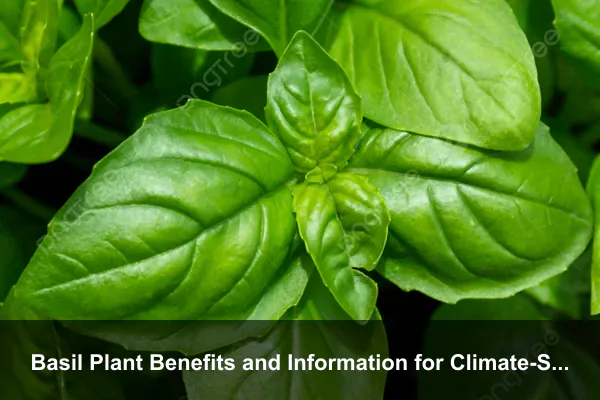
Basil is one of the most useful herbs a home gardener can grow, but its value is often reduced to a few familiar ideas: pesto, pizza, and quick kitchen garnish. A more helpful way to understand basil is as a small, fast-growing edible plant that can turn a balcony, windowsill, patio corner, or compact backyard bed into a productive herb station. When grown with the right light, soil, watering rhythm, and harvest routine, basil gives far more than flavor. It offers fresh leaves for everyday cooking, a fragrant green presence near the home, a simple entry point into edible gardening, and a practical lesson in how plants respond to heat, pruning, and seasonal change.
This guide takes a climate-smart, small-space approach to Basil plant benefits and information. Instead of repeating a general herb overview, it focuses on how basil can be planned, grown, harvested, and used efficiently in tight spaces and warm conditions. Whether you live in an apartment, manage a small kitchen garden, or want one reliable herb pot near the door, basil can become a compact source of plant benefits, culinary freshness, and gardening confidence.
Why Basil Deserves a Place in Small Edible Gardens
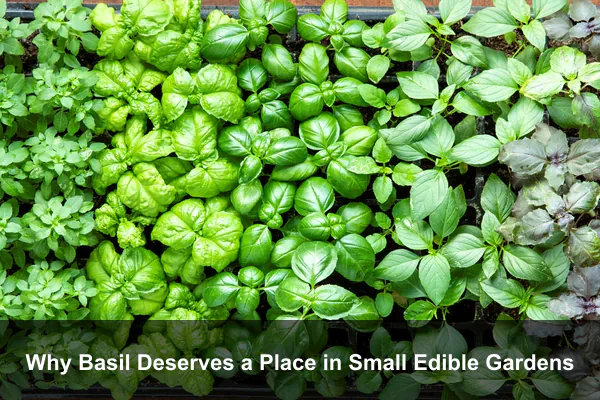
Basil, botanically known as Ocimum basilicum, is a tender annual herb in many climates. It grows quickly from seed or starter plants, produces aromatic leaves, and responds well to regular cutting. Those traits make it especially useful for people who do not have much growing space. A single healthy plant can support frequent small harvests, while several pots can supply a household with fresh leaves for sauces, salads, soups, rice dishes, noodles, eggs, sandwiches, and herbal drinks.
For small-space gardeners, basil has three major advantages. First, it is productive in containers when given enough sunlight and root room. Second, it gives visible feedback. Leaves droop when thirsty, stretch when light is weak, yellow when roots are stressed, and become bushier after good pruning. Third, basil fits easily into daily routines. You can keep it near the kitchen, water it during morning chores, and harvest only what you need.
In the broader context of plant benefits, basil is valuable because it combines edible use, sensory appeal, and beginner-friendly learning. It does not require a large garden bed or expensive equipment. It asks for attention, but not constant fussing. That balance makes basil a practical plant for renters, urban homes, families teaching children about food plants, and anyone who wants fresh herbs without building a full vegetable garden.
Key Basil Plant Benefits Beyond Basic Flavor
The most obvious benefit of basil is taste, but the plant has a wider role in a healthy, useful home garden. Its benefits are best understood as practical everyday advantages rather than exaggerated health claims. Basil supports better cooking habits, encourages fresh food preparation, and brings a living edible plant into spaces that might otherwise be unused.
Fresh Leaves Encourage Home Cooking
Fresh basil can make simple meals feel more complete. A few torn leaves can lift tomato dishes, lentils, grilled vegetables, omelets, pasta, noodle bowls, soups, and homemade dressings. Because basil has a strong aroma, small amounts can reduce the need for heavy sauces or overly salty seasoning. This does not make basil a medical solution, but it can support more flavorful home cooking with whole ingredients.
A Compact Source of Plant-Based Nutrients
Basil leaves contain small amounts of vitamins, minerals, and plant compounds. Because most people eat basil in modest portions, it should not be treated as a primary nutrition source. Its real value is cumulative: it adds freshness, color, and variety to meals. When basil is used alongside vegetables, beans, grains, fish, eggs, tofu, or lean proteins, it helps make nutritious food more appealing.
Aromatherapy-Like Sensory Value Without Overclaiming
Many people enjoy basil because brushing the leaves releases a bright, green, spicy fragrance. This scent can make a kitchen window, balcony, or garden path feel more alive. The experience can be calming or uplifting for some people, especially when paired with simple gardening actions like watering, pruning, and harvesting. However, basil should be described honestly: smelling or growing basil may support a pleasant home atmosphere, but it is not a treatment for stress, anxiety, or illness.
Fast Feedback for Beginner Gardeners
Basil teaches important gardening skills quickly. If you cut the top correctly, side shoots develop. If the soil dries out too long, leaves wilt. If the plant flowers, leaf production often slows. If the pot is too small, roots crowd and growth weakens. These lessons are visible within days or weeks, which makes basil an excellent learning plant for people building confidence in plant care.
Understanding Basil Growth Habits Before You Plant
Good basil care starts with understanding how the plant naturally grows. Basil prefers warmth, bright light, and evenly moist but well-drained soil. It is not a cold-weather herb. Chilly nights, wet roots, and deep shade can weaken it quickly. In tropical and warm regions, basil may grow vigorously, but it can still suffer from heat stress if the container dries too fast or sits against a hot wall all day.
Annual Growth and Flowering
Most sweet basil is grown as an annual, meaning it completes its main life cycle in one season. It starts as a leafy young plant, develops branching stems, and eventually tries to flower. Flowering is not a failure. It is a normal stage. However, if your goal is tender leaves, you should pinch flower buds early. Once flowering becomes heavy, the plant often shifts energy away from leaf production and the flavor may become stronger or slightly bitter.
Root Space Matters
Basil looks delicate above the soil, but it needs enough root room to stay productive. A tiny decorative pot may keep a plant alive for a short time, but it will not support steady harvesting. For one basil plant, choose a pot that is at least 6 to 8 inches deep and wide. For a fuller plant or hotter climates, a 10 to 12 inch container is more forgiving because it holds moisture longer and gives roots more space.
Light Drives Flavor and Fullness
Basil usually performs best with 6 or more hours of bright light each day. In very hot climates, morning sun with light afternoon shade can be better than harsh all-day exposure. In apartments, the brightest window is usually necessary, and outdoor balconies often outperform indoor sills. If the stems grow long and thin with large gaps between leaves, the plant is likely reaching for more light.
Climate-Smart Basil Care for Heat, Rain, and Limited Space
A climate-smart basil routine is not complicated. It means matching care to the real conditions around the plant: sun intensity, wind, rainfall, pot size, and the way heat builds up on balconies or paved areas. Basil can be easy, but it is not automatic. Small containers dry faster than garden beds, and urban surfaces can create warmer microclimates than weather forecasts suggest.
Water Deeply, Then Let the Surface Settle
Basil dislikes both drought and soggy roots. The best approach is to water thoroughly until moisture reaches the root zone, then wait until the top layer of soil begins to feel slightly dry before watering again. In hot weather, container basil may need water daily. In cooler or rainy periods, it may need much less. Avoid watering by calendar alone. Check the soil with a finger, observe leaf firmness, and adjust.
Useful watering habits include:
- Water near the soil surface rather than splashing the leaves.
- Use pots with drainage holes so excess water can escape.
- Water in the morning when possible, especially in humid areas.
- Move small pots away from walls or tiles that radiate intense heat.
- Add mulch such as dry leaves or clean straw in outdoor containers to slow evaporation.
Build Better Soil for Containers
Garden soil alone is often too dense for pots. Basil grows better in a loose potting mix that drains well but still holds some moisture. A practical container mix may include quality potting soil, compost, and a drainage-friendly material such as perlite, pumice, or rice husk charcoal depending on local availability. The goal is a mix that stays lightly moist without becoming compacted.
Protect Basil From Heavy Rain
In rainy seasons, basil can struggle if the pot remains wet for too long. Heavy rain may splash soil onto leaves, spread disease, or flatten young stems. If your basil is outdoors, place it where it receives rain protection during storms, such as under a bright eave or on a covered balcony. Good airflow is also important. Crowded pots with wet leaves are more likely to develop fungal problems.
How to Design a Small Basil Growing Setup
A productive basil setup does not need to be large. The best design is the one you can maintain easily. Before buying plants, think about where sunlight lands, where water drains, and how often you cook with fresh herbs. A basil pot that is easy to reach will usually be harvested and cared for more consistently than one hidden in a distant corner.
Single Pot Setup
A single basil plant in a medium pot is ideal for beginners. Use one healthy starter plant or sow a few seeds and thin them to the strongest seedling. Keep the pot near the kitchen door, on a sunny balcony ledge, or beside a bright window. This setup works well for occasional harvesting and simple meal garnish.
Three-Pot Rotation
If you cook with basil often, a three-pot rotation is more reliable. Keep one mature plant for regular harvest, one younger plant growing behind it, and one newly started plant for the next cycle. This avoids the disappointment of cutting one plant too heavily. It also helps when older plants begin to flower or decline.
Mixed Herb Container
Basil can share a large container with herbs that enjoy similar moisture, but it should not be crowded. Pair it with plants that like regular watering, such as parsley or cilantro in mild conditions. Be careful with aggressive herbs such as mint, which can dominate root space. Rosemary, thyme, and lavender usually prefer drier soil than basil, so they are often better in separate pots.
Pruning Basil for More Leaves and Longer Use
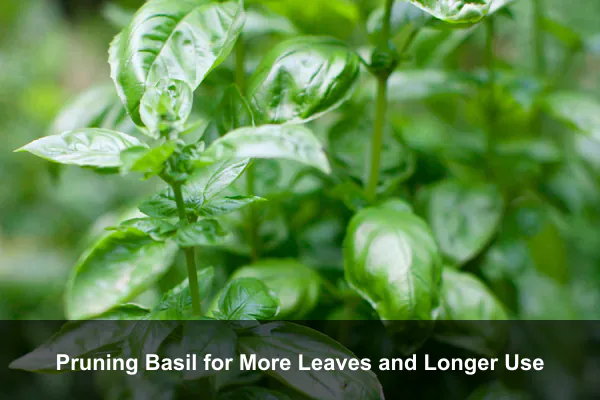
Pruning is one of the most important parts of basil care. Many beginners pick single large leaves from the lower part of the plant. That works for a quick garnish, but it does not shape the plant well. To encourage bushy growth, cut or pinch the stem just above a pair of leaves. New side shoots will develop from that point, creating more stems and more future harvest points.
When to Start Pruning
Begin pruning when the plant has several sets of true leaves and looks strong enough to recover. Do not remove most of the plant at once when it is still small. A good rule is to take no more than one third of the plant at a time. Regular light pruning is better than rare severe cutting.
How to Pinch Flower Buds
When you see tiny flower buds forming at the stem tips, pinch them off. This keeps the plant focused on leaves for a longer period. If you want to support pollinators or collect seeds, you can allow one plant to flower later in the season, but keep your main kitchen plant pruned for leaf quality.
Harvest Timing for Best Quality
Harvest in the morning after the plant has recovered from the night but before intense heat causes stress. Use clean scissors or fingers, and avoid tearing stems roughly. Freshly cut basil is delicate. If you are not using it immediately, place stems in a small glass of water at room temperature for short-term use, or process the leaves for storage.
Practical Kitchen Uses That Fit Everyday Meals
Basil is often associated with Mediterranean cooking, but it works in many food traditions when used thoughtfully. The key is to add it at the right moment. Fresh basil loses some aroma when cooked for a long time, so it is often best added near the end of cooking or used raw as a finishing herb.
Everyday ways to use basil include:
- Tearing leaves over tomato, cucumber, or grilled vegetable salads.
- Blending basil with oil, garlic, nuts or seeds, and a little salt for a quick sauce.
- Adding chopped leaves to omelets, scrambled eggs, or tofu dishes.
- Stirring basil into soups after turning off the heat.
- Layering leaves into sandwiches, wraps, and rice bowls.
- Mixing basil with lemon or lime juice for bright dressings.
- Adding a few leaves to infused water or herbal drinks for aroma.
For the best flavor, cut basil just before use. If the leaves are dusty, rinse gently and dry them well. Wet basil bruises easily and can turn dark during storage. Use a sharp knife only when necessary, because crushing can darken the leaves. Tearing by hand is often enough for casual cooking.
Storing Basil Without Wasting the Harvest
Basil can grow quickly, especially during warm months. Without a storage plan, gardeners may end up with more leaves than they can use in one meal, then watch them wilt on the counter. Low-waste basil use is simple when you match the storage method to your cooking habits.
Short-Term Counter Storage
For stems you will use within a day or two, place them in a small glass with a little water, like cut flowers. Keep them at room temperature and out of harsh sun. Refrigeration can darken basil leaves, especially if they are cold-sensitive varieties. If you must refrigerate, wrap leaves gently in a slightly damp towel and use them soon.
Freezing for Sauces and Soups
Freezing changes basil texture, but it preserves flavor for cooked dishes. Blend leaves with a little oil and freeze the mixture in small portions. These cubes can be stirred into sauces, soups, stews, and marinades. This method is especially useful when pruning produces more leaves than expected.
Drying With Realistic Expectations
Dried basil is convenient, but it does not taste exactly like fresh basil. Dry leaves in a shaded, airy place or use a low-temperature dehydrator if available. Store dried basil in an airtight container away from light and heat. Label the date, because dried herbs gradually lose strength.
Common Basil Problems and What They Tell You
Basil problems are usually signals rather than mysteries. The plant reacts quickly to stress, and careful observation can prevent small issues from becoming major failures. Most problems come from unsuitable light, inconsistent water, poor drainage, crowding, or seasonal change.
Yellow Leaves
Yellowing leaves may suggest overwatering, hungry soil, old lower growth, or root stress. Check the pot before adding fertilizer. If the soil is constantly wet, improve drainage and reduce watering. If the plant is growing strongly but pale, a light feeding with balanced organic fertilizer or compost tea may help.
Drooping Leaves
Drooping often means the plant is thirsty, but it can also happen when roots are damaged or soil is waterlogged. If the soil is dry, water deeply and provide temporary shade during extreme heat. If the soil is wet and the plant droops, roots may be struggling from lack of oxygen.
Leggy Growth
Long stems with sparse leaves usually point to insufficient light or delayed pruning. Move the plant to a brighter position and pinch the growing tips once it is healthy enough. Do not expect a very weak plant to become full overnight. Give it better light, then prune gradually.
Leaf Spots and Mildew
Leaf spots, gray patches, or powdery growth can appear when leaves stay wet and airflow is poor. Remove badly affected leaves, avoid overhead watering, increase spacing, and place the plant where it dries faster after rain. If disease returns repeatedly, start a new plant in fresh soil and clean the container before replanting.
Safe Use: Culinary Herb, Not a Cure-All
Basil is widely used as a culinary herb, and normal food amounts are suitable for most people. Still, responsible plant information should separate everyday food use from concentrated products. Basil essential oil, extracts, and high-dose supplements are not the same as fresh leaves in a meal. People who are pregnant, nursing, managing medical conditions, preparing for surgery, or taking medication should ask a qualified health professional before using concentrated herbal products.
For pets, basil is generally considered a low-risk culinary herb, but animals should not be encouraged to eat large amounts of any herb. If a pet chews a plant and shows vomiting, lethargy, or unusual behavior, contact a veterinarian. In homes with pets or children, avoid chemical pesticides on edible herbs and label any homemade sprays clearly.
Safe basil habits include:
- Wash leaves before eating, especially if grown outdoors.
- Use food-safe soil, containers, and pest control methods.
- Avoid harvesting from plants exposed to roadside pollution or unknown chemicals.
- Do not confuse culinary basil with unrelated ornamental plants.
- Use concentrated basil products only with proper guidance.
Buying Basil Plants and Starting From Seed
You can grow basil from seed or buy a young plant. Both methods work, but they suit different goals. Starter plants give faster harvests and are useful for beginners who want immediate results. Seeds are more economical and allow you to grow several plants for rotation, but they require patience and steady moisture during germination.
Choosing a Healthy Starter Plant
Look for basil with sturdy stems, bright leaves, and no signs of pests. Avoid plants that are already flowering heavily, yellowing at the base, or packed with many seedlings in one tiny pot. Supermarket basil often contains crowded young plants grown for quick sale. You can still use it, but it usually performs better if divided carefully and replanted into larger containers.
Seed Starting Basics
Sow basil seeds shallowly in warm conditions. Keep the mix moist but not soaked. Once seedlings develop true leaves, give them strong light and gentle airflow. Thin crowded seedlings so the remaining plants have room. Crowding may look productive at first, but it often creates weak stems and disease problems later.
Seasonal Planning for Continuous Basil Benefits
Basil is most rewarding when you plan for its natural cycle instead of expecting one plant to last forever. In warm seasons, start new plants every few weeks if you use basil heavily. In cooler seasons, reduce expectations or grow basil indoors under strong light. In tropical climates, watch for heavy rain, intense midday sun, and pest pressure rather than frost.
A simple basil calendar for many home gardeners looks like this:
- Early season: Start seeds or buy young plants when temperatures are reliably warm.
- Growth stage: Provide bright light, steady moisture, and the first pruning cuts.
- Main harvest: Cut regularly above leaf pairs to keep plants branching.
- Flower watch: Pinch buds on kitchen plants and decide whether to let one plant bloom later.
- Replacement stage: Start new plants before old ones become woody or tired.
- Storage stage: Freeze or dry extra leaves before quality declines.
This rotation mindset keeps basil useful for longer and reduces frustration. Instead of seeing an old flowering plant as a failure, treat it as a sign that the next plant should already be growing.
Conclusion: Basil as a Small Plant With Practical Daily Value
Basil plant benefits and information are most useful when they connect directly to real home routines. Basil is not just a decorative herb or a one-recipe ingredient. It is a compact edible plant that can improve everyday cooking, teach essential gardening skills, add fragrance to small spaces, and make balconies, patios, and windowsills more productive. With enough light, a suitable container, careful watering, and regular pruning, basil can produce fresh leaves for weeks or months in a very small footprint.
The best way to grow basil is to work with its nature. Give it warmth, drainage, root space, and frequent light harvests. Protect it from waterlogged soil, harsh stress, and neglected flowering if your goal is tender leaves. Use it generously in food, store extra harvests wisely, and keep safety claims realistic. For anyone interested in useful plants, edible gardening, or the everyday benefits of herbs, basil remains one of the most practical and rewarding choices for a climate-smart small-space garden.
