
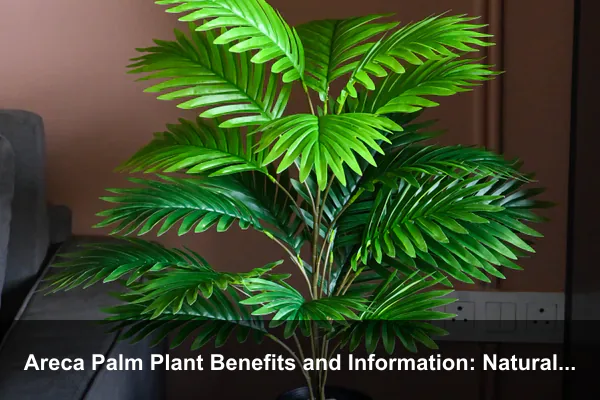
The Areca Palm is often described as a decorative indoor plant, but its real value goes beyond simply filling an empty corner. With tall cane-like stems, soft arching fronds, and a naturally layered shape, this plant can work like a living screen, a gentle room divider, and a visual bridge between indoor comfort and outdoor freshness.
This guide explores Areca Palm plant benefits and information from a unique home-design angle: how to use the plant for privacy, room zoning, better indoor flow, and practical everyday living. You will also find essential care guidance, buying tips, safety notes, and problem-solving advice so the plant remains attractive for the long term.
What Makes the Areca Palm Distinctive?
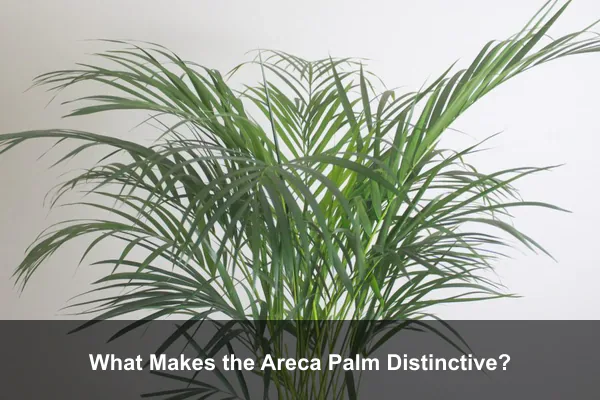
The Areca Palm, commonly known as Dypsis lutescens, is a tropical palm loved for its graceful, feather-like leaves. Unlike compact tabletop plants, it grows upward and outward, creating height without looking heavy. This makes it especially useful in homes, apartments, offices, studios, and reception areas where structure is needed without building walls.
Basic Plant Profile
- Common names: Areca Palm, Butterfly Palm, Golden Cane Palm, Yellow Palm
- Botanical name: Dypsis lutescens
- Plant type: Tropical ornamental palm
- Best indoor light: Bright, indirect light
- Growth habit: Upright clumps with arching fronds
- Typical indoor use: Floor plant, privacy screen, room divider, background greenery
Its clustered stems create a layered look, while the narrow leaves allow light to pass through. That combination is important: the Areca Palm offers privacy without making a room feel closed, dark, or crowded.
Key Areca Palm Benefits for Modern Homes
Many plant benefit guides focus only on air quality or decoration. Those are valid topics, but the Areca Palm has a broader role in how a room feels and functions. Its shape can influence movement, focus, comfort, and the sense of separation between activities.
Natural Privacy Without Permanent Barriers
In open-plan homes, one space often has to serve many purposes. A living room may also become a work area, dining corner, reading space, or exercise zone. An Areca Palm can soften sightlines and create a feeling of privacy without the cost or rigidity of shelves, screens, or partitions.
Place one large Areca Palm beside a sofa, near a desk, or between a dining area and lounge. The plant will not block everything completely, but it reduces visual exposure in a relaxed and natural way.
A Softer Alternative to Furniture Dividers
Bookshelves and folding screens can divide space, but they may feel bulky in small rooms. The Areca Palm gives structure while staying visually light. Its vertical stems add rhythm, while the fronds soften edges around furniture, electronics, and hard architectural lines.
Better Backgrounds for Work and Video Calls
For people who work from home, the Areca Palm can create a polished but natural backdrop. It looks professional without feeling artificial, and it helps hide plain walls, storage, or busy corners behind a desk. A well-placed palm behind or beside a chair can make a workspace feel more intentional.
A Calm Visual Anchor
Plants can help a room feel more settled because they introduce organic shapes into spaces filled with rectangles: screens, desks, doors, tiles, cabinets, and windows. The Areca Palm is especially effective because it is tall enough to become a visual anchor but soft enough not to dominate the room.
How to Use Areca Palm for Room Zoning
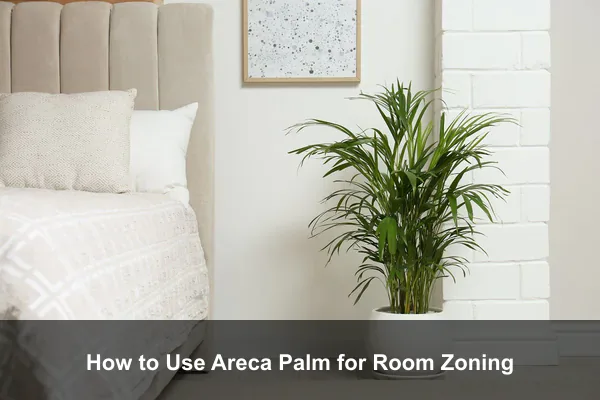
Room zoning means giving each area a clear purpose. The Areca Palm is useful for this because it creates gentle separation while preserving airflow, light, and openness.
Living Room Zoning
Place a medium or large Areca Palm at the side of a sofa to define the lounge area. If the sofa floats in an open room, the plant can make the seating arrangement feel more grounded. For stronger separation, use two palms of similar height on either side of a console table.
Home Office Corners
In a bedroom or living room office setup, position the plant near the outer edge of the desk area. It can mark the workspace boundary without making the room feel like an office all day. This is especially helpful in small apartments where visual transitions matter.
Entryways and Transition Spaces
An Areca Palm near an entrance can create a gentle pause between the outside world and the main living area. It works well beside a bench, shoe cabinet, or console table. The goal is not to block the doorway, but to make the entry feel organized and welcoming.
Balcony and Indoor-Outdoor Corners
Where climate and light conditions allow, Areca Palm can support an indoor-outdoor feeling near balcony doors, covered patios, or bright windows. It helps connect the living space to outdoor greenery, especially in urban homes where garden space is limited.
Best Placement for Light, Space, and Comfort
Good placement is one of the most important parts of Areca Palm care. A plant in the wrong spot may survive for a while, but it will lose color, develop brown tips, or grow unevenly.
Light Requirements
Areca Palm performs best in bright, indirect light. A spot near an east-facing window or a filtered south- or west-facing window is usually suitable. Direct harsh afternoon sun can scorch the fronds, while very low light may cause thin, weak growth.
If the plant leans toward the window, rotate the pot every few weeks. This keeps the growth balanced and prevents one side from becoming dense while the other looks sparse.
Temperature and Airflow
Because it is a tropical plant, Areca Palm prefers warm indoor temperatures and stable conditions. Avoid placing it directly beside air-conditioning vents, heaters, drafty doors, or hot radiators. Sudden dry airflow is one of the common reasons indoor palms develop crispy leaf tips.
Choosing the Right Size
Before buying, measure the area where the plant will live. Areca Palm fronds spread outward, so the pot footprint is only part of the total space needed. Leave enough room for leaves to arch naturally without being crushed against walls, curtains, or furniture.
Care Guide for a Strong and Attractive Areca Palm
Areca Palm care is manageable when you focus on consistency. The plant does not need constant attention, but it does respond poorly to extremes: too much water, too little water, intense sun, or dry drafts.
Watering Rhythm
Water when the top layer of soil feels slightly dry. The exact timing depends on light, pot size, temperature, and season. Instead of watering on a fixed calendar, check the soil with your finger. If the top few centimeters feel dry, water thoroughly until excess moisture drains from the bottom.
Do not let the pot sit in standing water. Soggy soil can damage roots and eventually cause yellowing fronds or stem decline.
Soil and Potting
Use a well-draining potting mix that holds some moisture but does not stay compacted. A quality indoor plant mix can work well, especially when improved with materials such as perlite or fine bark. The container should have drainage holes.
Repot only when necessary. Areca Palm generally prefers a stable root environment, so moving it into a much larger pot too quickly can increase the risk of overwatering. Choose a pot only slightly larger than the current one when roots become crowded.
Cleaning and Pruning
Dust can collect on the narrow leaflets and reduce the plant’s fresh appearance. Wipe fronds gently with a damp cloth or rinse them occasionally in a shower area if the pot is manageable. Remove fully brown or dead fronds at the base using clean scissors.
Avoid cutting brown tips into unnatural shapes. If you trim tips, follow the natural angle of the leaf so the plant still looks balanced.
Feeding
During active growth, a balanced indoor plant fertilizer can support healthy foliage. Use a light hand and follow the product instructions. Too much fertilizer can burn roots or cause leaf tip damage, so moderate feeding is better than aggressive feeding.
Common Problems and What They Mean
Areca Palm problems often show up through leaf color and texture. Reading these signals early helps you correct conditions before the plant declines severely.
Brown Leaf Tips
Brown tips are common on indoor palms. Possible causes include inconsistent watering, dry air from vents, fertilizer buildup, or minerals in water. Trim damaged tips if needed, but focus on improving the cause. Use filtered water if your tap water is very hard, and flush the soil occasionally by watering thoroughly and allowing it to drain.
Yellowing Fronds
Yellow leaves may signal overwatering, poor drainage, low light, or natural aging. If older lower fronds yellow slowly, that can be normal. If many fronds yellow at once, check the roots, drainage, and watering habits.
Pale or Weak Growth
Weak growth usually means the plant needs more light. Move it closer to a bright window, but avoid sudden exposure to strong direct sun. Gradual adjustment is safer.
Pests
Spider mites, scale, and mealybugs can appear on stressed indoor palms. Inspect the undersides of fronds and the bases of stems. Early treatment with gentle cleaning, insecticidal soap, or horticultural oil is usually more effective than waiting until pests spread.
Safety and Practical Use Around Family Spaces
Areca Palm is widely chosen for family homes because it is generally considered a pet-friendly houseplant compared with many toxic ornamentals. Even so, pets and children should not be encouraged to chew the leaves. Eating plant material can still cause mild stomach discomfort or create a mess around the pot.
For homes with active pets, choose a heavy planter that will not tip easily. You can also top the soil with large decorative stones to reduce digging, as long as they do not block watering or drainage.
Buying Tips: How to Choose a Healthy Areca Palm
A strong plant at the beginning is easier to maintain than a stressed bargain plant. When shopping, inspect the Areca Palm from soil level to leaf tips.
- Choose plants with full, upright stems and evenly colored green fronds.
- Avoid plants with many yellow leaves, mushy stems, or a sour smell from the soil.
- Check under the leaves for pests, webbing, sticky residue, or white cottony patches.
- Look for a pot with drainage holes, or plan to move the nursery pot into a proper container.
- Pick a size that fits your room now, not only the size you hope the plant becomes later.
If you are using the Areca Palm as a privacy plant, buy for height and density. A very small palm may look attractive on its own but will not create enough screening effect until it matures.
Design Ideas That Keep the Look Fresh
The Areca Palm fits many interior styles because its form is natural rather than overly formal. It can work in minimalist rooms, relaxed family spaces, modern apartments, and work-focused interiors.
Pair With Simple Containers
Because the fronds already create visual movement, simple planters often look best. Matte ceramic, fiberstone, terracotta, or woven baskets can all work, depending on the room. Avoid overly busy patterns if the plant is already near rugs, shelves, or artwork.
Use Repetition Carefully
Two Areca Palms can create symmetry around a doorway, media unit, or seating area. However, too many large palms in one room may feel crowded. Balance the palm with lower plants, plain walls, and open floor space.
Combine With Functional Furniture
For room zoning, pair the palm with a console table, slim bench, low cabinet, or desk edge. The plant marks the vertical boundary while the furniture defines the horizontal line. Together, they create a clear zone without heavy construction.
Conclusion: Is Areca Palm the Right Plant for You?
The Areca Palm is a strong choice if you want more than a pretty houseplant. Its height, soft fronds, and layered growth make it useful for natural privacy, room zoning, home office backdrops, and calm indoor structure. It brings the benefits of greenery into daily life while helping a room feel more organized and comfortable.
For best results, give it bright indirect light, consistent watering, good drainage, and enough space for the fronds to spread. With thoughtful placement and steady care, the Areca Palm can become a long-lasting living feature that improves both the look and function of your home.
