
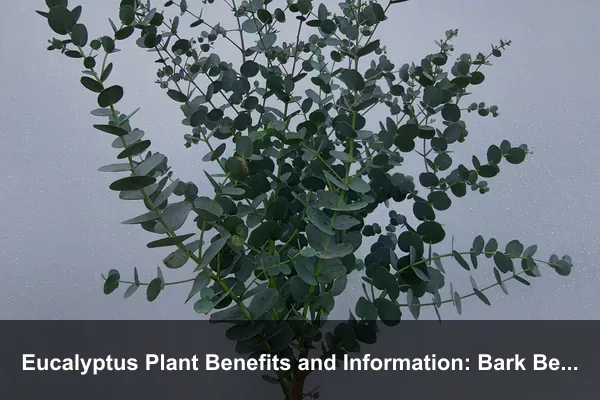
Eucalyptus plant benefits and information are often discussed through scent, essential oils, or fast-growing shade trees, but one of the most practical ways to understand this plant is by looking at how it behaves in a real yard. Eucalyptus is not a silent background plant. It drops leaves, sheds bark, carries a strong aroma, grows quickly in suitable climates, and changes the texture of a garden through the seasons. For homeowners, gardeners, and plant lovers, those traits can become either an advantage or a maintenance problem depending on planning.
This guide takes a different angle from the usual eucalyptus overview. Instead of focusing only on fragrance or general care, it explains how eucalyptus supports outdoor spaces through bark interest, evergreen structure, leaf litter management, practical placement, and responsible home use. In the context of Manfaat Tanaman, or plant benefits, eucalyptus is best appreciated as a useful landscape plant that needs informed decisions. The goal is not to treat eucalyptus as a miracle plant, but to help you understand where it fits, what benefits it can offer, and how to care for it without creating avoidable issues.
Why Eucalyptus Deserves a Practical Yard-Care Perspective
Eucalyptus is a broad group of trees and shrubs, with hundreds of species native mainly to Australia and nearby regions. Some are towering forest trees, while others remain smaller and more suitable for gardens. Many species are known for aromatic leaves, smooth or peeling bark, and a rapid growth habit. These qualities make eucalyptus visually distinctive, but they also mean the plant interacts strongly with its surroundings.
For SEO readers searching for Eucalyptus plant benefits and information, the most useful starting point is this: eucalyptus is a high-character plant, not a set-and-forget decoration. It can provide vertical structure, year-round foliage, natural scent, and striking bark color. At the same time, it may need space, thoughtful pruning, regular cleanup, and careful handling around children, pets, paths, roofs, and drains.
In warm and suitable climates, eucalyptus can become a long-term landscape feature. In cooler regions, some gardeners grow selected types in large containers, sheltered courtyards, or seasonal displays. Either way, success depends on matching the plant to the site rather than forcing it into a space where its mature size, roots, or leaf drop will become a burden.
A plant with benefits and responsibilities
The benefit of eucalyptus is not only what the plant gives, but also what it teaches. Its fast growth makes gardeners pay attention to scale. Its leaf litter encourages better soil-surface management. Its aromatic foliage reminds households to use plant materials safely. Its bark adds beauty without relying on flowers. A well-placed eucalyptus can make a garden feel cooler, more textured, and more established, but a poorly placed one can create extra maintenance.
Not every eucalyptus is the same
One common mistake is treating all eucalyptus plants as if they behave identically. Species differ in mature height, leaf shape, cold tolerance, bark texture, growth rate, and suitability for pruning. A small ornamental eucalyptus used for foliage arrangements is very different from a tall landscape tree planted near a boundary wall. Before buying, check the botanical name, mature size, local climate suitability, and whether it is considered appropriate in your region.
Main Benefits of Eucalyptus in a Home Landscape
Eucalyptus offers several plant benefits when it is grown in the right place. These benefits are strongest when the plant has room to mature, receives sufficient light, and is managed with realistic expectations. The following advantages make eucalyptus valuable for certain gardens, patios, and larger yards.
Evergreen structure and visual height
Many eucalyptus plants keep their foliage through the year, giving the garden a steady backbone even when seasonal flowers fade. The upright habit can frame a view, soften a fence, or add a strong vertical accent to open spaces. In minimalist gardens, the clean trunk and simple leaf forms can provide structure without looking heavy.
This evergreen presence is especially useful in outdoor areas that need continuity. A garden that looks empty in the dry season or cool months can feel more alive when eucalyptus contributes permanent texture. The leaves often move lightly in the wind, adding a subtle sense of motion that makes the garden feel active.
Bark beauty without relying on blooms
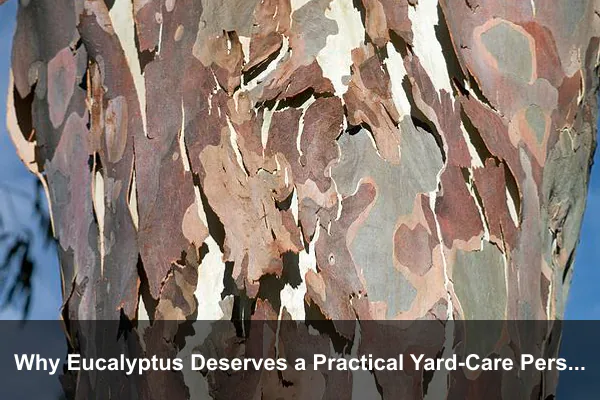
Many plants are valued mainly for flowers, but eucalyptus can be ornamental because of its bark. Some species develop smooth pale trunks, others peel in ribbons, and some reveal patches of cream, tan, gray, copper, or green. This bark character can become a focal point in a garden design, especially when lower branches are managed carefully and the trunk is visible.
Bark interest is a practical benefit because it lasts longer than a flowering season. A eucalyptus with attractive bark can support a garden composition throughout the year. It also pairs well with grasses, gravel paths, simple groundcovers, and drought-tolerant planting schemes where texture matters as much as color.
Aromatic foliage for sensory value
The familiar eucalyptus scent comes from natural compounds in the leaves. In a garden, this aroma is usually released when leaves are crushed, warmed by the sun, or moved by air. The scent can make pathways, sitting areas, and work corners feel fresher, but it should be treated as a sensory plant benefit rather than a guaranteed health treatment.
For families who enjoy sensory gardening, eucalyptus can be part of a plant collection that includes herbs, textured leaves, fragrant flowers, and ornamental grasses. The key is moderation. Fresh leaves can be enjoyed visually and aromatically, but concentrated eucalyptus oil should be used with caution and kept away from children, pets, and anyone sensitive to strong scents.
Useful cut foliage
Some eucalyptus types produce leaves that are popular in floral arrangements. Rounded juvenile leaves, blue-green foliage, and long stems can be used in simple indoor displays after proper harvesting. This makes eucalyptus useful for gardeners who like bringing plant material indoors without relying only on flowers.
Cut stems can last well in vases when harvested at the right stage and kept in clean water. However, indoor use should remain decorative and sensible. Leaves should not be placed where pets may chew them, and they should not be treated as edible herbs.
Understanding Eucalyptus Leaf Litter
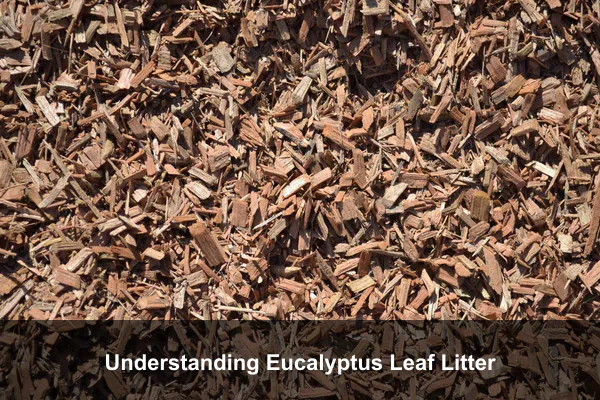
Leaf litter is one of the most important parts of eucalyptus plant benefits and information because it affects daily maintenance. Eucalyptus leaves are often leathery, aromatic, and slow to break down compared with softer garden leaves. This does not make them bad, but it does mean they need a plan.
In a natural setting, fallen eucalyptus leaves become part of the soil-surface cycle. In a home landscape, the same leaves may collect on paving, clog drains, slide underfoot, or create a dry layer around beds. The difference is not the plant itself, but the location and maintenance style.
When leaf litter is useful
In the right place, eucalyptus leaf litter can help cover bare soil, reduce erosion, and add a natural woodland look. Under mature trees, a light layer of fallen leaves may protect the soil surface from harsh sun and heavy rain. This is especially useful in informal garden zones where a perfectly clean look is not required.
Leaf litter can also become part of a low-waste garden routine. Instead of bagging every fallen leaf, gardeners can rake leaves into designated mulch areas, mix small amounts into broader compost systems, or use them around tough ornamental beds where dense vegetable production is not the goal.
When leaf litter becomes a problem
Eucalyptus leaves can be troublesome when they fall onto slick paving, narrow drains, roof gutters, ponds, or delicate seedlings. Dry leaves may also collect in corners, creating a messy appearance or increasing cleanup during windy weather. In regions with fire risk, dry plant material near buildings should be managed carefully according to local safety guidance.
For this reason, eucalyptus is usually better away from swimming pools, small courtyards with no drainage plan, vegetable beds that need frequent seed germination, and roofs where gutter access is difficult. If the plant is already established in one of these areas, regular cleanup becomes part of responsible care.
Simple leaf-litter management routine
A practical routine keeps eucalyptus useful without letting it dominate the garden. The goal is not to remove every leaf, but to keep leaves where they help and away from places where they cause problems.
- Rake paths weekly during heavy drop periods to prevent slippery surfaces.
- Clear drains and gutters before rainy seasons or storm periods.
- Keep dry litter away from structures where local fire safety is a concern.
- Use leaf litter selectively under established ornamental plantings, not around tiny seedlings.
- Mix with other materials if composting, because eucalyptus leaves break down better when balanced with softer green waste.
If you compost eucalyptus leaves, use them in moderation. Shredding or chopping leaves helps decomposition. Mixing them with grass clippings, kitchen vegetable scraps, and other garden waste creates a more balanced compost pile than using eucalyptus leaves alone.
Smart Placement: Where Eucalyptus Works Best
Placement is the difference between a eucalyptus that becomes an asset and one that becomes a regret. Because many eucalyptus plants grow fast and develop strong roots, they need enough space above and below ground. Before planting, think about mature height, canopy spread, falling leaves, shade pattern, root competition, and access for maintenance.
Best locations for larger eucalyptus trees
Larger eucalyptus species are usually better suited to open yards, boundary areas with generous setbacks, rural properties, large gardens, and spaces where their height can be appreciated. They work well where the ground below can be kept simple, such as with gravel, hardy groundcovers, native-style planting, or open mulch zones.
They are less suitable for tight spaces near house foundations, underground pipes, small patios, overhead wires, or narrow alleys. Fast growth may look attractive at first, but a tree that quickly outgrows its space can become expensive to manage.
Options for small gardens and containers
Small-space gardeners can still enjoy eucalyptus by choosing compact species, young plants grown for foliage, or container culture. In pots, eucalyptus usually needs full sun, excellent drainage, and regular monitoring because containers dry faster than garden soil. A pot also limits root spread, but it does not remove the need for pruning and repotting.
Container-grown eucalyptus is best treated as a managed ornamental plant rather than a permanent tiny tree. It may need trimming to keep its shape, and it may eventually outgrow the pot. If you live in a cooler climate, a container can be moved to a sheltered spot during harsh weather, depending on the species.
Distance from buildings and utilities
Because eucalyptus size varies widely, there is no single spacing rule that fits every species. The safest approach is to check mature dimensions before planting and leave generous space from buildings, walls, septic systems, paving, and utility lines. Local arborists, nurseries, or extension services can help identify species that suit your region.
Also consider the direction of shade and wind. A eucalyptus planted for afternoon shade may be useful, but one that blocks winter light from a small garden may reduce the performance of nearby plants. Good placement considers both immediate beauty and long-term function.
Soil, Water, and Light Information for Healthy Growth
Most eucalyptus plants prefer bright light and well-drained soil. Many are adapted to climates where water is not constantly available, but that does not mean a young eucalyptus should be ignored after planting. The first months are important for root establishment.
Light needs
Eucalyptus generally performs best in full sun. Strong light supports dense growth, good leaf color, and sturdy stems. In too much shade, the plant may stretch, lean, or develop weaker growth. If you are growing eucalyptus indoors temporarily or in a bright enclosed patio, place it near the brightest available light and rotate it occasionally for even growth.
Watering young plants
Newly planted eucalyptus needs consistent moisture while roots establish, especially in hot or windy weather. Water deeply rather than sprinkling lightly. Deep watering encourages roots to move downward into the soil instead of staying near the surface. Once established, many species handle dry periods better, but local climate, soil type, and species still matter.
A simple watering check is to feel the soil several centimeters below the surface. If it is dry and the plant is young, water thoroughly. If the soil is still moist, wait. Overwatering in poorly drained soil can cause root problems, so drainage is just as important as water supply.
Soil and drainage
Well-drained soil is essential. Heavy clay that stays wet for long periods can stress eucalyptus roots unless improved or managed carefully. Raised planting areas, organic matter used moderately, and careful watering can help, but avoid creating a small planting hole of rich material inside compacted soil, because water may collect there like a basin.
Mulch can help young plants by reducing evaporation and temperature swings. Keep mulch away from direct contact with the trunk to reduce the risk of rot. A wide, shallow mulch ring is better than a thick pile against the stem.
Pruning and Maintenance Without Overworking the Plant
Eucalyptus grows with energy, and that energy needs direction in home landscapes. Pruning can improve shape, manage size, remove damaged wood, and encourage useful foliage. However, harsh or poorly timed pruning can weaken the plant or create awkward regrowth.
Prune with a clear purpose
Do not prune eucalyptus just because it is growing. Prune because you have a specific goal: removing crossing branches, lifting the canopy from a path, keeping a container plant compact, harvesting foliage, or correcting storm damage. Purposeful pruning reduces stress and prevents the plant from developing a weak structure.
For larger trees, major pruning should be handled by qualified professionals. Eucalyptus wood and branch behavior can vary, and large cuts near buildings or paths can create safety issues. A professional arborist can assess structure, branch weight, and proper timing.
Managing juvenile foliage
Some eucalyptus plants are grown for attractive juvenile leaves, which may be rounder or more decorative than mature leaves. Gardeners sometimes prune young stems to encourage this foliage for arrangements. This practice works best on appropriate species and young plants, not on large mature trees that are being forced into constant regrowth.
If your goal is cut foliage, plant eucalyptus where harvesting is easy and safe. Reaching awkwardly into tall branches is not worth the risk. A smaller plant managed for stems is more practical than a large tree planted too close to the house.
Seasonal cleanup checklist
- Inspect after storms for broken branches or hanging limbs.
- Clear leaf buildup from paths, gutters, and drains.
- Refresh mulch zones without piling material against the trunk.
- Check container roots if the plant dries out very quickly or leans.
- Review size yearly to decide whether pruning or professional advice is needed.
Safe Home Use of Eucalyptus Leaves and Scent
Eucalyptus is strongly associated with wellness products, but responsible information matters. The plant can be enjoyed for scent, foliage, and garden value, yet concentrated eucalyptus oil is powerful and should not be swallowed or used carelessly. Natural does not automatically mean harmless.
Decorative and aromatic use
Fresh or dried eucalyptus stems can be used in arrangements, wreaths, or simple home displays. Their scent can feel refreshing, and the leaves add a clean visual texture. Keep displays away from curious pets and young children, especially if leaves may fall onto the floor.
Some people hang eucalyptus in bathrooms for aroma, but warm moisture can make scent stronger. Anyone with asthma, scent sensitivity, allergies, or respiratory conditions should be cautious. If a scent causes irritation, headaches, coughing, or discomfort, remove the plant material.
Essential oil caution
Eucalyptus essential oil is much more concentrated than fresh leaves. It should be stored securely, used according to product directions, and kept away from children and pets. It should not be ingested, applied undiluted to skin, or used as a substitute for medical treatment. People who are pregnant, nursing, taking medication, or managing health conditions should seek professional guidance before using concentrated oils.
This safe-use approach does not reduce the value of eucalyptus. It simply keeps the benefits realistic. The plant can support a pleasant sensory environment, but health claims should be treated carefully and responsibly.
Eucalyptus and Other Plants: Designing a Balanced Garden
Eucalyptus can look beautiful with the right companions, but it is not always the easiest tree to underplant. Its shade, roots, and leaf litter may challenge delicate plants. Instead of fighting those traits, choose planting partners that suit the conditions below and around the tree.
Companion planting style
Under or near eucalyptus, tough ornamental grasses, drought-tolerant shrubs, gravel gardens, and simple mulch areas often work better than thirsty annual flowers. Plants with strong root systems and similar light-water preferences are more likely to succeed. Avoid placing high-maintenance vegetables or moisture-loving plants directly beneath a large eucalyptus canopy.
A balanced design might use eucalyptus as the vertical anchor, with lower plants arranged in layers. Keep the area around the trunk open enough for airflow, inspection, and cleanup. This makes the garden easier to maintain and helps the eucalyptus remain visually strong.
Using contrast for beauty
The blue-green or gray-green leaves of many eucalyptus species pair well with deep green shrubs, dark mulch, pale gravel, terracotta pots, and silver-leaved herbs. Bark color can be highlighted with simple backgrounds. If the bark is a major feature, avoid crowding the trunk with dense planting.
Contrast also matters in texture. Fine grasses, broad-leaved shrubs, and low groundcovers can soften the upright habit of eucalyptus. This creates a garden that feels intentional rather than dominated by one fast-growing plant.
Common Mistakes to Avoid
Many eucalyptus problems begin before the plant is in the ground. A beautiful young plant in a nursery pot can be misleading because it does not show mature scale. Avoiding a few common mistakes can save years of maintenance stress.
- Buying without checking the species: Always confirm mature height, spread, and climate suitability.
- Planting too close to buildings: Leave enough room for roots, canopy, leaf drop, and maintenance access.
- Ignoring leaf litter: Plan where leaves will fall before planting near paths, drains, or pools.
- Using eucalyptus oil casually: Treat concentrated oil as a strong product, not a harmless household scent.
- Overpruning large trees: Major structural work should be done with expert guidance.
- Expecting lush underplanting everywhere: Choose tough companion plants that match the dry, competitive conditions.
These mistakes do not mean eucalyptus is a bad plant. They show that eucalyptus rewards planning. When the site is right, the plant can be beautiful, useful, and relatively straightforward to maintain.
Conclusion: The Real Value of Eucalyptus
Eucalyptus plant benefits and information should be understood through both beauty and responsibility. The plant can offer evergreen structure, aromatic foliage, ornamental bark, useful cut stems, soil-surface cover, and a strong sense of place in the landscape. Its value is especially clear in gardens where texture, height, and year-round interest matter.
At the same time, eucalyptus asks for practical thinking. Leaf litter needs management, mature size must be respected, concentrated oils require caution, and planting location should be chosen carefully. For gardeners who want a plant with character, eucalyptus can be an excellent choice when matched to the right climate, space, and maintenance routine. In the broader idea of Manfaat Tanaman, eucalyptus reminds us that plant benefits are strongest when beauty, safety, and long-term care work together.
