

Hydrangeas are often described by their big flower heads, but their real value in a home landscape goes much deeper than seasonal color. For homeowners who want a front yard, side path, or entry garden that feels finished without looking overdesigned, hydrangeas can serve as dependable foundation shrubs that soften walls, frame walkways, and create a welcoming first impression.
This guide explores Hydrangea plant benefits and information from a practical curb appeal angle: how hydrangeas improve the look and function of exterior spaces around a house. Instead of focusing only on flower color or basic care, we will look at placement, scale, structure, maintenance planning, and long-term value. Hydrangeas are not just pretty ornamental plants; when used thoughtfully, they can make a property feel more settled, layered, and garden-friendly.
Why Hydrangeas Work Well Near Homes
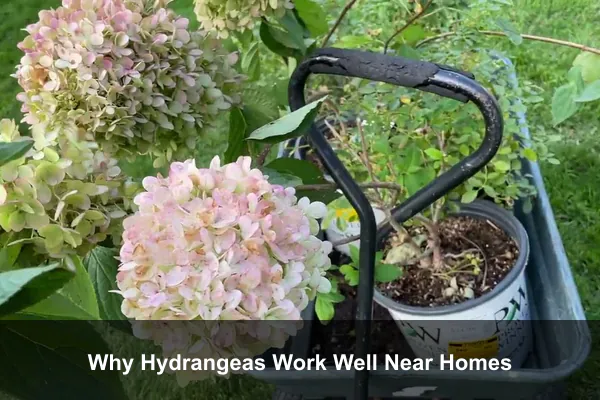
Hydrangeas are popular in residential landscapes because they bridge the gap between formal shrubs and soft flowering plants. Many garden plants either look too rigid near a house or too loose for a front-facing design. Hydrangeas sit comfortably in the middle. Their rounded growth, broad leaves, and generous blooms help soften hard architecture such as brick, concrete, siding, fences, and stone paths.
One major benefit is visual balance. A house can look flat when the foundation line is bare, especially if the walls are tall or the windows are set high. Hydrangeas add height and fullness without needing the strict clipping required by boxwood-style hedges. This makes them useful for homeowners who want a refined look but prefer a more natural planting style.
Hydrangeas also bring seasonal movement. In spring, fresh leaves create a clean green base. In summer, blooms become the main visual feature. In late summer and fall, many flower heads age into softer tones. Even after peak flowering, the shrub can still provide texture and shape. This layered performance is one reason hydrangeas are valued in ornamental and garden plant design.
Softening Hard Lines
Homes often have strong horizontal and vertical lines. Driveways, steps, porch posts, window frames, and foundation walls can feel visually heavy. Hydrangeas help soften these lines because their foliage and blooms form rounded masses. This makes transitions from building to garden feel smoother.
Creating a Welcoming Entry
Hydrangeas near an entrance can guide the eye toward the front door. They work especially well when planted beside steps, along curved paths, or in layered beds with lower perennials in front. The goal is not to block the house but to frame it naturally.
Main Benefits of Hydrangeas for Curb Appeal
When people talk about plant benefits, they often focus on fragrance, air quality, or flowers. Hydrangeas offer a different type of benefit: they improve how a home landscape reads from the street and how outdoor spaces feel in daily use. This is especially valuable for small front yards where every plant must justify its place.
- They add visible volume: Hydrangeas fill space more generously than many small perennials.
- They create seasonal interest: Their leaves, buds, blooms, and aging flower heads provide changing texture.
- They reduce visual harshness: Their rounded form softens walls, fences, and paved edges.
- They support layered planting: Hydrangeas pair well with groundcovers, grasses, ferns, and compact evergreens.
- They can increase perceived care: A well-placed hydrangea makes a home look intentionally maintained.
Another practical benefit is flexibility. Depending on the variety, hydrangeas can suit cottage gardens, modern homes, traditional houses, and relaxed suburban yards. Smooth hydrangeas, panicle hydrangeas, bigleaf hydrangeas, and oakleaf hydrangeas each bring a different character, so choosing the right type matters.
Better First Impressions
A front garden does not need to be complicated to look polished. Repeated hydrangeas along a foundation bed can create a strong design statement. Even two or three shrubs placed with care can make a home feel more inviting.
Useful Screening Without a Wall Effect
Hydrangeas can provide light screening around low windows, utility meters, air-conditioning areas, or plain fence sections. They are not solid privacy hedges, but they soften views without making the space feel boxed in.
Choosing the Right Hydrangea for the Front Yard
Hydrangea plant benefits depend heavily on choosing the right type for the location. A variety that is perfect beside a wide porch may become frustrating near a narrow walkway. Before buying, consider mature size, pruning needs, sun exposure, and how the plant will look when not in peak bloom.
Panicle Hydrangeas
Panicle hydrangeas are among the most useful choices for curb appeal because many tolerate more sun than other hydrangeas. They often produce cone-shaped blooms and can work well in front yards, driveway borders, and open foundation beds. Some varieties grow quite large, so compact selections are better for tight spaces.
Smooth Hydrangeas
Smooth hydrangeas are known for rounded flower heads and a softer garden look. They can be useful near porches, shaded entries, or mixed beds. Many gardeners appreciate them because they can bloom reliably when pruned correctly, but they still need enough space to avoid looking crowded.
Oakleaf Hydrangeas
Oakleaf hydrangeas bring bold leaves and strong texture. Their foliage can be just as valuable as their flowers, especially in landscapes that need a more natural or woodland-inspired feel. They are excellent for corners, side yards, and deeper beds where their form can develop fully.
Bigleaf Hydrangeas
Bigleaf hydrangeas are beloved for their lush blooms, but they can be more sensitive to climate and pruning mistakes. They are best used where winter damage, afternoon heat, and harsh exposure are not major problems. In protected entry gardens, they can look exceptionally rich and elegant.
How to Place Hydrangeas Around a House
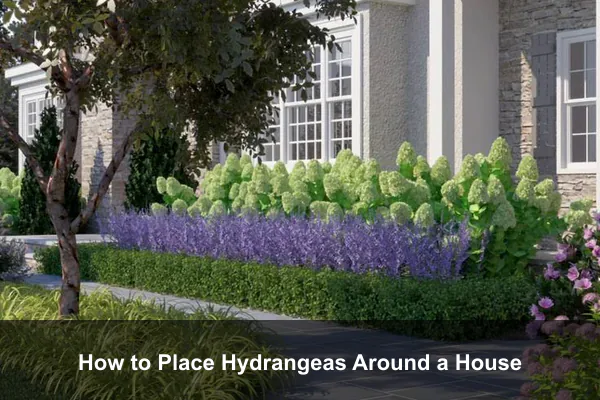
Placement is the difference between a hydrangea that improves curb appeal and one that becomes a maintenance problem. The most common mistake is planting too close to the house, walkway, or driveway. Young nursery plants look small, but many hydrangeas expand significantly over time.
As a general rule, leave enough room for the mature width of the plant. If a hydrangea is expected to grow four feet wide, avoid placing it one foot from a wall or path. Crowded shrubs need more pruning, block airflow, and may look messy after rain.
- Check the mature size on the plant label before buying.
- Measure the bed depth from the wall to the front edge.
- Allow room for air movement behind and around the shrub.
- Keep walkways clear so wet blooms do not lean into walking space.
- Use repetition for a planned look, especially in front-facing beds.
Best Spots for Hydrangeas
Hydrangeas often work well near porch steps, at the corners of a house, along curved entry paths, beside patios, or in deep foundation beds. They can also be effective in side yards where a plain wall needs softening.
Spots to Avoid
Avoid placing hydrangeas directly under narrow roof overhangs where rain cannot reach the soil. Also avoid cramped spaces beside driveways where reflected heat can stress the plant. If the location receives intense afternoon sun, choose a more tolerant variety or provide companion planting to cool the root zone.
Design Pairings That Make Hydrangeas Look More Finished
Hydrangeas look strongest when they are part of a layered planting, not isolated in empty mulch. Companion plants can hide bare lower stems, extend seasonal interest, and help the garden look intentional even before and after bloom season.
For a polished foundation bed, combine hydrangeas with plants that offer contrast in leaf shape, height, and texture. Fine-textured grasses, low evergreen shrubs, hostas, ferns, heuchera, liriope, and shade-tolerant groundcovers can all work depending on climate and light.
- For modern homes: Pair white panicle hydrangeas with ornamental grasses and simple evergreen forms.
- For cottage-style homes: Combine hydrangeas with salvia, nepeta, roses, or soft edging plants.
- For shaded entries: Use ferns, hostas, and oakleaf hydrangeas for a woodland effect.
- For narrow beds: Choose compact hydrangeas and repeat one low companion plant for order.
Using Repetition
One hydrangea can be beautiful, but repetition usually looks more professional. Repeating the same variety along a front bed creates rhythm. If space is limited, repeat companion plants instead so the design still feels connected.
Balancing Bloom Size
Large hydrangea flowers can dominate small spaces. To keep the bed balanced, pair them with simple foliage rather than many competing flowers. This helps the hydrangea remain the feature without making the garden feel chaotic.
Care Information for Strong, Attractive Shrubs
Healthy hydrangeas improve curb appeal; stressed hydrangeas can do the opposite. Wilting leaves, scorched edges, weak stems, and poorly timed pruning all affect appearance. Fortunately, most hydrangea care is manageable when the plant is matched to the right site.
Light Needs
Many hydrangeas prefer morning sun and afternoon shade, especially in warm climates. Panicle hydrangeas can often handle more sun, while bigleaf hydrangeas usually appreciate protection from harsh heat. Too much shade may reduce flowering, while too much intense sun may cause wilting or leaf scorch.
Watering
Hydrangeas need consistent moisture, particularly during establishment and hot weather. Deep watering is better than frequent shallow watering. Mulch can help keep soil cool and reduce moisture swings, which is important for foundation beds near warm walls or paved areas.
Soil
Hydrangeas generally prefer fertile, well-drained soil with steady moisture. Heavy clay may need organic matter to improve structure, while sandy soil may need compost to hold moisture. Avoid waterlogged conditions because soggy roots can weaken the shrub.
Pruning
Pruning depends on hydrangea type. Some bloom on old wood, some on new wood, and some on both. This matters because cutting at the wrong time can remove flower buds. Before pruning, identify your hydrangea type and follow variety-specific guidance.
Common Mistakes That Reduce Hydrangea Benefits
Hydrangeas are forgiving in many ways, but poor planning can make them harder to maintain. The good news is that most problems can be prevented before planting.
- Planting too close to the house: This limits airflow and causes crowding as the shrub matures.
- Choosing the wrong size: A large variety in a narrow bed creates constant pruning work.
- Ignoring sun exposure: Afternoon heat can stress sensitive hydrangeas.
- Pruning without identification: Wrong timing may reduce or remove blooms.
- Using too many competing plants: Overly busy beds reduce the clean curb appeal hydrangeas can provide.
Another mistake is expecting hydrangeas to look perfect every day of the year. They are living shrubs with seasonal changes. Their best use is as part of a thoughtful landscape that includes evergreen structure, ground-level texture, and plants with different peak seasons.
Are Hydrangeas Safe and Practical for Family Landscapes?
Hydrangeas are ornamental plants, not edible plants. Parts of the plant can be toxic if ingested by people or pets, so they should not be treated as kitchen herbs or medicinal plants. In a family yard, the practical approach is simple: plant them as decorative shrubs, teach children not to eat garden plants, and place them thoughtfully if pets chew foliage.
For many households, hydrangeas are still practical because they do not require sharp thorns, heavy fragrance, or constant harvesting. They can provide beauty without demanding daily interaction. This makes them suitable for front yards, entry beds, and visible garden spaces where appearance and moderate care matter most.
Low-Mess Value
Compared with some flowering plants, hydrangeas can be relatively tidy when maintained well. Spent blooms may remain attractive for a period before removal, and the shrub form helps keep the planting visually organized.
Long-Term Garden Value
A well-sited hydrangea can remain valuable for many years. As the shrub matures, it can make the landscape look established rather than temporary. This long-term presence is one of the strongest benefits for homeowners planning curb appeal improvements.
Simple Hydrangea Curb Appeal Plan for Beginners
If you are new to hydrangeas, start with a small, controlled plan instead of filling the whole front yard at once. Choose one visible area, such as the entry path or a foundation corner, and build a simple planting around it.
- Pick the viewing point: Stand at the sidewalk, driveway, or street and decide where the house needs softness.
- Measure the bed: Note depth, width, and distance from walls or paths.
- Choose a suitable variety: Match mature size and light needs to the site.
- Add one companion layer: Use low plants to cover the front edge and reduce bare mulch.
- Mulch and water deeply: Help the shrub establish with consistent soil moisture.
- Observe before pruning: Learn when your type blooms before cutting stems.
This beginner-friendly method keeps the project manageable. It also helps you learn how hydrangeas behave in your actual climate, soil, and light conditions before expanding to other parts of the landscape.
Conclusion
Hydrangeas offer more than attractive flowers. When used as foundation shrubs and curb appeal plants, they can soften architecture, frame entrances, fill garden beds, and make a home feel more welcoming. Their value comes from the combination of form, foliage, seasonal bloom, and long-term landscape presence.
The best results come from choosing the right hydrangea type, giving it enough space, matching it to the available light, and pairing it with simple companion plants. With thoughtful planning, Hydrangea plant benefits and information become practical tools for creating a front yard that looks cared for, balanced, and naturally beautiful.
