
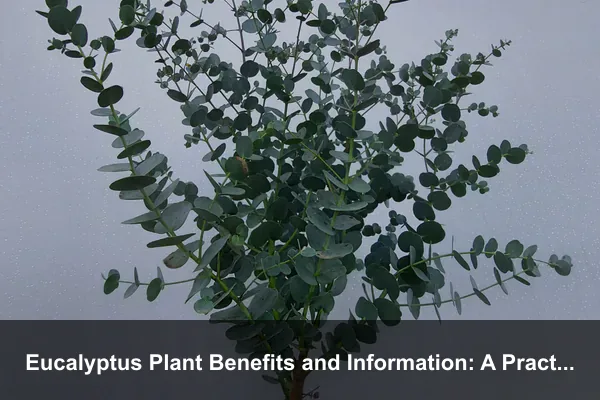
Eucalyptus is one of the most recognizable aromatic plants in the world, valued for its silvery leaves, refreshing scent, fast growth, and practical role in gardens, landscapes, and home routines. When people search for Eucalyptus plant benefits and information, they often want more than a simple list of uses. They want to understand what the plant actually does well, where it fits, and how to enjoy it responsibly.
This guide focuses on eucalyptus as a useful plant for home gardeners, herbal plant lovers, and anyone interested in Manfaat Tanaman from a practical perspective. It explains the benefits, basic plant facts, safe handling, growing needs, and everyday uses without treating eucalyptus as a cure-all. The goal is to help you appreciate the plant’s value while making informed choices about placement, care, and use.
What Is the Eucalyptus Plant?
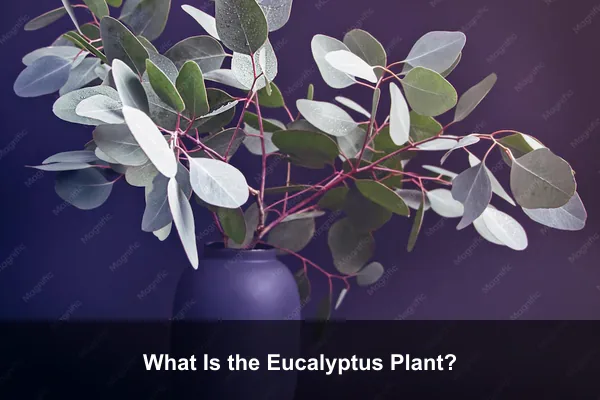
Eucalyptus is a large group of evergreen trees and shrubs, mostly native to Australia, though many species are now grown in warm regions around the world. Depending on the variety, eucalyptus may appear as a tall landscape tree, a compact ornamental shrub, or a potted foliage plant grown mainly for its rounded juvenile leaves.
The plant is known for leaves rich in aromatic oils. When crushed, dried, or warmed by sunlight, the foliage releases a clean, sharp fragrance often associated with herbal steam, spa products, and natural home scenting. Popular species include Eucalyptus globulus, often called blue gum, and Eucalyptus cinerea, known for attractive round silver-dollar leaves.
Key Plant Characteristics
- Plant type: Evergreen tree or shrub, depending on species and pruning.
- Main appeal: Fragrant foliage, ornamental leaves, shade, and landscape structure.
- Growth habit: Fast-growing in suitable climates with strong light and well-drained soil.
- Common uses: Garden planting, cut foliage, dried arrangements, aromatic home use, and essential oil production.
- Safety note: Leaves and concentrated oils should not be ingested without professional guidance.
Main Eucalyptus Plant Benefits
The benefits of eucalyptus come from several qualities working together: scent, structure, foliage texture, and adaptability. It is not just a decorative plant, and it is not only an herbal plant. It can support outdoor comfort, visual interest, and low-waste home routines when used correctly.
Aromatic Value for the Home
One of the most popular eucalyptus plant benefits is its naturally refreshing aroma. Fresh or dried stems can be placed in arrangements, entryways, or craft projects to add a clean botanical scent. The fragrance is strong enough to be noticeable but should still be used thoughtfully, especially around children, pets, or people sensitive to strong aromas.
Decorative Foliage
Eucalyptus leaves bring a soft silver, blue-green, or gray-green tone that pairs well with flowers, grasses, and other foliage plants. Florists often use eucalyptus because the leaves add movement, contrast, and a calm color palette without overpowering brighter blooms.
Garden Structure and Shade
In suitable outdoor spaces, eucalyptus can become a strong landscape feature. Larger species may provide shade, wind filtering, and vertical structure. Smaller species or regularly pruned plants can work as background foliage, privacy screens, or specimen shrubs.
Low-Waste Cut Foliage
Gardeners who grow eucalyptus can harvest stems for fresh displays and later dry them for longer use. This makes eucalyptus useful for people who want natural decor with less dependence on disposable synthetic fragrance products or short-lived floral materials.
How Eucalyptus Supports a Sensory Garden
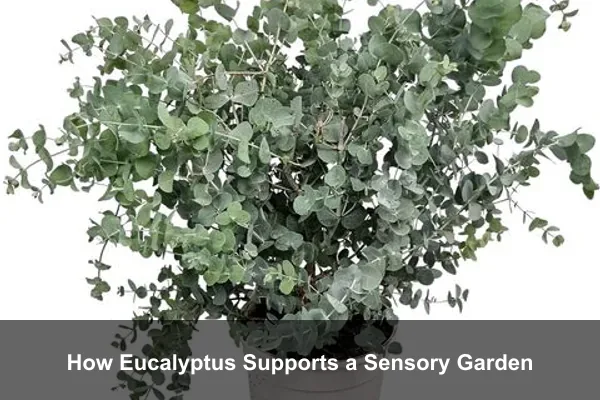
A sensory garden uses plants to engage sight, smell, touch, and sometimes sound or taste. Eucalyptus fits especially well in scent-focused and texture-focused garden designs. Its fragrance is released when leaves move in warm air or when a stem is handled gently, making it a memorable plant for pathways, patios, and calm outdoor corners.
For best results, plant eucalyptus where people can enjoy the foliage without brushing against it constantly. A sunny edge near a seating area, a large container on a patio, or a background planting near an herb garden can work well. Avoid placing it in narrow walkways where leaves may be damaged or where roots may conflict with paving.
Best Companions for Eucalyptus
- Lavender: Complements eucalyptus with fragrance and pollinator value.
- Rosemary: Shares a preference for sun and well-drained soil.
- Ornamental grasses: Add movement and soften the strong form of eucalyptus.
- Salvia: Brings seasonal flowers and supports garden biodiversity.
- Native shrubs: Help balance the planting with local habitat value.
Growing Requirements and Basic Care
Eucalyptus grows best when its natural preferences are respected. It is usually not a plant for dark corners, heavy wet soil, or cramped root spaces. If you give it strong light, drainage, and enough room, it can be vigorous and relatively easy to maintain.
Light
Most eucalyptus plants need full sun. Aim for at least six hours of direct sunlight daily. In low light, growth may become weak, stretched, and less aromatic. Indoor eucalyptus is often difficult long term unless placed near a very bright window or grown temporarily as a decorative potted plant.
Soil
Well-drained soil is essential. Eucalyptus dislikes waterlogged roots, so avoid heavy clay unless it is improved with drainage planning. In containers, use a loose potting mix and a pot with drainage holes. A slightly sandy or gritty mix is often better than a moisture-holding indoor plant mix.
Watering
Young eucalyptus plants need consistent moisture while establishing. Once mature, many species become more drought tolerant, but container plants still dry out quickly. Water deeply, then allow the upper soil layer to dry before watering again. Overwatering can lead to root stress.
Pruning
Pruning helps control size, encourage fresh juvenile foliage, and keep the plant suitable for small gardens. Light, regular pruning is better than severe cutting after the plant has become too large. Always use clean tools and avoid removing too much growth at once.
Safe and Responsible Home Use
Eucalyptus is useful, but it should be handled with respect. The leaves contain natural compounds that are powerful in concentrated form. Fresh or dried foliage can be enjoyed for scent and decoration, but eucalyptus oil is much stronger than the plant itself.
Do not drink eucalyptus oil or apply concentrated oil directly to skin without qualified guidance. Keep oils and leaves away from curious children and pets. Cats, dogs, and some other animals may be sensitive to eucalyptus, especially essential oil products.
Practical Safety Tips
- Use fresh or dried stems as decor rather than as food or medicine.
- Keep essential oils sealed and stored out of reach.
- Avoid strong eucalyptus steam in enclosed spaces for babies, small children, or sensitive individuals.
- Do not assume “natural” means risk-free.
- Wash hands after handling large amounts of foliage, especially before touching your face.
Common Eucalyptus Uses Around the Home
Eucalyptus can be part of a practical home routine when used simply and safely. Fresh stems can be placed in a vase without water for drying, combined with flowers, or tied into small bundles for closets and craft projects. Dried leaves can be used in wreaths, table arrangements, and seasonal decorations.
In the garden, eucalyptus can create a cooling visual effect because its foliage often reflects light with a muted silver tone. This makes it valuable in hot-looking spaces where dark leaves may feel heavy. It also works well in minimalist gardens, Mediterranean-style plantings, and herb-inspired landscapes.
Best Everyday Uses
- Fresh foliage arrangements for tables and entryways.
- Dried stems for long-lasting natural decor.
- Background foliage in flower bouquets.
- Large containers for sunny patios.
- Garden screening where space allows.
Choosing the Right Eucalyptus for Your Space
The biggest mistake with eucalyptus is choosing a species without checking mature size. Some eucalyptus trees become extremely tall and are not suitable for small yards. Before buying, look for the botanical name, expected height, climate suitability, and whether the plant can be managed by pruning.
For small gardens and containers, compact types or plants grown mainly for juvenile foliage are usually more practical. If you live in a cooler climate, eucalyptus may need winter protection or may be grown as a seasonal container plant rather than a permanent tree.
Before You Buy, Check These Details
- Mature height and spread.
- Cold tolerance for your region.
- Root space and distance from buildings.
- Water needs during establishment.
- Whether the plant is suitable for pots.
Conclusion
Eucalyptus offers a distinctive mix of beauty, fragrance, and practical value. Its silver foliage, aromatic leaves, and strong garden presence make it useful for outdoor design, natural decor, and sensory planting. For readers exploring Eucalyptus plant benefits and information, the most important takeaway is balance: eucalyptus is rewarding when matched to the right space and used responsibly.
Choose the species carefully, provide sun and drainage, prune with purpose, and treat the aromatic leaves as a powerful natural feature rather than a casual remedy. With thoughtful care, eucalyptus can become a long-lasting plant that brings freshness, structure, and everyday botanical value to the home and garden.
